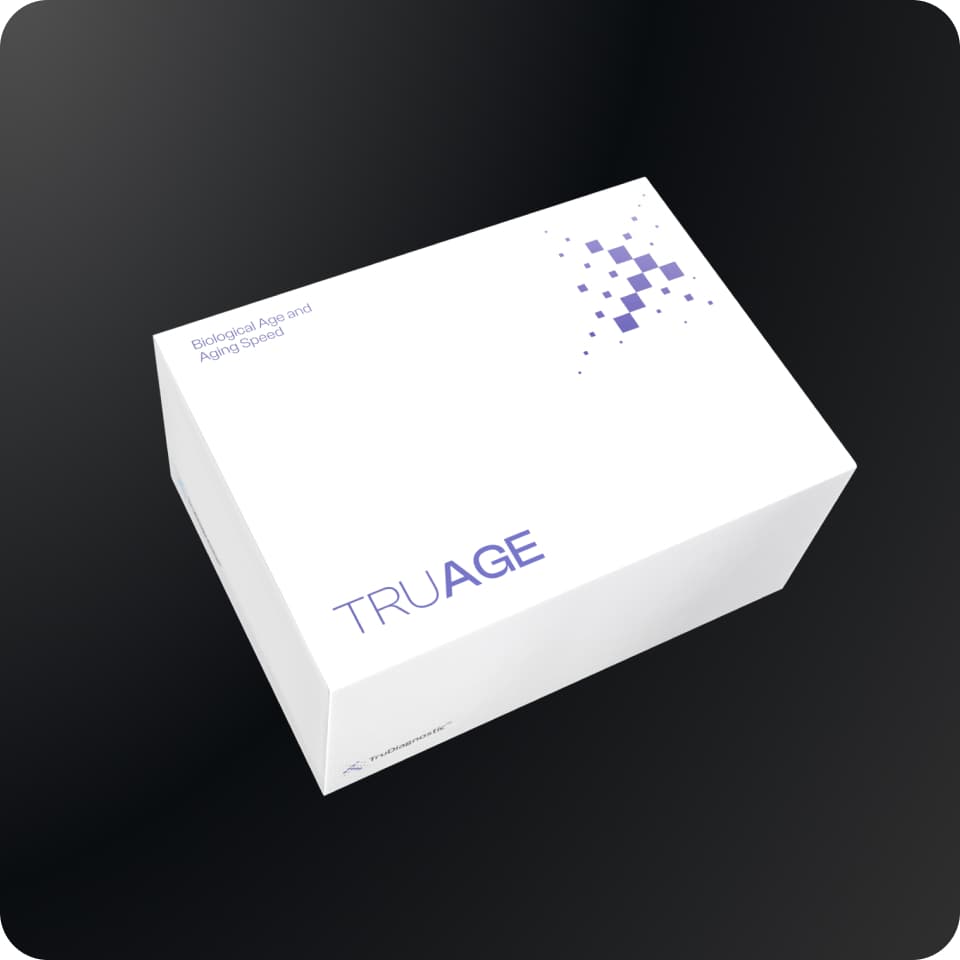
TruDiagnostic TruAge COMPLETE Epigenetic Test
The biological-age epigenetic test the longevity crowd actually uses - DunedinPACE, Horvath, and OMICmAge in one kit.
Lifespan Vault earns an affiliate commission when you buy through links on this page, at no extra cost to you. It does not change our rankings or our verdicts.
QUICK VERDICT
The biological-age epigenetic test the longevity crowd actually uses - and the only consumer-accessible kit running multiple validated clocks (DunedinPACE, Horvath, OMICmAge) in one panel.
Price: $499 to $849/test · Verified: 2026-07-18 · Editor score: 8.6/10 (how we rank)
The biological-age epigenetic test the longevity crowd actually uses - and the only consumer-accessible kit running multiple validated clocks (DunedinPACE, Horvath, OMICmAge) in one panel.
TruDiagnostic's TruAge is the rare "biological age" product that earned its position rather than just marketing it. The category is full of dubious clocks built on small datasets - TruAge runs the actual peer-reviewed ones. DunedinPACE for pace-of-aging, Horvath and Hannum for chronological-vs-biological comparison, and OMICmAge for multi-omic integration. For buyers who want a single epigenetic data point to track over time, this is the credible pick.
The one-time single test runs $499 and gives a snapshot biological age across multiple clocks. TruDiagnostic markets Subscribe & Save at ~$249 per test on a recurring plan with quarterly retests, longitudinal tracking, and add-on panels for inflammation and telomere measurement (a TruAge + TruHealth combo runs ~$849). For longevity-focused buyers running aggressive protocols (rapamycin, metformin, NAD precursors, peptides), the quarterly cadence is the only way to get a meaningful pace-of-aging trajectory rather than noise.
Where it wins: scientific credibility. The clocks are real, the methodology is published, and the data quality is meaningfully ahead of competitors like Elysium's Index, MyDNAge, or any of the buccal-swab kits that show up in Instagram ads. The longitudinal subscription is the clean way to track whether a longevity protocol actually moves the needle on epigenetic markers.
Where it loses: actionability and cost. A biological age number is interesting; what to do about it is unclear. The recommendations TruDiagnostic provides are general (sleep, exercise, diet, smoking cessation) rather than personalized in a way that justifies the price tag. For buyers who already do the basics well, the test mostly confirms or denies a hypothesis they were already running. Annual subscription cost competes with high-end Function Health or InsideTracker memberships that arguably deliver more actionable data.
The other consideration is interpretation literacy. Pace-of-aging numbers shift with sleep, stress, and recent illness - single-point readings can be misleading. The 4x/year cadence is part of why the subscription tier is the meaningful product. Single-test buyers should mentally treat the result as one data point, not a final verdict.
Who should buy: longevity-focused buyers running serious anti-aging protocols who want longitudinal pace-of-aging data, and biomarker-literate users adding epigenetic tracking to their existing stack. Who shouldn't: anyone seeking actionable health recommendations (Function or InsideTracker beat it), anyone who won't commit to longitudinal retesting (single-point data is noisy), or anyone hoping to reverse a "biological age" number for vanity (the clocks aren't designed for that).
Longevity-focused buyers running serious anti-aging protocols who want validated pace-of-aging tracking, and biomarker-literate users adding epigenetic data to a broader monitoring stack.
You want actionable health recommendations (Function Health or InsideTracker beat it on that), you won't commit to longitudinal retests (single-point readings are noisy), or you're shopping for vanity rather than research-grade data.
Pros
- Runs multiple peer-reviewed clocks (DunedinPACE, Horvath, Hannum, OMICmAge) - meaningful scientific credibility
- Quarterly retest subscription (COMPLETE tier) - only way to get useful pace-of-aging trajectory data
- Add-on panels for inflammation, telomeres, and additional epigenetic markers
- Methodology published and peer-reviewed vs competitors' proprietary in-house clocks
- Stable lab partner network - sample handling and processing reliably consistent
- Strong fit for buyers running aggressive longevity protocols who need outcome metrics
- Subscribe & Save brings per-test cost to ~$249 for buyers committing to recurring retests
- Compatible with at-home dried-blood-spot collection - no phlebotomy appointment required
- Researcher-credible - used in published longevity intervention studies
- Longitudinal dashboard tracks pace-of-aging trends across multiple clocks simultaneously
Cons
- Recommendations are general (sleep, diet, exercise) - not personalized enough to justify the price for actionability
- Recurring plan cost (~$249 per test) plus add-on panels competes with broader-coverage platforms like Function Health or InsideTracker
- Single-point readings noisy - pace-of-aging shifts with sleep, stress, recent illness
- Interpretation literacy required - non-experts may overreact to single-test fluctuations
- Add-on panels increase total cost meaningfully past advertised base price
- Limited integration with broader health-tracking ecosystems (Function, InsideTracker, Levels)
- Less mainstream brand awareness than Function Health or 23andMe - buyers may need education on why epigenetic clocks matter
Specifications
Most often compared with
Where this fits
TruDiagnostic TruAge COMPLETE Epigenetic Test cross-shops across several editorial surfaces on this site: the full brand catalog, the price band it qualifies for, the execution playbooks that use it and the in-depth guides for its category.
TruDiagnostic TruAge COMPLETE Epigenetic Test - buyer FAQ
TruAge vs other biological-age tests - is the epigenetic methodology actually credible?
Yes, TruAge is the rare credible product in a noisy category. The clocks it runs (DunedinPACE, Horvath, Hannum, OMICmAge, GrimAge) are all peer-reviewed and published in major journals. Most competitors use proprietary in-house clocks built on small datasets without external validation. If you only buy one biological-age test, TruAge is the right pick. Buccal-swab kits and Instagram-ad biological-age products are mostly not credible.
Should I buy the single test or the quarterly subscription?
Depends on what you are trying to measure. The one-time single test ($499) gives a snapshot biological age - useful as a one-time data point but noisy because pace-of-aging shifts with sleep, stress, and recent illness. Subscribe & Save (~$249 per test) with quarterly retests is the only way to get useful trajectory data, which is the actual value if you are running a longevity protocol. For longevity-focused buyers, the recurring plan is the right product.
What do I actually do with a biological-age number?
Honest answer: less than the marketing implies. The recommendations TruDiagnostic provides are general (sleep, exercise, diet, smoking cessation) and not personalized to the test result. The real value is longitudinal - tracking whether your existing longevity protocol (rapamycin, NAD precursors, peptides, lifestyle) actually moves the needle on epigenetic age over multiple quarters. For buyers running aggressive protocols who need outcome metrics, this is the cleanest available measurement.