




Buyer guides
How to choose in this category, with verified prices and honest trade-offs.
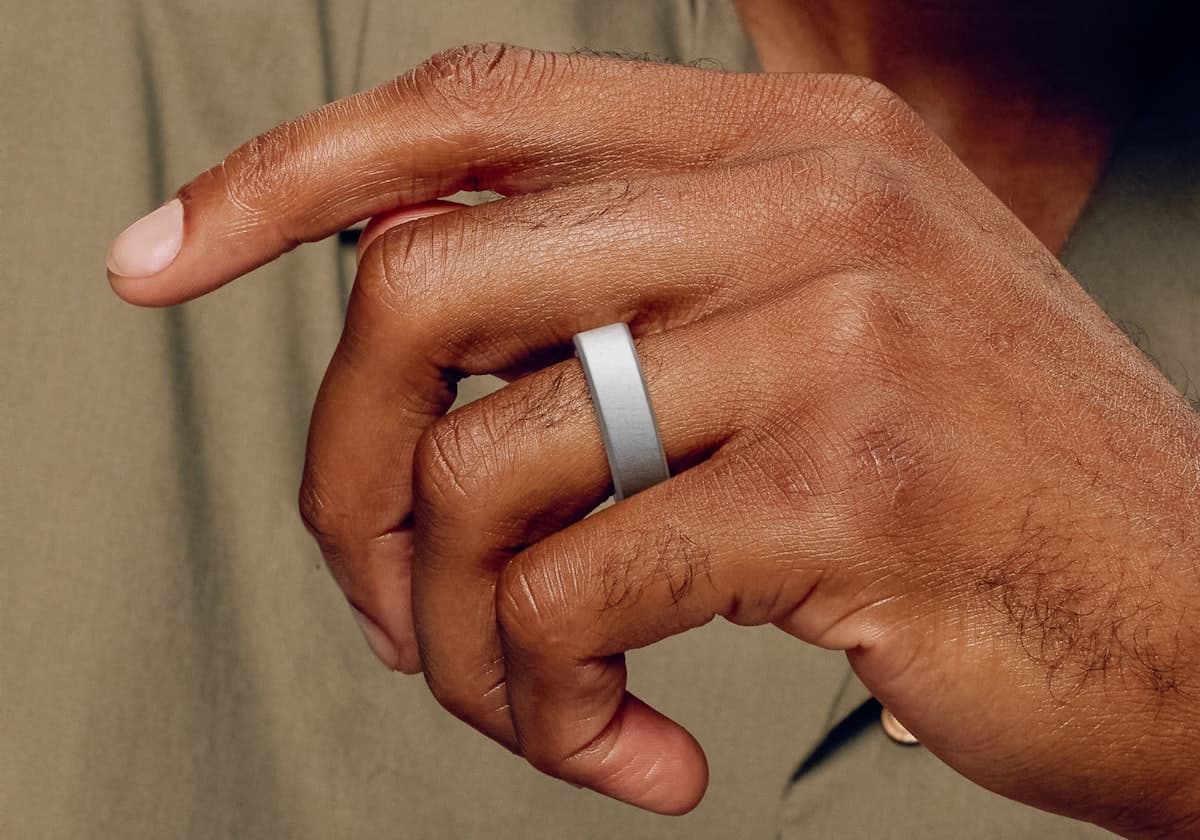
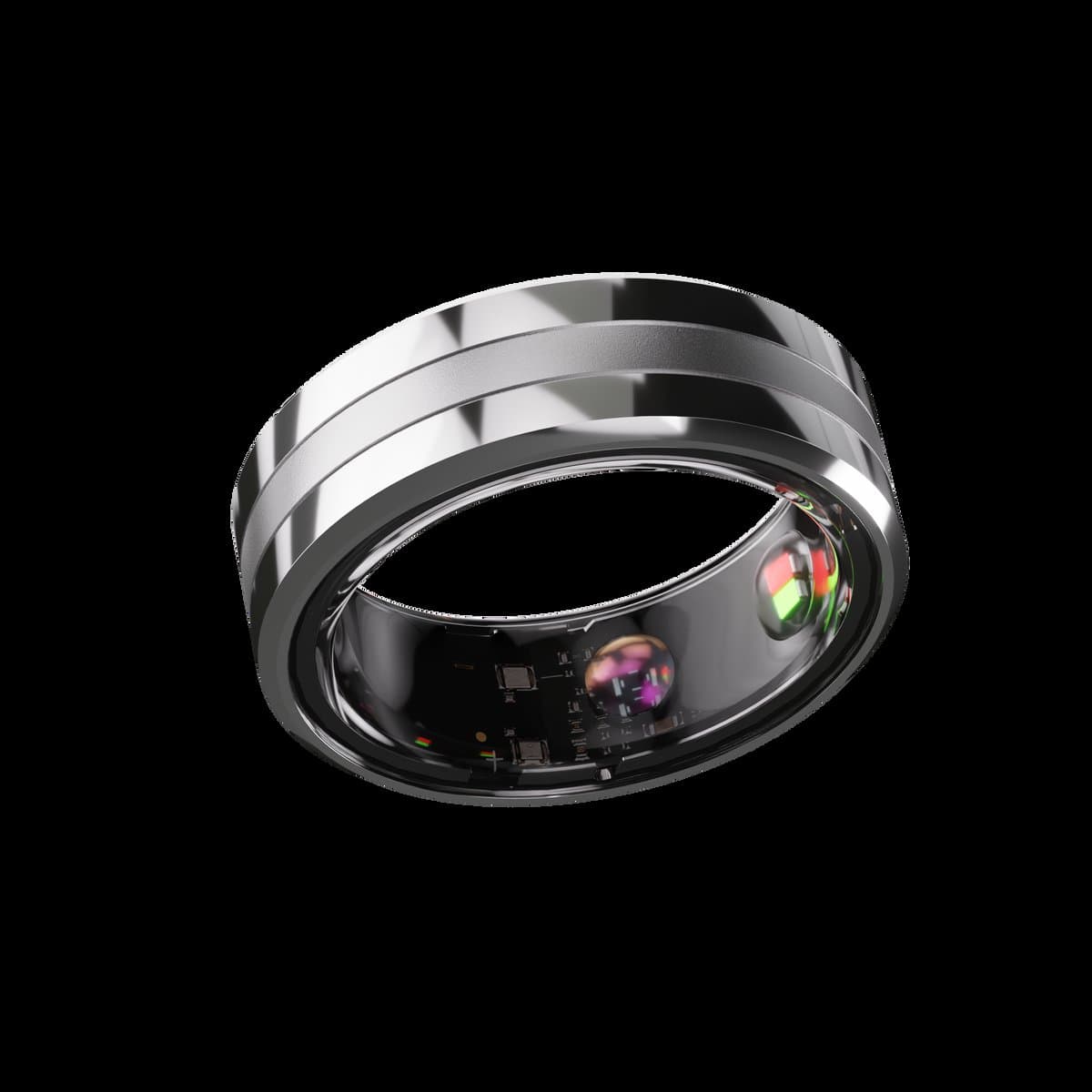
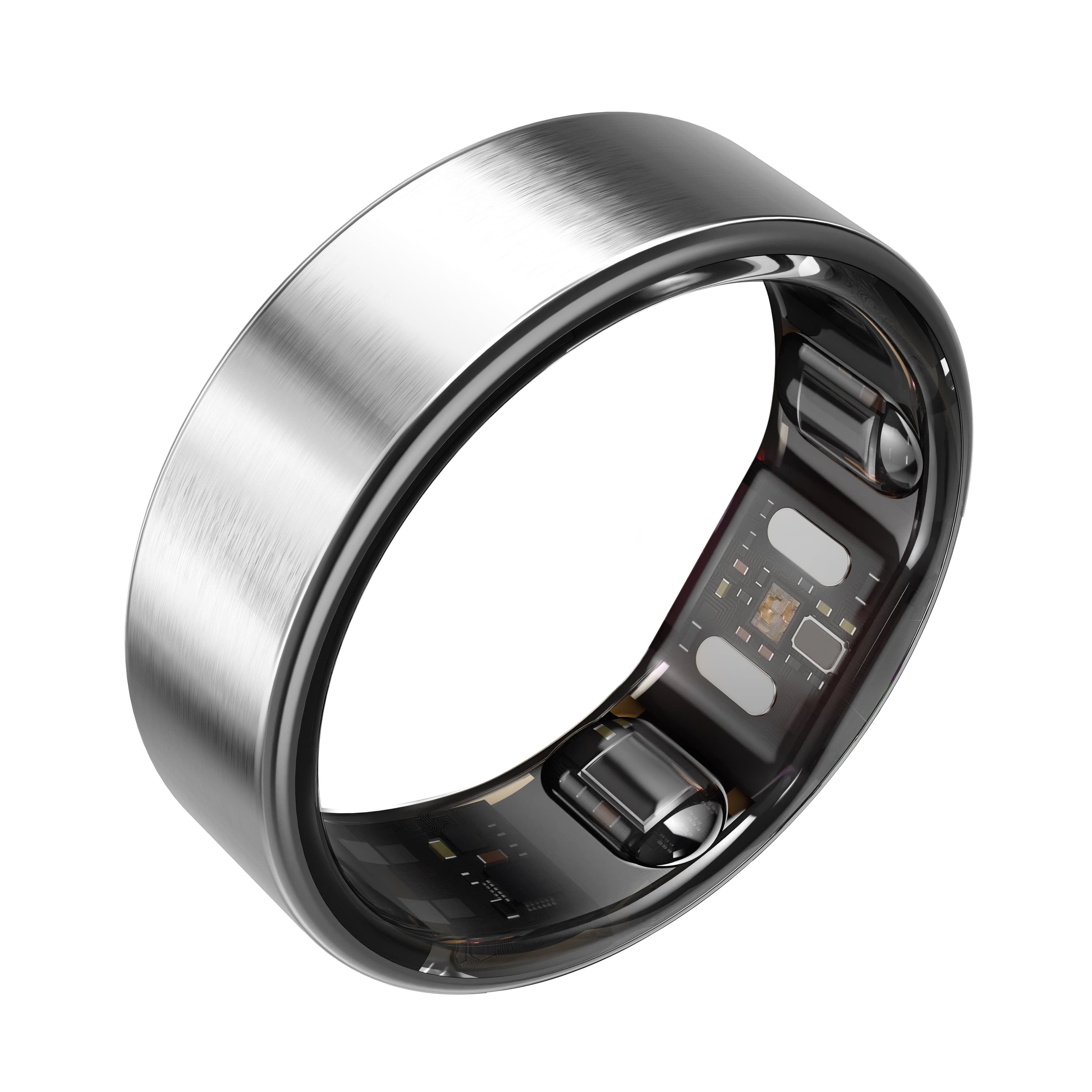
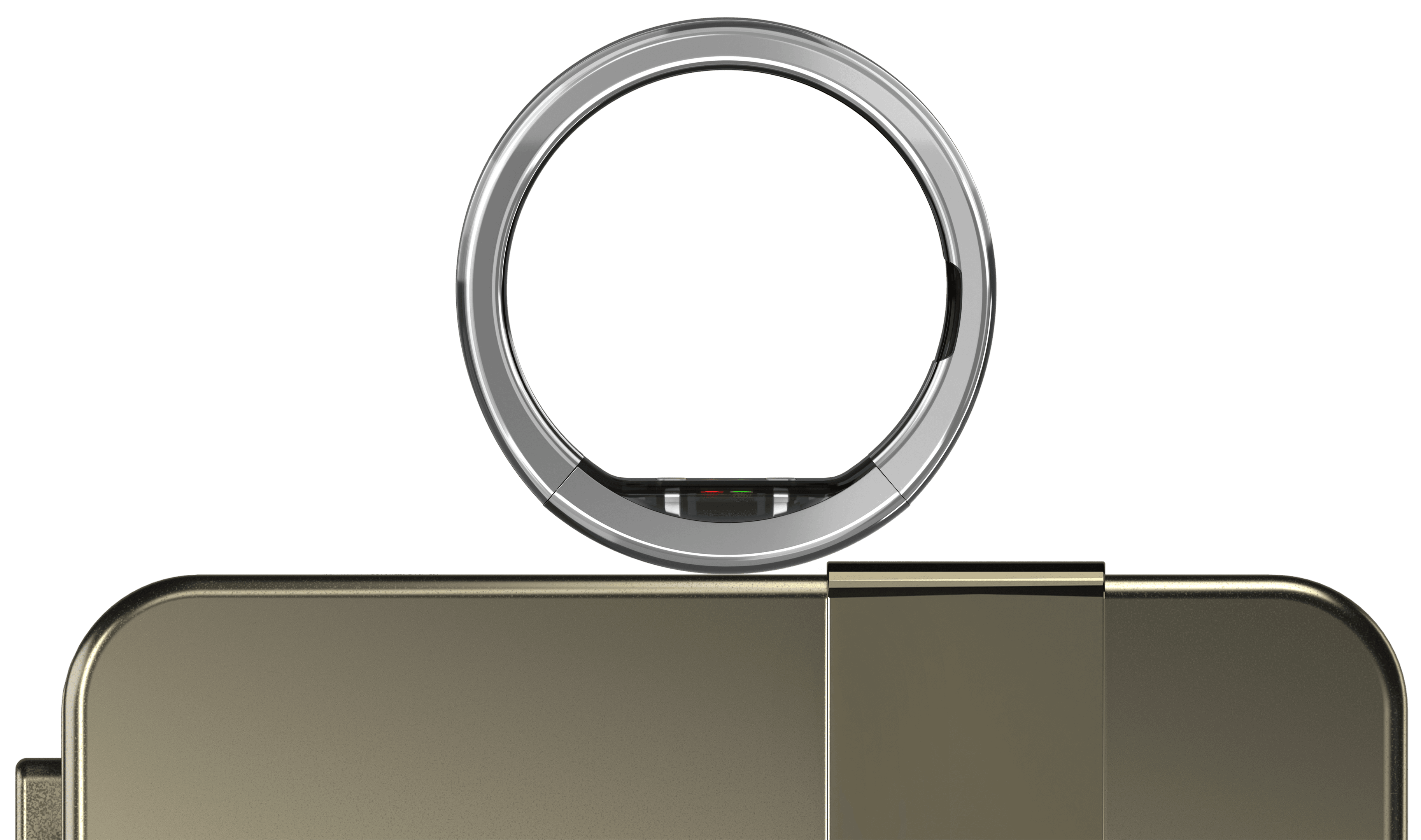
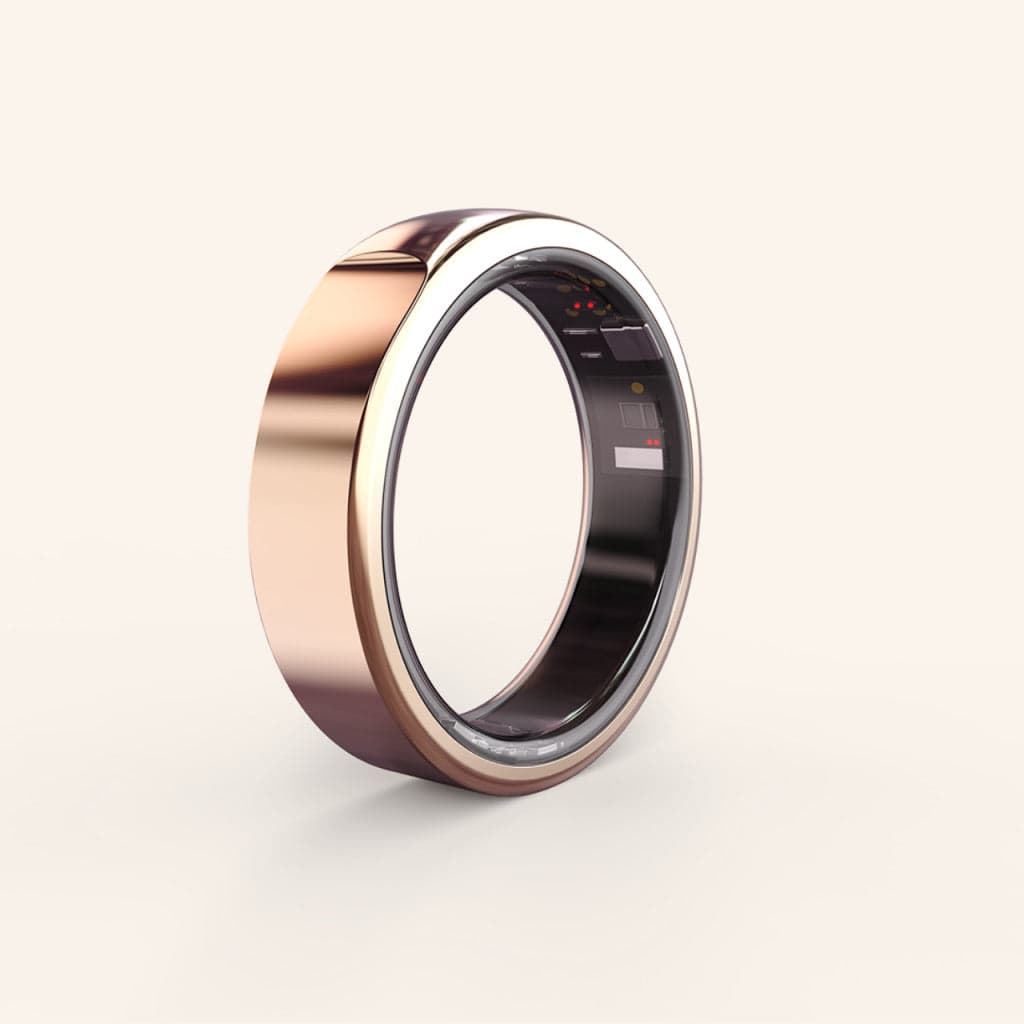
Oura vs Ultrahuman vs RingConn: subscription vs no-subscription, honestly.
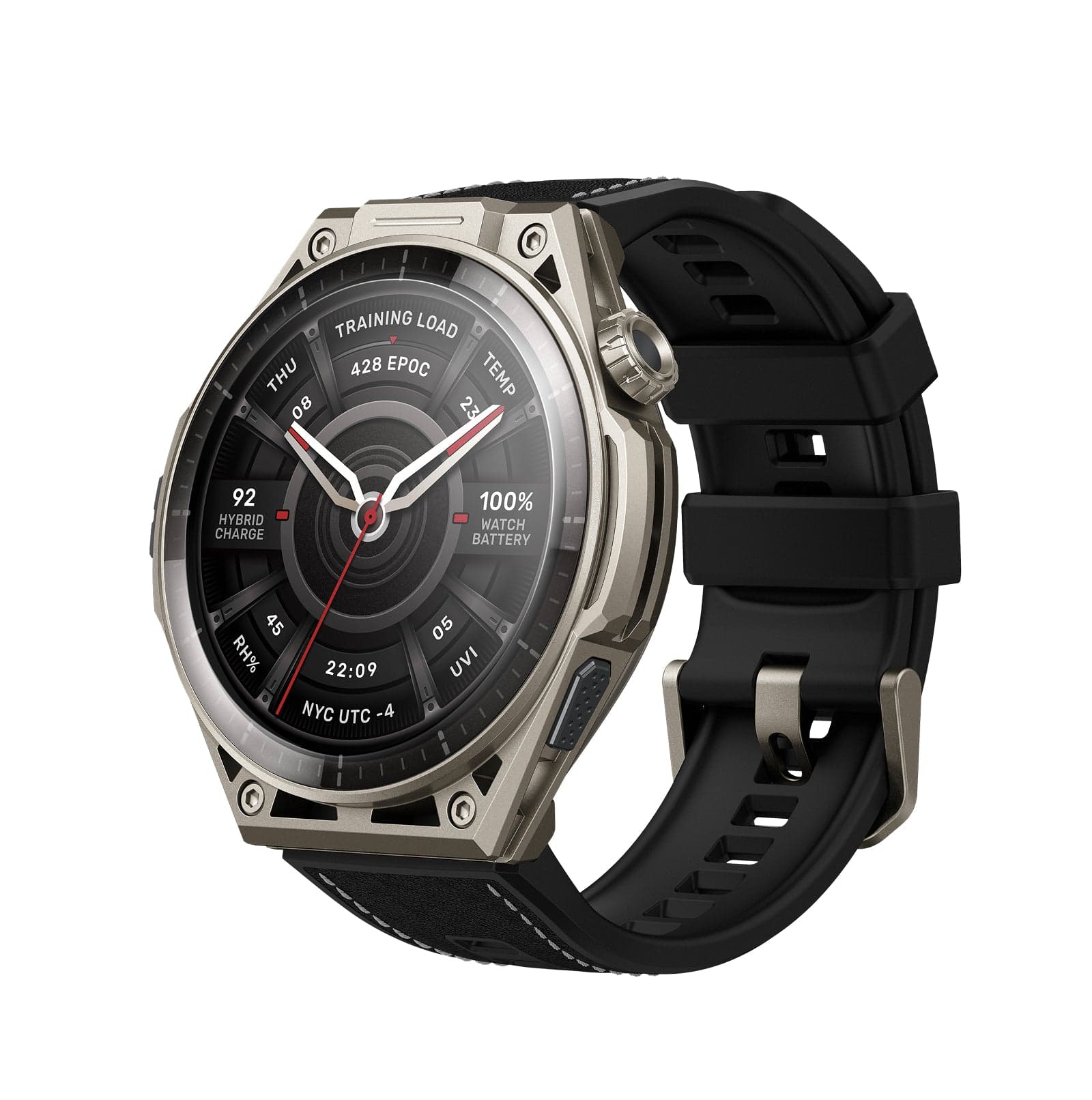
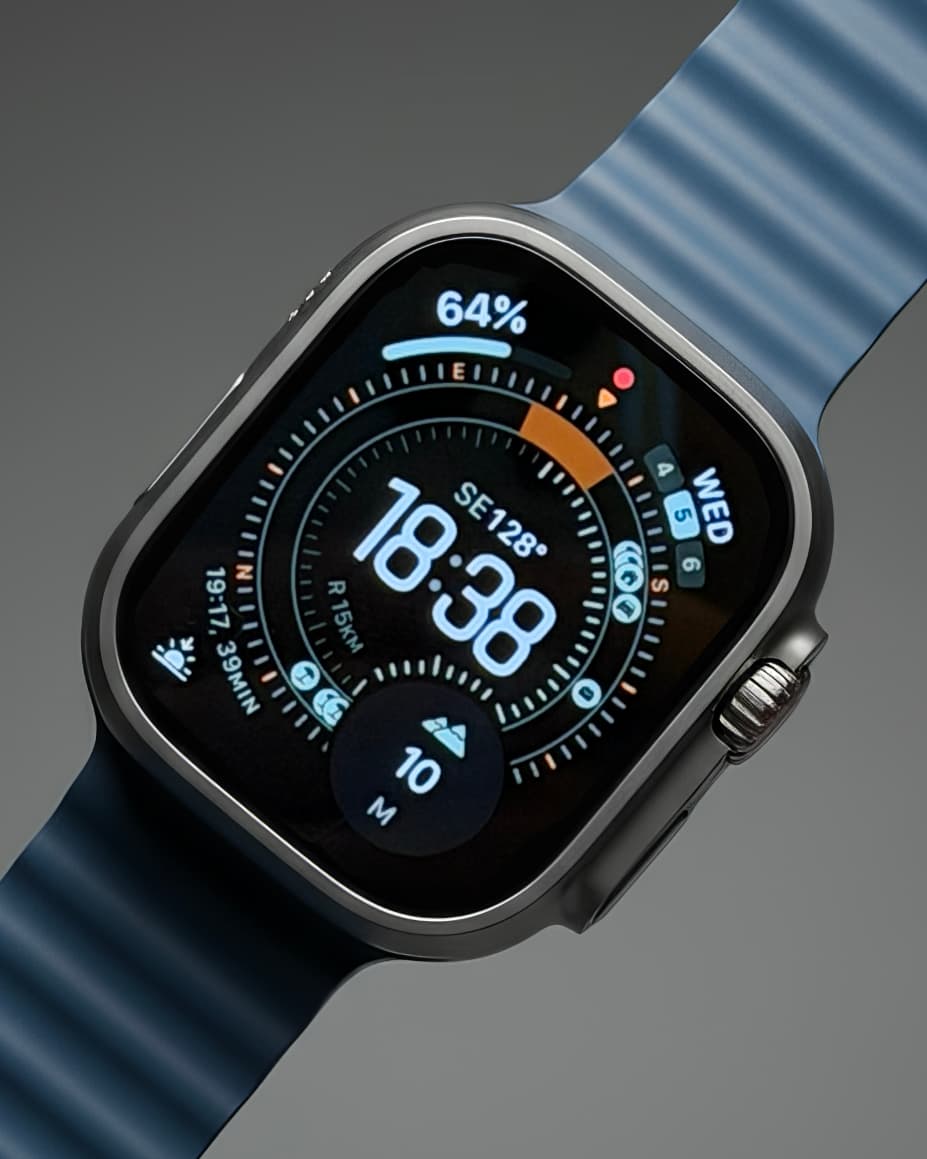
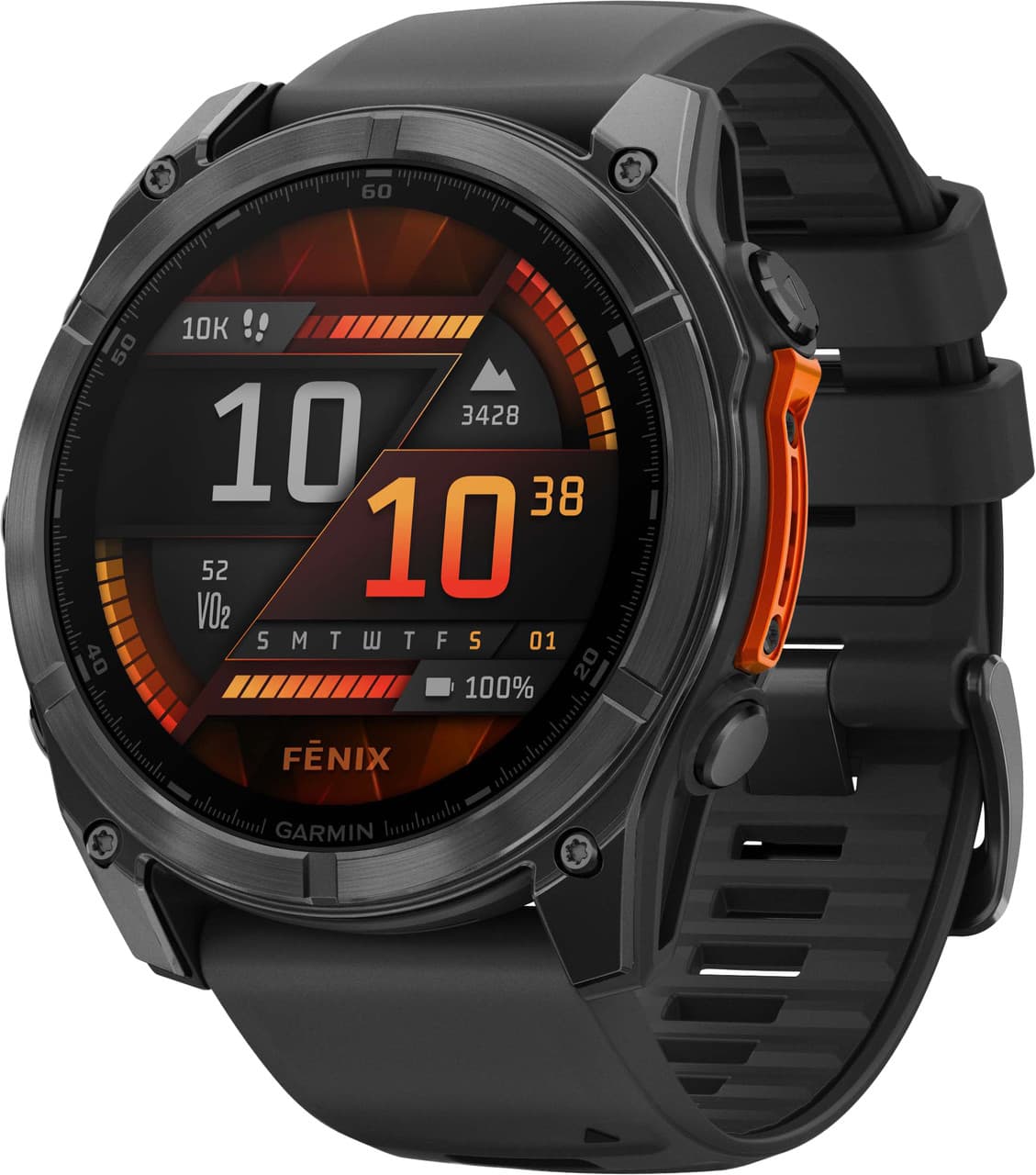
from $199Suunto Race 2 vs Vertical 2 vs Fenix 8 vs Apple Ultra 2, honestly.
from $499Re-Timer vs Luminette vs AYO, and the honest science.
from $155Oura vs Whoop vs Apple for sleep, HRV, and recovery.
Wearables buyer FAQ
What is the best longevity wearable in 2026?
For most longevity-focused buyers, Oura Ring Gen 4 is the editor's pick - best-in-class sleep-stage accuracy, the longest-running validation dataset, 8-day battery, and the deepest historical-data layer. For athletes wanting strain coaching, WHOOP 5.0 is the better fit. For Apple ecosystem users, Apple Watch Ultra 2 is the right one-device pick. For buyers refusing subscriptions, Ultrahuman Ring AIR is the no-subscription ring competitor.
Oura Ring vs Apple Watch for sleep tracking?
Oura wins on sleep tracking by 10-15% accuracy (independent comparisons), thanks to continuous skin-temperature tracking that catches sleep-stage transitions Apple Watch HR-only sensing misses. The bigger gap is compliance: rings get worn 24/7, Apple Watches get taken off for sleep within weeks. For longevity-stack buyers, the right play is wearing both - Oura for sleep + HRV continuity, Apple Watch for workouts + comms.
Do longevity wearables require a subscription?
Most premium wearables require subscriptions for full features. Oura Ring requires $5.99/mo or $69.99/yr Membership for daily readiness explanations and AI insights. WHOOP bundles hardware with $239/yr or $399/24mo membership (the membership IS the product). Ultrahuman Ring AIR has no subscription - pure hardware purchase at $349-449. Apple Watch Ultra 2 and Garmin Fenix 8 have no subscriptions but cost $799-1,199 upfront.
How accurate are wearable HRV measurements?
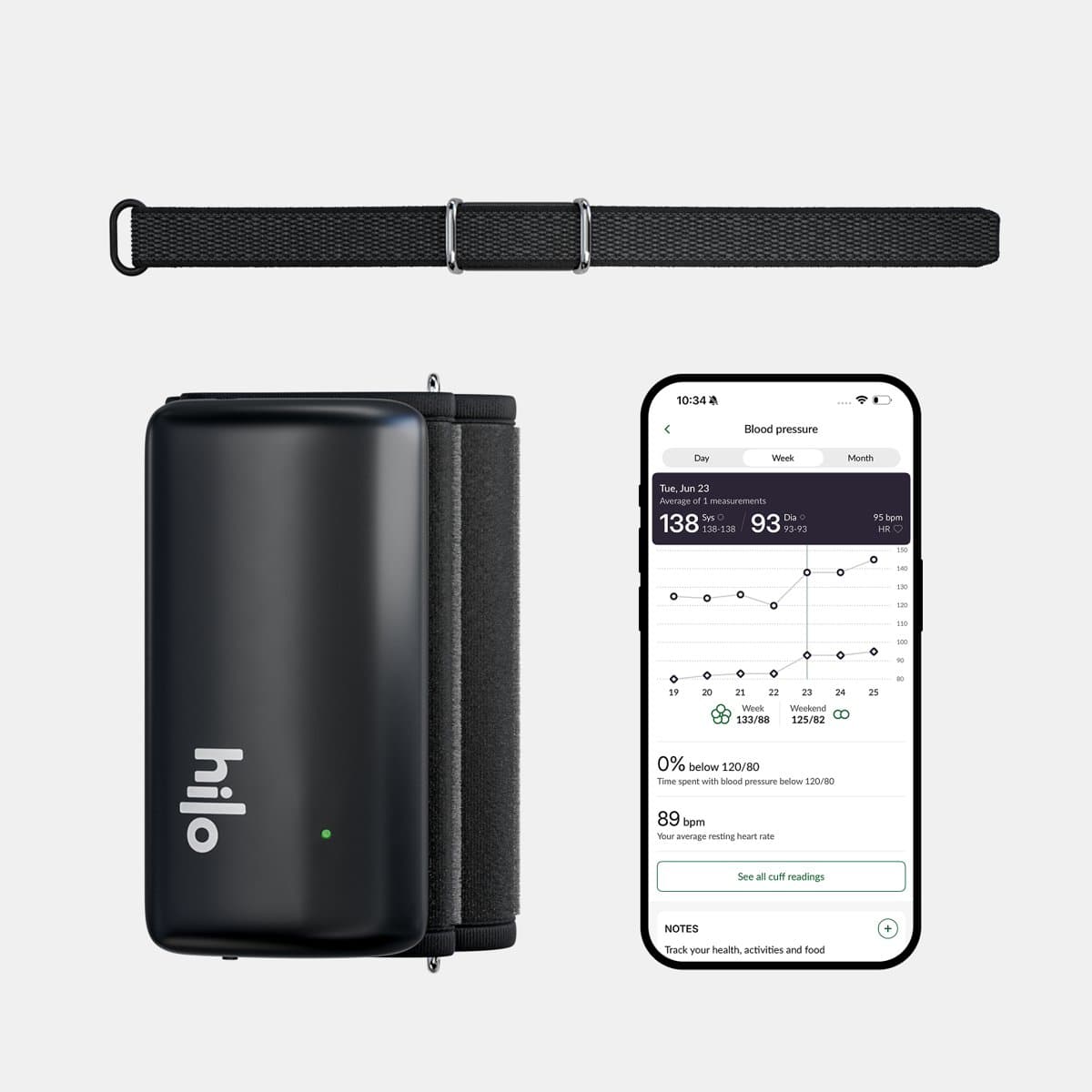
For trend tracking, all premium wearables (Oura, Whoop, Apple Watch, Garmin) are accurate enough - directional changes in your HRV trend are reliable signals. For absolute HRV numbers compared across devices, expect 10-25% variance - Oura tends to read higher than Whoop on the same person. Use one device consistently and track your own baseline rather than comparing absolute values across friends or platforms.
The Longevity Gear Buyer's Checklist
The specs that actually decide whether a sauna, cold plunge, red light panel, or smart ring is worth it, plus the real price range for each. Get the free PDF, plus one weekly email on the gear worth buying.
Prefer to shop by who you are rather than by category? Try our buyer-intent collections.