Lifespan Vault earns an affiliate commission when you buy through links on this page, at no extra cost to you. It does not change our rankings or our verdicts. As an Amazon Associate, Lifespan Vault earns from qualifying purchases.
QUICK VERDICT
The wearable that turned sleep and HRV into a daily score - and the one most longevity people actually wear.
Price: $399 to $499 (brand list price; see the live price on Amazon) · Verified: 2026-08-28 · Editor score: 8.8/10 (how we rank)
The wearable that turned sleep and HRV into a daily score - and the one most longevity people actually wear.
Gen 4 is incremental, not revolutionary, and that's the point. Oura already won the ring-tracker category; the job here was to keep the lead.
It's thinner than Gen 3, the sensor stack is more accurate at low temperatures (which mattered for cold-plunge recovery readings - see what they did there), and the battery now stretches to 8 days. The app added meaningful AI-driven insights, including a daily readiness explanation that finally tells you *why* your number is what it is.
The big competitive question in 2026 is whether Ultrahuman's no-subscription model finally pulls share. Ours read: not yet. Oura's accuracy lead on sleep staging plus the depth of the historical dataset (most users have 3-5 years of trends) keeps switching costs high. Whoop is the alternative for athletes; Oura is for everyone else.
Anyone serious about sleep, HRV, and daily readiness who wants the longest-running, most-validated ring on the market.
You hate subscription pricing (try Ultrahuman), or you're an elite athlete who needs strain-coaching depth (try Whoop).
Pros
- Deepest peer-reviewed validation of any consumer sleep tracker, including independent studies against polysomnography, so the sleep-stage data is best-in-class for a ring form factor
- Week-plus battery per charge, the longest-lasting Oura yet per the brand, which removes battery anxiety for a passive all-day and overnight wearable
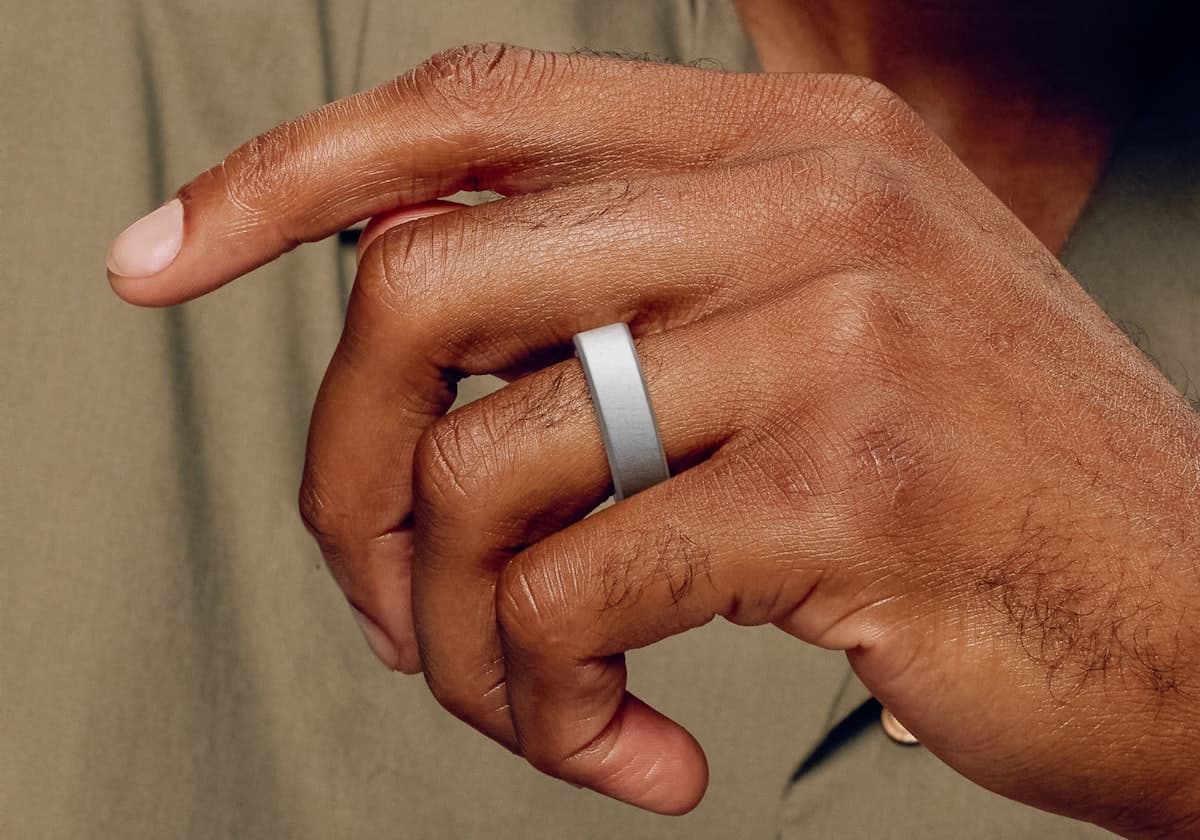
- The smallest Oura hardware yet, in six finishes, with the sensor stack the Gen 4 retuned for accuracy at low temperatures carried forward, which matters for cold-exposure and recovery readings
- Multi-year historical dataset (most users have 3-5 years of trends) plus new AI-driven daily readiness explanations that tell you why your score is what it is
- Water-resistant to 100m and rated for cold plunges, saunas under 100C, showering, and swimming, so it survives a full recovery routine
- Titanium build in sizes 6-13, the most mature app and ecosystem in the category, and the ring most longevity users actually wear day to day
Cons
- Full insights are gated behind a separate Oura Membership ($5.99/mo or $69.99/yr), so the true cost is the ring plus a recurring bill and the raw scores alone are far less useful
- The ring itself runs $399-499 by finish before that membership, making it one of the pricier entries once you add a year or more of subscription
- No glucose tracking and no wrist-screen convenience, so it is a passive tracker rather than an all-in-one device, and athletes wanting live strain coaching will find Whoop more opinionated
- Some users report mild cosmetic discoloration of the ring metal after prolonged sauna use
Specifications
Most often compared with
Featured in these curated stacks
We’ve included this product in 5 editorial bundles - groupings of 4-7 items that work as a system.
Where this fits
Oura Ring 5 cross-shops across several editorial surfaces on this site: the full brand catalog, the buyer-intent tags this item carries, the price band it qualifies for, the execution playbooks that use it and the in-depth guides for its category.
Oura Ring 5 - buyer FAQ
Is the Oura Ring 5 worth the $5.99/mo subscription?
For most users in the longevity stack, yes. Without the membership the ring shows you raw scores but loses the AI-driven insights, daily readiness explanations, deep sleep-stage analysis, and the trend dashboards that make the data actionable. If you want passive tracking with zero recurring cost, Ultrahuman Ring AIR is the credible alternative; if you want the AI coaching layer on top of the data, the Oura membership is the right pick.
How does the Oura Ring 5 compare to Whoop 5.0?
Oura is a passive ring optimized for sleep and HRV tracking; Whoop is a wrist band optimized for athletic strain coaching. Oura wins for general longevity readers focused on recovery and sleep architecture. Whoop wins for athletes who need real-time strain monitoring during workouts and explicit "should I train today?" coaching. Different use cases, both legitimate.
Is the Oura Ring accurate for sleep staging?
Oura has the most peer-reviewed validation of any consumer sleep tracker, including independent studies comparing it to polysomnography. Sleep-stage accuracy is best-in-class for a ring form factor, though no consumer device matches a clinical sleep lab. Gen 4 improved the sensor stack at low temperatures, which mattered for cold-plunge recovery readings.
Does the ring need to be charged often?
Gen 4 hits 8 days of battery life per charge, up from 6-7 days on Gen 3. Most users top it off during a daily shower or routine break - the dock charges quickly. Battery anxiety is a non-issue at this stage.
How does it handle cold plunges, saunas, and showering?
Water-resistant to 100m and rated for cold plunges, saunas (under 100°C), showering, and swimming. The Gen 4 temperature sensor was specifically retuned for cold-exposure tracking. Some users report mild discoloration on the ring metal after prolonged sauna use - cosmetic only.
Oura Ring 5
$399 to $499 (brand list price; see the live price on Amazon) · Verified 2026-08-28
Shop Oura →