If you have $5-15K to invest in one piece of contrast-therapy hardware, the choice between a cold plunge and a sauna is genuinely difficult - both have credible research, both are real lifestyle commitments, and both can either compound into a daily habit or sit unused after the first 30 days.
We've watched a lot of buyers make this decision over the past year. The ones who picked correctly all answered three questions before they bought. The ones who regret their purchase usually got at least one wrong.
Question 1: What's your baseline sleep look like?
If your Oura or Whoop data shows you're consistently sleep-deprived (under 6.5 hours, low deep-sleep duration, low overnight HRV), buy the sauna first.
The reason: a cold plunge is sympathetic activation. It spikes cortisol, increases dopamine, and produces the alert-after-cold effect that makes morning plunges so popular. For someone with chronic sleep debt, that sympathetic activation compounds the problem - it doesn't help you recover, it just papers over the deficit with stress hormones.
A sauna is the opposite. Heat stress is followed by parasympathetic recovery. Heart rate variability typically improves within 30-60 minutes post-sauna. For someone with sleep deprivation, evening sauna sessions consistently improve sleep onset and depth in their tracking data within 2-3 weeks.
If your sleep is fine (Oura readiness consistently in green, deep sleep over 90 minutes), this question is a tie. Move to Question 2.
Question 2: What's your housing situation?
Cold plunges and saunas have very different installation profiles. If you don't think about this before you buy, you'll regret one of them.
Cold plunges:
- Need standard 110V (some 220V) outlet. Most apartments work.
- Need flat, weight-bearing surface. ~700-1,200 lbs filled. Most balconies do not work; most patios do.
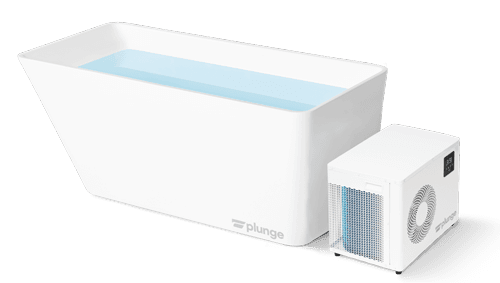
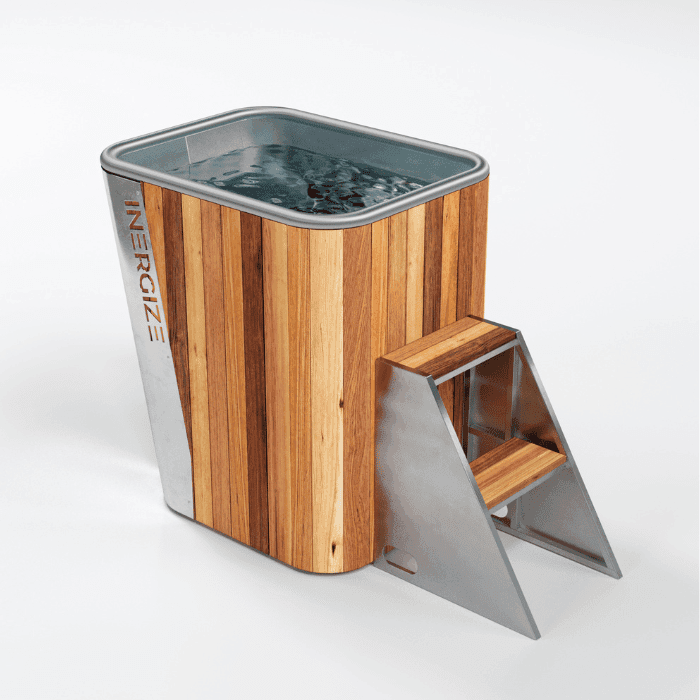
- Outdoor-rated tubs (Plunge Pro, Inergize Cold Plunge) handle 4-season weather.
- Indoor install needs drainage proximity for water changes.
- Apartment-friendly options exist (smaller chillers + barrel tubs). Not all setups, but workable.
Saunas:
- Most cabin saunas need 240V - this is the expensive electrician install ($400-1,200).
- Need ~6.5 ft ceiling clearance and 3'x4' floor footprint minimum.
- Outdoor saunas (Sun Home Luminar Outdoor, Almost Heaven) need a deck or pad.
- Sauna blankets (HigherDose) work in any apartment but are a meaningful step down from a real cabin.
If you're in an apartment, the practical answer is: cold plunge wins. Most apartments can fit a tub on a balcony or in a corner; almost no apartment can install a real sauna. (HigherDose blanket is a fine compromise - it's just not the same product.)
If you have a basement or backyard, both work. The install economics favor the plunge slightly (no electrician needed for 110V models), but the difference is small enough that it shouldn't drive the decision.
Question 3: What time of day will you actually use it?
This is the question that catches most buyers off guard. Both cold plunges and saunas only work if you actually use them daily - and the time-of-day fit matters more than people expect.
If you're a morning person, a cold plunge is the conservative-correct pick. The dopamine spike from cold exposure is the most reliable wake-up tool in the longevity-hardware category. 3-5 minutes at 39°F replaces about two cups of coffee. The pattern stacks well with most morning routines.
If you're an evening person, a sauna is the right call. Post-sauna parasympathetic activation pairs with sleep onset. Most sauna users report the deepest, most consistent sleep on nights they used the sauna 60-90 minutes before bed.
Mixed-schedule users (varied wake times, frequent travel, kids' schedules) should think hard about which they'll actually use 4x per week. The wrong-time-of-day product becomes the unused product. Cold plunges work morning OR evening; saunas really only work evening for most people.
The honest answer most buyers don't want to hear
If you can swing both, you should buy both. The contrast protocol (3-5 minutes hot → 1-2 minutes cold → repeat 2-3x) is genuinely the highest-leverage hour you can spend on cardiovascular and recovery work outside a clinical setting. The Inergize Spire Elite + Sun Home Luminar Outdoor combo is what we recommend in the CEO Recovery Stack for exactly this reason.
But for a first-time buyer with one $5-15K decision to make, default to the answer the questions point to. If sleep is your weak link, buy the sauna. If you're an apartment dweller, buy the cold plunge. If you're a morning-routine person, buy the cold plunge.
The product itself matters less than the fit.
- Ryan, Founder
The products this post references


The Longevity Hardware Buyer's Guide
120+ products vetted across 12 categories - wearables, saunas, cold plunge, diagnostics and more. Get the free PDF, plus one weekly email on the gear actually worth buying.