Lifespan Vault earns an affiliate commission when you buy through links on this page, at no extra cost to you. It does not change our rankings or our verdicts. As an Amazon Associate, Lifespan Vault earns from qualifying purchases.
Most people who get serious about longevity for the first time make the same mistake: they buy a $20K sauna they'll use four times. The problem isn't the sauna - it's that they bought it before they had a baseline, before they knew which interventions they'd actually stick with, and before they understood what data the rest of their stack would need to work.
This is the stack we'd build for someone with $3,000 to spend who wants to actually start tracking instead of just collecting hardware. Every pick has a published evidence base. Every pick has a sub-$1,000 entry point (with one exception). Every pick has an upgrade path you can take when budget permits.
We've recommended this exact sequence to maybe two dozen people over the past year. The common feedback: the order matters as much as the selection.
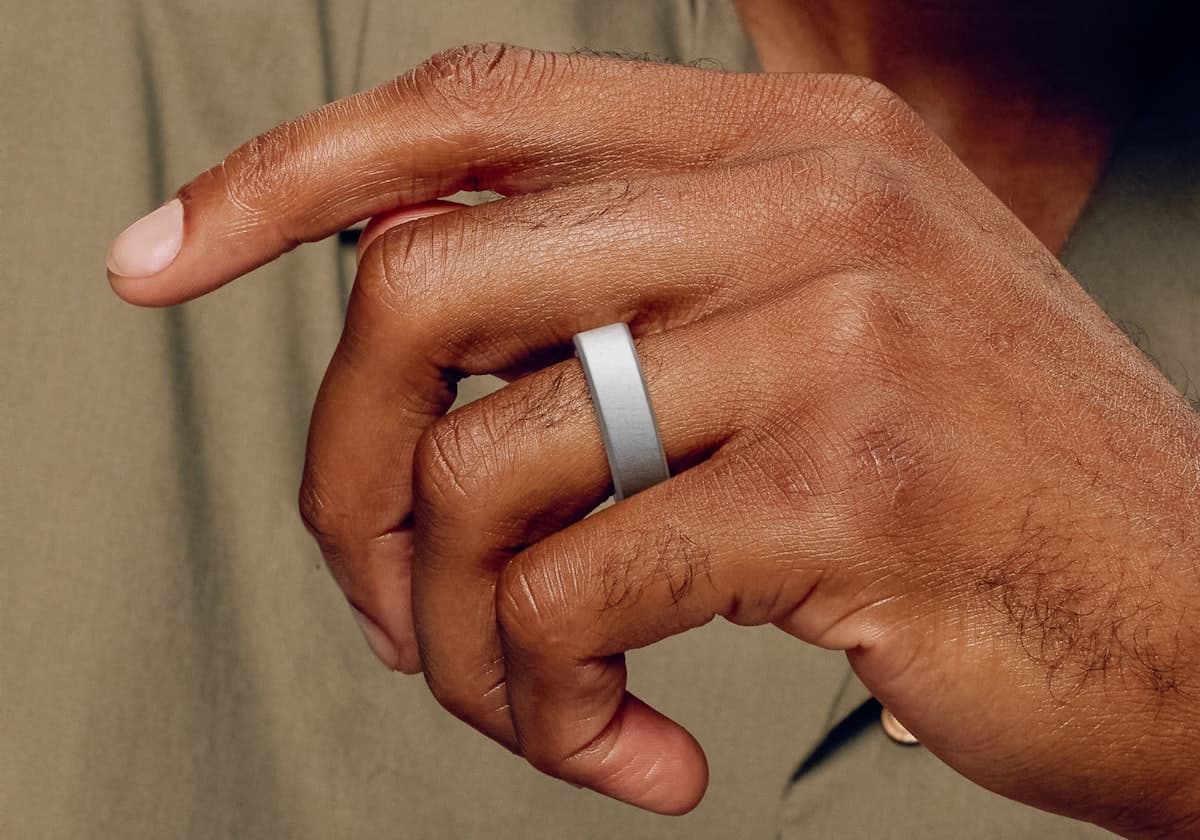
Step 1: Continuous biometrics - Oura Ring Gen 4 ($349)
The single most important purchase in this stack. Without continuous data, every other intervention you make is a guess. Sleep, HRV, body temperature, and readiness in a $349 ring with no monthly fee (the membership is optional and unlocks AI insights - most users keep it but you can run the basic ring forever).
Why Oura over Whoop or Ultrahuman? For longevity-stack buyers specifically, the temperature trend signal is the killer feature. Body-temperature tracking is one of the cleanest windows into thyroid, hormone, and recovery shifts - Oura is the only consumer ring tracking it continuously with the depth this category needs. Read our Oura Ring Gen 4 review for the full breakdown.
The job: collect 30-60 days of baseline data before you start changing anything. You can't measure improvement against a baseline you don't have.
Step 2: Red light exposure - Hooga HG500 ($399)
The most underrated dollar-for-dollar pick in the longevity hardware market. Real 660nm + 850nm dual-wavelength output, irradiance verified by independent reviewers, half-body coverage, FDA Class II registered, 3-year warranty. Everything the $2,800 Joovv Solo does - at less than 1/4 the price.
We won't pretend the Hooga has the EMF readings or build quality of a Joovv Elite. It doesn't. But for a first red light panel where you're testing whether daily exposure becomes a habit, it's the right starting point. Most users who upgrade from Hooga to Joovv after 6-12 months report that the protocol worked at both tiers - they just wanted the brand quality at the upgrade.
The job: 5-15 minutes of skin exposure 4x per week, ideally on a torso/back zone where you have the most surface area.
Step 3: Sleep mask - Manta Sleep Mask Pro ($55)
The most underrated 1% intervention in the entire longevity space. Black-out sleep is the highest-leverage sleep change you can make, and most people massively underestimate how much indirect light leaks past their eyelids even with blackout curtains.
The Manta Pro's eye-cup design (zero pressure on the eyeballs) is the right pick for everyone - flat masks press on your eyes and disrupt REM sleep. If you upgrade nothing else in your sleep setup, upgrade your mask.
The job: wear it every night for 14 days. Your Oura data will tell you whether it worked. For most users, deep sleep duration ticks up within a week.
Step 4: Baseline blood panel - InsideTracker ($300)
A real lab panel with longevity-specific markers (ApoB, hsCRP, fasting insulin, hormones, vitamin D) interpreted in your context. Not a substitute for a primary-care relationship, but the right starting line for someone who hasn't pulled labs in 2+ years.
InsideTracker's algorithm is opinionated - it tells you specifically which 3-5 things to focus on instead of generic ranges. For first-time longevity buyers, that's exactly what you want. The alternative for buyers wanting clinician-led interpretation is Marek Health, but Marek is meaningfully more expensive and assumes you're starting a protocol.
The job: pull labs once now (baseline), then again at 6 months. The delta is what tells you whether the rest of the stack is working.
Step 5: Recovery tool - Therabody Theragun PRO Plus ($599)
Recovery tool with the broadest daily-utility footprint in the category. Better than ice packs, better than foam rollers, used 3x/week for 5 minutes adds up to ~13 hours of myofascial work per year - at zero ongoing cost.
The PRO Plus is overkill for most users, honestly. The cheaper Theragun Prime ($299) does 80% of what the PRO Plus does. We recommend the PRO Plus because the build quality holds up over 5+ years - most cheaper massage guns die within 18 months. If budget is tight, swap to Prime and save $300.
The job: post-workout, evening, or before any sleep block. 3-5 minutes per major muscle group.
Total: ~$1,700
That leaves $1,300 of the $3K budget unspent - and that's intentional. Most beginners try to spend the entire budget at once and end up with three pieces of gear they don't use. The right move is: deploy these five items, run them for 60-90 days, and only then decide what your next purchase should be.
The natural Round 2 picks are usually:
- Cold plunge if you've been stretching with the daily ice-bath protocol → see our Best Cold Plunges 2026 guide
- Sauna (or sauna blanket) if your Oura HRV data shows you're consistently under-recovered → see our Best Infrared Saunas 2026 guide
- Eight Sleep if your sleep data plateaus despite the Manta mask doing its job
The honest framing: the order in this article matters more than the brands. Track first (Oura), expose to red light (Hooga), fix your sleep environment (Manta), pull labs (InsideTracker), recover daily (Theragun). Run that for 90 days. Then come back and we'll talk about Round 2.
If you want a more curated build, the Longevity Starter Stack page has the full breakdown with rollout sequencing.
- Ryan, Founder
The products this post references


The Longevity Gear Buyer's Checklist
The specs that actually decide whether a sauna, cold plunge, red light panel, or smart ring is worth it, plus the real price range for each. Get the free PDF, plus one weekly email on the gear worth buying.