Lifespan Vault earns an affiliate commission when you buy through links on this page, at no extra cost to you. It does not change our rankings or our verdicts. As an Amazon Associate, Lifespan Vault earns from qualifying purchases.
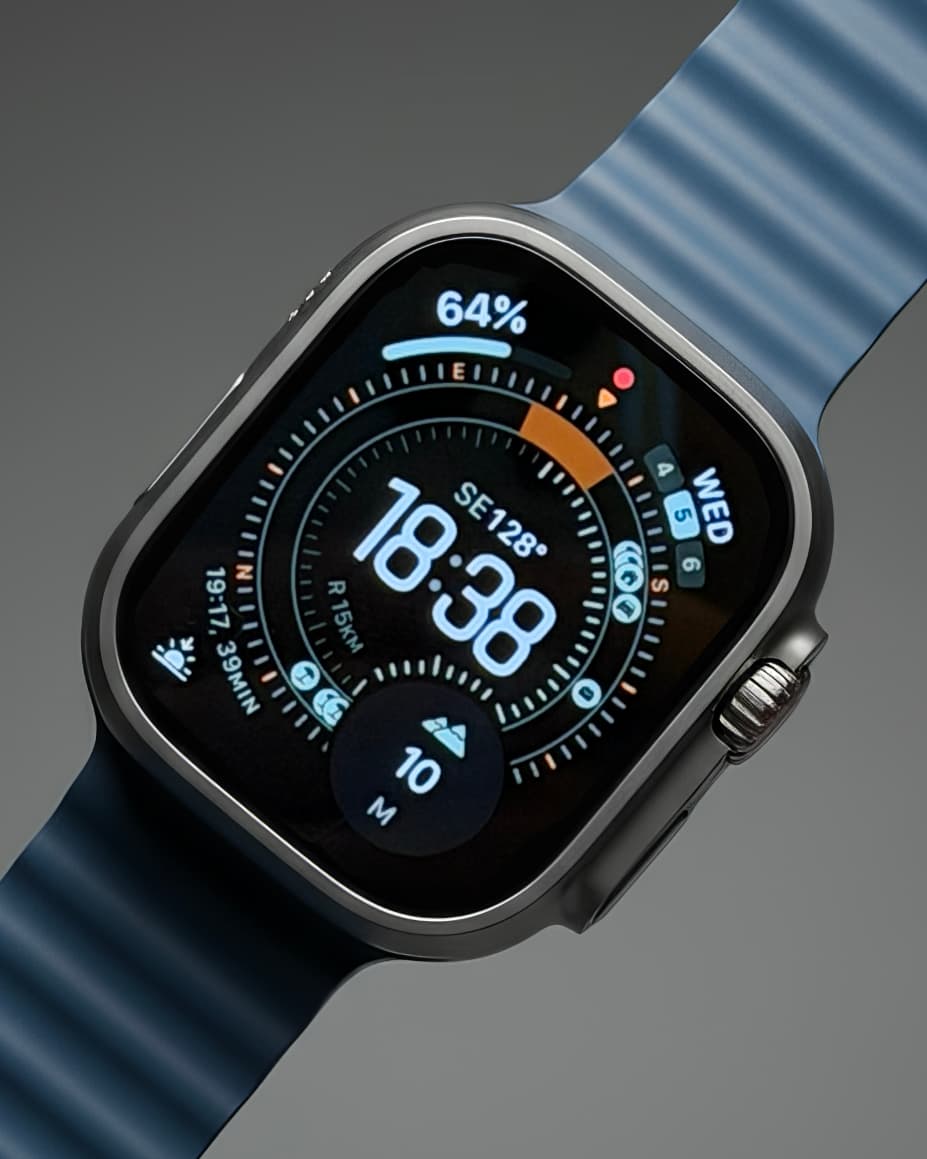
The Apple Watch is the world's best-selling smartwatch and a credible health tracker. It tracks sleep, HRV, body temperature, and ECG. For most casual users, it's perfectly sufficient.
But almost nobody we know who's serious about longevity tracking wears an Apple Watch as their primary sleep device. Here's why - and what they wear instead.
The wrist problem
The biggest issue with Apple Watch sleep tracking isn't the sensor - it's the form factor. A wrist-worn device is dramatically more disruptive to sleep than a ring. The case presses against the bed during side sleeping. The display lights up when you move. The strap creates pressure points that wake light sleepers.
Most Apple Watch wearers sleep with the watch on for a few weeks, then quietly stop. The data fragments, the trends become unreliable, and you end up with a sleep tracker that only tracks the nights you remembered to wear it.
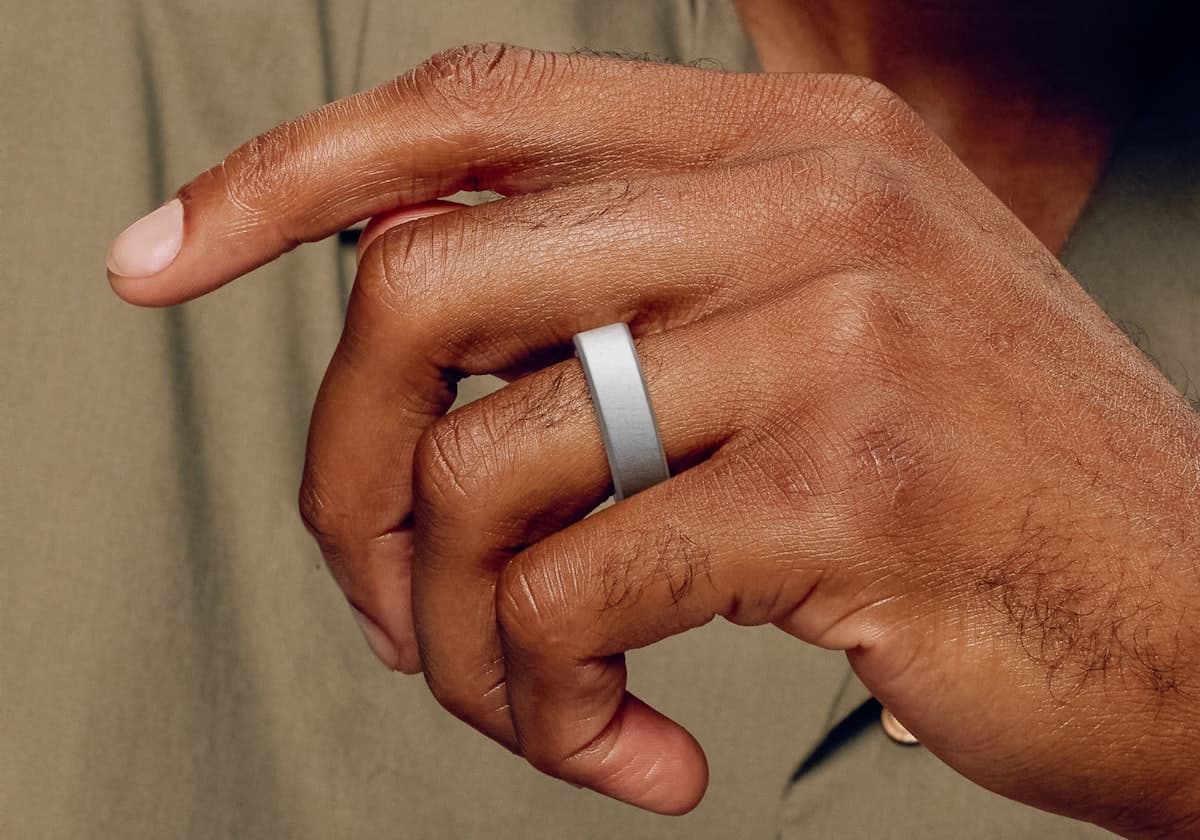
A ring (Oura, Ultrahuman) doesn't have this problem. You wear it 24/7 because there's no reason to take it off - it's the size of a wedding ring, it doesn't light up, and it doesn't press into anything. Compliance goes from 60% with an Apple Watch to >95% with a ring, and that compliance gap matters more than any sensor difference.
The accuracy gap
When the Apple Watch IS worn during sleep, it's usable for sleep duration but not great at sleep stage classification. Apple uses motion + heart rate to estimate deep sleep, REM, and light sleep - the same approach as most wrist trackers. The result is a directional read on sleep architecture, not a precise one.
Oura uses motion + heart rate + body temperature + heart rate variability to classify sleep stages. The temperature signal in particular gives Oura a meaningful accuracy edge - body temperature drops sharply during deep sleep and rises during REM, and Oura's continuous skin-temp tracking catches transitions Apple Watch's heart-rate-only model misses.
Independent comparisons consistently put Oura ~10-15% more accurate on sleep-stage classification than Apple Watch. For casual users that gap doesn't matter. For longevity-stack buyers building a protocol around HRV trends and deep-sleep duration, it does.
The HRV continuity problem
Heart rate variability is one of the most-cited recovery and autonomic-balance markers in the longevity literature. The Apple Watch tracks HRV, but only in spot measurements (during the breathing app, occasionally overnight). Oura tracks it continuously through the night - which is where the most-meaningful HRV data lives.
For a buyer building a longevity protocol around recovery monitoring, you need the continuous overnight HRV trend, not the spot reading. If you only see your HRV measured 3-4 times per night versus continuously, you miss the early-stage signals that distinguish good recovery from impending under-recovery.
Where the Apple Watch wins
The honest framing: Apple Watch isn't bad. It's the right tool for several jobs:
- Workout tracking - better than Oura, better than Whoop. GPS, heart rate during exercise, native Apple Fitness integration. If your priority is workout coaching, Apple wins.
- One-device users - if you want fitness, comms, payments, and credible health tracking on one wrist, Apple is the only legitimate answer.
- Notifications and ecosystem - nothing else integrates with Apple Health and the iOS ecosystem as deeply.
- AFib and ECG - the Apple Watch's medical-grade ECG and AFib detection are best-in-class for consumer wearables.
The right play for most longevity buyers is to wear both - Oura on the finger for 24/7 sleep + HRV continuity, Apple Watch Ultra 2 on the wrist for workouts + comms. We see this combo in maybe half the founder-tier longevity setups we've reviewed.
What about Whoop?
Whoop 5.0 sits between Apple and Oura. It's a wrist band but optimized for sleep wear (no display, soft strap, 14-day battery). Strain coaching is the killer feature - it tells you in plain English when you're under-recovered and should skip the workout.
For athletes specifically, Whoop is often the right pick. For pure longevity-tracking users (sleep, HRV, recovery - not training load), Oura is still the editor's pick. The wrist comfort gap matters more for sleep than the strain coaching matters for training.
The smart-bed alternative
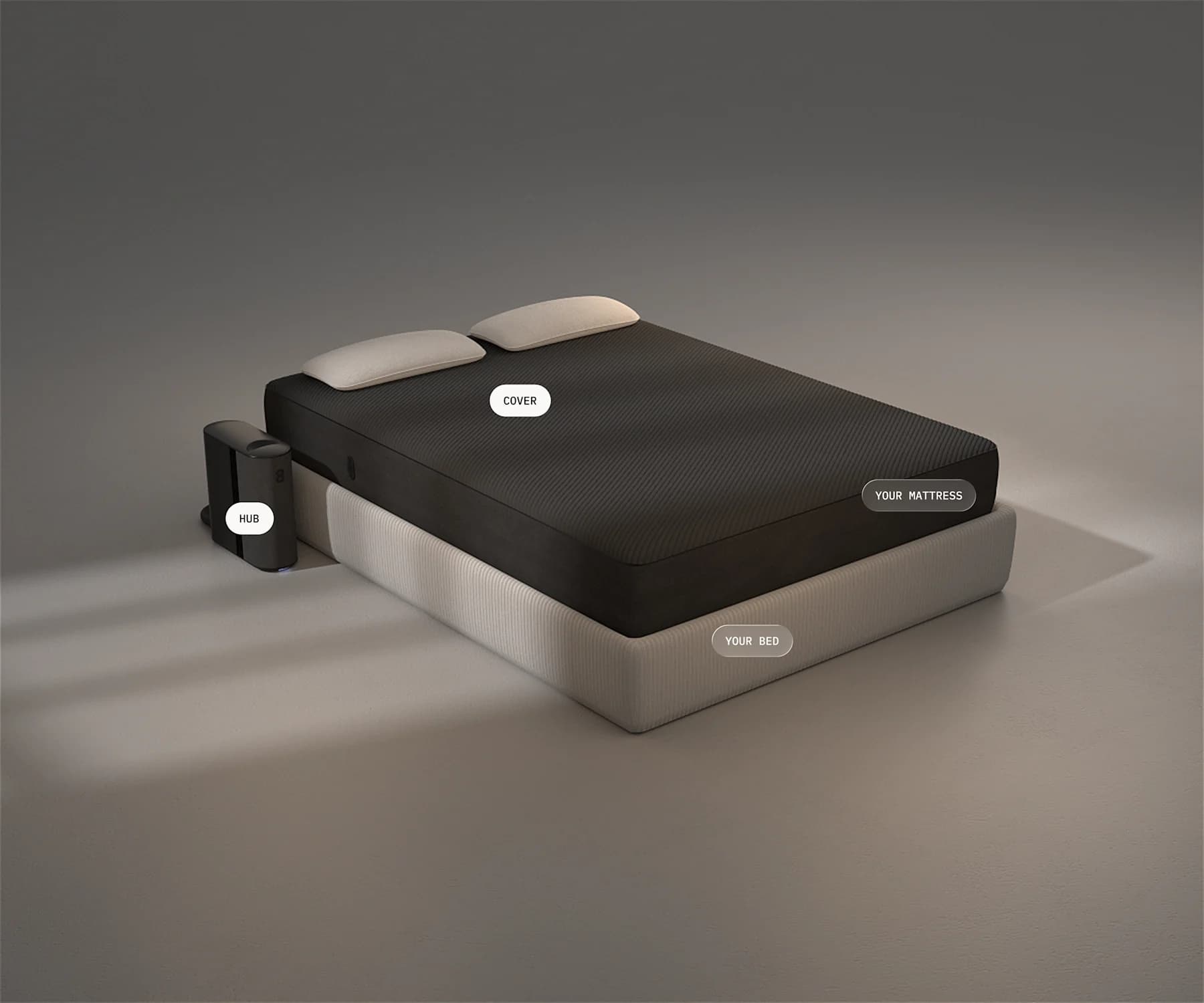
If you're already considering an Eight Sleep Pod 4 Ultra, one note: the Pod includes integrated sleep tracking via cover sensors, which gets you to ~90% of dedicated wearable accuracy on sleep stages and HRV without needing to wear anything. For some buyers, this lets you skip the Oura ring entirely and just wear an Apple Watch for daytime metrics.
The honest stack we'd build for a serious longevity buyer in 2026:
- Oura Ring Gen 4 for 24/7 sleep + HRV
- Apple Watch Ultra 2 for workouts + comms + GPS
- Eight Sleep Pod 4 Ultra if you can afford it (and want the AI temp regulation)
For everyone else, just don't expect Apple Watch sleep tracking to be the foundation of your longevity protocol. It's a great smartwatch with sleep features, not a great sleep tracker that also does smartwatch things.
If you're starting fresh and want our broader take on which wearable wins for which use case, the Best Longevity Wearables 2026 head-to-head guide breaks all five contenders down spec by spec.
- Ryan, Founder
The products this post references

The Longevity Gear Buyer's Checklist
The specs that actually decide whether a sauna, cold plunge, red light panel, or smart ring is worth it, plus the real price range for each. Get the free PDF, plus one weekly email on the gear worth buying.