Lifespan Vault earns an affiliate commission when you buy through links on this page, at no extra cost to you. It does not change our rankings or our verdicts.
Subscription fatigue is real. Oura Ring Gen 4 plus Membership runs $565-715 over 3 years. WHOOP's subscription model means you don't even own the hardware - cancel and lose access. For longevity buyers planning to track biometrics for years (not months), the recurring fee math compounds aggressively.
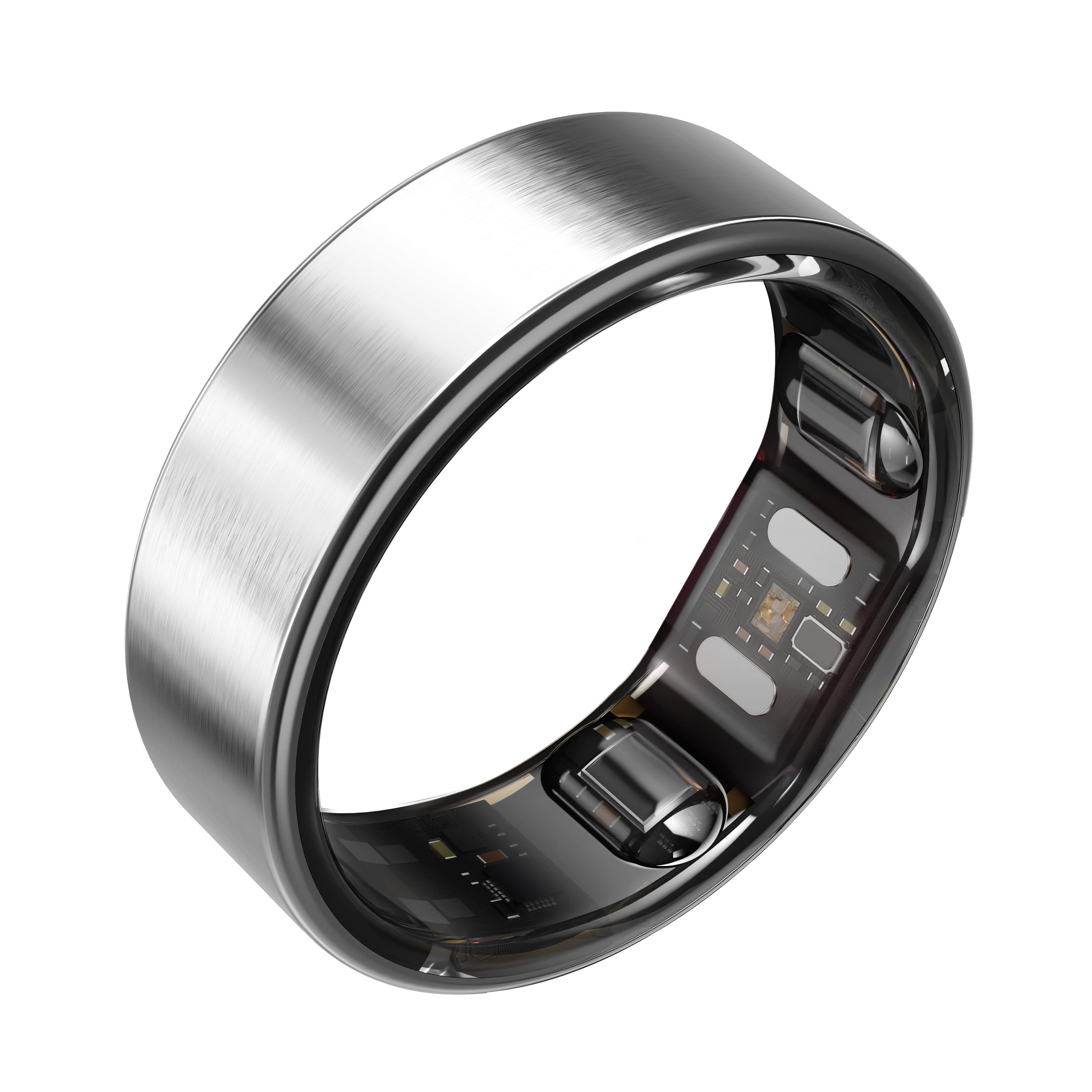
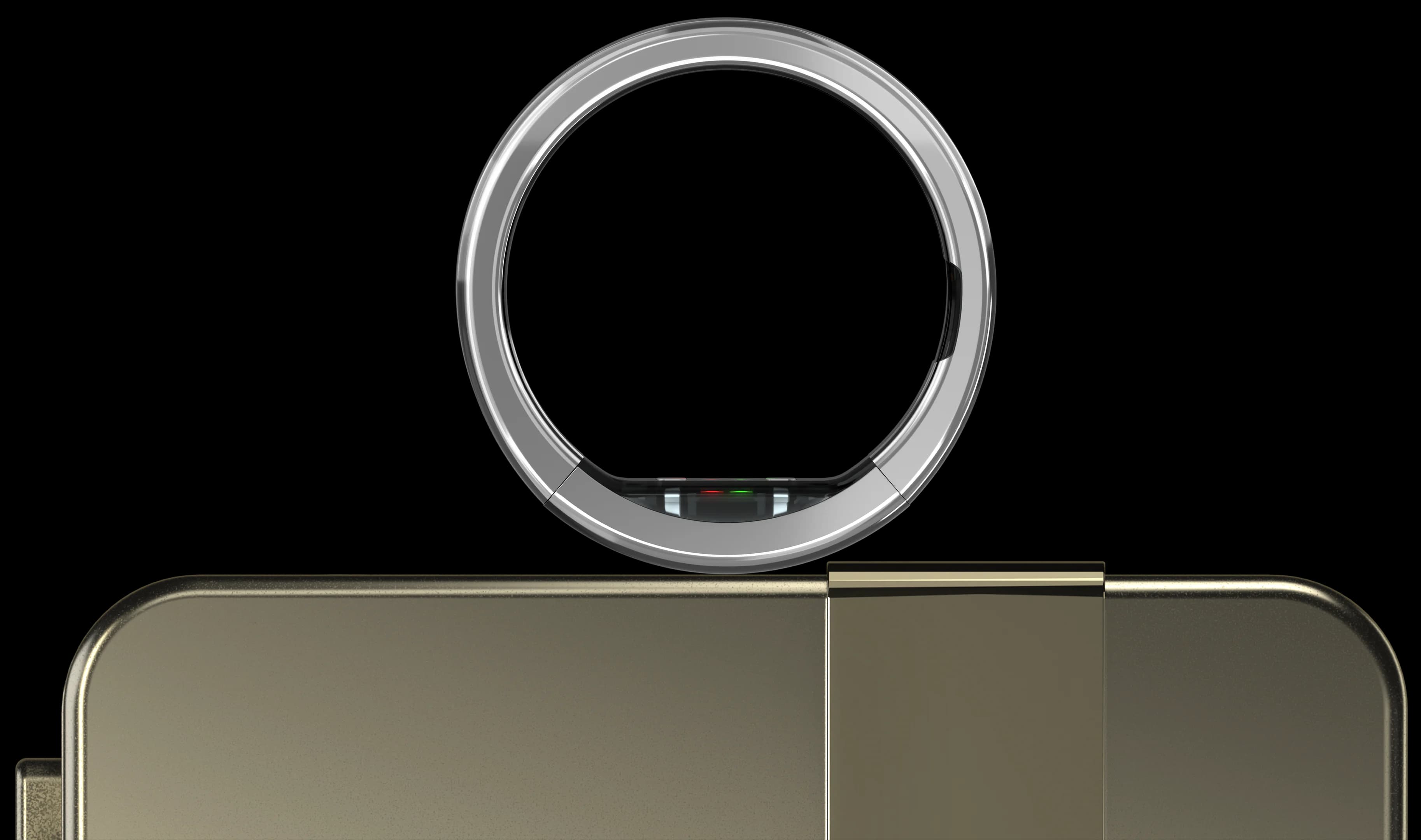
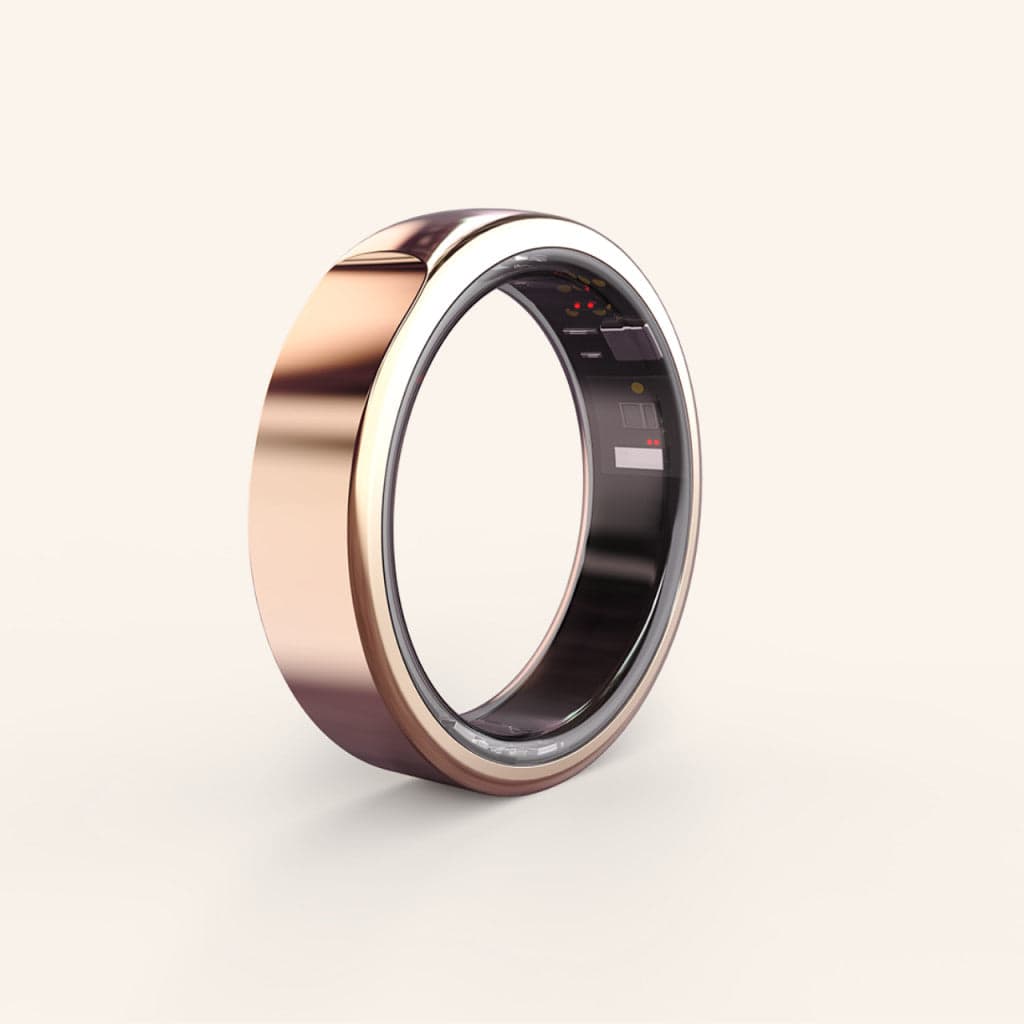
This collection covers the no-subscription alternatives. Omni Health Ring at $199 is the cheapest credible smart ring, with battery + included charging case for 15-21 days off-grid. Ultrahuman Ring AIR at $349-449 is the slightly more polished alternative. Ambrosia RIZZ adds non-invasive continuous glucose tracking in a ring form factor without sensor swaps.
The tradeoff vs Oura: less polished app, shorter brand history, less depth in cohort comparison data. The win: zero recurring fee + lower upfront cost + longer battery life on most picks. For buyers who plan to wear a ring for 5+ years, the no-subscription tier saves $500-1,000 over the full ownership window - money that's better deployed on the hardware-tier stack (cold plunge, sauna, red light panel) where the marginal capital actually moves outcomes.



Best No-Subscription Smart Rings & Wearables (2026) - buyer FAQ
Which smart ring has no subscription fee?
Three credible options: Omni Health Ring ($199, no recurring fee), Ultrahuman Ring AIR ($349-449, no recurring fee), and Ambrosia RIZZ ($399-599, no recurring fee - adds non-invasive continuous glucose). All three deliver core biometric coverage (sleep, HRV, SpO2, temperature, activity) without the $5.99/mo Oura Membership requirement. Omni is the cheapest entry; Ultrahuman is more refined; Ambrosia adds glucose data the others don't.
How does Omni Health Ring compare to Ultrahuman Ring AIR?
Both are no-subscription smart rings with similar biometric coverage. Omni at $199 is meaningfully cheaper but has a newer app and shorter brand history. Ultrahuman at $349-449 is more polished with better-refined insights. For first-time smart ring buyers prioritizing cost, Omni. For buyers who want the more mature no-subscription product and can absorb the price gap, Ultrahuman. Either is a credible choice over subscription-locked Oura.
How much do you save vs Oura over 3 years?
Oura Ring Gen 4 + 3 years of Membership runs $565-715 ($349-499 hardware + $69.99/year × 3). Omni Health Ring at $199 saves $370-515. Ultrahuman Ring AIR at $349-449 saves $116-366. Over 5 years, the gap widens further as Oura's subscription continues to accrue. For buyers planning to wear a ring 3+ years, the no-subscription tier compounds meaningful savings.
Are no-subscription rings as accurate as Oura?
Within reason - yes. The biometric sensor stack (red + infrared LEDs for SpO2, accelerometers for activity, skin temperature) is similar across modern smart rings. Where Oura wins: brand maturity, app polish, longer-running cohort data, and validated clinical-research partnerships. Where no-subscription rings win: cost, no recurring fee, often longer battery life. For most longevity-stack buyers tracking trends rather than absolute precision, no-subscription rings are accurate enough.
The Longevity Gear Buyer's Checklist
The specs that actually decide whether a sauna, cold plunge, red light panel, or smart ring is worth it, plus the real price range for each. Get the free PDF, plus one weekly email on the gear worth buying.