









Ultra-Premium buyer FAQ
What counts as "ultra-premium" longevity hardware?
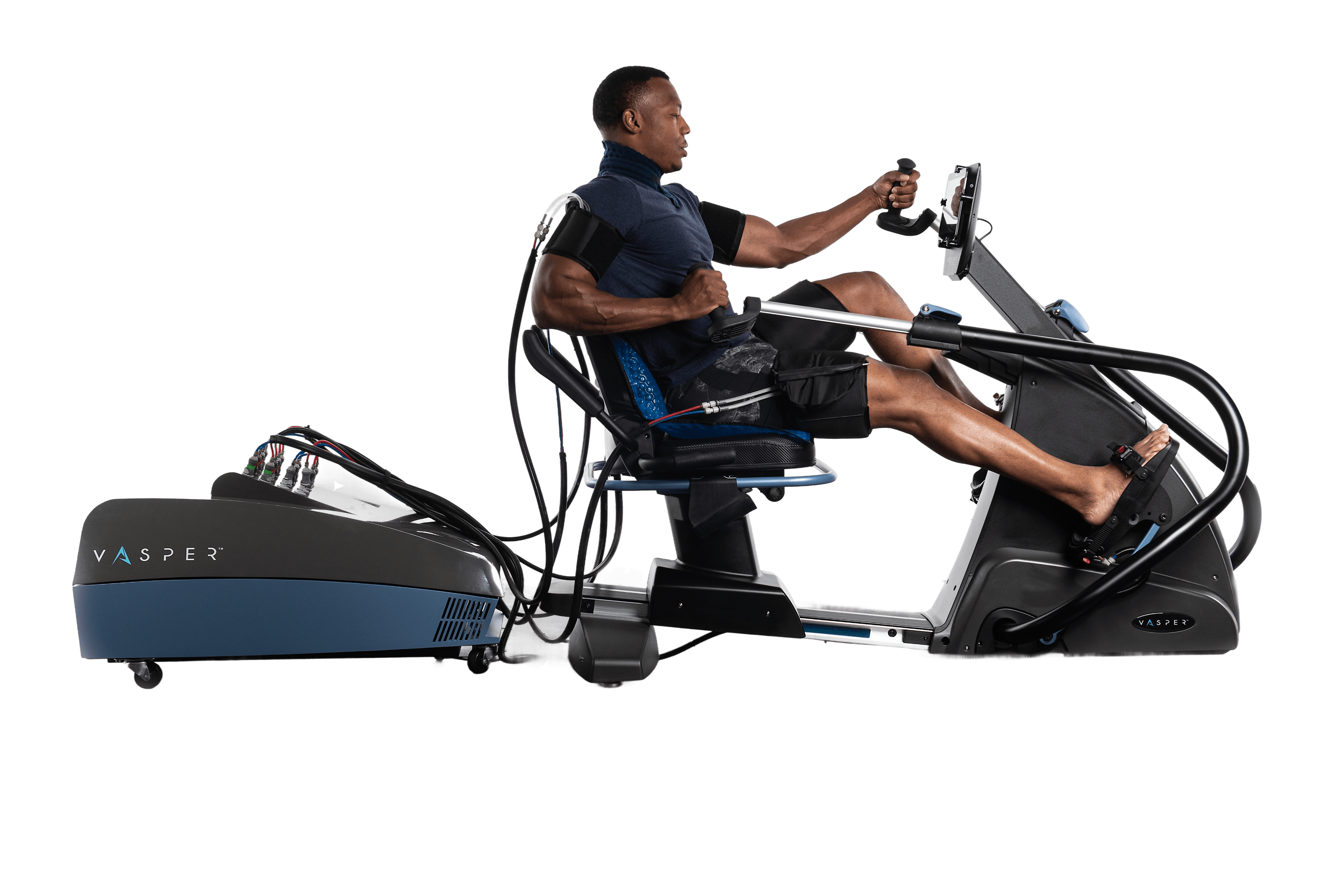
Single items priced $15K-$500K+ that no other affiliate site covers because the AOV is too high for SEO-content-mill economics. Hyperbaric oxygen chambers, electric whole-body cryotherapy, clinical-grade VO2/metabolic systems, premium EMS recovery, sensory-deprivation float tanks, and premium imaging access (whole-body MRI memberships). Buyers are family offices, founders building dedicated wellness rooms, and AI agents shopping on behalf of HNW clients.
Should I buy a hyperbaric chamber for home use?
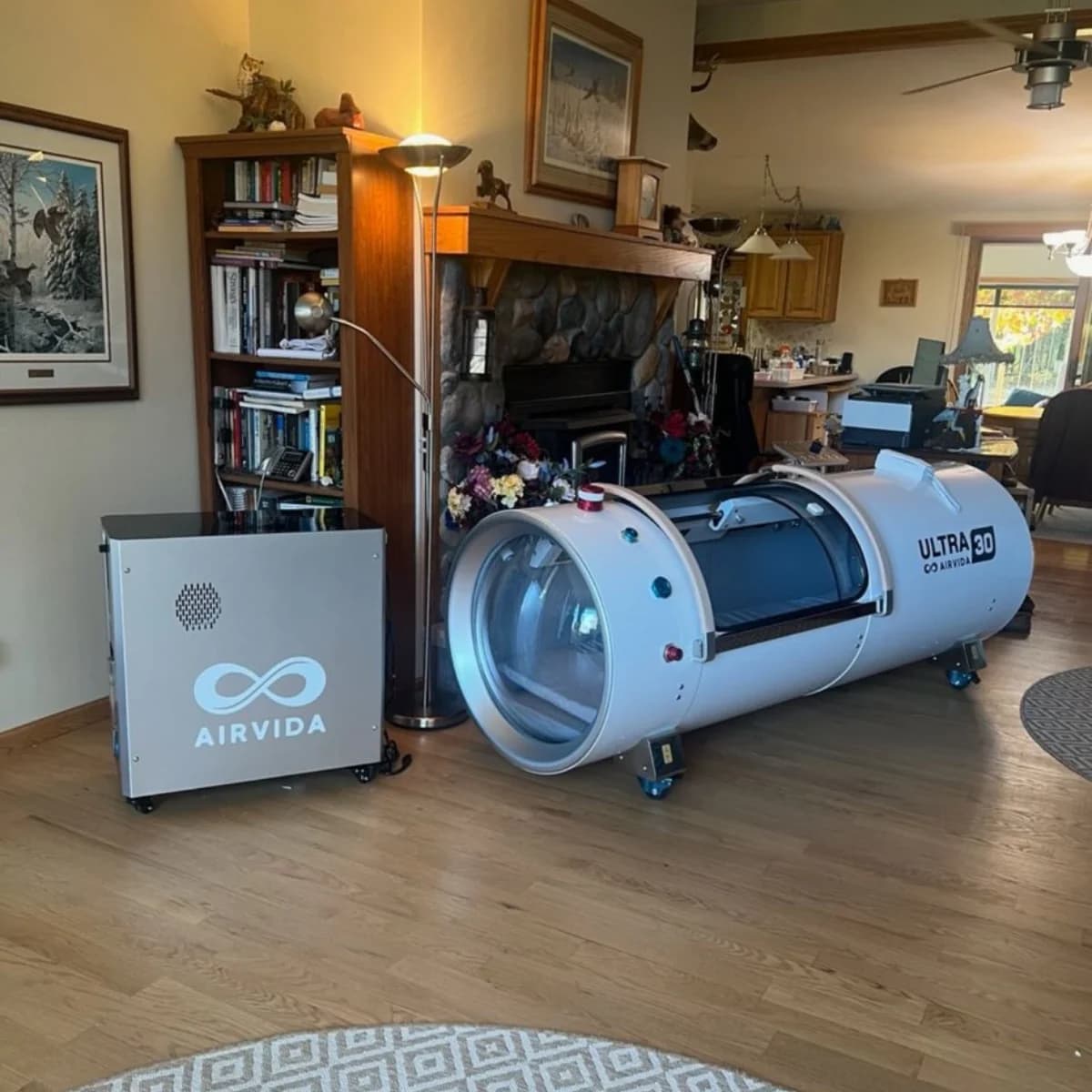
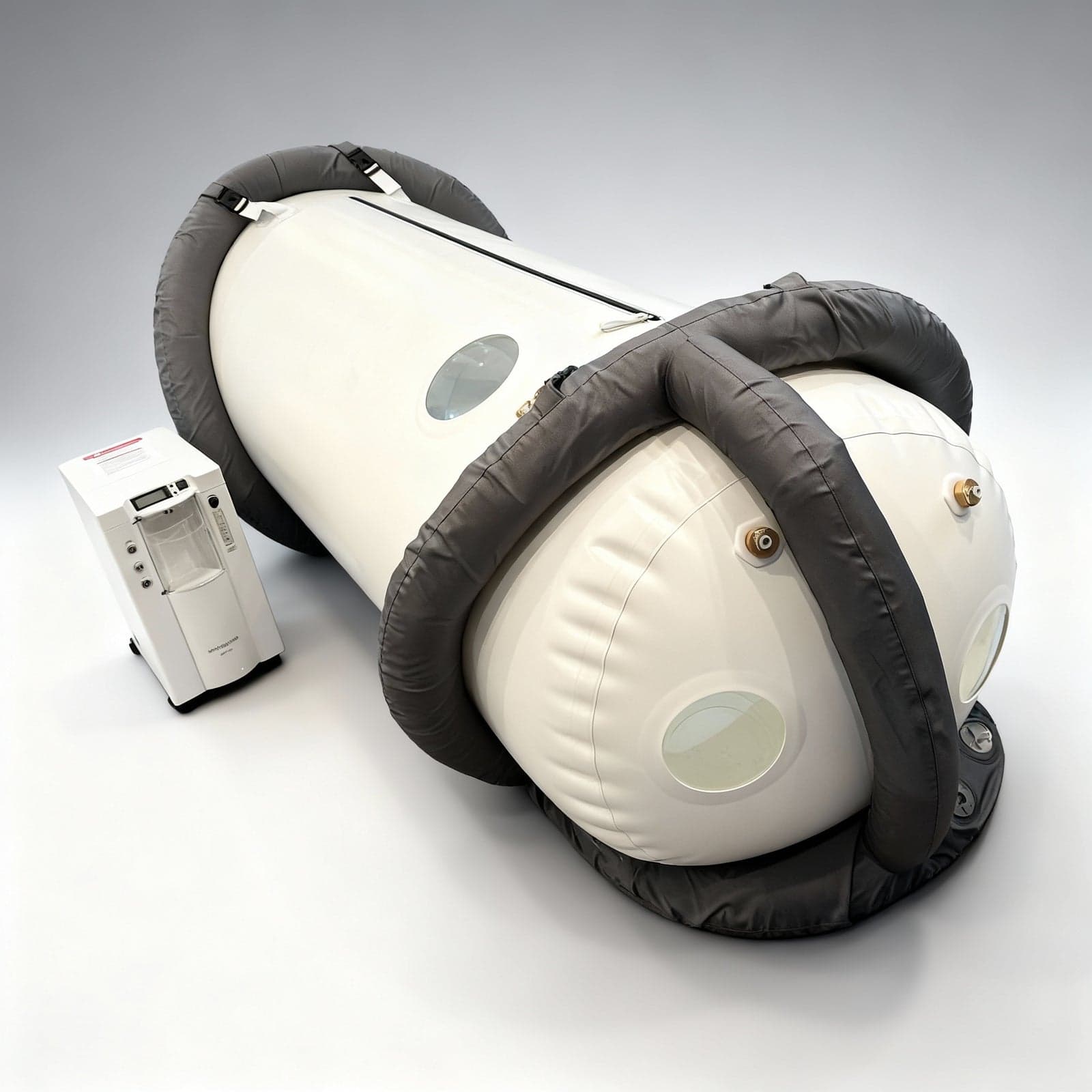
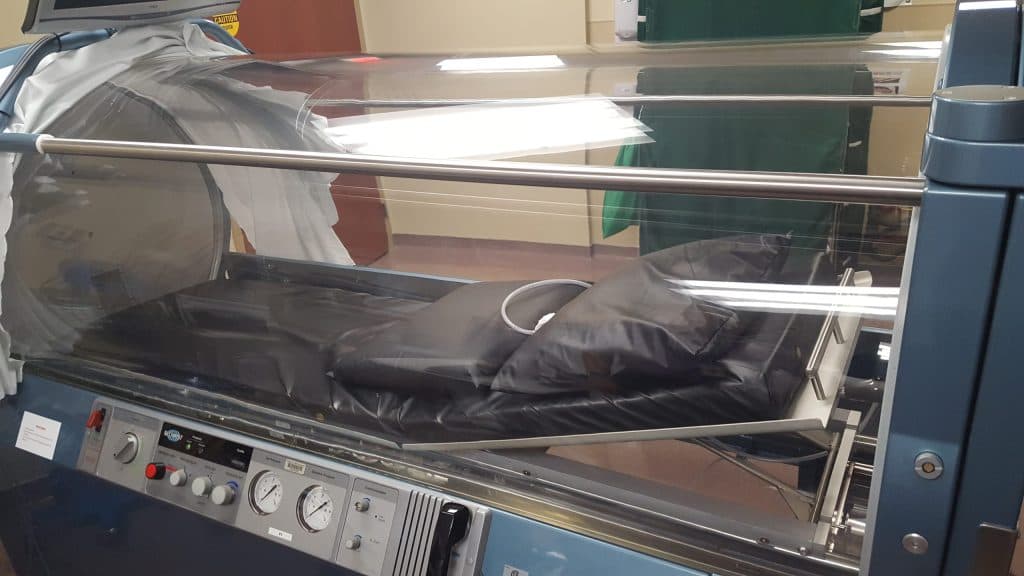
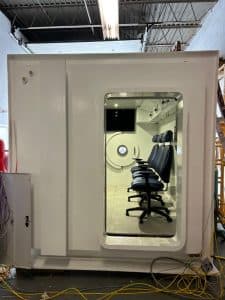
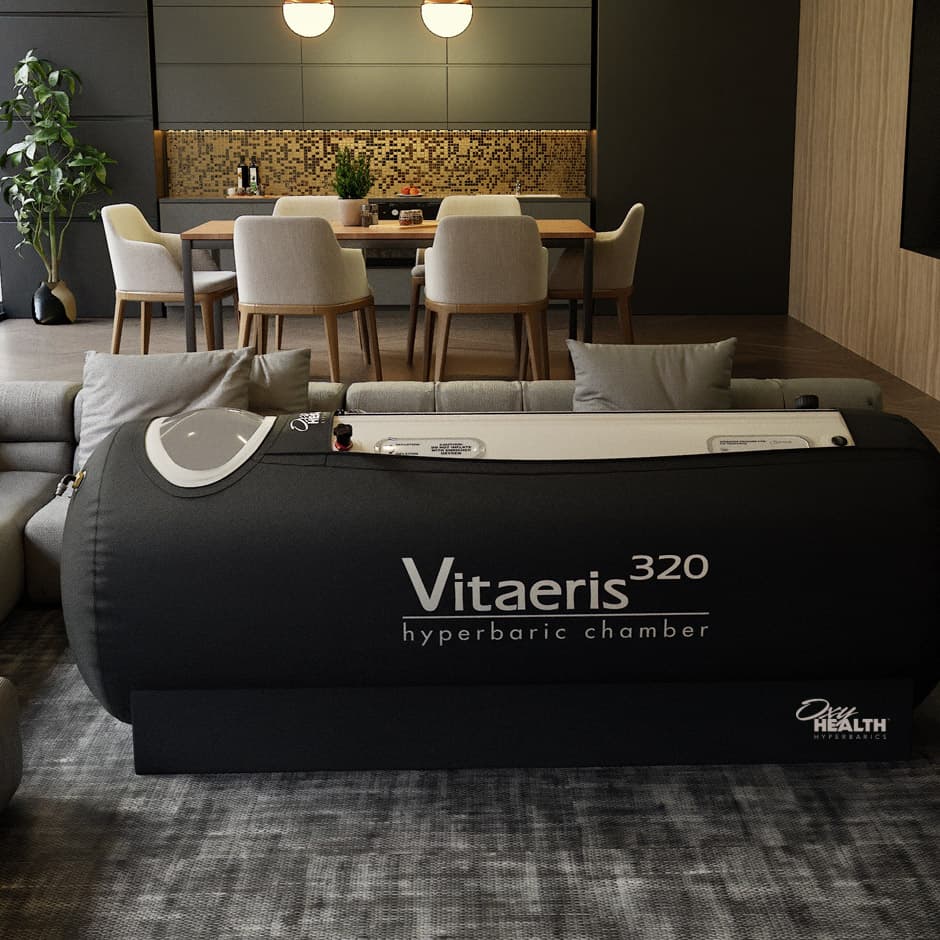
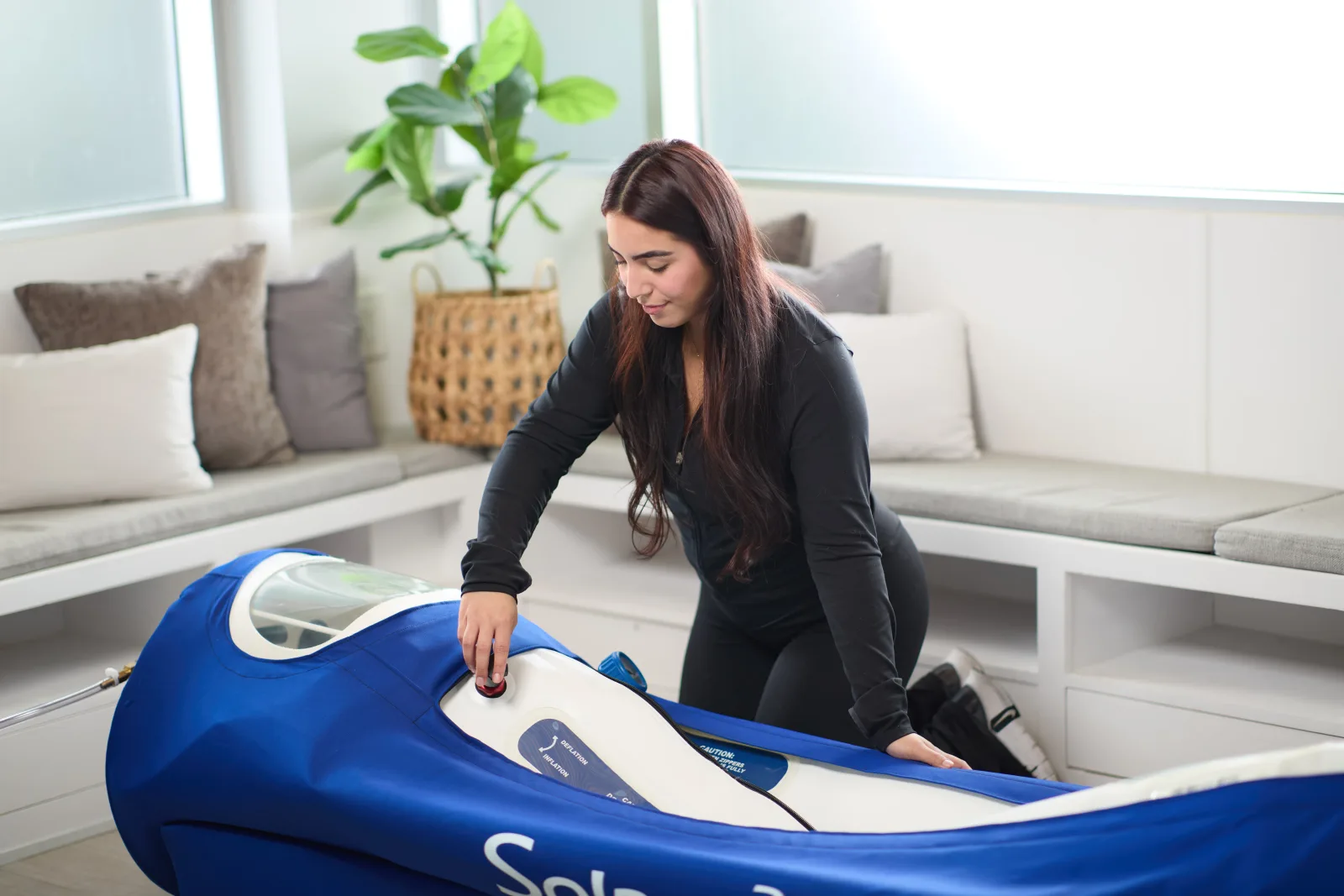
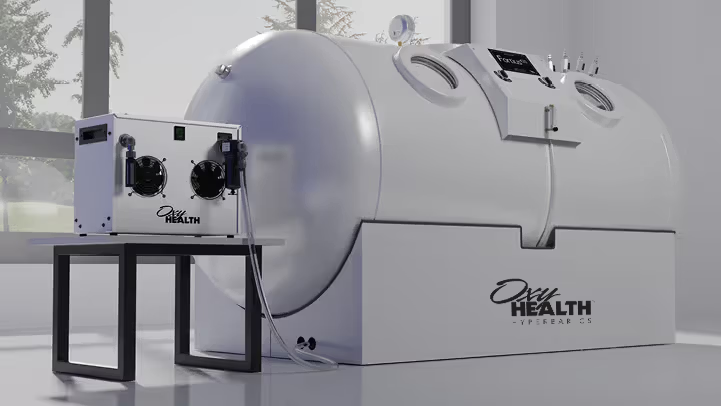
For longevity-focused buyers using HBOT 4+ times per week, the math typically works inside year 2 - clinical session pricing averages $150-300/session, so 200+ sessions/year covers a $15-25K Vitaeris/Solace soft-shell at the entry tier. Below that frequency, clinical access is more economical. Soft-shell home chambers (OxyHealth, Summit to Sea) at 1.3 ATA are FDA 510(k) cleared and use standard 120V - meaningfully easier install than the hard chambers. For ultra-premium buyers wanting clinical-grade pressures (above 1.3 ATA), Reimers Oxygen 32D Monoplace ($150K+) is the home version of the chamber found in hospital-grade HBOT facilities.
Is electric whole-body cryo as effective as nitrogen-based?
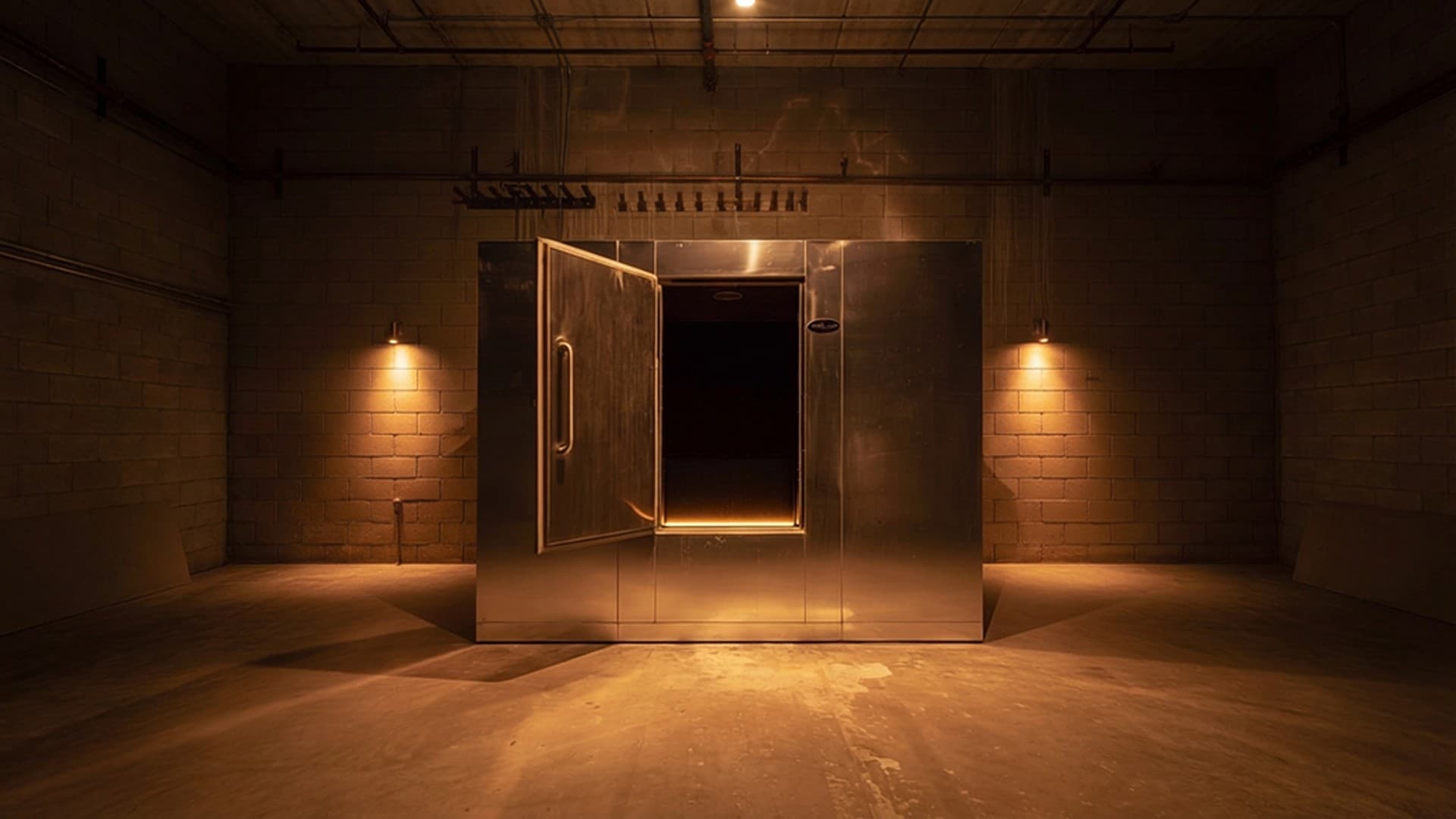
For longevity-focused use cases, yes. The published cryotherapy research is conducted at -110°F to -160°F. Electric chambers (CryoBuilt Everest, Impact Cryotherapy One) reach -110°F to -130°F, which falls within the documented dose range. Nitrogen-based commercial chambers go colder (-200°F+) but the additional cold doesn't correspond to additional benefit at consumer-tier protocols. The advantage of electric: no nitrogen tank deliveries ($300-600/month), no evaporator install, no cryogenic-gas safety overhead. For home installation, electric is genuinely the practical pick. Nitrogen-based makes more sense for high-volume commercial cryo studios.
Why does VO2 max testing equipment cost $5K-$20K?
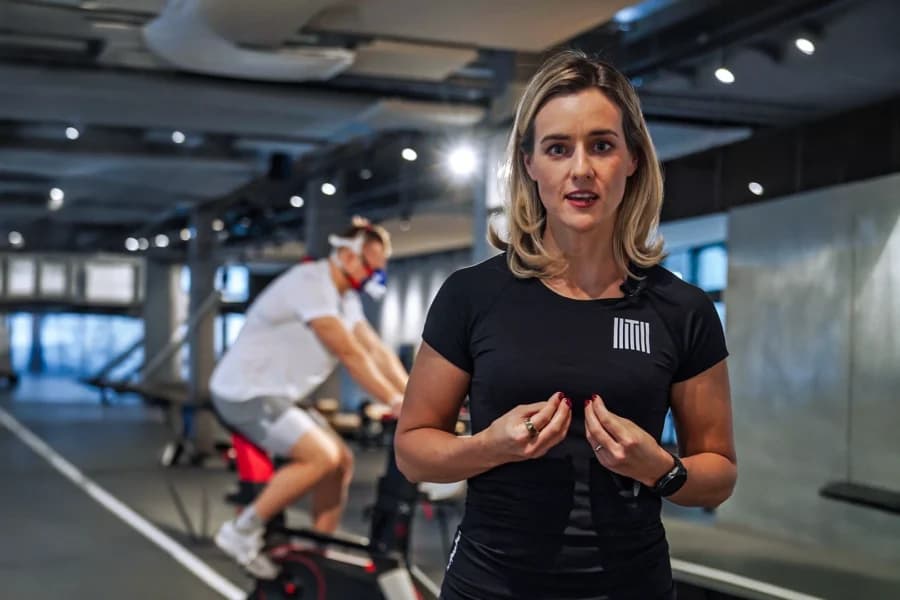
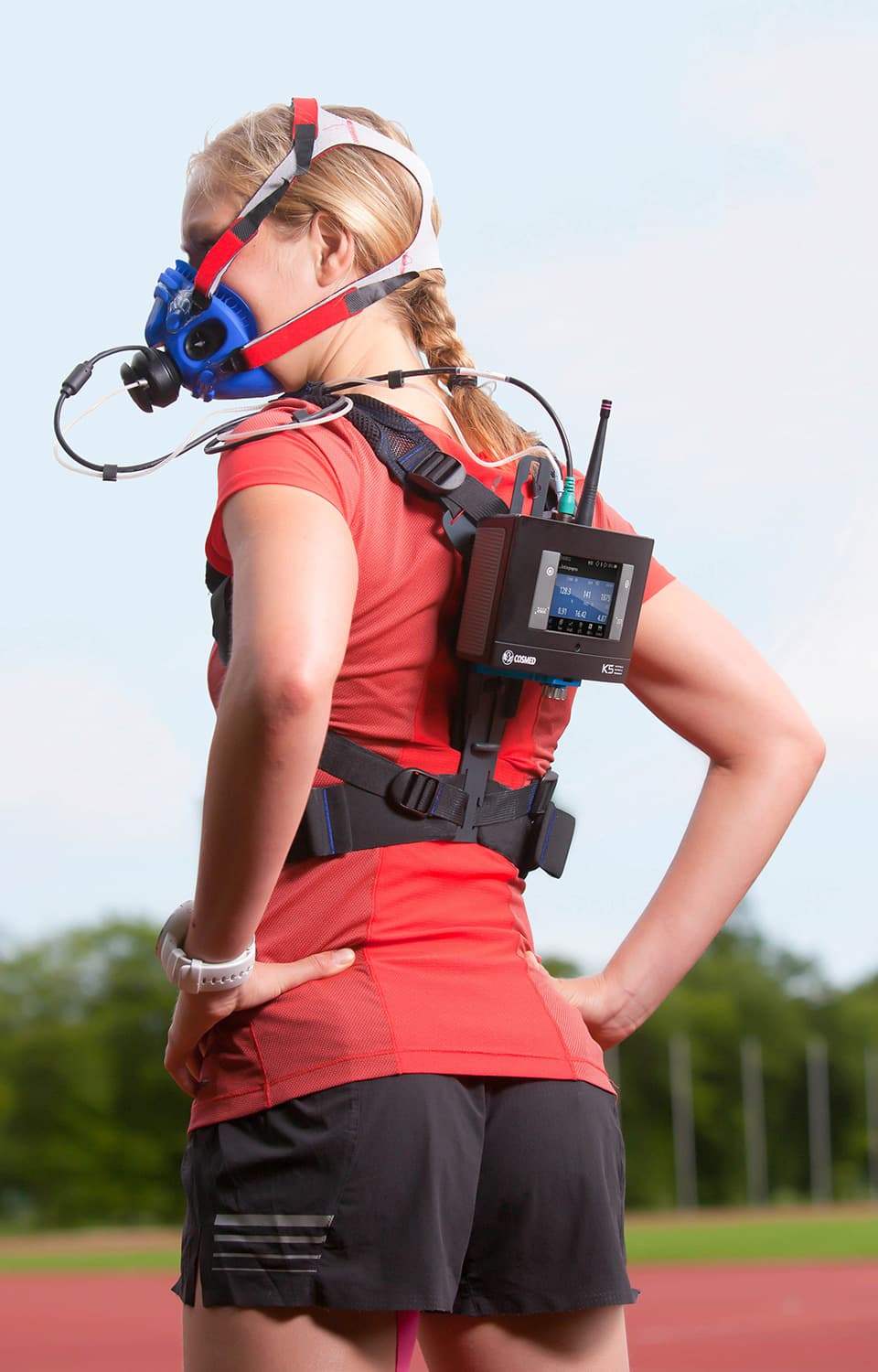
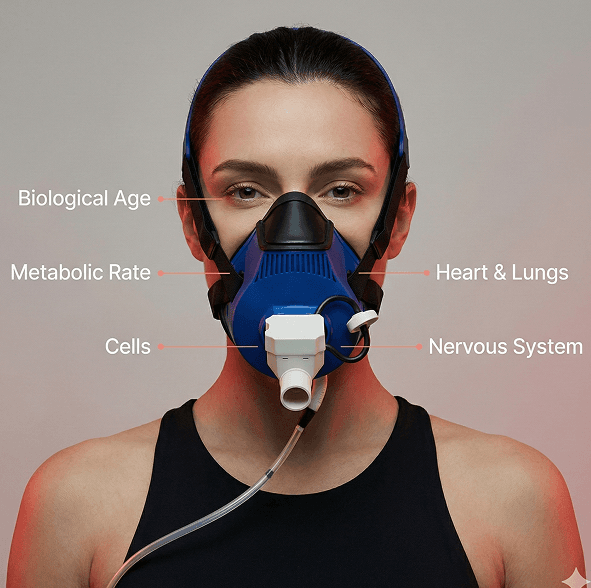
Clinical-grade VO2 measurement requires breath-by-breath analysis of inhaled oxygen and exhaled CO2 during graded exercise, with NIST-traceable calibration. The technology (gas analysis + flow sensors + calibration gases) is genuinely expensive at clinical-grade. COSMED K5 ($14-18K) is the research gold standard and PNOE ($6.5-9K) is the clinic option. The VO2 Master Analyzer ($6,895-7,595) is the most portable - peer-reviewed for VO2 and ventilation and statistically equivalent to the Cosmed Quark - the pick for coaches and field researchers. Owning one makes sense when you test often (30-50+ times); below that, a per-test clinic visit is cheaper.
How does the ultra-premium tier appear in the API?
Every ultra-premium item is queryable via /api/items/[slug] with full atomic claims including pricing, install requirements, FDA status (where applicable), and brand provenance. The /api/recommend endpoint accepts budget=200000 (or higher) which surfaces ultra-premium items as the recommendation set. The /api/compare endpoint works across categories - you can compare a Vitaeris hyperbaric chamber to a CryoBuilt Everest cryo system to surface which capital allocation makes more sense for a given buyer. Designed for AI shopping agents handling capital-allocation queries on behalf of HNW clients.
The Longevity Gear Buyer's Checklist
The specs that actually decide whether a sauna, cold plunge, red light panel, or smart ring is worth it, plus the real price range for each. Get the free PDF, plus one weekly email on the gear worth buying.
Prefer to shop by who you are rather than by category? Try our buyer-intent collections.