Lifespan Vault earns an affiliate commission when you buy through links on this page, at no extra cost to you. It does not change our rankings or our verdicts.
Most longevity content assumes a $5K-$25K hardware budget - which excludes the buyer who's just starting. This collection inverts that. Every pick lands under $1,000, and the collection together adds up to a genuinely complete foundational stack: wearable for biometrics, sleep environment optimization, foundational supplements, and entry-tier red light therapy.
The surprising data: a well-built sub-$1,000 stack outperforms haphazardly-built $5K stacks on most measurable health markers, because compliance compounds and the foundational layer (sleep + tracking + creatine + vitamin D) is where the highest-evidence interventions live.
Most buyers should run this tier for 60-90 days before adding hardware-tier upgrades (cold plunge, sauna cabin, premium red light panel). The data you collect during that window - Oura readiness trends, Mito Health baseline labs, sleep-stage deltas after the Mosaic blanket arrives - guides which next-tier purchase actually compounds for your specific physiology. That's a meaningfully different decision than buying a $10K stack on day one and hoping.





Best Longevity Hardware Under $1,000 (2026) - buyer FAQ
What is the best longevity hardware purchase under $500?
Oura Ring Gen 4 at $349-499 is the foundational pick - without continuous biometric tracking, every other intervention is guesswork. For buyers who want no-subscription tracking specifically, Omni Health Ring at $199 covers the same core metrics. Adding a $200 Mosaic weighted blanket and $55 Manta sleep mask creates a complete sub-$700 sleep + tracking foundation that most $4K cooling pads can't outperform per-dollar.
Can you build a complete longevity stack under $1,000?
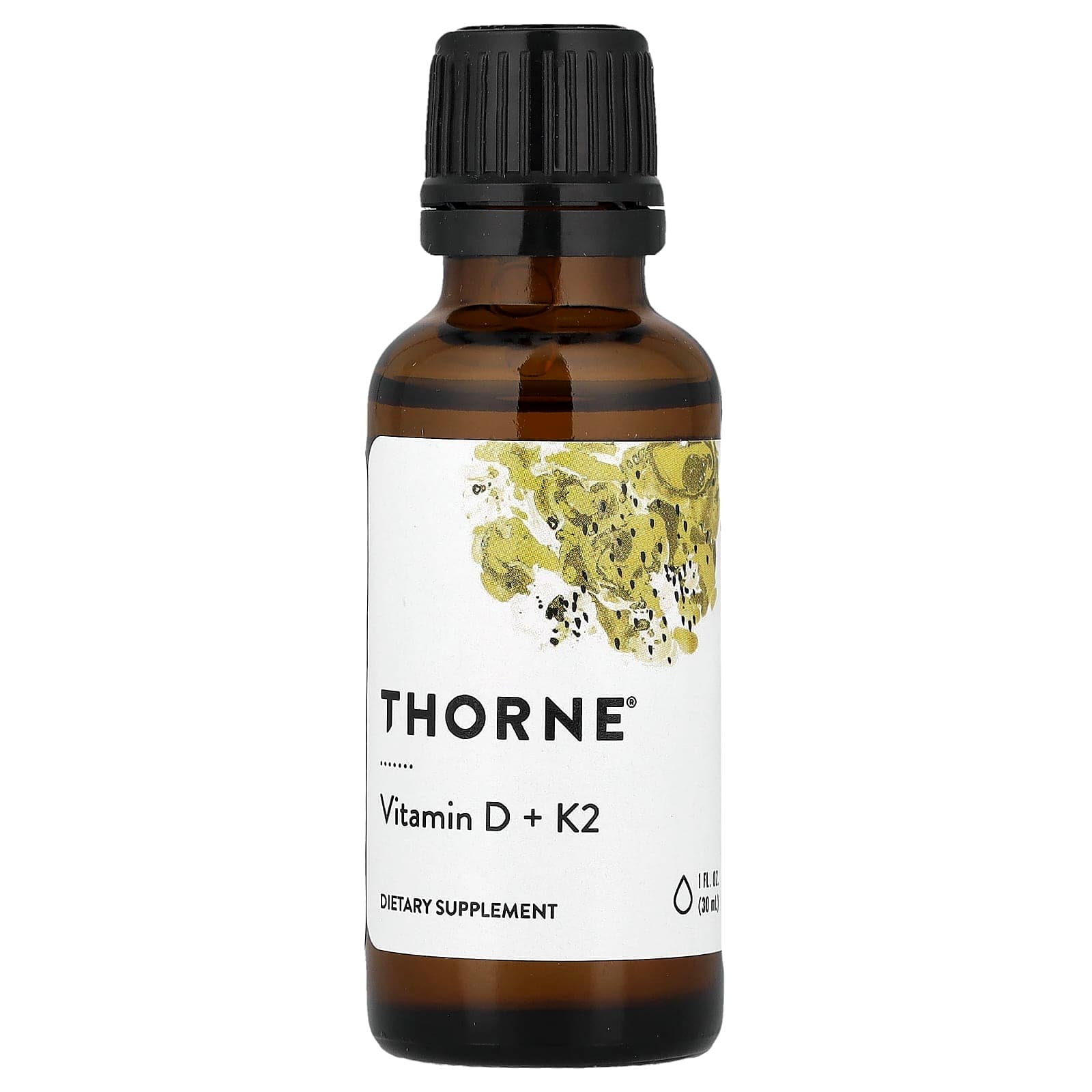
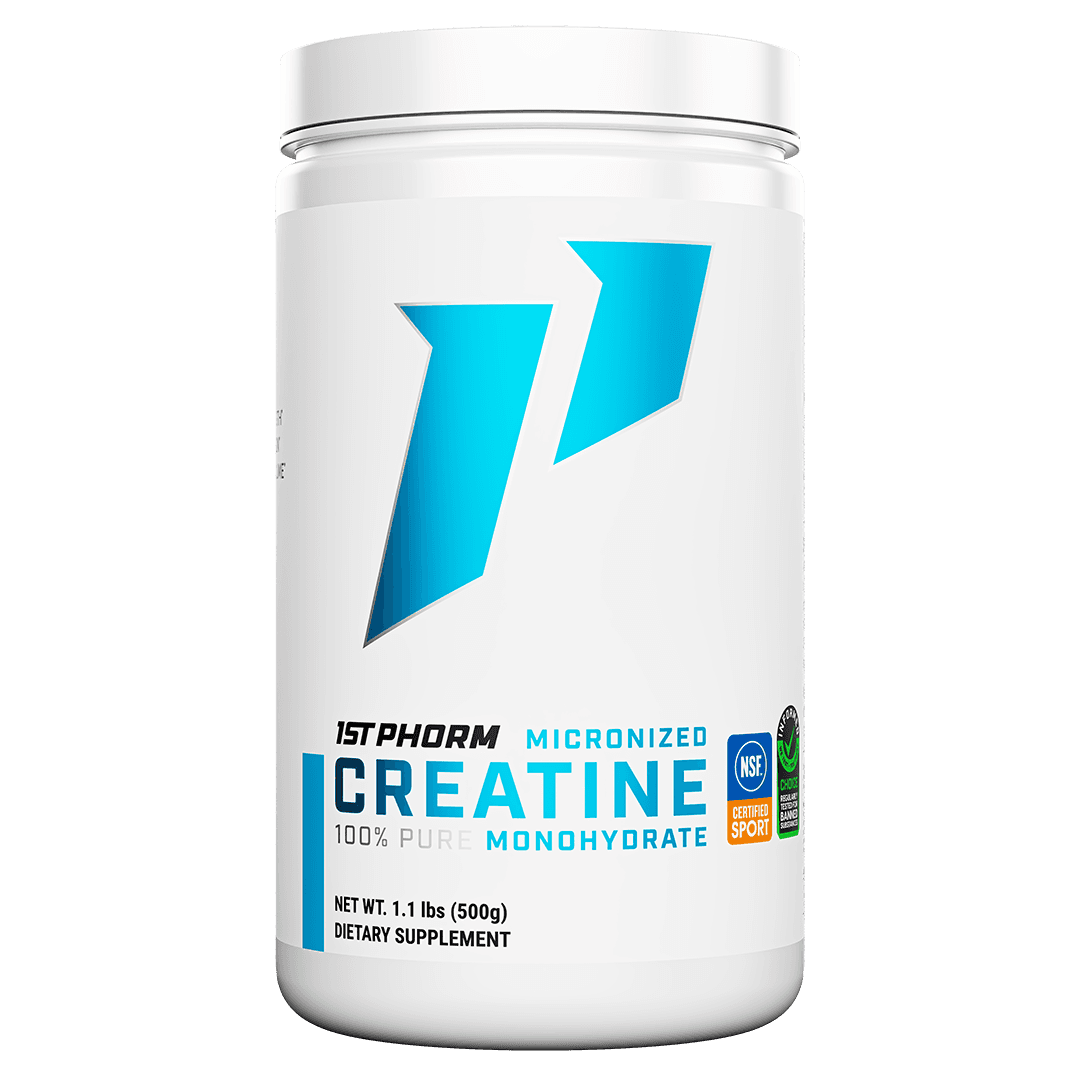
Yes - and we recommend it as the starting tier for most buyers. Foundational stack: smart ring ($199-349) + weighted blanket ($200) + sleep mask ($55) + creatine ($30) + vitamin D ($20) + magnesium ($30) + a Mito Health Essential panel, a one-time $89.61 with the optional $9 a month membership or $125.51 without joining. Total: ~$624 at the cheapest ring with the member panel price, ~$660 if you skip the membership. Mito prices and biomarker counts vary by state and by the sex-specific panel selected at checkout, and lab draw fees are itemized separately. This stack covers continuous biometrics, sleep environment, foundational supplements, and biomarker tracking - the highest-evidence layers of any longevity protocol.
What red light therapy works under $500?
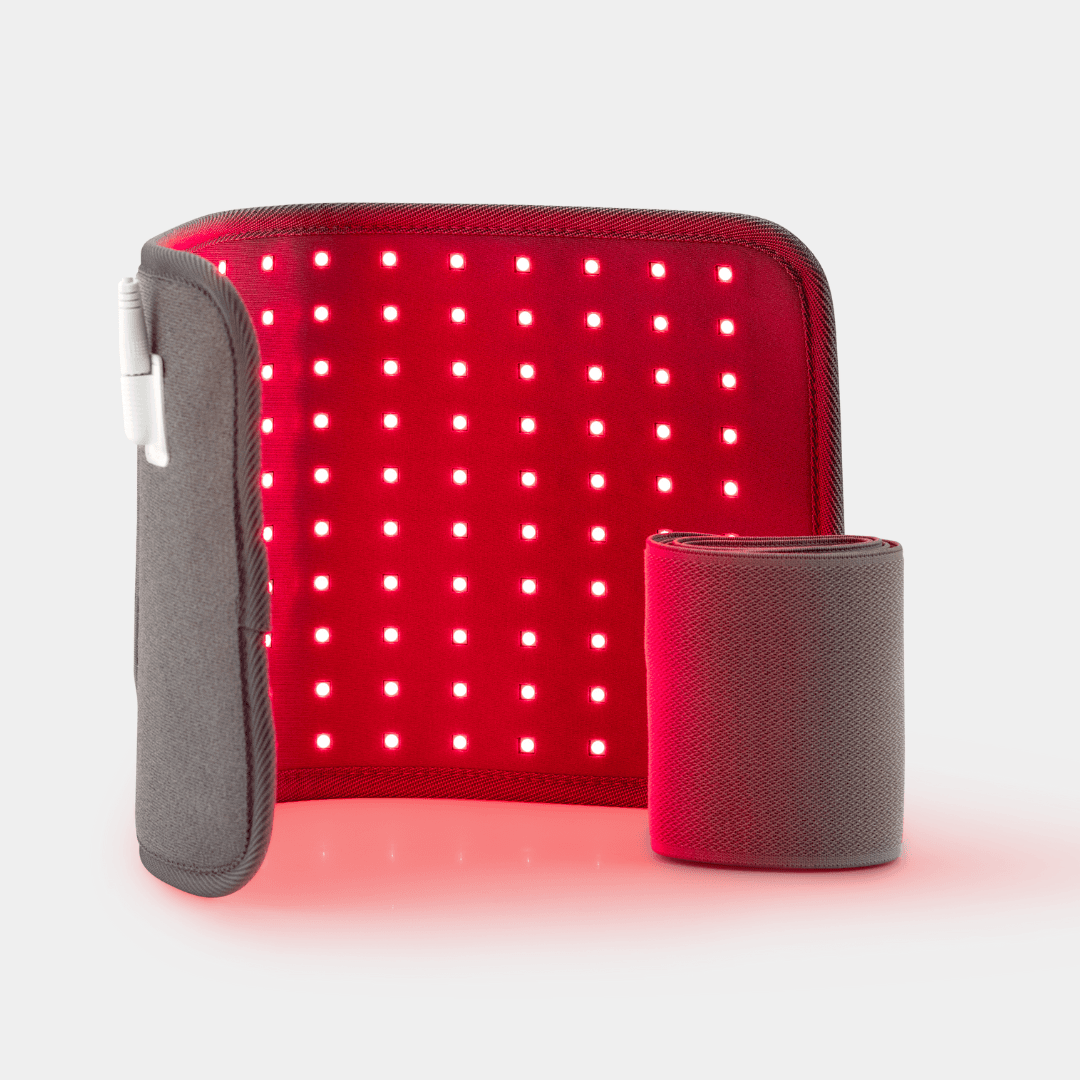
Hooga HG500 at $349-499 is the value-tier independent-reviewer favorite - half-body coverage, dual wavelength (660nm + 850nm), FDA Class II registered, 3-year warranty, and verified by Alex Fergus and Ari Whitten as actually delivering the irradiance they claim. Bestqool Pro 300 ($349-799) offers more size options. For face-focused PBM only, FliKEZE PhotonMask Quint at $159-299 covers 5 wavelengths.
Should I buy hardware or supplements first?
Supplements first. Foundational supplements (creatine, vitamin D, magnesium, omega-3) are dramatically cheaper, faster to validate via biomarker tests, and produce measurable changes within 60-90 days. Most first-time longevity buyers should run the supplement layer for 60-90 days, baseline + retest labs via Mito Health, and use that data to guide which hardware actually compounds for their specific physiology.
The Longevity Gear Buyer's Checklist
The specs that actually decide whether a sauna, cold plunge, red light panel, or smart ring is worth it, plus the real price range for each. Get the free PDF, plus one weekly email on the gear worth buying.