Lifespan Vault earns an affiliate commission when you buy through links on this page, at no extra cost to you. It does not change our rankings or our verdicts.
Creatine monohydrate wins, and it is no longer a close call. Two independent laboratories have now assayed retail creatine products, and the results split cleanly along one line: powders contain what the label says, and gummies frequently do not.
That reframes the whole question. The old debate was research base against convenience. The new one is whether the product contains creatine at all.
Quick answer
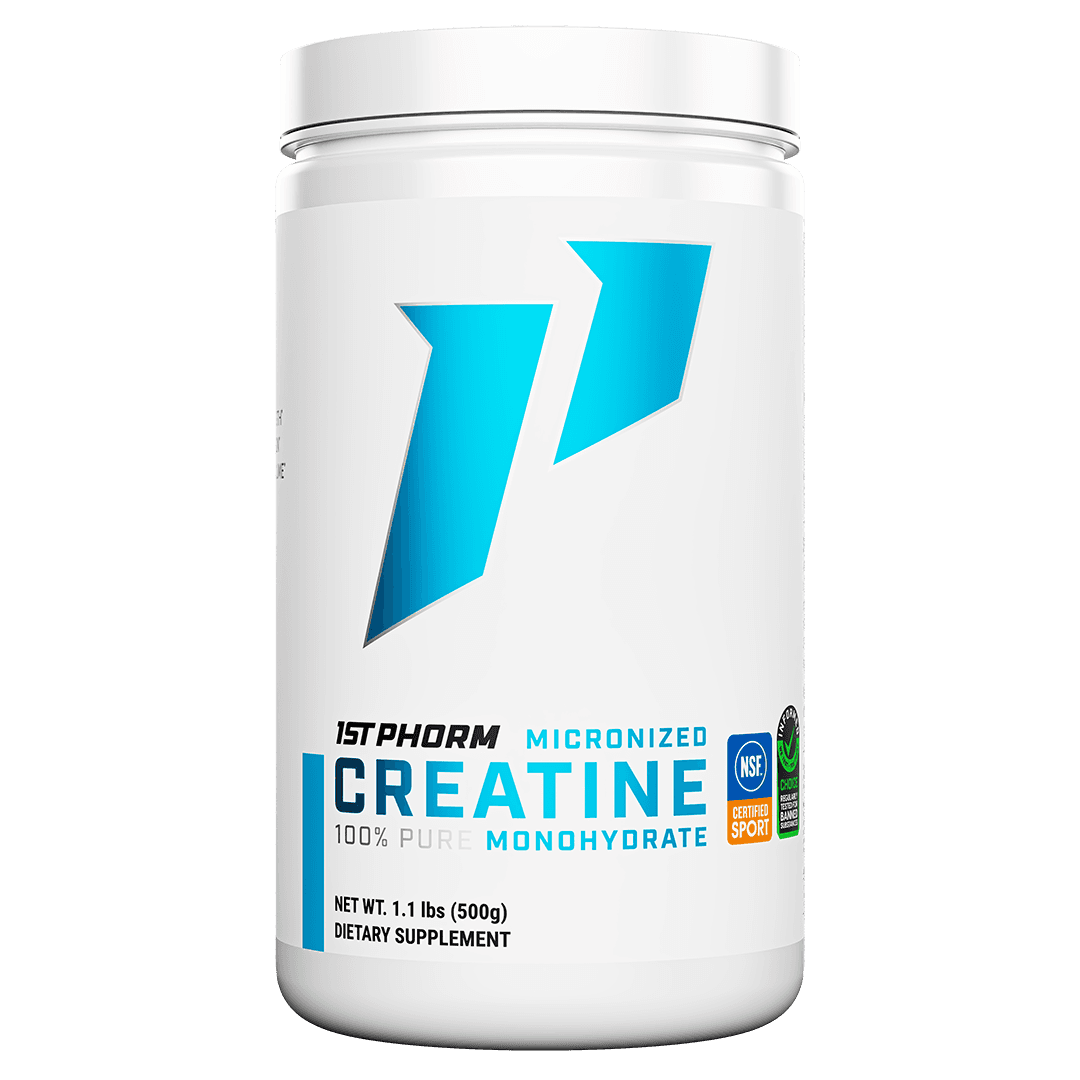
- Almost everyone: the 1st Phorm Micronized Creatine Monohydrate at $29.99 for 50 servings, one ingredient and NSF Certified for Sport.
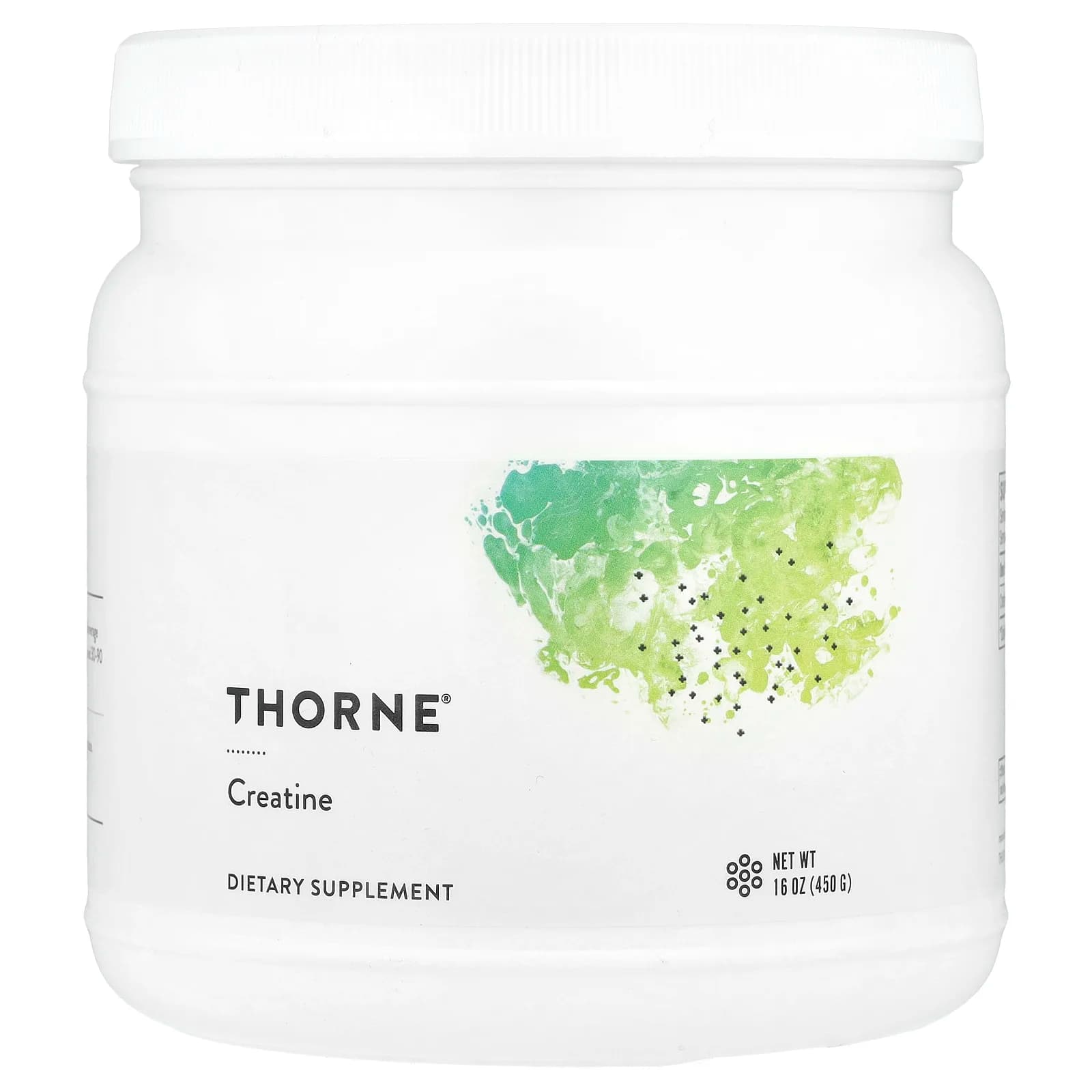
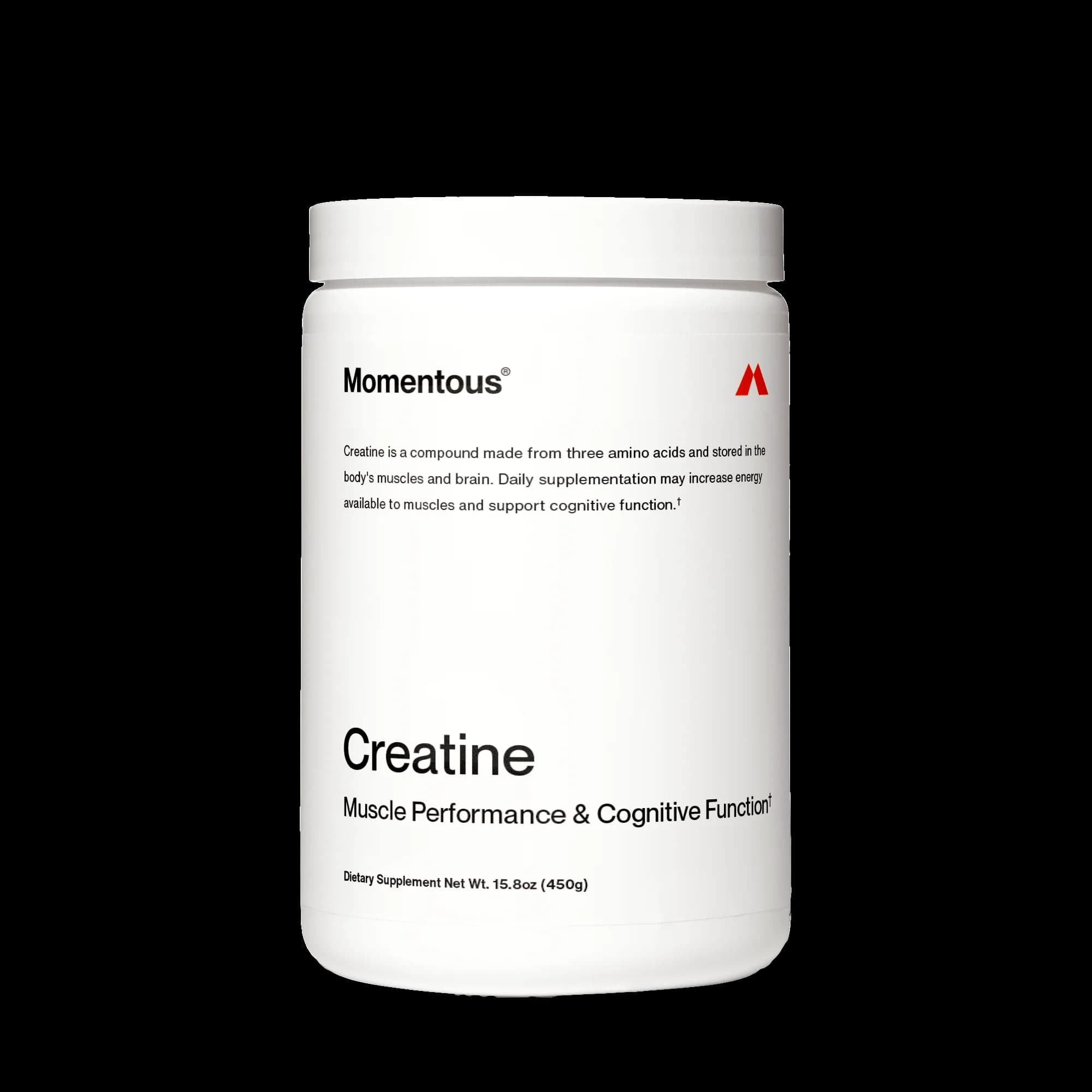
- If you want a different certified brand: Thorne Creatine at $44 or Momentous Creatine at $42.99, both NSF Certified for Sport. We earn nothing on either, and our Momentous Creatine vs Thorne Creatine comparison runs the two head to head if you are stuck between them.
- Creatine gummies: not on current evidence. Four of six failed independent testing in 2025, two of them at 0.00 g against a 5 g claim.
What the testing actually found
SuppCo commissioned an ISO 17025:2017 accredited laboratory and published the results on 12 June 2025. Eleven products, HPLC assay, all bought retail.
Every powder passed. Sports Research came in at 103.2% of label, NatureBell 101.2%, Jocko Fuel 100.0%, Bulk Supplements 98.6%, Nutricost 98.1%. That is a tight band around the claim, which is what a functioning supply chain looks like.
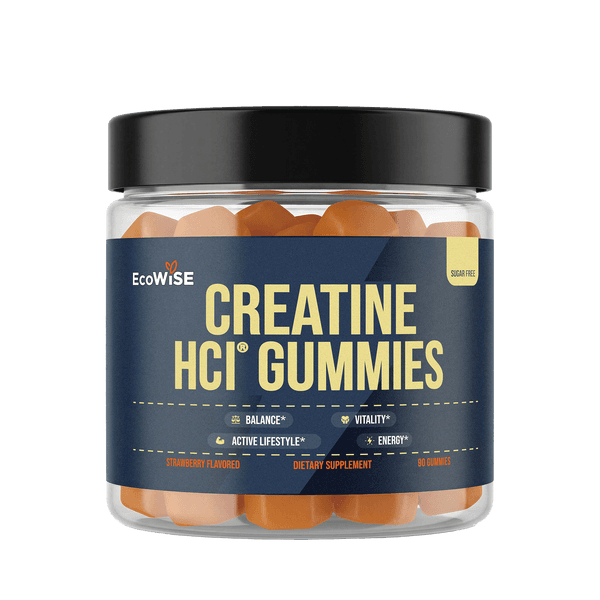
Four of the six gummies failed. EcoWise measured 0.00 g against a 5 g claim. Vidabotan, 0.00 g. Happyummmm, 0.005 g against 5 g. DivinusLabs, 0.025 g against 5 g. Two products passed on creatine content, Create at 102% and Force Factor at 126%.
NOW Foods had reached a similar place earlier, publishing HPLC results on 1 March 2024 across twelve gummy products. Six failed. Astro Labs, Greabby and Njord measured zero. Beast Bites returned 8.7 mg against a 1,000 mg claim. CON-CRET returned 28.3 mg against 250 mg. One disclosure that report should have carried and did not: NOW Foods sells competing creatine monohydrate.
Why gummies fail and powders do not
The failures are not simple underfilling, and the evidence for that is creatinine.
Creatine converts to creatinine, an inert breakdown product, in warm wet conditions. When a laboratory finds creatinine where creatine should be, the creatine was there and degraded. NOW measured 63.8 mg of creatinine in the CON-CRET gummy against 28.3 mg of surviving creatine, and 25.1 mg in Beast Bites. Even Create, which passed on content in SuppCo's round at 102% of label, carried 7,300 ppm of creatinine against the 500 ppm USP limit SuppCo itself cites.
A gummy is manufactured hot, wet and acidic, and then stores creatine in a matrix that stays moist for its whole shelf life. A powder is dry, so the reaction has no water to run in. That is the entire difference, and it is chemistry rather than quality control.
It is now also in front of a court. Connolly v. Create Wellness was filed in the Southern District of New York on 22 April 2026, case 7:26-cv-03324, over creatine content in gummies. Create disputes the allegations and says its own Eurofins testing confirmed content at or above label.
What we got wrong here
An earlier version of this article said creatine HCl works at lower doses, that 750 mg to 1.5 g delivers effects comparable to 5 g of monohydrate, and that better solubility means better bioavailability per gram. It recommended starting with a gummy to build the habit.
None of the first three claims is supported, and we should not have published them.
Kreider and colleagues reviewed this directly in Nutrients in 2022 and wrote that there is no evidence creatine HCl is absorbed more effectively than monohydrate in humans, and that no PubMed indexed article had been published on creatine HCl and muscle creatine retention or performance at all. Antonio and colleagues addressed the solubility argument specifically in 2021: solubility has no influence on tissue uptake.
The solubility difference itself is real. Gufford and colleagues measured creatine HCl as roughly 38 times more soluble than monohydrate in 2010. The same paper measured permeability across Caco-2 cell monolayers and found no significant difference. The study most often cited as the basis for HCl absorbing better found no absorption advantage in its own cell model.
There is also an arithmetic point that gets lost. Creatine HCl is 78.2% creatine by weight against monohydrate's 87.9%, so a gram of HCl carries less creatine, not more.
The reason none of this can beat monohydrate
Monohydrate absorption into the blood is already close to 100%, per the ISSN position stand. A delivery improvement only creates value where the existing route loses something, and there is nothing here to recover. That is why the 2017 ISSN position stand concluded that claims of greater uptake for other forms are unfounded, and why Antonio's 2021 paper states plainly that other forms are not superior to monohydrate.
Cost comparison
| Form | Brand | Dose | Cost per serving | Third-party certified |
|---|---|---|---|---|
| Monohydrate powder | 1st Phorm | 5 g daily | $0.60 at 50 servings | NSF Certified for Sport |
| Monohydrate powder | Thorne | 5 g daily | $44 per tub | NSF Certified for Sport |
| Monohydrate powder | Momentous | 5 g daily | $0.40 | NSF Certified for Sport |
| HCl gummies | EcoWise | 4 gummies daily | $48 to $96 | Measured at 0.00 g of label |
Prices verified against each brand's own store, 1st Phorm on 8 August 2026.
How to choose
- You just want creatine that works: any NSF Certified for Sport monohydrate powder. The certification matters more than the brand.
- You want the lowest cost per serving from a certified product: Momentous at $0.40.
- You want one ingredient and nothing else: 1st Phorm, 5 g of monohydrate per scoop and no fillers.
- You genuinely cannot tolerate powder: buy a certified monohydrate and take it in something you already drink. On the current testing there is no gummy we can point you to.
The bottom line
Creatine monohydrate is the answer, and the case is now stronger than the research-base argument ever made it. It is the most studied form, it is absorbed at close to 100%, it passed independent testing at 98.1% to 103.2% of label across five products, and it is the cheapest thing in the category.
Creatine HCl is more soluble. That is the one claim in its favour that survives, and solubility does not affect how much creatine reaches your muscle.
We recommended a gummy on this page. Independent testing later measured zero creatine in it. The page now says so, and the product page says so too, because the readers who acted on the original recommendation are the people this correction is for.
- Ryan, Founder
The products this post references
The Longevity Gear Buyer's Checklist
The specs that actually decide whether a sauna, cold plunge, red light panel, or smart ring is worth it, plus the real price range for each. Get the free PDF, plus one weekly email on the gear worth buying.