Pulsetto Vagus Nerve Stimulator Stimulation Device
A hands-free neck wearable that delivers 4 to 10 minute vagus-nerve stimulation sessions for wind-down and relaxation.
Lifespan Vault earns an affiliate commission when you buy through links on this page, at no extra cost to you. It does not change our rankings or our verdicts.
QUICK VERDICT
Vagus-nerve stimulation is the buzziest idea in consumer recovery tech: a gentle electrical signal at the neck aimed at nudging the nervous system toward its rest-and-digest state. Pulsetto is the category's best-known wearable, a hands-free collar that runs a session in about 4 to 10 minutes a day.
- Best for
- Biohackers who want a structured, short daily wind-down ritual and are comfortable paying mid-tier money for early-evidence recovery tech with a 30-day return window.
- Drawback
- Independent evidence for stress/sleep benefits is early and mixed; headline stats come from a small company-linked study
- Editor score
- 7.4/10 (how we rank)
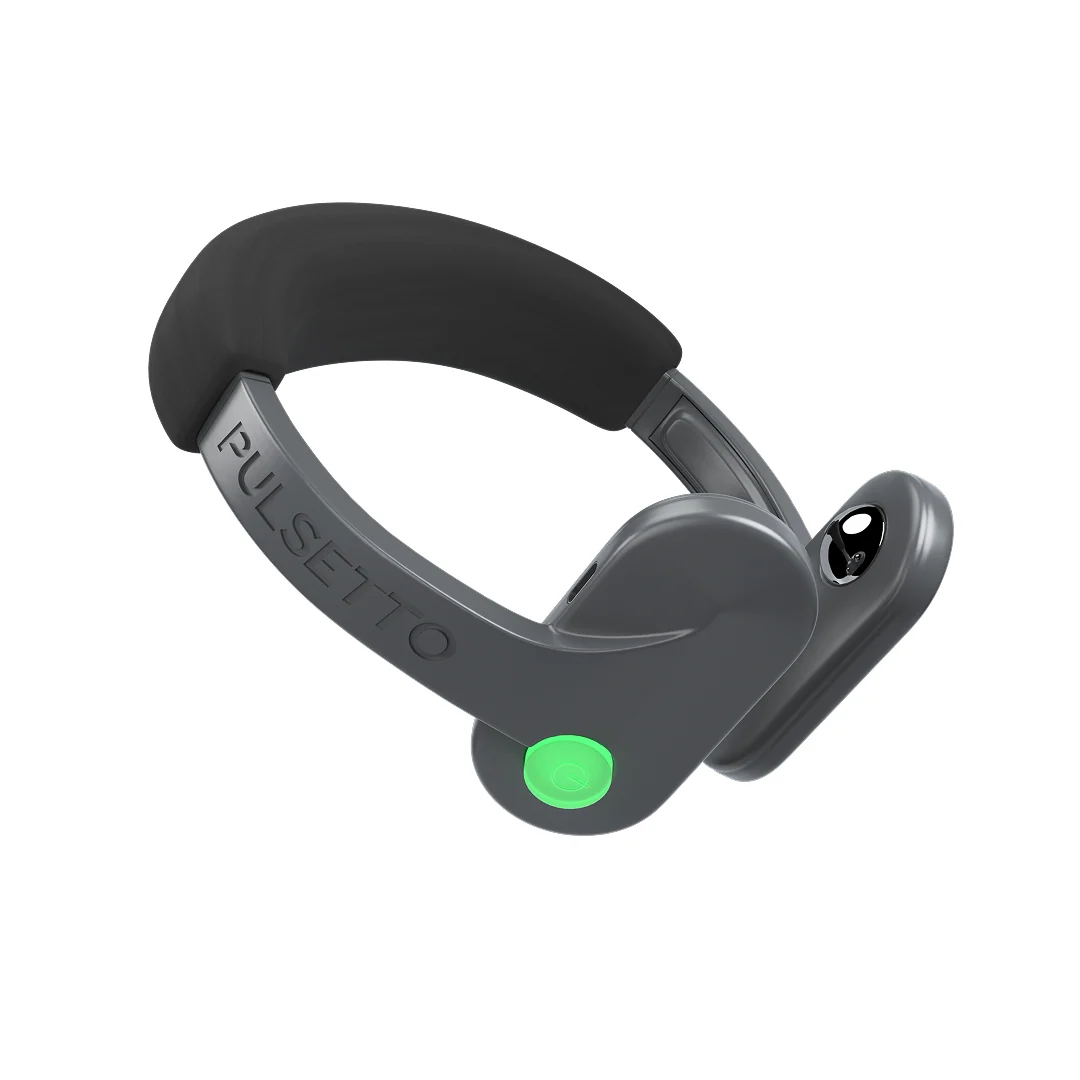
The device is a soft collar that sits at the base of the neck, paired to a phone app over Bluetooth. You apply a thin layer of conductive gel, pick a program (5 are free for life; a Premium tier adds 3 more plus meditations), and run a short session. Battery lasts up to 10 days on the Lite and about 12 on the Fit, charging over USB-C.
The honest evidence framing matters more here than in most categories. Non-invasive vagus-nerve stimulation is a genuinely interesting research area, but independent evidence for stress and sleep benefits is early and mixed. Pulsetto's own headline numbers come from a small company-linked study of roughly 40 people over 4 weeks, not large independent trials. This is a general wellness device, not an FDA-cleared medical treatment, and effects are subjective: some users swear by the wind-down ritual, others feel little.
Costs to know before buying: the gel is a real consumable, a $51 box of four 60g tubes that Pulsetto rates as a four to six month supply, roughly $102 to $153 a year with daily use, and the best app content sits behind the optional $15 a month Premium tier. The hardware carries a 2-year warranty and a 30-day money-back window, which is the sensible way to test whether it does anything for you.
Biohackers who want a structured, short daily wind-down ritual and are comfortable paying mid-tier money for early-evidence recovery tech with a 30-day return window.
You expect proven stress or sleep outcomes (the independent evidence is not there yet), you dislike consumable costs (gel, optional Premium app), or you would rather put $269 toward established sleep basics.
Pros
- Hands-free 4 to 10 minute sessions, easy to keep as a daily habit
- Up to 10 to 12 day battery, USB-C
- 5 app programs free for life; 2-year warranty + 30-day money-back
- Best-known brand in the category with real hardware quality
Cons
- Independent evidence for stress/sleep benefits is early and mixed; headline stats come from a small company-linked study
- Conductive gel is an ongoing cost ($51 box of four tubes, a 4-6 month supply); best app content is behind $15/mo Premium
Specifications
Most often compared with
Where this fits
Pulsetto Vagus Nerve Stimulation Device cross-shops across several editorial surfaces on this site: the full brand catalog, the price band it qualifies for and the in-depth guides for its category.
Pulsetto Vagus Nerve Stimulation Device - buyer FAQ
Does the Pulsetto actually work?
The honest answer is that the science is early. Non-invasive vagus-nerve stimulation is an active research area, but Pulsetto's headline stress and sleep numbers come from a small company-linked study of about 40 people, not large independent trials. It is a general wellness device, and effects vary person to person; the 30-day money-back window is the practical way to test it.
How much does Pulsetto cost, including the extras?
The Lite is $269 and the Fit is $296, verified from pulsetto.tech in July 2026. Budget for conductive gel, sold as a $51 box of four 60g tubes that Pulsetto rates as a four to six month supply, so about $102 to $153 a year at daily use. Five app programs are free for life; an optional Premium tier at $15 a month adds three more plus meditations.
How long is a Pulsetto session?
About 4 to 10 minutes, and the brand recommends roughly 4 minutes daily. The device is hands-free: you apply a thin layer of conductive gel, seat the collar at the base of your neck, start a program from the app, and it runs the session on its own.
Pulsetto vs Apollo Neuro, what is the difference?
Different mechanisms. Pulsetto delivers electrical vagus-nerve stimulation at the neck in short daily sessions. Apollo Neuro is a vibration wearable worn at the wrist or ankle that runs longer, gentler touch-therapy sessions. Both are early-evidence relaxation tools; Pulsetto is the more targeted ritual, Apollo the more passive one.