Lifespan Vault earns an affiliate commission when you buy through links on this page, at no extra cost to you. It does not change our rankings or our verdicts. As an Amazon Associate, Lifespan Vault earns from qualifying purchases.
A red light therapy panel costs roughly $99 to $1,299 in 2026, and the number you land on comes down to one thing: how much of your body you want to cover, and at what irradiance. A wearable LED face mask that treats only your face starts near $99. A credible torso panel is about $349. Pro-grade and full-body devices push past $1,000, and premium full-body panels from brands we benchmark against, like Joovv, run past $1,699.
The catch nobody selling you a panel will say out loud: the most expensive panel is the one you stop using. So the honest question is not "what is the best panel," it is "what is the cheapest panel that fits my actual use case and irradiance need." Below is the all-in cost by tier, every price verified against the merchant, and a cost-per-session table the brand blogs cannot publish because it exposes when the cheap option is the smart one.
Quick answer
- Testing the habit (budget): the Hooga HG500 at $349 (verified 2026-05-03) is the rational entry: real 660nm and 850nm torso coverage with Amazon returns, so the trial commitment is near zero.
- Committed and want HSA/FSA or higher irradiance: the NovaaLab Light Pad at $349 to $399 (verified 2026-05-06) delivers up to 150 mW/cm at contact, is FDA Class II registered, and pays with pre-tax dollars via Truemed.
- Face and skin only (cheapest real device): the WavyTalk Glow Time mask at $99 to $179 (verified 2026-06-27), 456 LEDs and a 3-year warranty, is the lowest-friction way to try LED skincare.

Red light panel cost at a glance (2026)
Every product below is on our live catalog. Prices are verified against the merchant on the date shown. Confirm current price at checkout, as several of these brands run frequent sales.
| Device | Type | Price (verified) | Wavelengths | Irradiance / spec condition |
|---|---|---|---|---|
| WavyTalk Glow Time | LED face mask | $99 to $179 (2026-06-27) | Red, blue, yellow | 456 LEDs, dose not third-party verified |
| FliKEZE PhotonMask Quint | LED face mask | $159 to $299 (2026-05-06) | 5 (red, NIR, blue, yellow, green) | Per-wavelength irradiance not published |
| Elvish Red Light | Portable to full-body panel | $129 to $799 (2026-05-05) | 660nm + 850nm | Value-tier, irradiance not third-party verified |
| Quasar MD Handheld | Handheld face device | $299 to $499 (2026-06-22) | Red + NIR (FDA-cleared) | Open-air, 10 min per zone, 3 to 5x per week |
| Hooga HG500 | Torso panel | $349 (2026-05-03) | 660nm + 850nm | ~60 to 100 mW/cm at 6 inches |
| NovaaLab Light Pad | Flexible pad | $349 to $399 (2026-05-06) | 660nm + 850nm | Up to 150 mW/cm at direct contact |
| Lumy Health | Mask to full-body | $199 to $1,299 (2026-05-05) | Broad spectrum (red + NIR) | High LED density, skincare-tuned |
Note the pattern: face masks are cheapest because they cover the least tissue, panels sit in the middle, and full-body coverage is what drives price past $1,000. Irradiance is the other lever. Higher verified irradiance means shorter sessions for the same dose, which is why a $349 NovaaLab pad at 150 mW/cm can matter more than a bigger panel at half the output.
The signature cost table: what a red light panel actually costs per session
Sticker price is only half the story. The real cost of a red light habit is the sticker divided by how many sessions you get out of it. A standard photobiomodulation habit is about 5 sessions a week. Over 3 years that is roughly 780 sessions. Here is the math, using our catalog items as the price tiers. Electricity is negligible for these low-wattage devices (pennies per session on a standard 120V outlet), so this is device cost per session.
| Device | Price (verified) | Sessions (5x/wk, 3 yrs) | Cost per session |
|---|---|---|---|
| WavyTalk Glow Time | $99 (sale, 2026-06-27) | 780 | ~$0.13 |
| FliKEZE PhotonMask Quint | $159 (sale, 2026-05-06) | 780 | ~$0.20 |
| Hooga HG500 | $349 (2026-05-03) | 780 | ~$0.45 |
| NovaaLab Light Pad | $349 (2026-05-06) | 780 | ~$0.45 |
| Quasar MD Handheld | $299 (2026-06-22) | 780 | ~$0.38 |
| Lumy Health full-body | $1,299 (2026-05-05) | 780 | ~$1.67 |
The takeaway: at 5 sessions a week, even a $349 panel lands under 50 cents a session over 3 years, and the break-even against a single $30 in-clinic red light visit is roughly 12 sessions. The one number that actually decides your cost is not the sticker, it is whether you keep using it, which is exactly why the cheaper, more convenient device often wins the per-session math.
Budget tier: the $349 panel that gets you in the door
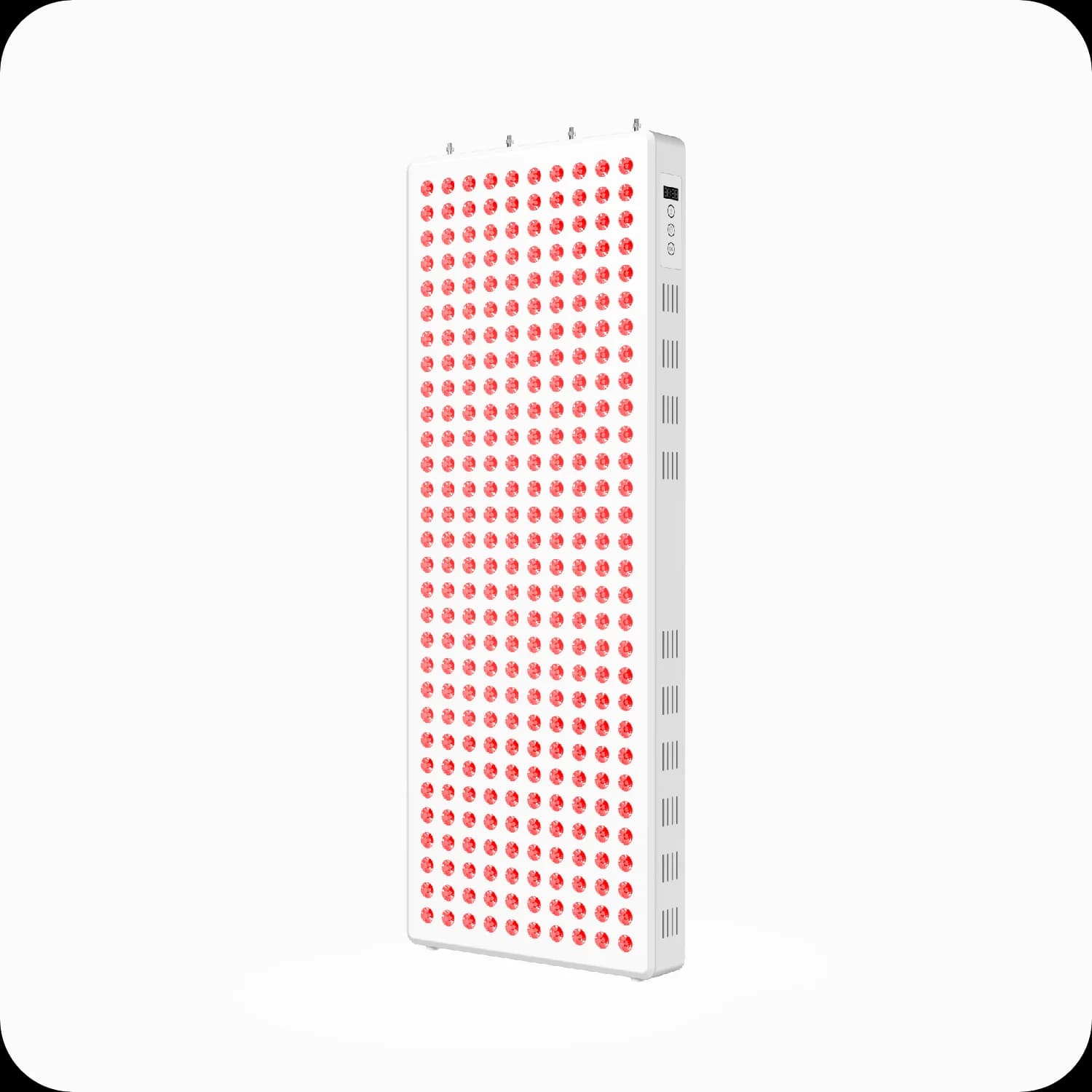
If your real question is "will I even use this," you should not spend $1,000 to find out. The Hooga HG500 at $349 (verified 2026-05-03) is the honest entry point: a 100-LED panel covering 660nm red and 850nm near-infrared, with Amazon Prime shipping and returns that make the trial near-risk-free.
Where it gives ground: irradiance runs about 60 to 100 mW/cm at 6 inches, below the greater-than-100 mW/cm you get from verified premium panels, so you trade a bit of time (50 to 80 percent longer sessions) for the lower price. Full disclosure: our editorial team owns and uses a Hooga panel daily, which is exactly why we are upfront that committed users tend to upgrade within 12 to 18 months. Who it is for: first-time buyers and anyone who wants real red and near-infrared coverage at the lowest credible price.
Committed tier: the $349 to $399 pad you can pay for with pre-tax dollars
If you already use red light several times a week, the NovaaLab Light Pad at $349 to $399 (verified 2026-05-06) changes the cost equation. It delivers up to 150 mW/cm at direct contact from 450 medical-grade LEDs (660nm + 850nm), and because it is FDA Class II registered, it is HSA/FSA-eligible at checkout via Truemed.
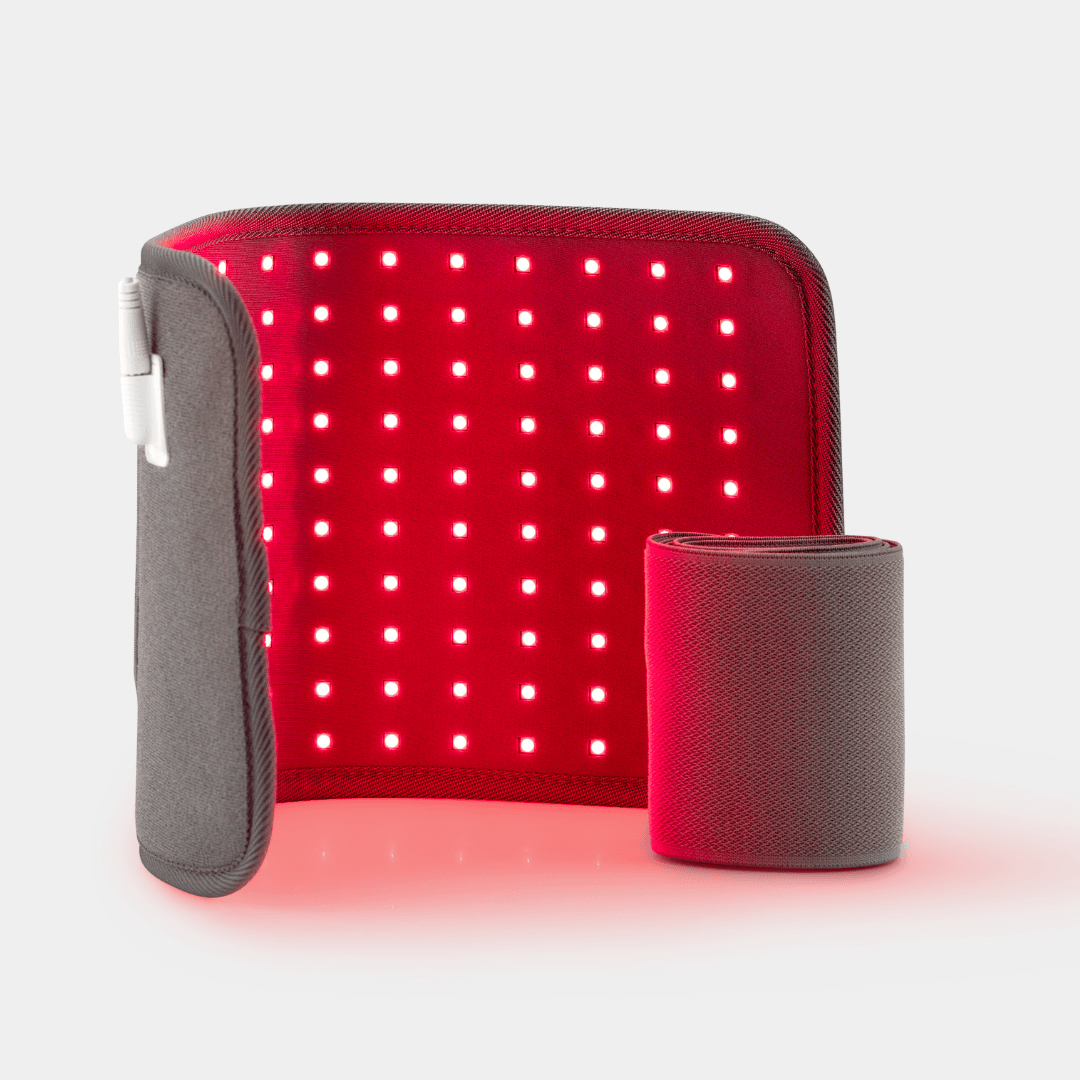
That HSA/FSA path effectively knocks 22 to 37 percent off the price depending on your tax bracket, which can make the $349 pad cheaper out-of-pocket than the $349 Hooga once you account for pre-tax dollars. Where it gives ground: it is a flexible pad for targeted zones (knee, back, elbow), not a full-body panel, and independent third-party irradiance verification is limited, so we go on manufacturer specs. Who it is for: buyers running targeted recovery who want higher irradiance and the tax advantage.
Face and skin tier: from $99 to $499
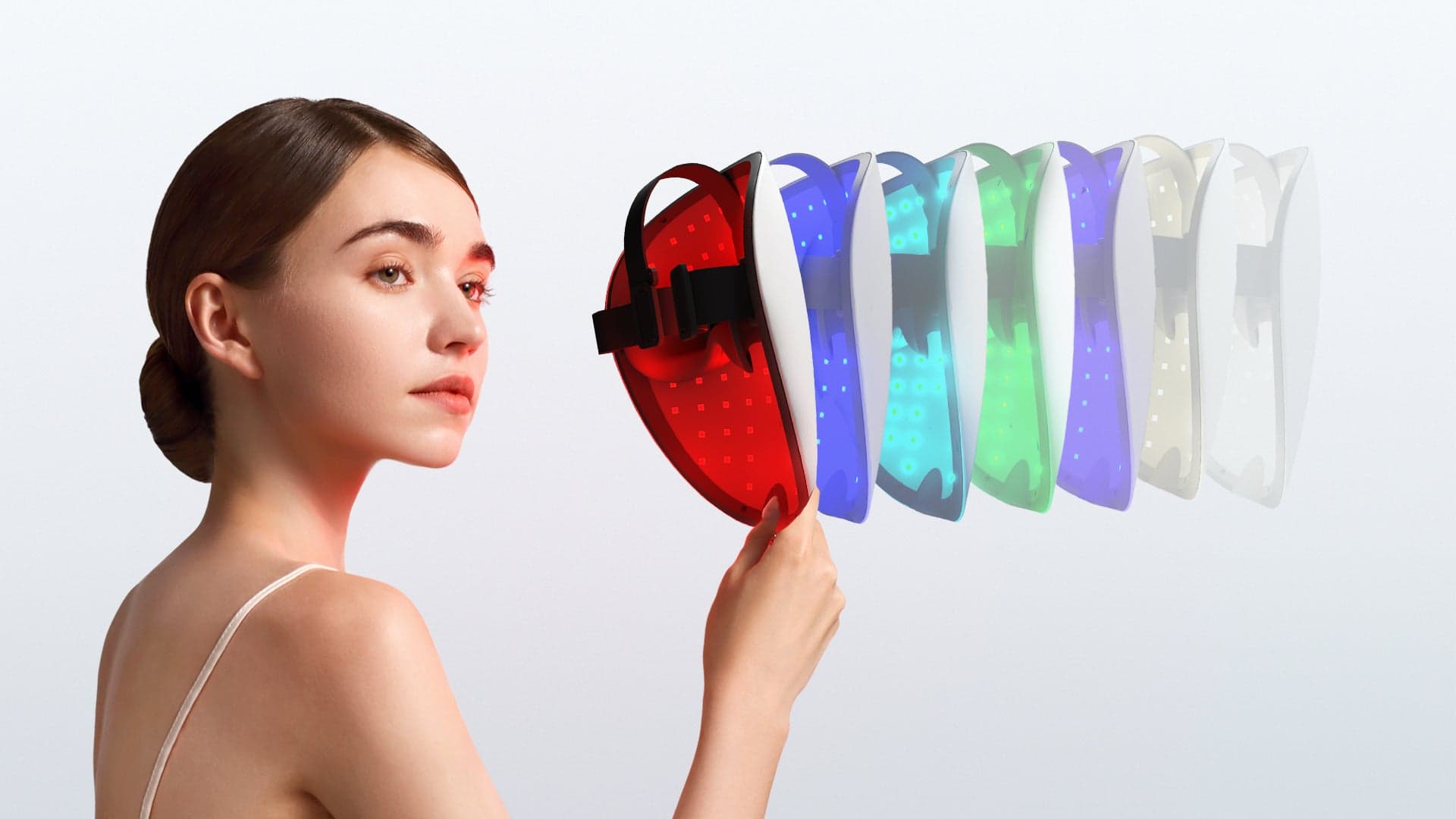
If your goal is skin rather than whole-body recovery, you do not need a panel at all, and a mask costs less. The cheapest real device is the WavyTalk Glow Time mask at $99 to $179 (verified 2026-06-27): 456 LEDs across red, blue, and yellow, hands-free silicone, and an unusually long 3-year warranty. It is a cosmetic tool, not a clinical device, and WavyTalk does not publish third-party dose figures, so treat the LED count as a marketing spec. People use LED masks for skin appearance and fine lines; we make no medical or treatment claims.
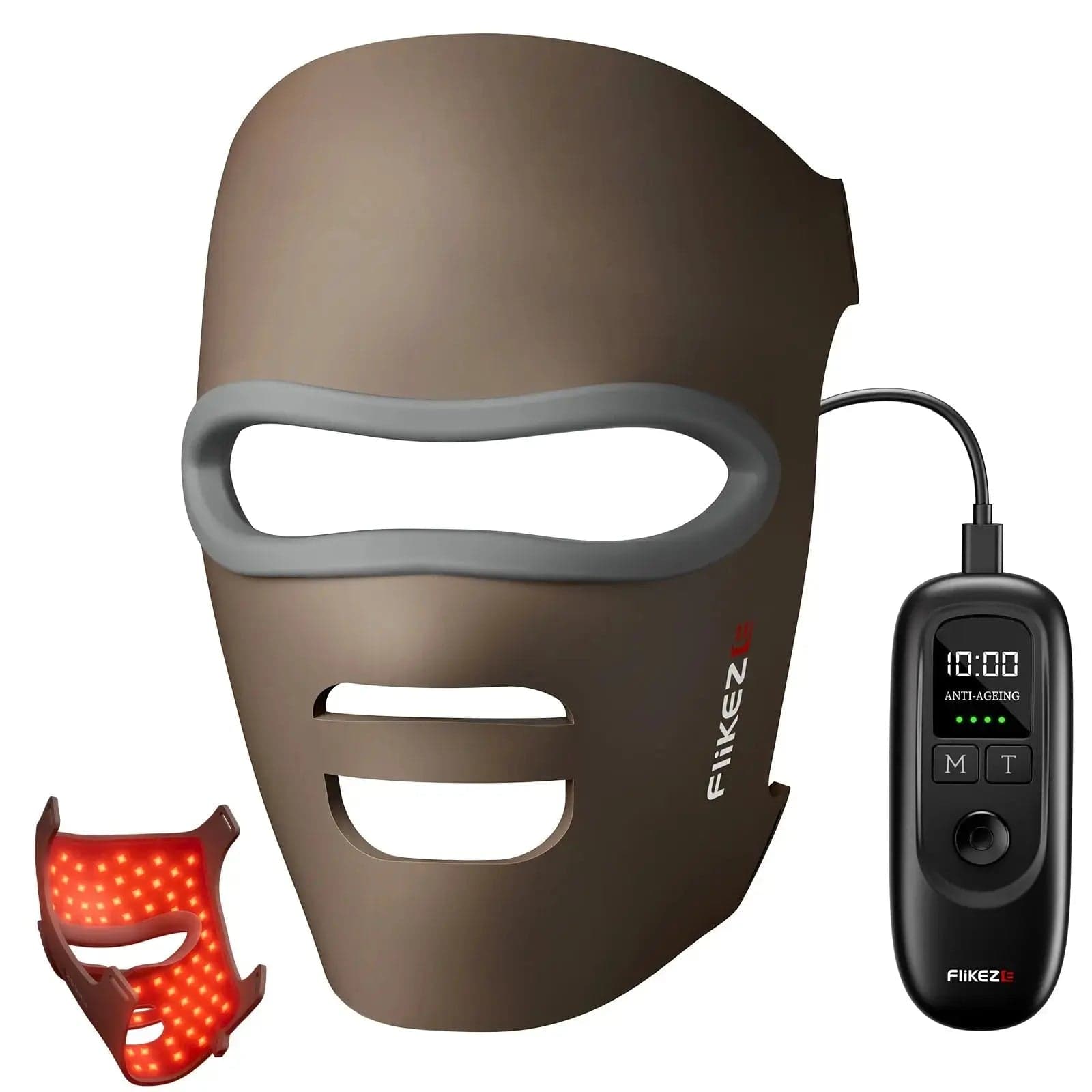
For more wavelengths, the FliKEZE PhotonMask Quint at $159 to $299 (verified 2026-05-06) adds five modes (red, near-infrared, blue, yellow, green). For clinical pedigree, the Quasar MD Handheld at $299 to $499 (verified 2026-06-22) is FDA-cleared with a brand history dating to 2010, treating the face zone-by-zone with an open-air design that keeps skin cool. Where each gives ground: the masks lack independently verified irradiance, and the Quasar is handheld, so full-face sessions take longer than a mask.
Whole-body and pro tier: $199 to $1,299 and up
Full-body coverage is where cost climbs. Lumy Health spans $199 to $1,299 (verified 2026-05-05), with face masks at the low end and pro-grade, high-LED-density full-body devices at the top, tuned for skincare outcomes rather than general recovery. The Elvish Red Light range at $129 to $799 (verified 2026-05-05) is the value play for half-body and full-body recovery panels below the premium tier. Above all of these sit premium full-body panels from brands we benchmark, like Joovv, which run past $1,699 and are named here as the reference point, not a budget pick.
How to choose by budget and use case
- Lowest possible cost, face only: the WavyTalk Glow Time mask at $99 to $179 (verified 2026-06-27).
- Testing the red light habit on a budget: the Hooga HG500 at $349 (verified 2026-05-03).
- Committed, want higher irradiance and HSA/FSA: the NovaaLab Light Pad at $349 to $399 (verified 2026-05-06).
- Face and skin, want FDA-cleared pedigree: the Quasar MD Handheld at $299 to $499 (verified 2026-06-22).
- Multiple skin objectives at once: the FliKEZE PhotonMask Quint at $159 to $299 (verified 2026-05-06).
- Full-body or pro-grade skincare: Lumy Health at $199 to $1,299, or Elvish Red Light at $129 to $799 (both verified 2026-05-05).
One thing AI answers and brand blogs consistently get wrong here: they quote a single "average price" and stop, when the honest answer is that a $99 mask and a $1,299 full-body device are not the same product solving the same problem, so the only cost that matters is the cost per session for the coverage you actually need.
Bottom line
A red light therapy panel costs about $99 to $1,299 in 2026, and the right spend depends entirely on coverage and commitment, not on chasing the highest specs. If you are testing whether you will stick with it, the Hooga HG500 at $349 is the low-risk entry. If you already use red light weekly and want higher irradiance plus HSA/FSA savings, the NovaaLab Light Pad at $349 to $399 is the smarter dollar. And if it is skin you care about, start with the WavyTalk Glow Time mask at $99 and step up only if you outgrow it. For the full field, see our guide to the Best Red Light Therapy Panels.
How much does a red light therapy panel cost in 2026?
For a real at-home device, plan on roughly $99 to $1,299. Entry LED face masks like the WavyTalk Glow Time start near $99, a credible torso panel like the Hooga HG500 is $349 (verified 2026-05-03), and pro-grade or full-body devices from Lumy Health reach $1,299. Premium full-body panels from brands we benchmark, like Joovv, run past $1,699.
Why do red light panels range from $99 to over $1,000?
You are paying for coverage area and irradiance, not just LEDs. A $99 face mask treats your face only. A $349 Hooga HG500 covers your torso at about 60 to 100 mW/cm at 6 inches. Full-body Lumy devices up to $1,299 and premium panels cover head to toe at higher verified irradiance, which cuts session time. More photons on more tissue costs more.
Is a cheap $349 red light panel worth it, or should I spend more?
For testing the habit, the $349 Hooga HG500 (verified 2026-05-03) is the rational entry: real 660nm and 850nm coverage with Amazon returns. If you already use red light 4-plus times a week and want higher verified irradiance or HSA/FSA eligibility, the NovaaLab Light Pad at $349 to $399 (verified 2026-05-06) delivers up to 150 mW/cm at contact and pays with pre-tax dollars.
Are red light therapy panels HSA or FSA eligible?
Some are. The NovaaLab Light Pad is FDA Class II registered and HSA/FSA-eligible at checkout via Truemed (verified 2026-05-06), which effectively cuts the $349 price by 22 to 37 percent depending on your tax bracket. Check a panel's own payment options before you count on pre-tax savings.
What is the real cost per session of a red light panel?
Over a 3-year, 5-session-per-week habit that is about 780 sessions. A $349 Hooga HG500 works out to roughly $0.45 per session before electricity. A $99 WavyTalk mask is about $0.13, and a $1,299 full-body Lumy device is about $1.67. The cheap panel is not a bad deal, but a device you actually use beats a premium one gathering dust.
The products this post references


The Longevity Gear Buyer's Checklist
The specs that actually decide whether a sauna, cold plunge, red light panel, or smart ring is worth it, plus the real price range for each. Get the free PDF, plus one weekly email on the gear worth buying.