Lifespan Vault earns an affiliate commission when you buy through links on this page, at no extra cost to you. It does not change our rankings or our verdicts. As an Amazon Associate, Lifespan Vault earns from qualifying purchases.
You want red light in your routine, and the two shapes on the shelf could not be more different. A full-body panel throws light across your whole body, but you have to plant yourself in front of it and hold still. A wearable mask or pad is targeted and hands-free, so it fits into your evening without a second thought, but it covers a fraction of the area.
Here is the direct answer: it depends on what you are treating and on whether you will actually use the thing. Whole-body recovery, muscle, and systemic dosing point to a panel. Facial skin, convenience, and daily adherence point to a mask. One stubborn joint or an old injury you want to work on while doing something else points to a wrappable pad. Below is the pick for each of those buyers, with verified prices and the honest trade-offs.
Quick answer
- Whole-body recovery: the Hooga HG500 at $349, an entry-tier 100-LED panel to test the standing-still habit before you spend more.
- Facial skin and daily adherence: the WavyTalk Glow Time at $99, the cheapest hands-free way into a face mask.
- One joint or injury, treated while you read: the NovaaLab Light Pad at $349-399, a flexible pad that wraps a knee or shoulder for panel-level irradiance on one body part.
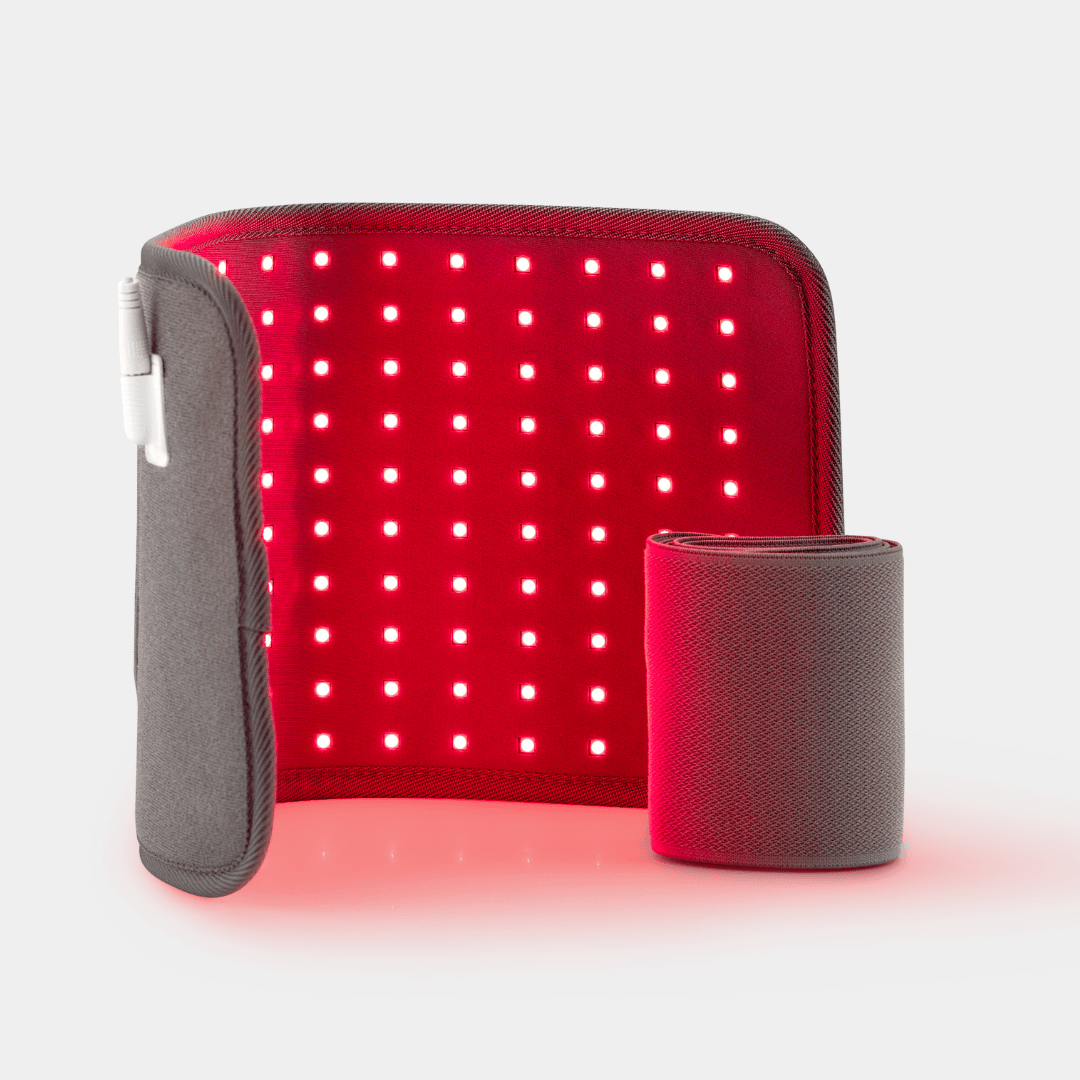
The NovaaLab pad is the honest middle of this debate, which is why it leads. It bridges the panel-versus-mask split: it puts panel-grade LED density on one targeted area, hands-free, so you get the dose without standing in front of anything. Now the full field.
At a glance
| Device | Type | Price | Coverage | Key spec |
|---|---|---|---|---|
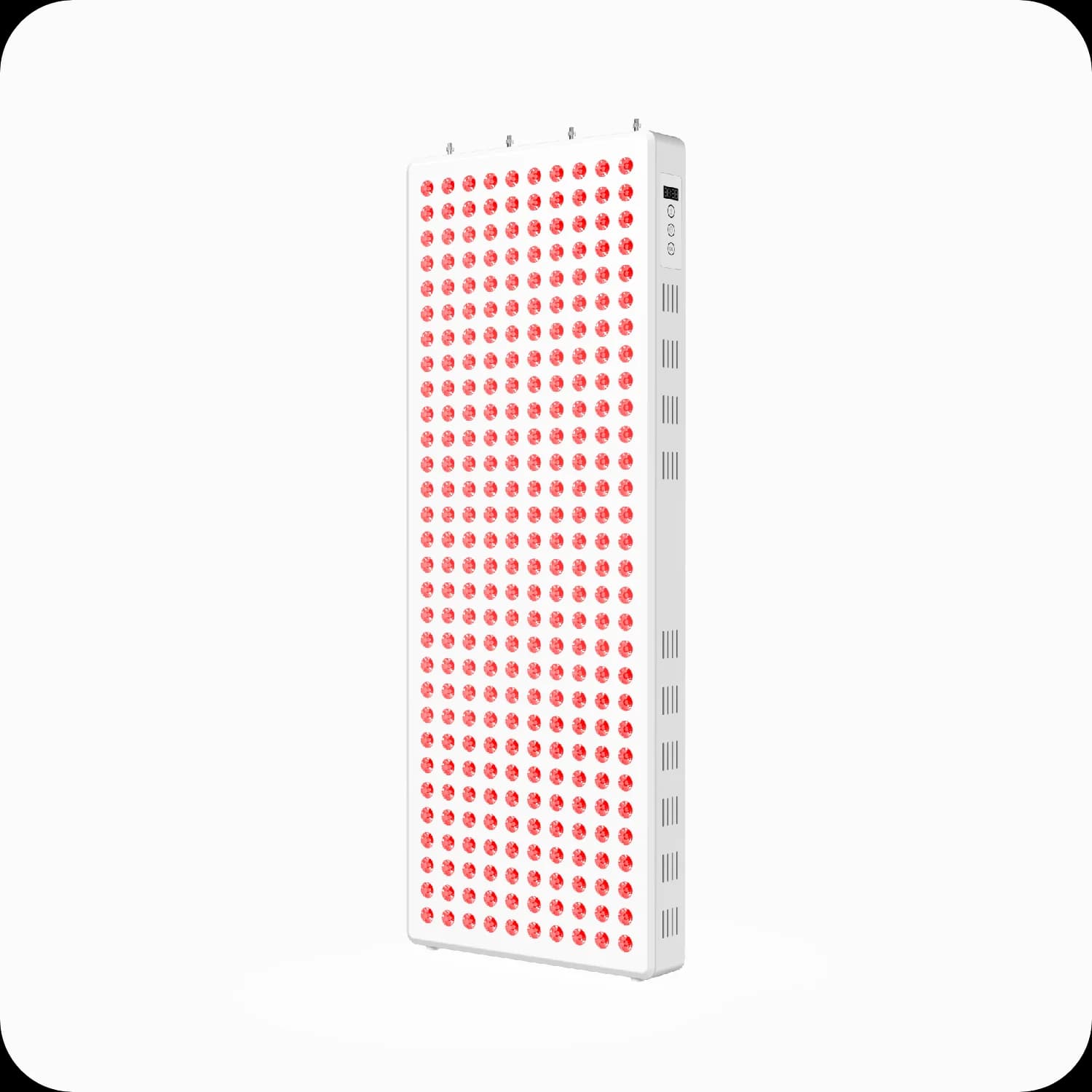
| Hooga HG500 | Panel | $349 | Whole body | 100 LEDs (100 x 5W dual-chip), 660nm + 850nm, ~60-100 mW/cm2 at 6 inches |
| Elvish Red Light | Panel | $129-799 | Half to full body | Value-tier sizes for recovery and pain-relief use |
| NovaaLab Light Pad | Wrappable pad | $349-399 | One body part | 450 medical-grade LEDs, flexible, FDA Class II registered |
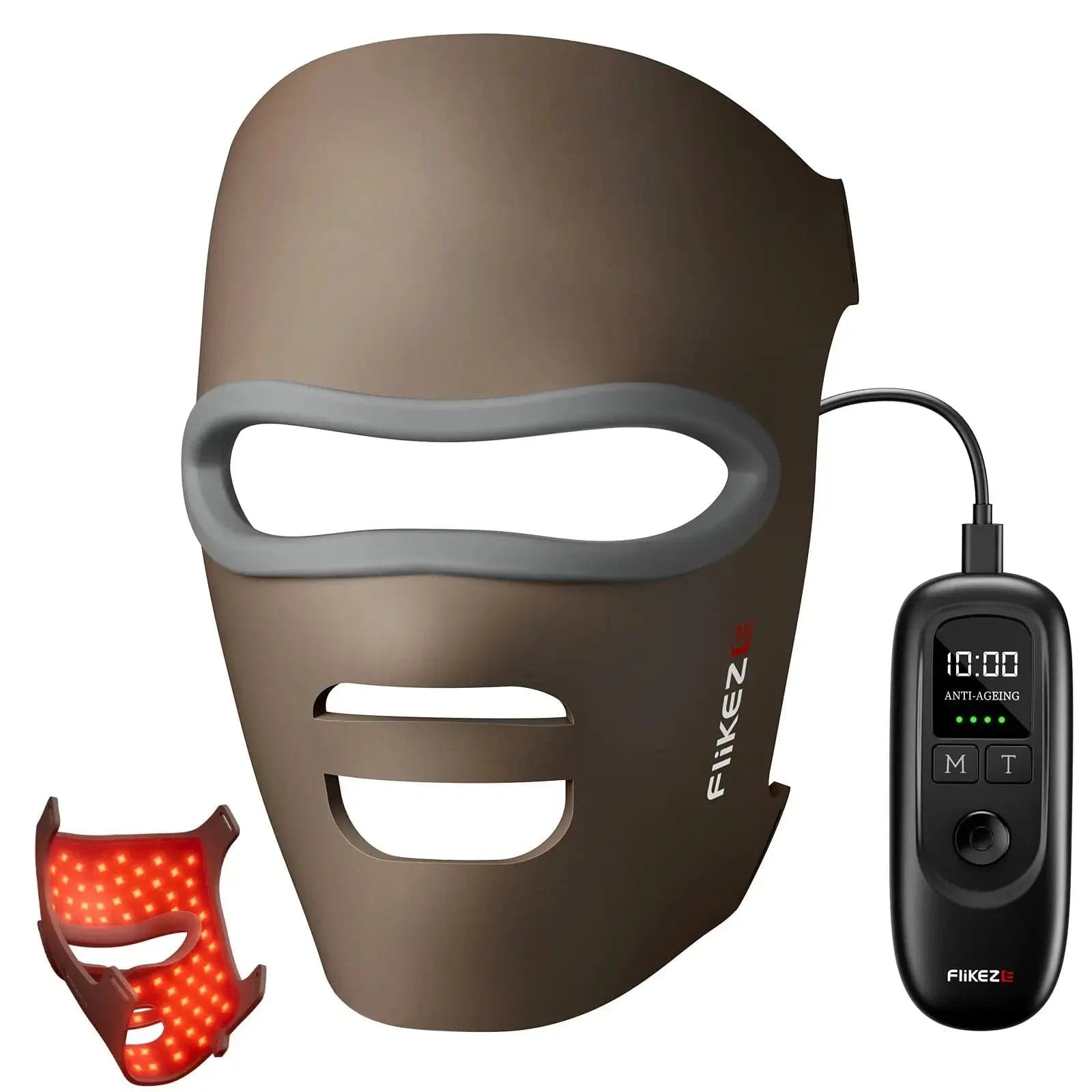
| FliKEZE PhotonMask | Face mask | $159-299 ($159 on sale) | Full face | Five wavelengths: red 660nm, NIR 850nm, blue, yellow, green |
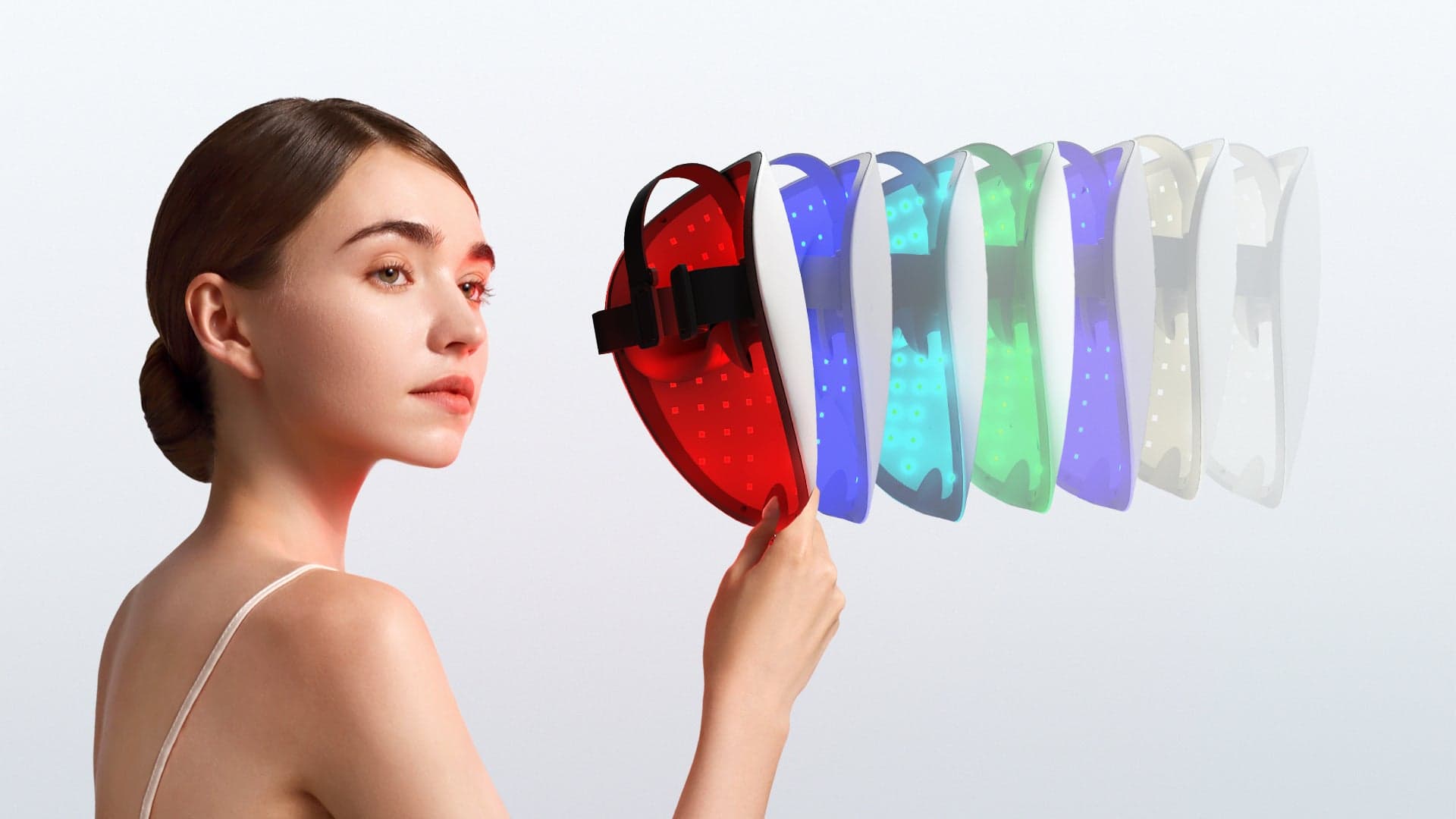
| WavyTalk Glow Time | Face mask | $99-179 | Full face | 456 LEDs, red/blue/yellow |
| Quasar MD Plus | Handheld | $299-499 | Face, targeted | FDA-cleared, 20+ years of brand history, clinically cited |
| Lumy Health | LED skincare | $199-1299 | Face | Broad-spectrum, pro-grade |
The number that matters most in that table is measurement condition. Panel irradiance is quoted at a fixed distance, so the Hooga HG500's roughly 60-100 mW/cm2 holds only at 6 inches; move back and the dose drops. Masks and the NovaaLab pad sit against the skin, which removes distance as a variable. Keep that in mind as you read the picks.
The whole-body dose case: buy a panel
If your goal is systemic, meaning recovery, muscle, and covering large areas rather than one patch of skin, a mask cannot do it. Light that only touches your face never reaches your quads or your back. This is the one category where the shape of the device decides the outcome, not your preference.

The Hooga HG500 at $349 is the sensible way to find out whether you will keep this habit. It runs 100 LEDs (100 x 5W dual-chip) at 660nm and 850nm and lands roughly 60-100 mW/cm2 at 6 inches, with Amazon Prime shipping so it arrives fast. It is entry-tier by design: enough panel to build the routine on without a premium outlay before you know you will stand in front of it three times a week.
Where it gives ground: the whole burden is on you. The dose depends on standing at the correct distance and staying there, and a panel does nothing while it sits in the corner. If you know you will not carve out standing time, the adherence math favors a wearable instead.
For the shopper who wants coverage at the lowest cost, the Elvish Red Light range spans $129 to $799 across half-body and full-body sizes, positioned for recovery and pain-relief use as a lower-cost alternative to premium panels. The trade-off is the same standing-still commitment, just at a friendlier entry price.
The facial-skin and adherence case: buy a mask
Most people buy red light for their face and then quietly stop using a device that asks them to sit still. A mask fixes the behavior problem: you strap it on, keep moving, and the thing you own is the thing you use. That is the entire argument for a mask, and it is a strong one, because a device used nightly beats a stronger device that lives in the closet.

The WavyTalk Glow Time at $99 is the cheapest way in, with 456 LEDs across red, blue, and yellow. If you want more spectrum, the FliKEZE PhotonMask runs $159 to $299 ($159 on sale) and adds five wavelengths: red 660nm, near-infrared 850nm, plus blue, yellow, and green, all worn hands-free. And if brand track record matters to you, the Quasar MD Plus at $299-499 is an FDA-cleared handheld with 20-plus years of history and clinical citations behind it; it treats the face in a targeted pass rather than lighting the whole face at once.
Where it gives ground: coverage. A mask does not give whole-body benefits, full stop. It is a facial-skin and convenience device, and no amount of wavelengths changes the fact that the light never leaves your face. If you also want systemic recovery, you are buying a mask in addition to a panel, not instead of one.
For a broader skincare device budget, the Lumy Health line spans $199 to $1299 in broad-spectrum, pro-grade formats for buyers who want more than an entry mask.
The single-joint case: buy a wrappable pad
There is a third buyer the panel-versus-mask framing ignores: the person with one knee, one shoulder, one specific spot. A panel makes you hold that joint at the right distance and stay put. A mask cannot reach it at all. The wrappable pad is built exactly for this gap.
The NovaaLab Light Pad at $349-399 carries 450 medical-grade LEDs in a flexible pad that wraps over a knee or shoulder, and it is FDA Class II registered. Because it sits directly on the skin, you get panel-level irradiance on one body part with none of the distance guesswork, and you can do it while reading or working. It is the true bridge product: the targeting of a mask with the LED density of a panel.
Where it gives ground: area. It treats one part at a time, so it is not a whole-body solution and it is not a face-first skincare device. If your target is systemic, a panel covers more; if your target is your face, a mask is cheaper and purpose-built.
How to choose
- You want whole-body recovery and will stand in front of a panel: the Hooga HG500 at $349 to test the habit, or an Elvish panel from $129 for value coverage.
- You want facial skin results and will actually use it nightly: the WavyTalk Glow Time at $99 for the cheapest entry, the FliKEZE PhotonMask from $159 for five wavelengths, or the Quasar MD Plus from $299 for a clinically-cited handheld.
- You are targeting one joint or an old injury while doing something else: the NovaaLab Light Pad at $349-399.
- You want a broader pro-grade skincare device: the Lumy Health range from $199.
Bottom line
There is no single winner here, only a right tool for what you are treating. If you want a whole-body dose and you will stand still for it, buy a panel: the Hooga HG500 at $349 to test the habit, or an Elvish panel from $129 for value. If you want facial skin and, honestly, if you want to keep using the device, buy a mask: the WavyTalk at $99 or the FliKEZE from $159. And if the target is one stubborn joint, the NovaaLab Light Pad at $349-399 is the pad that splits the difference. Remember the two honest limits: a mask never touches the rest of your body, and a panel only doses you if you stand at the right distance.
Is a red light panel or a face mask better?
Neither wins outright. A panel delivers a whole-body irradiance dose (the Hooga HG500 hits roughly 60-100 mW/cm2 at 6 inches) but demands you stand still in front of it. A mask like the WavyTalk at $99 is hands-free and targeted to facial skin, so people actually use it daily. Pick by target: whole-body recovery favors the panel, facial skin favors the mask.
Does a red light face mask give whole-body benefits?
No. A face mask covers only the face, so its light never reaches your muscles, joints, or systemic tissue. It cannot deliver the whole-body dose a panel does. If you want systemic recovery, a panel such as the Hooga HG500 at $349 or a value Elvish panel from $129 is the right tool. A mask is a facial-skin and convenience device.
How much do red light panels and masks cost in 2026?
Face masks are the cheaper entry: the WavyTalk Glow Time starts at $99 and the FliKEZE PhotonMask runs $159 to $299 ($159 on sale). Panels start around $129 for a small Elvish size and run to $799 for full-body; the Hooga HG500 sits at $349. The NovaaLab wrappable pad, a middle path, is $349 to $399.
Why does distance matter with a red light panel?
A panel's irradiance falls off sharply as you move away from it, so the dose depends entirely on standing at the right distance. The Hooga HG500 is rated at roughly 60-100 mW/cm2 measured at 6 inches; step back and that number drops fast. Masks and wrappable pads sit directly against the skin, which removes the distance variable and makes dosing more consistent.
What is the best red light device for one specific joint or injury?
A wrappable pad beats both a panel and a mask for a single joint. The NovaaLab Light Pad, at $349 to $399 with 450 medical-grade LEDs and FDA Class II registration, conforms over a knee or shoulder so you get panel-level irradiance on one body part while reading. A panel forces you to hold still; a face mask cannot reach a joint at all.
The products this post references

The Longevity Gear Buyer's Checklist
The specs that actually decide whether a sauna, cold plunge, red light panel, or smart ring is worth it, plus the real price range for each. Get the free PDF, plus one weekly email on the gear worth buying.