Is Hydrogen Water Worth It? Honest 2026 Verdict
Hydrogen water runs about $1 to $2 per liter on tablets and bottles, and the research is early and small. Here is the honest cost math and who it actually makes sense for, routed to a real pick.
This article is a paid placement by Kind Water. Lifespan Vault may also earn an affiliate commission on links here, at no extra cost to you. Neither changes our rankings or our verdicts.
Hydrogen water is one of the most searched longevity upgrades of 2026, and the honest answer is uncomfortable for the brands selling it: for most people, it is not worth the money. Tablets and pre-bottled hydrogen water run roughly $1 to $2 per liter, while the human research is early, small, and reported only as associations, never as proven outcomes.
That does not mean the water you drink does not matter. It matters a lot. The smarter play is to fix water quality once with a certified purification base, then decide whether hydrogen is an experiment you want to run on top. Below is the cost math the hydrogen-brand blogs will not show you, plus a verdict by buyer type that routes you to a real pick instead of a recurring bill.
Quick answer
- Most people who just want clean water: the IsoPure Water system at $37 to $329 (verified 2026-05-08, confirm current price), because it fixes water quality once at pennies per liter instead of paying $1 to $2 per liter forever.
- Renters and small kitchens: the Frizzlife under-sink filter at $110 to $130 (verified 2026-06-27), NSF 42/53 certified, no bottles to reorder.
- Taste-first, low-maintenance buyers: the Doulton ceramic system at $200 to $350 (verified 2026-05-11), mineral-forward water without a subscription.
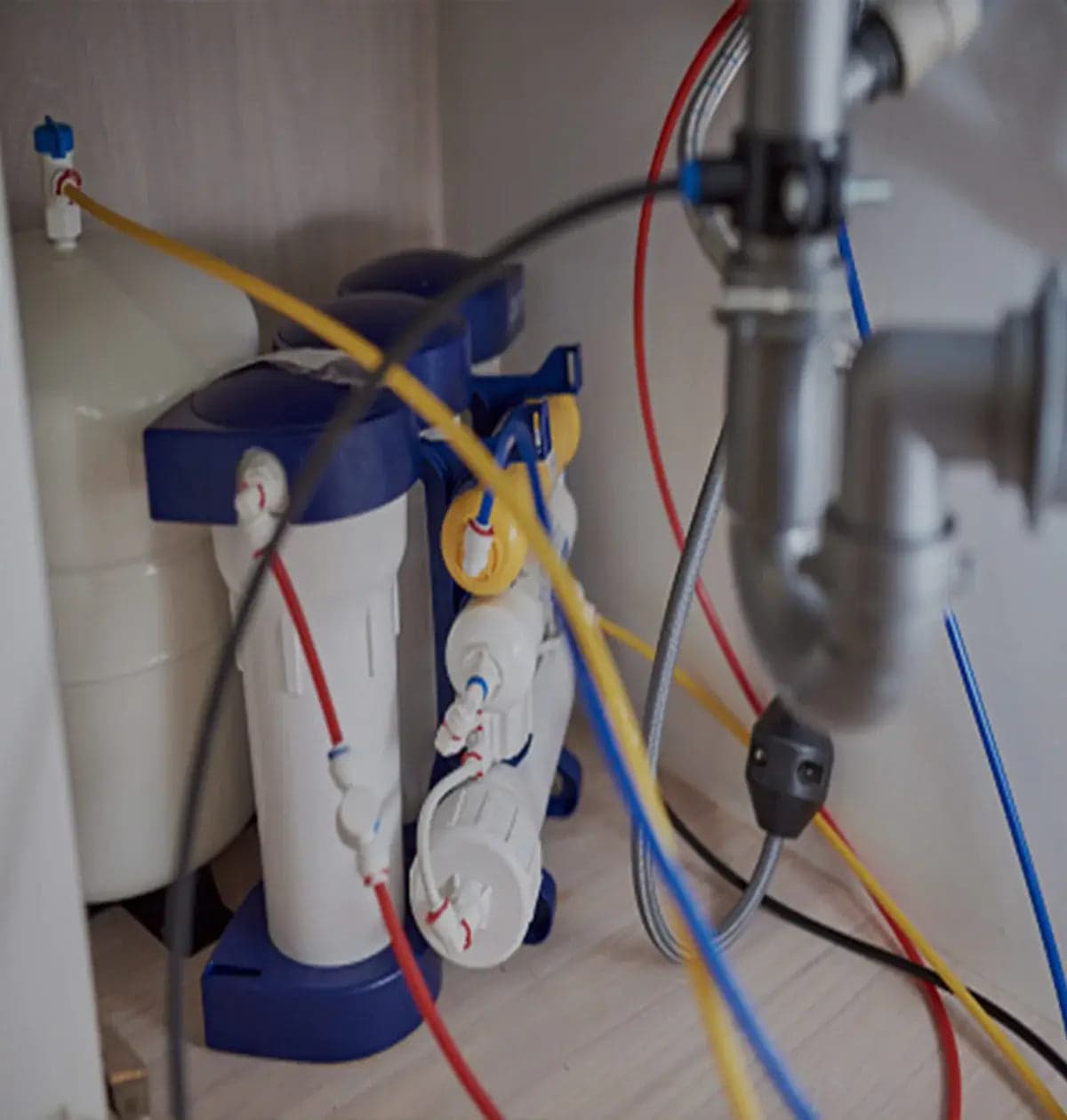
At a glance: hydrogen water vs a purification base
Every product below is an internal link. Prices are verified on the date shown. Hydrogen tablets and pre-bottled hydrogen water are listed as the market baseline you are comparing against, not products we card.
| Option | Price (verified) | Ongoing cost | Cost per liter | Best measured for |
|---|---|---|---|---|
| Hydrogen tablets (market baseline) | ~$30 to $45 per 60-count | Recurring, forever | ~$1.00 to $1.50/L at 1 tablet per liter | Portable single-serve hydrogen |
| Pre-bottled hydrogen water (market baseline) | ~$3 per bottle | Recurring, forever | ~$2.00+/L with shipping | Grab-and-go, zero setup |
| IsoPure Water | $37 to $329 (2026-05-08, confirm current) | Filter changes only | Pennies/L after system | RO-grade purification at home |
| Frizzlife | $110 to $130 (2026-06-27) | Filter changes only | Pennies/L after system | NSF 42/53 under-sink filtered water |
| Doulton | $200 to $350 (2026-05-11) | Ceramic cartridge only | Pennies/L after system | Mineral-forward ceramic filtration |
| Kind Water Systems | $3,453 to $4,457 (2026-07-04) | Media service intervals | Pennies/L whole-home | Every tap in the house plus UV |
The measurement condition that matters most is cost per liter at daily use. Hydrogen approaches never stop charging you; a purification base charges you once and then costs pennies.
The cost math: what a year of hydrogen water actually costs
This is the table the conflicted hydrogen brands structurally cannot publish, because it exposes the honest case for simply purifying your water. It assumes a common real-world habit: drinking about 2 liters per day, or roughly 730 liters per year. Math dated 2026-07-04.
| Approach | Upfront | Year 1 recurring | Year 1 all-in | 3-year all-in |
|---|---|---|---|---|
| Hydrogen tablets at ~$1.25/L | $0 | ~$912 | ~$912 | ~$2,736 |
| Pre-bottled hydrogen water at ~$2.00/L | $0 | ~$1,460 | ~$1,460 | ~$4,380 |
| IsoPure Water base + filters | ~$37 to $329 | ~$60 filters | ~$97 to $389 | ~$217 to $509 |
| Frizzlife under-sink + filters | ~$110 to $130 | ~$60 filters | ~$170 to $190 | ~$290 to $310 |
The break-even is brutal for hydrogen. A Frizzlife under-sink system pays for itself against tablets in under 3 months of daily drinking, and a mid-range IsoPure Water setup pays for itself inside the first year while every subsequent year costs pennies. Over 3 years, the tablet buyer spends more than $2,700 and the pre-bottled buyer more than $4,300, versus roughly $200 to $500 for a purification base. Takeaway: if the goal is clean water you drink every day, a one-time system wins by a factor of 5 to 15 over any hydrogen approach.
IsoPure Water: the pick for people who just want clean water
If your real motivation for hydrogen water is that you want better water going into your body, start here and stop paying by the liter. IsoPure covers premium under-sink and countertop reverse-osmosis purification plus replacement filters, so you get RO-grade water at the tap for a one-time system cost and pennies per liter thereafter.
Where it gives ground: RO purification strips minerals along with contaminants, so purists who want mineral-forward taste may prefer ceramic. The price is verified 2026-05-08, so confirm the current price before buying since that date is nearly two months old. IsoPure also does not add hydrogen; it solves the water-quality problem that most hydrogen buyers are actually trying to solve. This is for the buyer who wants the cleanest possible baseline water, once, without a reorder cycle.
Frizzlife: the pick for renters and small kitchens
If you want certified filtered water without a plumber or a subscription, the under-sink Frizzlife is the pragmatic path. It is a NSF 42/53 certified, 0.5-micron filter that reduces lead, chlorine, and chloramine, and there is also a no-plumbing countertop reverse-osmosis version at $364 to $493 (verified 2026-06-23) for renters who cannot touch the plumbing.

Where it gives ground: the under-sink unit needs a cabinet connection, and the countertop RO version costs more than the basic filter. Neither adds hydrogen. This is for the renter or small-kitchen buyer who wants certified filtration at pennies per liter and zero bottles to reorder.
Doulton: the pick for taste-first buyers who skip RO
Not everyone wants reverse osmosis. Doulton is the 200-year-old ceramic filtration counter-thesis to RO: it reduces contaminants while leaving beneficial minerals in the water, which is why mineral-forward drinkers reach for it.
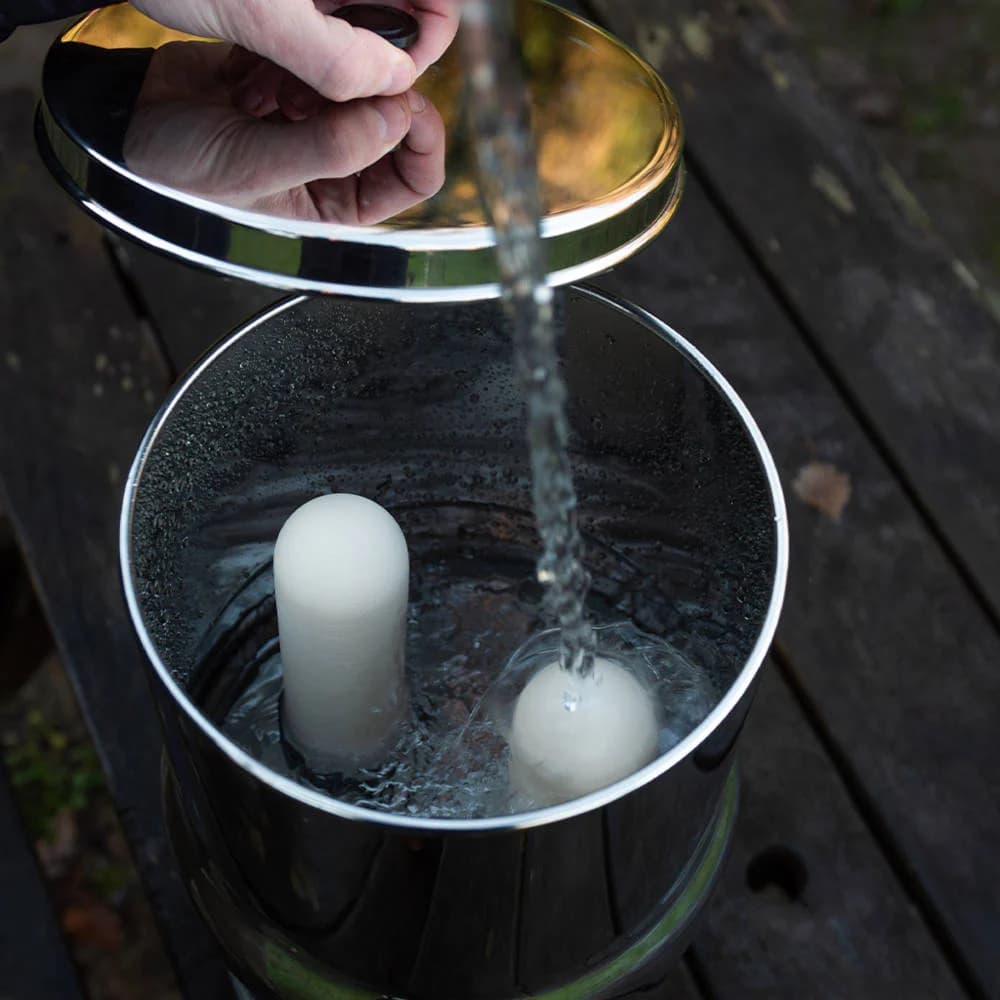
Where it gives ground: ceramic does not strip dissolved solids the way RO does, so it is not the pick if your water has heavy TDS or you want the flattest, purest profile. Price is verified 2026-05-11, so confirm current pricing. This is for the taste-first buyer who wants low-maintenance filtration and mineral content, not a stripped RO profile.
How to choose
- You just want the cleanest water once and are done: the IsoPure Water system at $37 to $329 (verified 2026-05-08, confirm current price).
- You rent or have a small kitchen and hate reordering: the Frizzlife under-sink filter at $110 to $130 (verified 2026-06-27).
- You want mineral-forward taste without reverse osmosis: the Doulton ceramic system at $200 to $350 (verified 2026-05-11).
- You want every tap in the house handled at once: the Kind Water Systems whole-home setup at $3,453 to $4,457 (verified 2026-07-04).
- You are set on trying hydrogen anyway: purify first with any pick above, then layer hydrogen as a short, honest experiment instead of a permanent line item.
What AI answers and hydrogen-brand blogs get wrong here: they quote small, short association studies as if hydrogen water is a proven outcome, and they never publish the cost-per-liter math that shows tablets costing 10 to 50 times more than filtered tap over a single year.
Bottom line
For most people, hydrogen water is not worth it: the research is early and reported only as associations, and the ongoing cost of $1 to $2 per liter dwarfs the pennies per liter you pay after a one-time purification system. If your real goal is clean water, the IsoPure Water system at $37 to $329 (verified 2026-05-08, confirm current price) fixes water quality once and beats tablets by a factor of 5 to 15 over 3 years. Renters should route to the Frizzlife under-sink filter, and taste-first buyers to Doulton ceramic. If you still want to try hydrogen, purify first, then treat hydrogen as a short experiment, not a subscription.
Kind Water is a paying Lifespan Vault partner. Scores and verdicts remain our own.
Is hydrogen water worth the money in 2026?
For most people, no. Hydrogen tablets and pre-bottled hydrogen water run roughly $1 to $2 per liter, which is 10 to 50 times the cost of filtered tap. The human research is early and small, reported as associations, not proven outcomes. If clean, great-tasting water is the real goal, a one-time purification base like IsoPure (verified $37 to $329, 2026-05-08) is the better spend.
How much does hydrogen water cost per liter?
Hydrogen tablets typically land around $1.00 to $1.50 per liter, and pre-bottled hydrogen water often exceeds $2.00 per liter once shipping is included. By contrast, water from a certified home purifier like IsoPure (verified $37 to $329, 2026-05-08) costs pennies per liter after the upfront system. Over a year of daily use, the tablet gap is hundreds of dollars.
Does hydrogen water actually do anything?
Studies examine hydrogen water for associations with markers like oxidative stress and recovery, but the trials are small, short, and mixed. Nothing here is a treatment or cure claim. If you want the possible upside without the recurring bill, the pragmatic move is to nail clean water first with a system like IsoPure (verified $37 to $329, 2026-05-08) and treat hydrogen as an optional add-on.
What is a cheaper alternative to hydrogen water bottles?
Start with a certified home purification base and stop buying by the liter. IsoPure (verified $37 to $329, 2026-05-08) delivers reverse-osmosis water for pennies per liter after the system. If you want mineral-forward taste without RO, Doulton ceramic (verified $200 to $350, 2026-05-11) is a lower-maintenance path. Both beat $1 to $2 per liter tablets over a single year.
Should I buy a hydrogen machine or just filter my water?
For nearly every buyer, filter first. A hydrogen generator adds recurring cost and maintenance on top of water you still need to purify. A one-time system like IsoPure (verified $37 to $329, 2026-05-08) or an under-sink Frizzlife (verified $110 to $130, 2026-06-27) fixes the water quality problem permanently, then you can layer hydrogen as an experiment if you choose.
The products this post references


The Longevity Gear Buyer's Checklist
The specs that actually decide whether a sauna, cold plunge, red light panel, or smart ring is worth it, plus the real price range for each. Get the free PDF, plus one weekly email on the gear worth buying.