Omni Health Ring vs Oura Ring Gen 4: Should You Pay 2x for the Brand?
Oura is the established gold standard. Omni Health Ring is the value-tier challenger at half the price with no subscription. Here's the actual decision framework - including when each one is genuinely the right pick.
Lifespan Vault earns an affiliate commission when you buy through links on this page, at no extra cost to you. It does not change our rankings or our verdicts. As an Amazon Associate, Lifespan Vault earns from qualifying purchases.
Smart rings are the dominant form factor in longevity wearables for 2026 - wrist-worn devices increasingly fail the compliance test (taken off for sleep within weeks) while rings get worn 24/7 by anyone who tries them seriously. The category leader is Oura Ring Gen 4 ($349-499 + $5.99/mo Membership). The value-tier challenger that just landed in our affiliate dashboard is the Omni Health Ring ($199, no subscription required).
Same form factor. Roughly comparable biometric coverage. Very different price points and very different value propositions. Here's the head-to-head.
Spec comparison
| Spec | Omni Health Ring | Oura Ring Gen 4 |
|---|---|---|
| Hardware price | $199 | $349-499 |
| Subscription | None required (optional Super Mini AI) | $5.99/mo or $69.99/yr Membership |
| 3-year cost of ownership | $199 | $565-715 (hardware + 3 yr Membership) |
| Battery life | 5-7 days per charge | 8 days per charge |
| Charging case | Yes - 2 additional charges (15-21 day off-grid) | No |
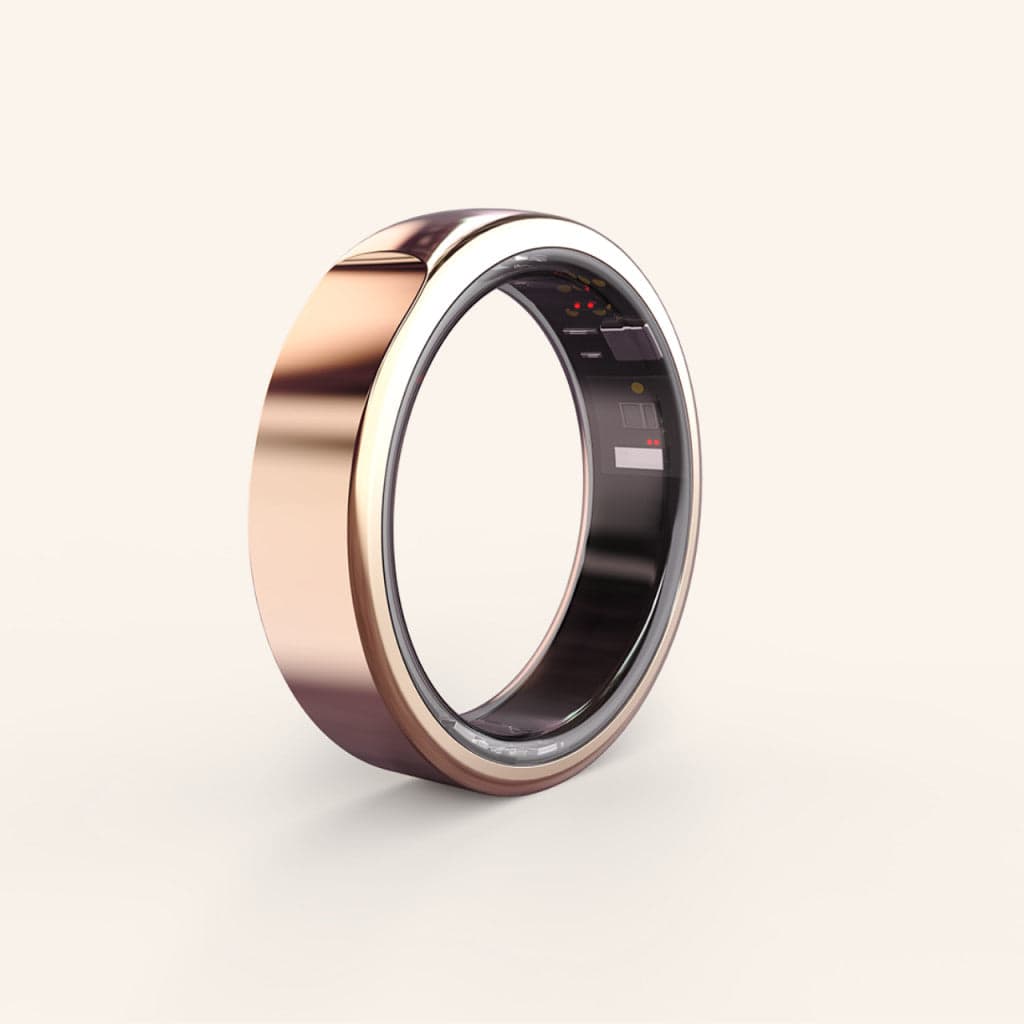
| Material | Aerospace-grade titanium | Titanium |
| Weight | 2-3 grams | 4-6 grams |
| Width × thickness | 6.5mm × 2.4mm | ~7.9mm × 2.55mm |
| Sensors | Red + IR LEDs (SpO2), HR, HRV, temperature | Red + IR LEDs, infrared photoplethysmography, temperature, accelerometer |
| Biomarkers | 20+ (sleep stages, HRV, SpO2, temperature, respiration) | Equivalent + extended Member-tier insights |
| AI insights | Health Agent (free tier) + Super Mini (paid AI pass) | AI insights gated behind Membership |
| App polish | Newer, improving | Most refined in the category |
| Historical data depth | Newer brand, limited longitudinal data | 5+ years of longitudinal cohort data |
| Brand age | Launched 2024-2025 | Founded 2013 |
Where Omni wins (the value argument)
- Cost over 3 years: $199 vs $565-715. Saves $370-515 over the typical Oura ownership window. For longevity buyers who plan to wear a ring for 5+ years, the gap widens to $700-1,000.
- No subscription friction: The core ring features work without paying anything monthly. Oura's most-valuable insights (daily readiness explanation, AI-driven sleep recommendations, advanced trends) require active Membership - the moment you stop paying, the app reverts to basic metrics.
- Travel battery: 5-7 day ring battery + charging case = 15-21 days of off-grid use. Oura is 8 days but no case. For frequent travelers, the Omni case advantage is real.
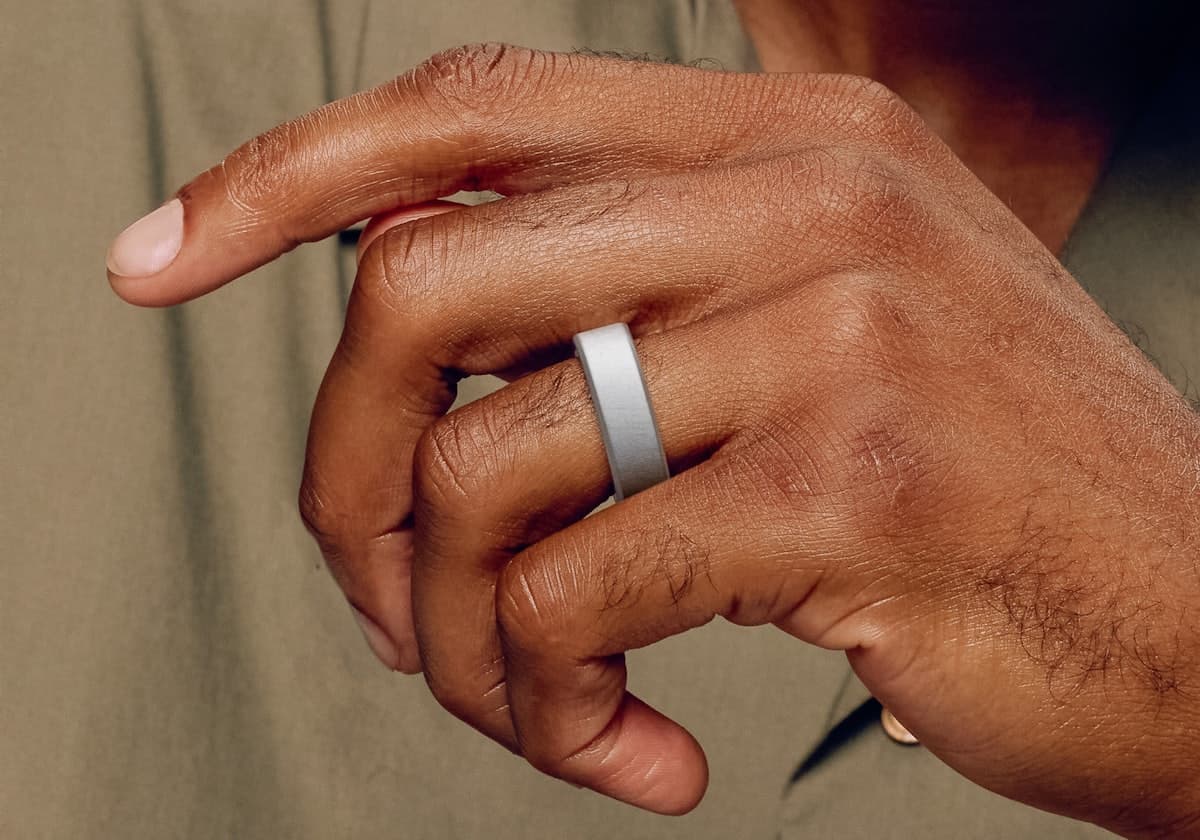
- Lighter form factor: 2-3g vs Oura's 4-6g. Some users with smaller hands find Oura too heavy for sleep wear; the Omni is closer to "feels like a regular ring" weight class.
- Cheaper trial cost: If you're testing whether smart-ring tracking actually fits your habit, $199 is a much lower-stakes commitment than $349-499 + recurring fee.
Omni Health Ring catalog page for the full spec sheet.
Where Oura wins (the brand argument)
- Historical-data depth: Oura users with 3-5 years of continuous wear have a longitudinal trend dataset that no competitor matches. Switching to Omni means starting that historical baseline over from zero. For users deep in the Oura ecosystem with multi-year trend data, the switching cost is real.
- App polish + ecosystem: Oura's iOS/Android apps are the most refined in the category. Daily readiness explanation, sleep stage interpretation, AI insights, integration with Apple Health and Google Fit - Oura sets the bar that competitors are still catching up to.
- Brand pedigree + trust: Founded in 2013 with 12+ years of operational track record, Mayo Clinic clinical-research partnerships, and the broadest user base in smart-ring history. For buyers who want the most-validated brand, Oura is the safe pick.
- Larger cohort comparison data: "How does my HRV compare to other 35-year-old men in my fitness percentile?" type questions - Oura answers these from a richer member dataset than Omni currently has.
- Temperature signal accuracy: Oura's temperature trend signal (skin temperature continuous tracking) is the killer feature for many longevity-stack buyers - catches viral load, hormonal shifts, and overtraining 24-48 hours before symptoms in many users. Omni includes temperature but doesn't yet have Oura's depth here.
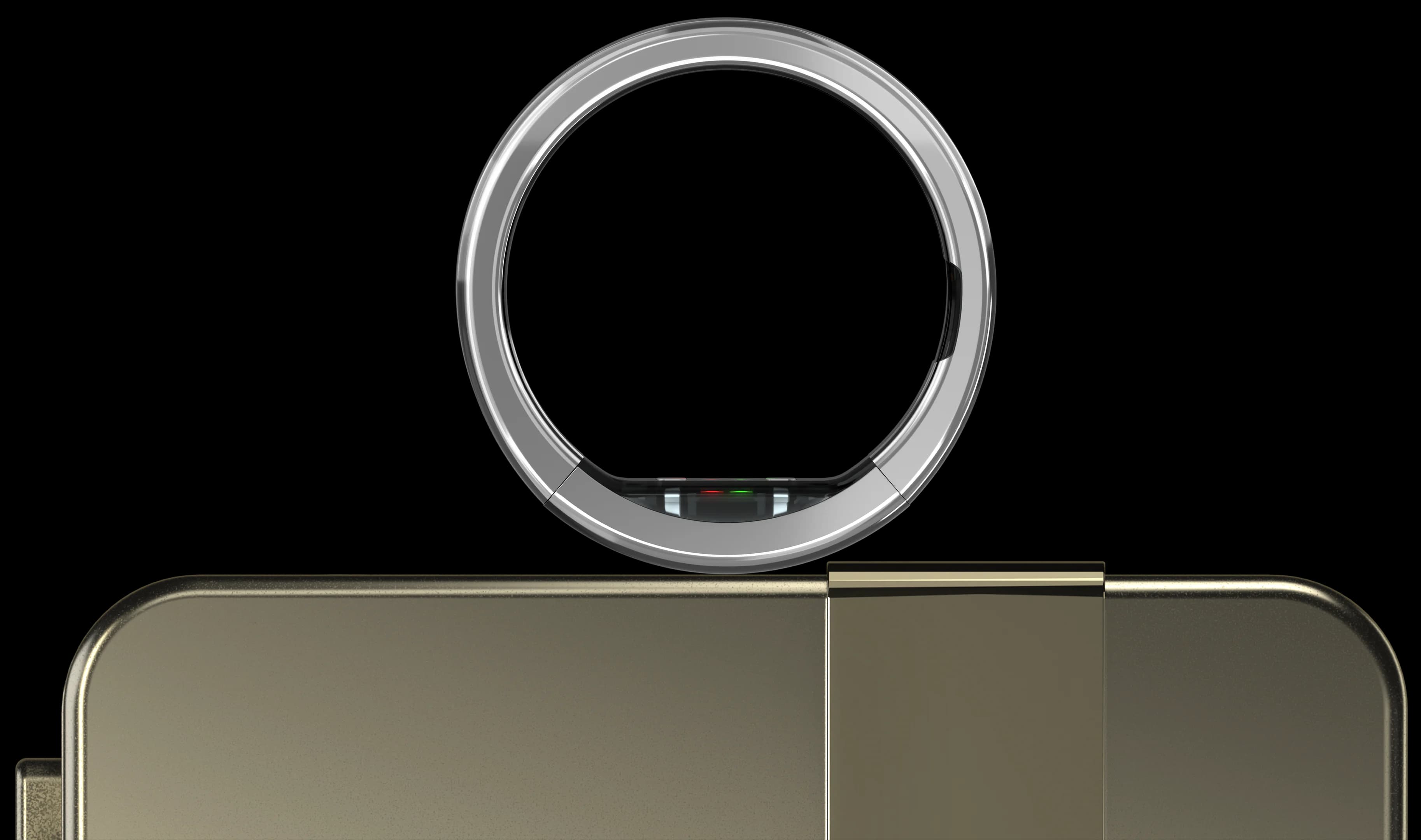
Oura Ring Gen 4 catalog page for full review.
Where neither one is the right answer
- You want strain-coaching: Go to WHOOP 5.0. Wrist-worn, athlete-focused, fundamentally different value proposition. Strain/recovery scoring is what WHOOP does that no ring can match.
- You want CGM-class glucose tracking: Ambrosia RIZZ Ring is the first non-invasive CGM smart ring. Different category - wear alongside Oura or Omni rather than instead of.
- You want zero-recurring-fee but slightly more app refinement than Omni: Ultrahuman Ring AIR at $349-449. More polished than Omni, similar no-subscription model. The middle-tier choice between Omni and Oura.
The decision framework
Pick Omni Health Ring if: - Cost matters and you're not already locked into the Oura ecosystem - You hate subscription creep and want to own the device outright - You travel frequently and value the 15-21 day off-grid battery (case included) - You have smaller hands or sleep with the ring and want lower weight - This is your first smart ring - testing the habit before committing to a more expensive ecosystem
Pick Oura Ring Gen 4 if: - You're already wearing an Oura with 1+ year of historical data (don't reset that) - The temperature trend signal specifically matters to your protocol (women's health tracking, illness early-warning, recovery monitoring) - You want the most refined app + ecosystem in the category - You're willing to pay for cohort comparison data and AI insights via Membership - Brand pedigree and clinical research validation matter to you
Pick Ultrahuman Ring AIR if: - You want no subscription but slightly more app refinement than Omni - You have a $350-450 budget but explicitly don't want recurring fees - You like the Ultrahuman ecosystem positioning (no membership lock-in, hardware-purchase-only)
Cost-of-ownership math at year 5
| Path | Year 5 total cost |
|---|---|
| Omni Health Ring | $199 (one-time hardware) |
| Ultrahuman Ring AIR | $349-449 (one-time hardware) |
| Oura Ring Gen 4 + Annual Membership | $769-915 ($349-499 + $69.99 × 5 years) |
| WHOOP 5.0 (subscription model) | $1,195 ($239/yr × 5) |
For pure cost-conscious longevity buyers, Omni wins by 4-6x over Oura at year 5. For value-conscious-but-app-polish buyers, Ultrahuman is the middle ground. For brand-validation buyers willing to pay the premium, Oura is the safe choice.
The bottom line
For most first-time smart-ring buyers in 2026 - especially those building a longevity stack on a deliberate budget - Omni Health Ring at $199 is genuinely the right pick. Same biometric coverage class, no recurring fee, lighter form factor, and the included charging case is a real advantage for travelers.
For buyers already wearing an Oura with multi-year historical data, or for buyers who specifically want the temperature trend signal at Oura's depth, Oura Ring Gen 4 is worth the premium - but go in eyes-open about the $565-715 3-year cost vs Omni's $199.
The brand premium isn't fake - Oura genuinely earned its position in the category. But for value-tier buyers, Omni Health Ring is the cleanest price-to-performance smart ring available right now.
For the broader wearable landscape including WHOOP, Apple Watch, and Garmin alternatives, see our Best Longevity Wearables 2026 pillar guide. For the no-subscription comparison specifically (Omni vs Ultrahuman vs Apple Watch SE), the next companion piece is in the queue.
- Ryan, Founder
The products this post references

The Longevity Gear Buyer's Checklist
The specs that actually decide whether a sauna, cold plunge, red light panel, or smart ring is worth it, plus the real price range for each. Get the free PDF, plus one weekly email on the gear worth buying.