The Sauna Buyer's Guide: Infrared vs Traditional, and Which One to Install
The sauna market splits on one question that determines both the health evidence and the electrical install: infrared or traditional. Here is how to choose, and which cabin fits which buyer.
Lifespan Vault earns an affiliate commission when you buy through links on this page, at no extra cost to you. It does not change our rankings or our verdicts.
Decide infrared or traditional first. That one choice sets both the health evidence behind your purchase and the electrician's invoice, and once it's made, the rest is form factor.
What the sauna evidence actually shows
The strongest sauna longevity data, the Finnish cohort work (Laukkanen) linking frequent sauna use to lower all-cause and cardiovascular mortality, was collected in traditional hot-air Finnish saunas that averaged about 79C (174F). Most infrared marketing skips that detail: the headline mortality benefit is best-evidenced in traditional, high-heat sauna.
Infrared saunas heat the body directly with radiant light at lower air temperatures (120 to 150F). The evidence for infrared is real but narrower (skin, recovery, relaxation and cardiovascular markers) and not yet at the depth of the Finnish traditional data. They're different tools, and neither is wrong:
- Traditional Finnish (high heat): the strongest cardiovascular and mortality evidence and the most intense heat, but it needs more power.
- Infrared (lower heat, deeper-feeling): gentler, faster to tolerate and cheaper to run, and a strong fit for skin, recovery and anyone who can't handle 190F air.
- Full-spectrum and hybrid: near/mid/far infrared, or infrared-plus-traditional hybrids, aim to cover both.
The 4 specs that matter
### 1. Infrared type (if going infrared) Near-infrared (NIR) penetrates deepest, mid warms tissue, and far (FIR) is the most common and most-studied infrared band. Full-spectrum cabins deliver all 3. A single-band far-infrared cabin is fine and cheaper, and full-spectrum is the upgrade.
### 2. EMF (for infrared) Infrared heaters sit inches from your body for 30+ minutes, so low-EMF heater construction matters more here than in most appliances. The credible brands publish third-party EMF readings at the bench. Treat published low-EMF numbers as a real buying signal.
### 3. Heat-up time + max temperature Traditional needs more power and time to reach 175F+. Infrared warms faster and runs cooler. Match the max temp to your goal: a cardiovascular protocol wants the higher traditional range, and infrared serves skin and recovery well.
### 4. Install: 120V plug-and-play vs 240V hardwire This is the hidden cost. Smaller infrared cabins often run on a standard 120V outlet with no electrician. Larger cabins and traditional heaters need a dedicated 240V circuit, so budget for an electrician and confirm the circuit before you buy.
Which sauna fits which buyer
- Made-in-USA traditional cabin: Almost Heaven Bridgeport - $7,624+ at almostheaven.com (from about $6,036 at some retailers), an indoor 6-person rectangular cabin with a Harvia 8kW heater, built in West Virginia since 1978.
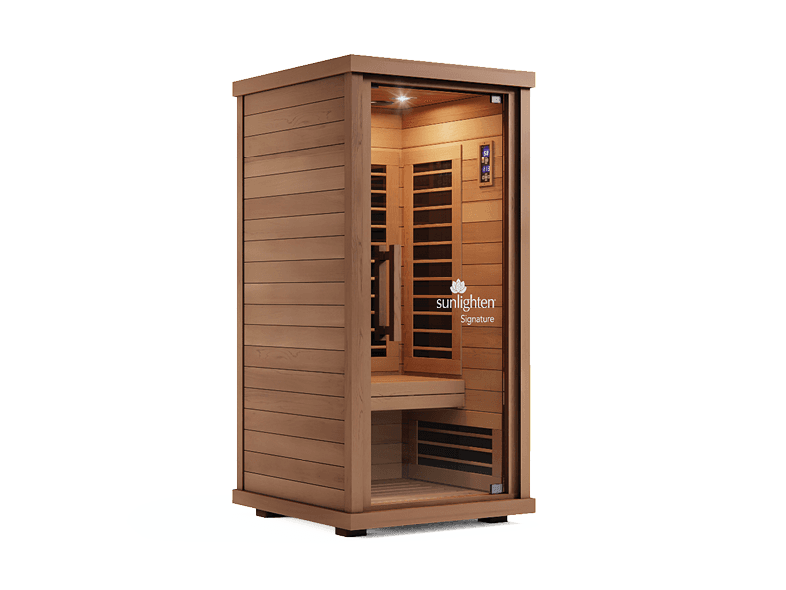
- Entry infrared: Sunlighten Signature, from $4,999 on Sunlighten's store (checked 2026-10-12), far-infrared from the category-leading brand.
- Premium full-spectrum infrared: Clearlight Sanctuary 2 ($5,495+) or Sunlighten mPulse, Sunlighten's top line (quote only).
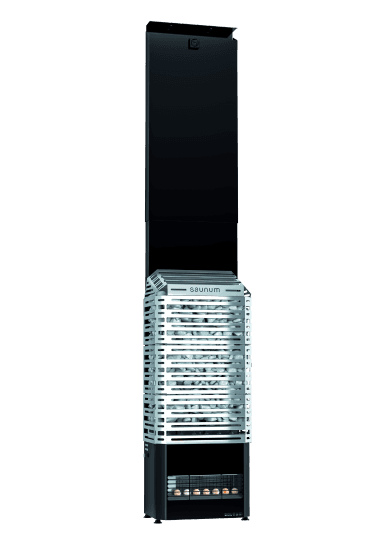
- Hybrid (infrared + humidity/traditional feel): Saunum Air - $6,495+, for buyers who want both modalities.
- Outdoor full-spectrum: Sun Home Luminar Outdoor - $7,499+, weather-rated cabin for contrast setups.
- 5-person: Sunlighten mPulse Empower, the 5-person mPulse (quote only), or Sweat Kingdom for the luxury install.
Cross-shop by budget on best saunas under $7,500, or read the full Best Infrared Saunas 2026 pillar guide. Browse infrared and cedar builds by tag.
Pair it with cold (contrast therapy)
The single strongest published HRV improvement from a home protocol is sauna-then-cold-plunge, repeated 2 to 3 cycles. If you're installing a sauna, read the Cold Plunge Buyer's Guide and time the sessions with the Sauna After Workout Protocol.
Bottom line
Buy a traditional Finnish cabin (175F+) if the cardiovascular and mortality evidence is your priority and you can install the power. Buy infrared if you want gentler heat, lower running cost, faster sessions and strong skin/recovery benefit, and demand published low-EMF numbers before you pay. Skip traditional and the larger cabins if your panel can't take a dedicated 240V circuit, and confirm that before you buy anything. If you can, pair the sauna with cold: the contrast protocol beats either alone.
- Ryan, Founder
The products this post references



The Longevity Gear Buyer's Checklist
The specs that actually decide whether a sauna, cold plunge, red light panel, or smart ring is worth it, plus the real price range for each. Get the free PDF, plus one weekly email on the gear worth buying.