TruDiagnostic TruAge Review: What an Epigenetic Age Test Actually Measures (and Costs)
Biological age tests are mostly noise - except the ones running validated, peer-reviewed clocks. Here is what TruDiagnostic TruAge measures, what it costs, and how to use it so the number means something.
Lifespan Vault earns an affiliate commission when you buy through links on this page, at no extra cost to you. It does not change our rankings or our verdicts.
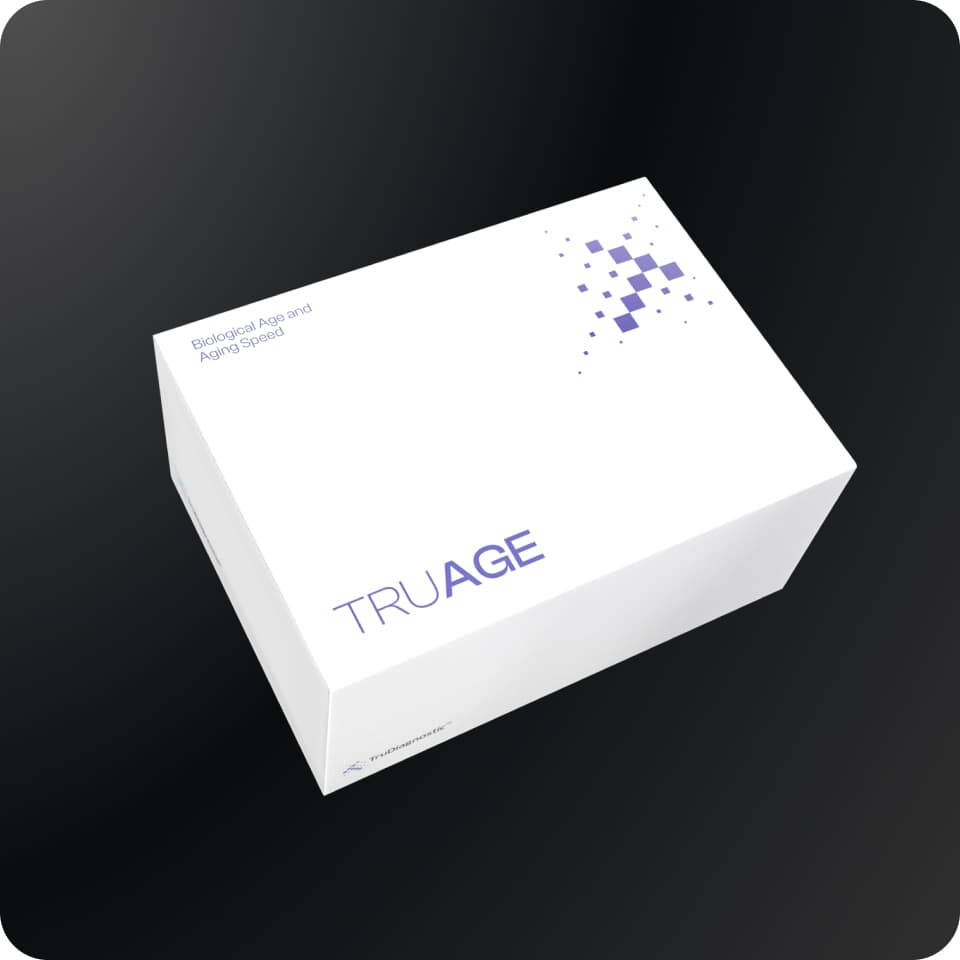
Most "biological age" tests are noise - in-house clocks built on small datasets and sold on vibes. A few are not. TruDiagnostic TruAge is the rare consumer-accessible test that runs the actual peer-reviewed epigenetic clocks, which is the whole reason it is worth discussing. This guide is what it measures, what it costs, and how to use it so the number is signal instead of decoration.
What an epigenetic age test measures
Your chronological age is how long you have been alive. Your biological age is how old your body acts at the cellular level - and the most validated way to estimate it is DNA methylation: chemical tags on your DNA that shift in predictable patterns as you age. An epigenetic "clock" reads those patterns and outputs a biological-age estimate (or a pace-of-aging rate).
The catch: clocks are only as good as the research behind them. This is where most consumer tests fail and TruAge does not.
The clocks TruAge runs (why it is credible)
TruAge reports multiple peer-reviewed clocks rather than one proprietary algorithm:
- DunedinPACE - pace of aging (how fast you are aging right now), from the landmark Dunedin longitudinal study. The most actionable single metric.
- Horvath / Hannum - the original, widely-cited chronological-vs-biological clocks.
- OMICmAge - a newer multi-omic integration.
Running validated, published clocks is the difference between a number you can take seriously and a number generated to sell you a subscription. The methodology is the product.
What TruAge costs
- Single TruAge COMPLETE test: ~$229 to $299 - a one-time snapshot across the clocks.
- Annual subscription with quarterly retests: ~$499 to $799/yr - the version that actually delivers value (more below).
- Add-on panels (inflammation, telomeres) increase the total.
Sample collection is an at-home dried blood spot (finger prick), mailed in; results in ~4 to 6 weeks.
Single test vs subscription: pick based on what you are measuring
A single test is a snapshot, and a snapshot of pace-of-aging is noisy - it shifts with sleep, stress, and recent illness. The real value is the trajectory: are your interventions (training, rapamycin, NAD precursors, sleep) actually slowing your pace of aging over multiple quarters? That requires re-testing. If you are running serious longevity protocols, the subscription is the right product. If you just want one credible data point, the single test is fine - just do not over-read a single reading.
How to use it so the number means something
1. Baseline before you change anything - TruAge + a standard blood panel + subjective measures. 2. Pair it with your protocols - it is the outcome metric for whatever you are doing. We use it as the baseline-and-retest anchor in the NMN Loading Protocol, and it complements blood-panel platforms covered in the At-Home Blood Testing Guide. 3. Re-test quarterly or biannually - published epigenetic shifts are small (0.3 to 1.2 years over six months), so the trajectory matters far more than any single result. 4. Do not chase the number for vanity - the clocks are research tools, not a scoreboard to game.
Read the full TruDiagnostic TruAge breakdown, and see where it fits among blood + biomarker platforms in the Best Diagnostic Platform 2026 pillar guide.
Bottom line
TruAge is the credible epigenetic age test because it runs validated, peer-reviewed clocks instead of a proprietary algorithm. Buy the single test ($229-299) for one honest data point, or the subscription ($499-799/yr) if you will re-test and actually track your pace of aging against your protocols. Baseline first, re-test on a cadence, and treat the trajectory - not any single number - as the result.
- Ryan, Founder
The products this post references
The Longevity Gear Buyer's Checklist
The specs that actually decide whether a sauna, cold plunge, red light panel, or smart ring is worth it, plus the real price range for each. Get the free PDF, plus one weekly email on the gear worth buying.