Ambrosia Systems RIZZ vs Omni Health Ring
Specs, prices, editor verdict, and who should buy which, compared side by side.
Lifespan Vault earns an affiliate commission when you buy through links on this page, at no extra cost to you. It does not change our rankings or our verdicts.
Ambrosia Systems RIZZ (premium, $549) vs Omni Health Ring (mid, $199). Different tools for different jobs (see the per-product details below).
Compared on 4 shared specs · same category (wearable).

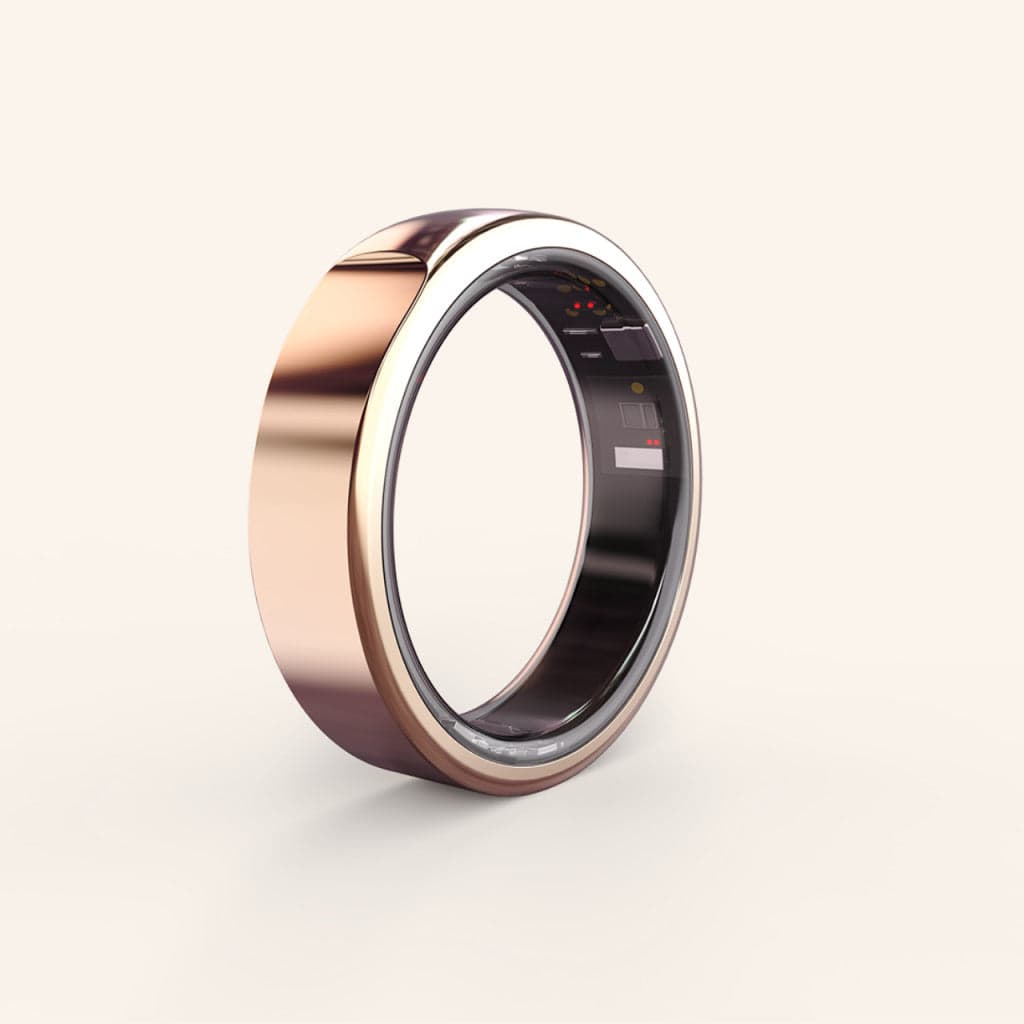
We have not scored these two head to head, so this page does not name a winner. The Omni Health Ring starts at $199 and the Ambrosia Systems RIZZ at $549. The per-buyer recommendations below say who each one suits.
Side-by-side specs
| Spec | Ambrosia Systems RIZZ | Omni Health Ring |
|---|---|---|
| price | $549 | $199 |
| battery | 5-7 days | 5-7 days per charge; 15-21 days total with case |
| metrics | Glucose trend, HR, HRV, SpO2, sleep stages, temperature | 20+ biomarkers (sleep stages, activity, temperature, HRV, respiration, SpO2) |
| subscription | None for ring features; optional Ambrosia Premium for advanced glucose insights | None for core features; optional Super Mini AI pass |
| material | Titanium | Aerospace-grade titanium |
Ambrosia Systems RIZZ also publishes: add on
Omni Health Ring also publishes: dimensions, weight, sensors, compatibility
Who should buy which
Buyers who completed a CGM program (Levels, Veri, Nutrisense) and want continuous glucose-trend data without re-applying a real CGM every 14 days.
You are newly curious about glucose - start with a real CGM (Levels or pharmacy Libre) for the first 30-60 days. RIZZ is for the after-program use case.
First-time smart-ring buyers wanting the credible biometric coverage at the no-subscription, sub-$200 tier. Especially good for buyers who specifically don't want recurring fees, travelers who value the 15-21 day off-grid battery, and value-conscious longevity buyers building a foundational stack.
You want the longest-running brand pedigree and richest historical dataset (Oura Gen 4), the most polished no-subscription competitor (Ultrahuman Ring AIR), or wrist-form-factor strain coaching (WHOOP).
Go deeper
Frequently asked
Which is better, the Ambrosia Systems RIZZ or the Omni Health Ring?
We have not scored these two head to head, so this page does not name a winner. The Omni Health Ring starts at $199 and the Ambrosia Systems RIZZ at $549. The per-buyer recommendations below say who each one suits.
How much do they cost?
Ambrosia Systems RIZZ: $549. Omni Health Ring: $199. Prices are verified against the manufacturer; check the live links for current pricing.
Who should buy which one?
Ambrosia Systems RIZZ: Buyers who completed a CGM program (Levels, Veri, Nutrisense) and want continuous glucose-trend data without re-applying a real CGM every 14 days. Omni Health Ring: First-time smart-ring buyers wanting the credible biometric coverage at the no-subscription, sub-$200 tier. Especially good for buyers who specifically don't want recurring fees, travelers who value the 15-21 day off-grid battery, and value-conscious longevity buyers building a foundational stack.
The Longevity Gear Buyer's Checklist
The specs that actually decide whether a sauna, cold plunge, red light panel, or smart ring is worth it, plus the real price range for each. Get the free PDF, plus one weekly email on the gear worth buying.