Lifespan Vault earns an affiliate commission when you buy through links on this page, at no extra cost to you. It does not change our rankings or our verdicts.
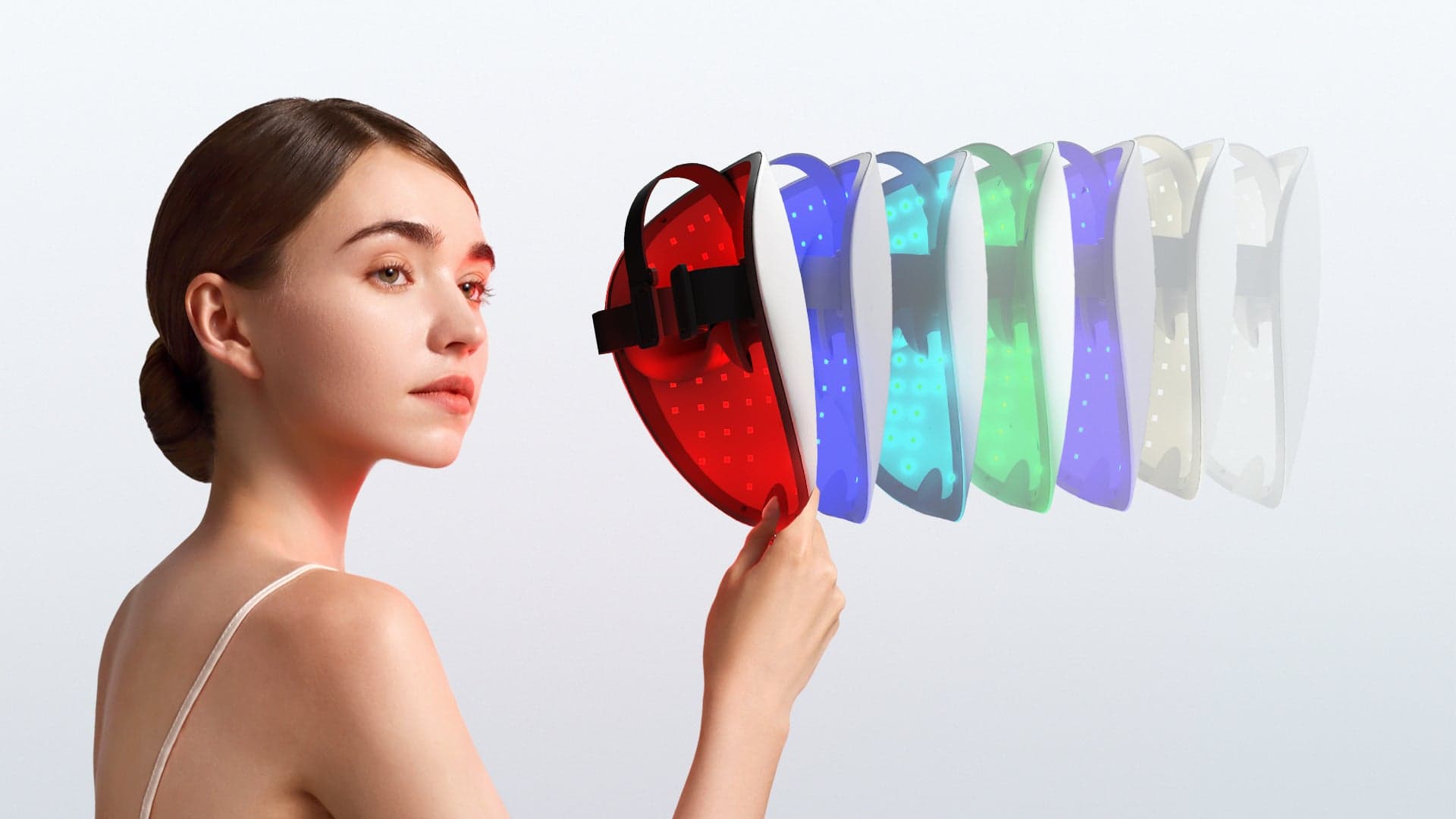
Red light therapy works on skin via photobiomodulation (PBM) - wavelengths in the 600-660nm range stimulate dermal-layer collagen synthesis, while 800-850nm wavelengths penetrate deeper to support tissue repair and inflammation reduction. The published clinical literature is strongest exactly here: skin objectives (collagen, fine lines, inflammation, post-procedure recovery, hyperpigmentation).
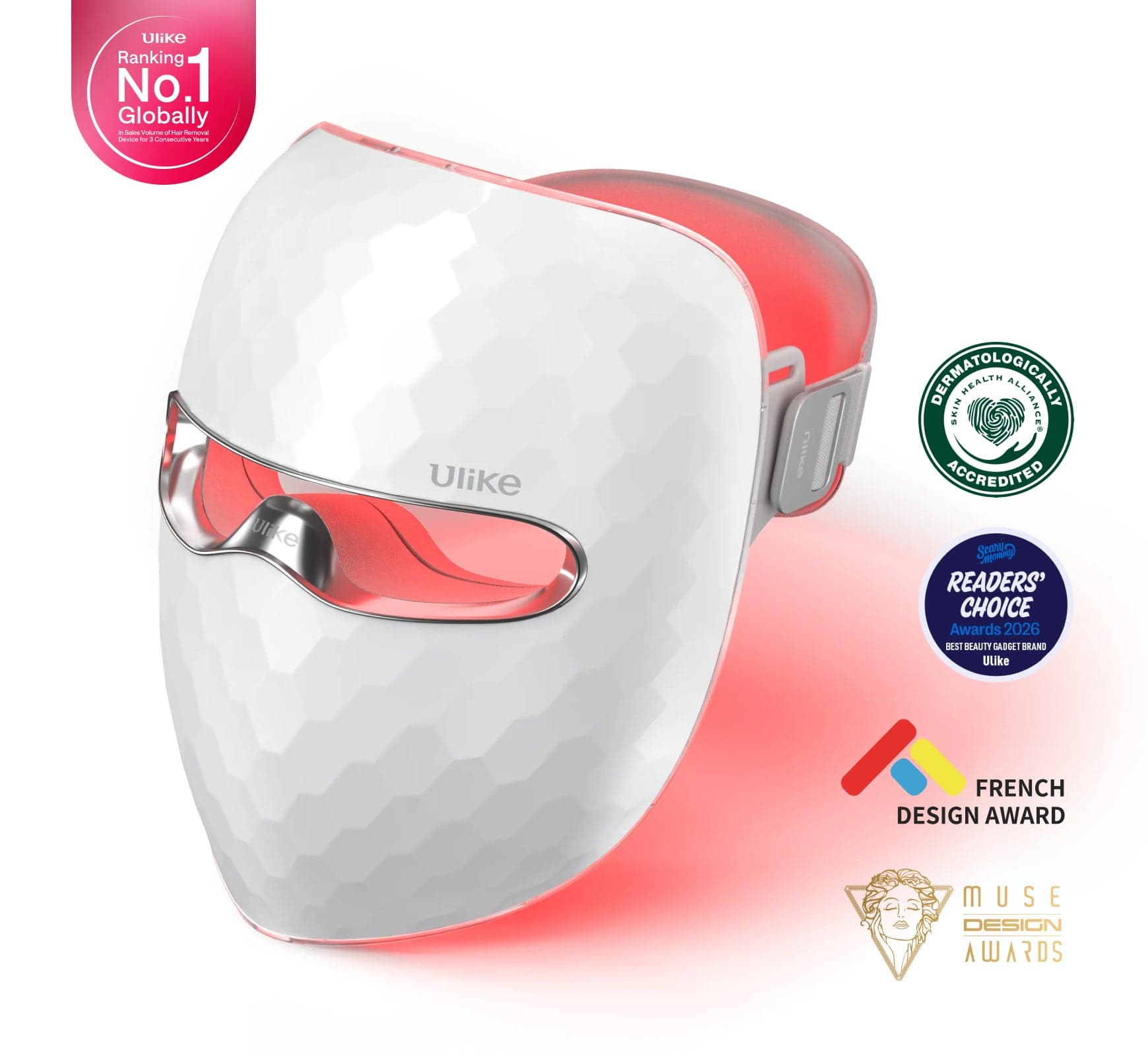
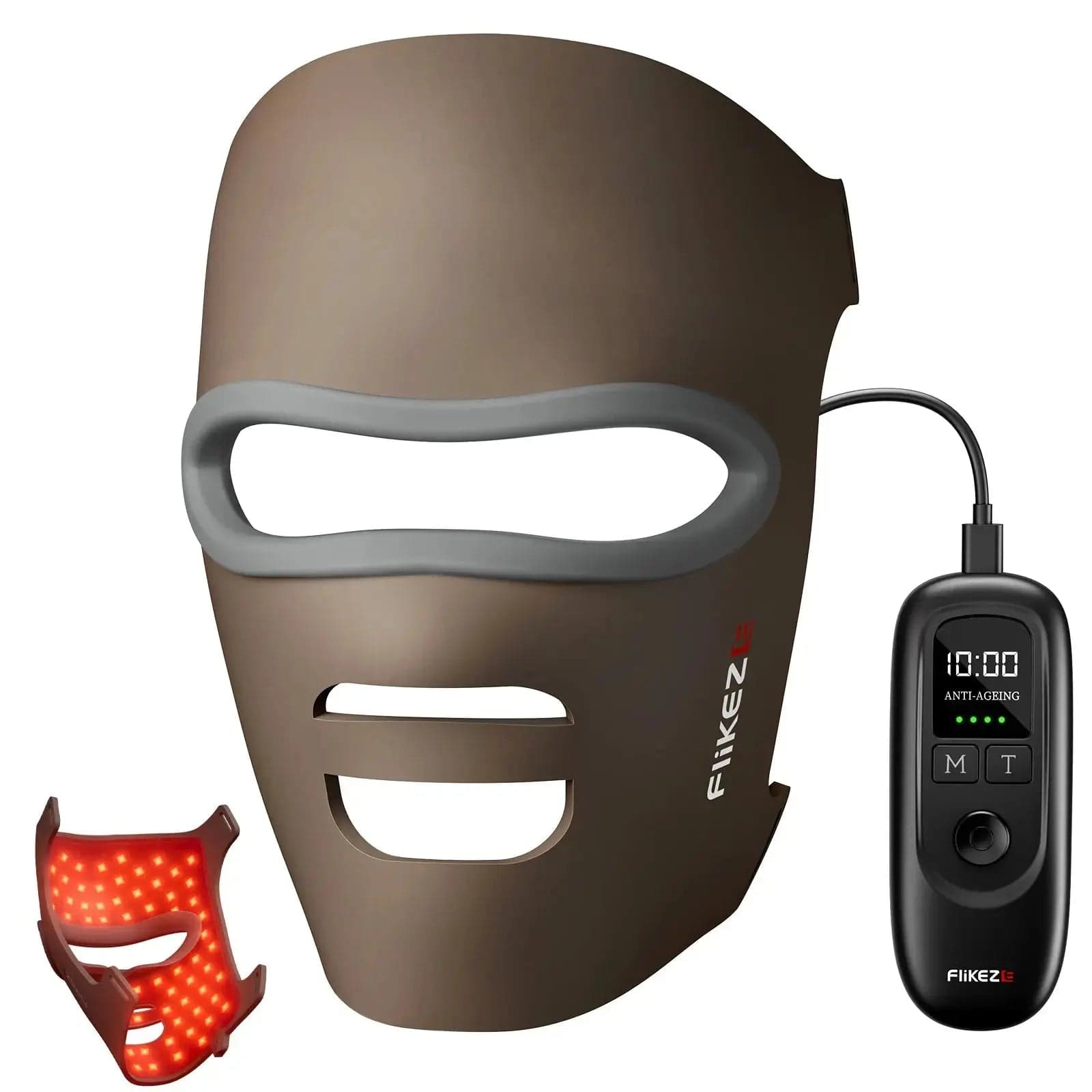
This collection covers the multi-form-factor approach: handheld zone-by-zone treatment (Quasar MD Plus is the longest-pedigree pick), full-face mask format (FliKEZE PhotonMask Quint at value tier, Bon Charge SkinShield Pro at premium), and flexible-pad format for jaw/neck/décolletage zones (NovaaLab Light Pad). Each form factor solves a different ergonomic problem and they're complementary, not redundant.
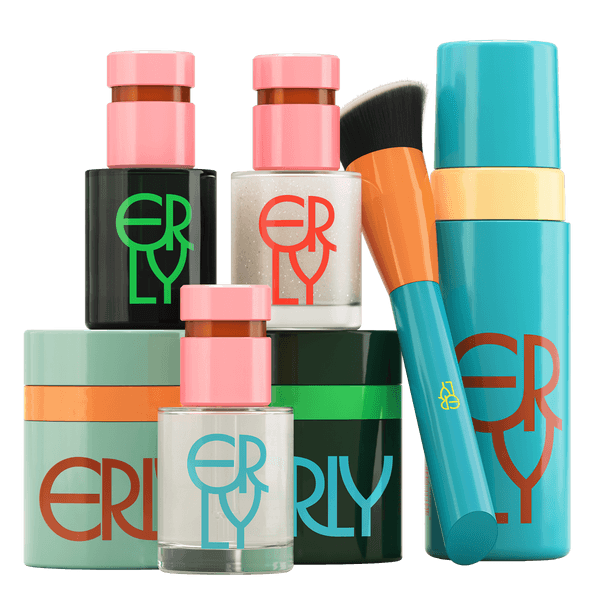
We also include the topical layer because red light + appropriate topicals is one of the best-documented anti-aging stack combinations. ERLY for sensitive-skin barrier-first routines, Renue Blue for active-ingredient longevity-biotech topicals. Apply topicals on dry skin AFTER your light therapy session, not before - light therapy works better on skin without product, and the topical absorption improves on the photo-stimulated dermal layer.







Best Red Light Therapy for Skin & Anti-Aging (2026) - buyer FAQ
What is the best red light therapy device for face skin?
Quasar MD Plus at $249-399 - open-air handheld design (most LED masks trap heat against the skin during sessions), 15+ years of clinical-citation pedigree, FDA-cleared dual-wavelength architecture targeting the dermal layer where collagen lives. For mask-format alternatives, FliKEZE PhotonMask Quint at $159-299 covers 5 wavelengths at the value tier.
How long does it take to see results from red light therapy?
Most users see visible skin changes in 8-12 weeks of consistent use (3-5 sessions per week). Collagen restructuring is a slow tissue process - short-term protocols (4 weeks or less) rarely show meaningful results. Run a 90-day protocol with consistent before/after photos before evaluating effectiveness. Quitting too early is the most common failure mode.
Should I use topicals before or after red light therapy?
After. Light therapy works better on dry, clean skin without product layered on top - sunscreens and serums can interfere with photon penetration. Run your light session first (10-15 min), then apply topicals on the photo-stimulated dermal layer. The combined protocol is one of the best-documented anti-aging stack combinations.
Is red light therapy safe for sensitive skin?
Generally yes - red light wavelengths (600-660nm) are non-thermal and don't damage the skin barrier. But high-irradiance commodity panels can trigger reactivity in rosacea-prone or post-procedure skin. Stick to FDA-cleared devices like Quasar MD Plus or NovaaLab Light Pad with adjustable brightness. For barrier-first topical support during a red light protocol, ERLY skincare is purpose-built for sensitive skin reactivity.
How does red light therapy compare to retinol?
They're complementary, not substitutes. Retinol works at the surface skin layer to drive cell turnover; red light works at the dermal layer (deeper) to stimulate collagen synthesis. The combined protocol - light therapy 3-5x/week + retinol nightly - addresses both surface texture and deep-structural skin quality. For sensitive skin that can't tolerate aggressive retinols, red light + ERLY topicals is the gentler alternative.
The Longevity Gear Buyer's Checklist
The specs that actually decide whether a sauna, cold plunge, red light panel, or smart ring is worth it, plus the real price range for each. Get the free PDF, plus one weekly email on the gear worth buying.