N1O1 Nitric Oxide Lozenges
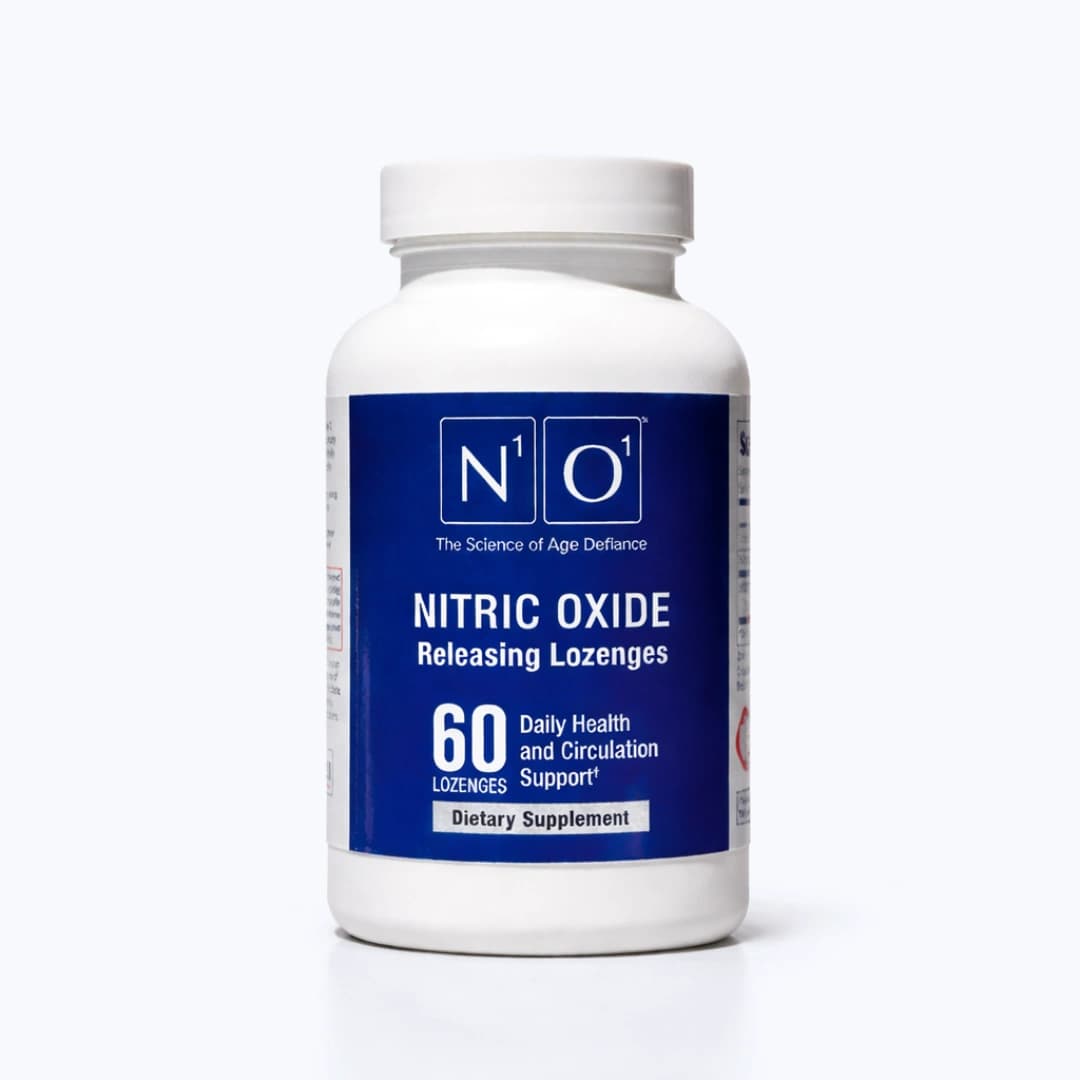
A 60-count dissolving lozenge built on a 220 mg blend of magnesium ascorbate and sodium nitrite, from the supplement line of nitric oxide researcher Dr. Nathan S. Bryan, at $59.98 a bottle.
Lifespan Vault earns an affiliate commission when you buy through links on this page, at no extra cost to you. It does not change our rankings or our verdicts.
QUICK VERDICT
One lozenge carries 164 mg of vitamin C and a 220 mg blend of magnesium ascorbate and sodium nitrite, and the 60-count bottle costs $59.98, verified August 2026. The bottle's real differentiator is its founder: Dr. Nathan S. Bryan, a published researcher in nitric oxide biochemistry.
- Best for
- Buyers who specifically want a dissolving nitrite-based lozenge from a researcher-founded brand, are comfortable with brand-stated benefits and a proprietary blend, and will actually use the 20% subscription to bring it to $1.60 a day.
- Skip if
- Skip it if you want the sodium nitrite milligrams disclosed, a per-SKU third-party certification, or the lowest cost per serving; plain beet-root powders cover the budget end of this category at a fraction of $2.00 a day.
- Tier
- Premium
N1O1's flagship is a lozenge you dissolve in your mouth rather than a capsule you swallow. The Supplement Facts label reads: serving size 1 lozenge, 60 servings per bottle, 164 mg vitamin C (182% DV) and 12.8 mg magnesium (3% DV), both from magnesium ascorbate, plus a 220 mg N1O1 proprietary blend of magnesium ascorbate and sodium nitrite. Sweetness comes from mannitol, stevia, and monk fruit extract, and the excipient list runs through cellulose, dextrin, starches, and natural flavors. The brand states the lozenge releases nitric oxide as it dissolves and positions the product as support for circulation, everyday energy, and cardiovascular wellness. Those are N1O1's own structure-function statements, the label carries the standard FDA disclaimer, and this page makes no efficacy claims of its own.
The founder story is the draw and it is factual. Dr. Nathan S. Bryan is a published researcher in nitric oxide biochemistry, and the product page's science section links out to PubMed-indexed papers he co-authored. What that does not change: we have not evaluated any of the product's claims, the finished lozenge is a dietary supplement, and the science citations on the page are about nitric oxide biology broadly, not independent testing of this bottle. Buyers should read the research framing as the brand presenting its own position.
The purchase math is clean. $59.98 for 60 lozenges is $1.00 each, and the brand's recommended use, one lozenge twice a day taken 12 hours apart per its FAQ, makes a bottle a 30-day supply at $2.00 a day. The subscription cuts each delivery to $47.98, a 20% discount, on a 1, 2, or 3 month schedule, which works out to $1.60 a day at the full two-a-day cadence. A Buy 3 Get 1 Free bundle runs $179.94. All figures pulled from the brand's WooCommerce storefront API and product page on August 14, 2026.
Where it gives ground: cost per serving and label disclosure. Two dollars a day prices this well above commodity beet-root nitrate powders, the default budget route in this category, and N1O1 itself sells a beet-based alternative, N.O. Beetz, at $69.98. The 220 mg proprietary blend does not disclose how many milligrams are sodium nitrite versus magnesium ascorbate, so you cannot compare the active dose against anything else on the market. We found no third-party certification for the finished product published on the product page as of August 2026. And the brand's own FAQ acknowledges some users feel mouth sensitivity from the vitamin C; its suggested fix is swishing baking soda in water for 30 to 60 seconds before a lozenge.
Buyers who specifically want a dissolving nitrite-based lozenge from a researcher-founded brand, are comfortable with brand-stated benefits and a proprietary blend, and will actually use the 20% subscription to bring it to $1.60 a day.
Skip it if you want the sodium nitrite milligrams disclosed, a per-SKU third-party certification, or the lowest cost per serving; plain beet-root powders cover the budget end of this category at a fraction of $2.00 a day.
Specifications
Where this fits
N1O1 Nitric Oxide Lozenges cross-shops across several editorial surfaces on this site: the full brand catalog and the price band it qualifies for.
N1O1 Nitric Oxide Lozenges - buyer FAQ
How much do N1O1 Nitric Oxide Lozenges cost?
$59.98 for a 60-lozenge bottle, verified via the brand's WooCommerce storefront API on August 14, 2026, with no sale running. That is $1.00 per lozenge, or $2.00 a day at the brand-recommended two per day. An optional subscription drops each delivery to $47.98, a 20% discount, every 1, 2, or 3 months, and a Buy 3 Get 1 Free bundle sells for $179.94.
What is actually in each N1O1 lozenge?
Per the Supplement Facts label: 164 mg vitamin C (182% DV) and 12.8 mg magnesium (3% DV), both from magnesium ascorbate, plus a 220 mg N1O1 proprietary blend of magnesium ascorbate and sodium nitrite. The blend does not break out how much is sodium nitrite. Other ingredients include mannitol, cellulose, dextrin, starches, natural flavors, stevia, citric acid, and monk fruit extract.
How many N1O1 lozenges do you take a day?
The brand's FAQ recommends one lozenge twice a day, taken 12 hours apart, which makes the 60-count bottle a 30-day supply. For buyers who notice mouth sensitivity, N1O1 suggests swishing a mix of baking soda and 2 to 3 ounces of water for 30 to 60 seconds before taking a lozenge. Both are the brand's own directions, verified on the product page August 2026.
Who is Dr. Nathan Bryan, the founder of N1O1?
A published researcher in nitric oxide biochemistry. The N1O1 product page's science section links to PubMed-indexed papers he co-authored, and the brand describes itself as founded on his research. Those citations cover nitric oxide biology generally rather than independent trials of this finished lozenge, and we have not evaluated the product's claims ourselves.
Are N1O1 lozenges cheaper than beet-root powder?
No. At the label dose of two a day, the $59.98 bottle costs $2.00 a day, and commodity beet-root powders generally undercut that by a wide margin. The formats also differ on the label: the lozenge's blend lists sodium nitrite, while beet products supply dietary nitrate. N1O1 sells its own beet option, N.O. Beetz, at $69.98, verified August 2026; the brand does not publish its serving count in the page text, so we could not run its per-serving math.