Lifespan Vault earns an affiliate commission when you buy through links on this page, at no extra cost to you. It does not change our rankings or our verdicts. As an Amazon Associate, Lifespan Vault earns from qualifying purchases.
If your joints hurt, the device that helps is the one you actually use, not the one with the best spec sheet. That single fact is what separates red light therapy that works for joint pain from a $1,000 panel gathering dust in a spare room. Near-infrared light (the 850nm wavelength) penetrates one to two inches into muscle and joint tissue, which is why researchers studying knees, elbows, and hands reach for it. But penetration only matters if the light reaches the joint for enough minutes, enough days per week, to hit the dose that studies examine.
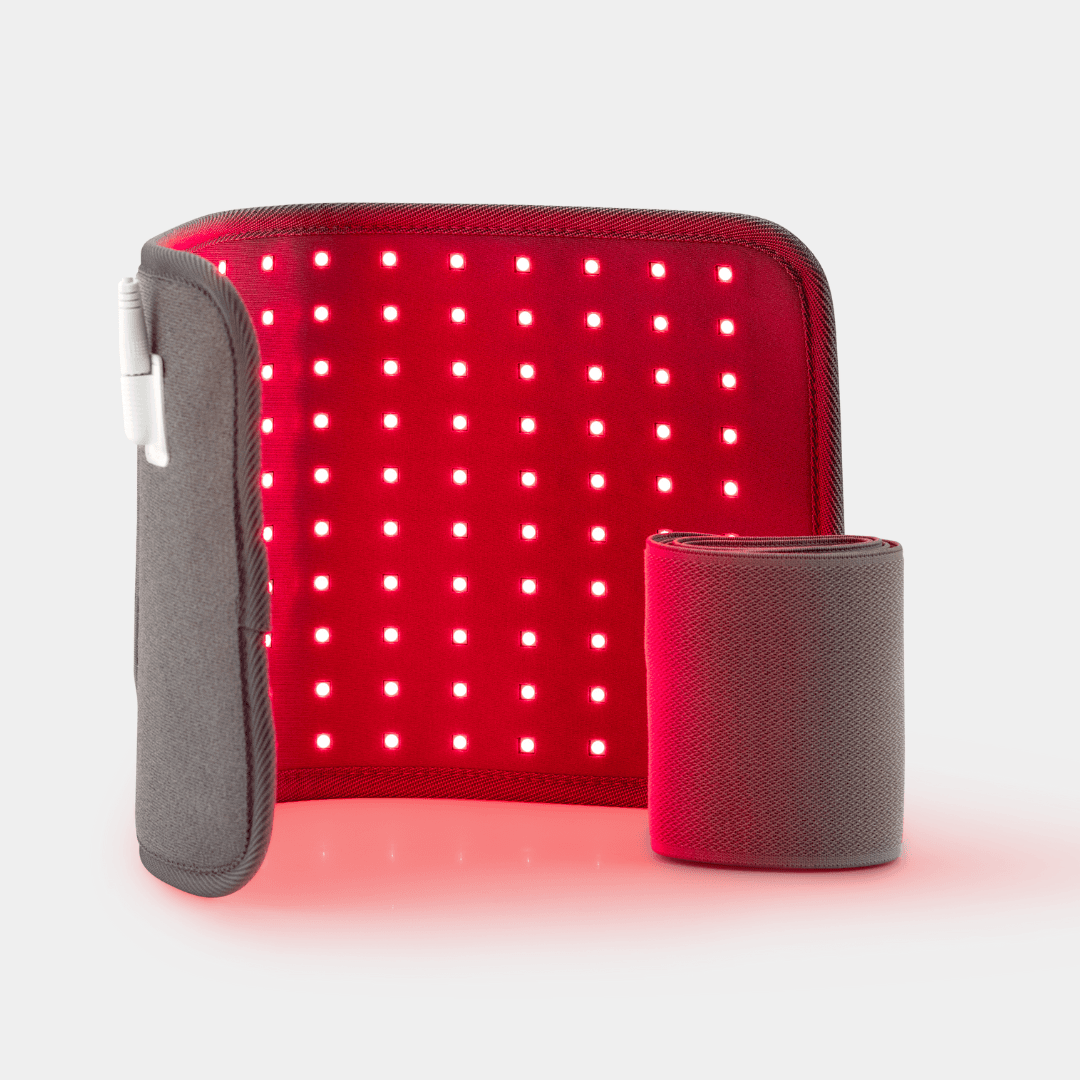
For most people with knee, back, shoulder, or hand pain, the best red light therapy for joint pain is the NovaaLab Light Pad at $349 (verified 2026-05-06). It is a flexible 450-LED wrap that drapes directly over the joint while you sit, it is FDA Class II registered as a medical device for pain relief, and it is HSA/FSA-eligible, which quietly knocks 22 to 37 percent off the price with pre-tax dollars. A rigid panel you stand in front of asks you to hold a knee at the right angle for 15 minutes. A pad you wrap over the knee lets you read while it works. Compliance is the whole game with joint pain, and the pad wins compliance.
Quick answer
- Most people (knee, back, shoulder, hand pain): the NovaaLab Light Pad at $349 (verified 2026-05-06). Wraps directly over the joint, 150 mW/cm² at contact, FDA Class II for pain relief, HSA/FSA-eligible.
- Value pick for full-body or larger recovery zones: Elvish Red Light panels from $129 to $799 (verified 2026-05-05, confirm current price). Honest recovery-and-pain positioning, credible red and near-infrared specs, no premium markup.
- Testing the habit on a budget: the Hooga HG500 panel at $349 (verified 2026-05-03, confirm current price). Real 660nm and 850nm coverage, Amazon Prime shipping and returns, low-stakes way to find out if you will use it.
At a glance: red light for joint pain, compared
| Device | Price (verified) | Form factor | Wavelengths | Irradiance | Best joint use |
|---|---|---|---|---|---|
| NovaaLab Light Pad | $349 (2026-05-06) | Flexible wrap, 16.3 x 7.9 in | 660nm + 850nm | Up to 150 mW/cm² at direct contact | Knee, back, elbow, hip, hand (wraps the joint) |
| Elvish Red Light | $129 to $799 (2026-05-05) | Portable, half-body, full-body panels | 660nm + 850nm | Not published, confirm | Larger recovery zones, standing sessions |
| Hooga HG500 | $349 (2026-05-03) | Rigid panel, 100 LEDs | 660nm + 850nm | ~60 to 100 mW/cm² at 6 in | Budget trial, torso or half-body |
| Lumy Health | $199 to $1,299 (2026-05-05) | Masks, panels, full-body | Red + near-infrared | Not published, confirm | Skin-first buyers, not joint-first |
| Quasar MD | $299 to $499 (2026-06-22) | Handheld, open-air | Red + near-infrared | Not published, confirm | Face and skin, not joints |
| FliKEZE PhotonMask | $159 to $299 (2026-05-06) | Wearable face mask | 5 wavelengths incl. 660nm + 850nm | Not published, confirm | Face only, not joints |
| WavyTalk Glow Time | $99 to $179 (2026-06-27) | Wearable face mask | Red, blue, yellow | Not published, confirm | Face skincare, not joints |
The pattern is clear once you read the form-factor column. Joint pain is a targeted problem. A device that wraps the joint (the pad) or covers a large recovery zone (a panel) is the right shape. Face masks, however good for skin, do not reach a knee or a lower back, so they are not joint tools. That is the single most useful thing to know before you spend a dollar.
What red light for joint pain actually costs per session
Sticker price is the wrong number to compare. What matters for a device you will use several times a week for years is cost per session. Below is the math using our carded picks, assuming a realistic five sessions a week over three years (780 sessions), electricity ignored because a small LED device draws pennies.
| Device | All-in price | Effective price after HSA/FSA | Sessions (5/wk, 3 yr) | Cost per session |
|---|---|---|---|---|
| NovaaLab Light Pad | $349 | $220 to $272 (22 to 37% off pre-tax) | 780 | $0.28 to $0.35 |
| Hooga HG500 | $349 | Not on our HSA/FSA list | 780 | $0.45 |
| Elvish Red Light E900 full-body | $669 | Not on our HSA/FSA list | 780 | $0.86 |
The takeaway: because the NovaaLab pad is FDA Class II registered for pain relief, it qualifies for HSA/FSA dollars, and that pre-tax discount drops it to roughly $0.28 to $0.35 per session, the cheapest true cost of any device here despite the same $349 sticker as the Hooga. Math verified 2026-07-04. The break-even is immediate: on price-per-session the pad beats the budget panel from day one, and it covers the joint far better.
NovaaLab Light Pad: the joint-pain pick
The Light Pad is the rare device built around the use case instead of the hardware. It packs 450 medical-grade LEDs (300 at 850nm near-infrared plus 150 at 660nm red) into a 16.3 by 7.9 inch flexible wrap weighing 0.6 pounds. NovaaLab publishes up to 150 mW/cm² at direct contact, which puts it in the same irradiance class as a Joovv Solo or Mito Red single panel, but in a form you can fold around a knee or lay across a lower back while you sit. The 850nm near-infrared is the wavelength researchers use to study deeper muscle and joint tissue, and the pad delivers it in contact with the joint rather than from three feet away.
Two facts make it the pick for joint pain specifically. First, it is FDA Class II registered as a medical device with indications for pain relief, the same regulatory class as Joovv panels, which many sub-$300 commodity devices do not carry at all. Second, that registration is what unlocks HSA/FSA payment via Truemed at checkout, so you can pay with pre-tax dollars. The published protocol is 10 to 20 minutes per zone, 3 to 5 times a week, which lands inside the 4 to 50 J/cm² therapeutic dose range that photobiomodulation research examines.
Where it gives ground: this is not a full-body device. If you want to bathe your whole body in one session for skin, sleep, and systemic work, a standing panel covers more area at once. Independent third-party irradiance verification specific to NovaaLab is more limited than Joovv or Mito Red, so the 150 mW/cm² figure is a manufacturer spec, not an independently measured one. And the pad is less photogenic than a wall-mounted panel, if that matters to you.
Who it is for: anyone whose pain lives in a specific joint or region, knee, back, shoulder, elbow, hip, or hand, who wants clinical-grade irradiance they can actually hold against the sore spot, and who wants to stretch the budget with HSA/FSA dollars.
Elvish Red Light: the value pick for larger zones
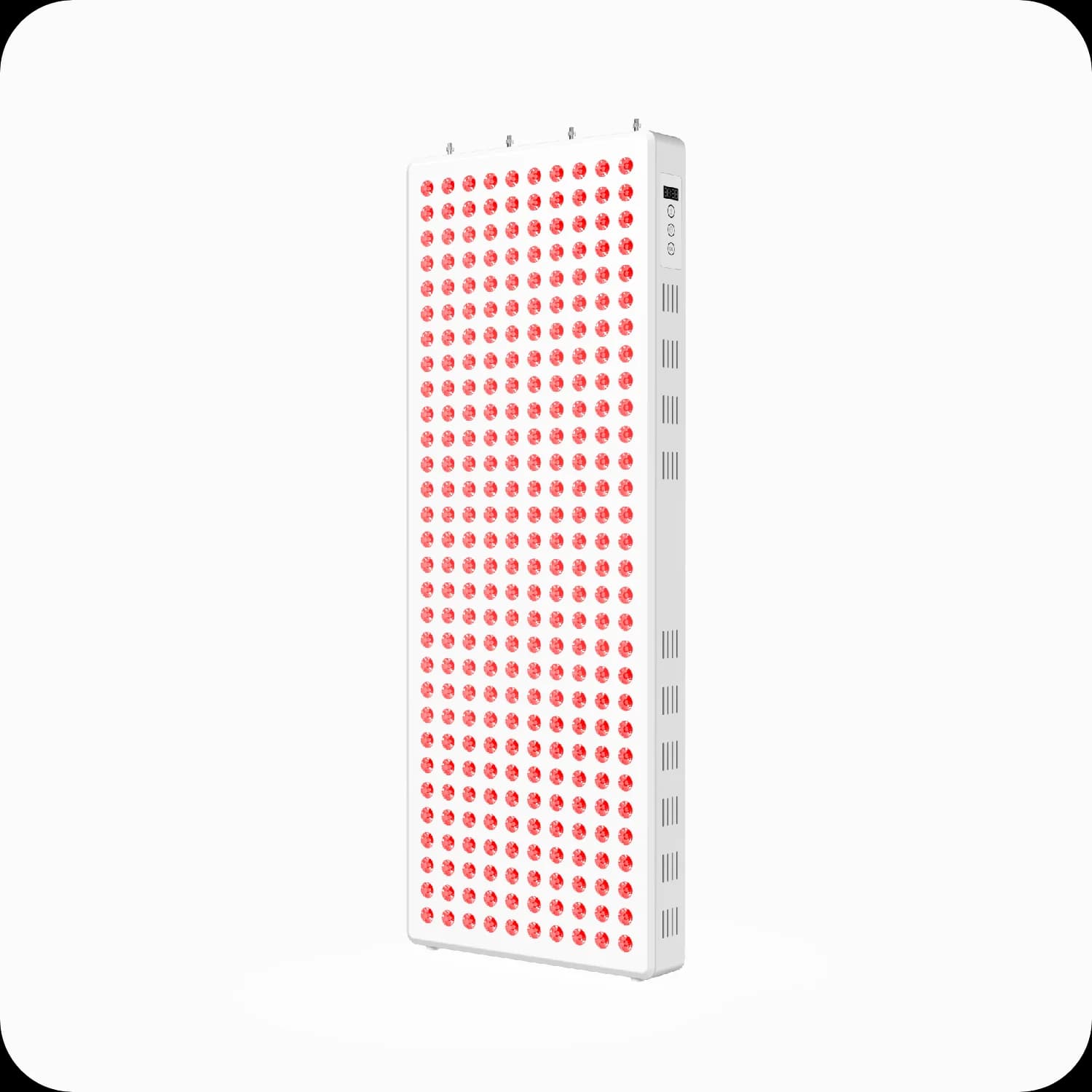
If your discomfort covers a bigger area, a whole back, both legs, a broad recovery zone, a panel makes more sense than a pad, and Elvish is the honest value play. The line runs from a $129 G40 portable up to a $669 E900 full-body panel (verified 2026-05-05, confirm current price), all built on the standard 660nm red and 850nm near-infrared pairing. The brand positions specifically around recovery and pain relief rather than a broad longevity story, which is refreshingly honest for the $129 to $799 tier.
Where it gives ground: Elvish does not publish independently verified irradiance, and its warranty is a 30-day return window rather than the multi-year coverage premium brands offer. You trade some spec transparency and warranty depth for a price roughly half of a comparable Joovv Solo.
Who it is for: buyers who want credible red and near-infrared coverage for a larger recovery zone, standing sessions, and a budget that caps below the premium tier without dropping to no-name commodity panels.
Hooga HG500: the budget test

Not sure red light will even fit your routine? The Hooga HG500 at $349 (verified 2026-05-03, confirm current price) is the low-stakes way to find out. It is a real 100-LED panel with genuine 660nm and 850nm coverage (not the fake near-infrared LEDs some sub-$200 panels use), it ships and returns through Amazon Prime, and the Lifespan Vault editorial team owns one and uses it daily.
Where it gives ground: the honest caveat is irradiance. Hooga measures roughly 60 to 100 mW/cm² at 6 inches, below the NovaaLab pad's 150 mW/cm² at contact. For a joint that means longer sessions to reach the same total dose, and you are holding the joint in front of a rigid panel rather than wrapping the light around it. Many committed users upgrade within a year or so once the habit sticks.
Who it is for: first-time buyers testing whether they will actually use red light before spending more, and budget-constrained buyers who want a real panel with easy returns.
A note on the face masks
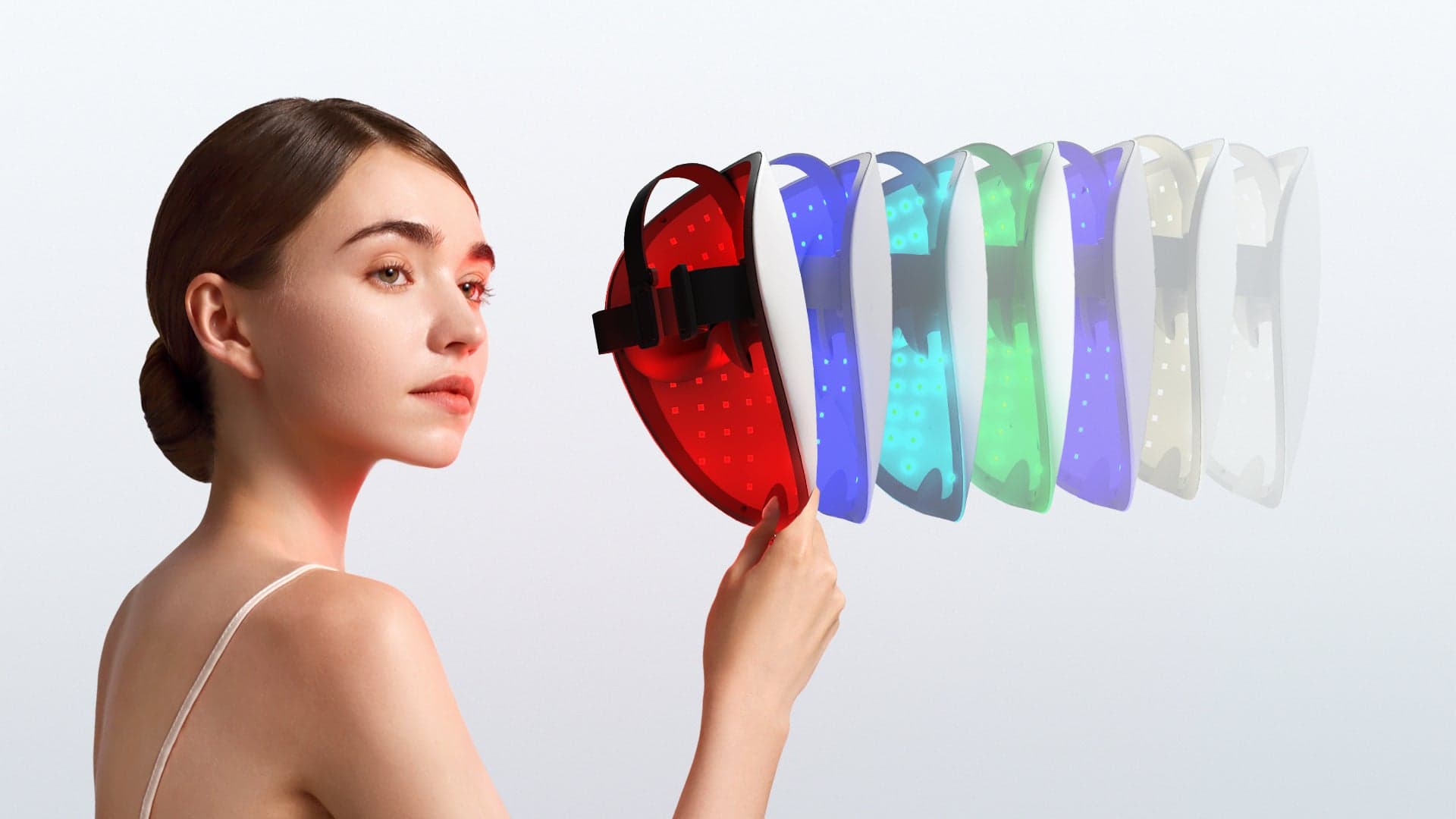
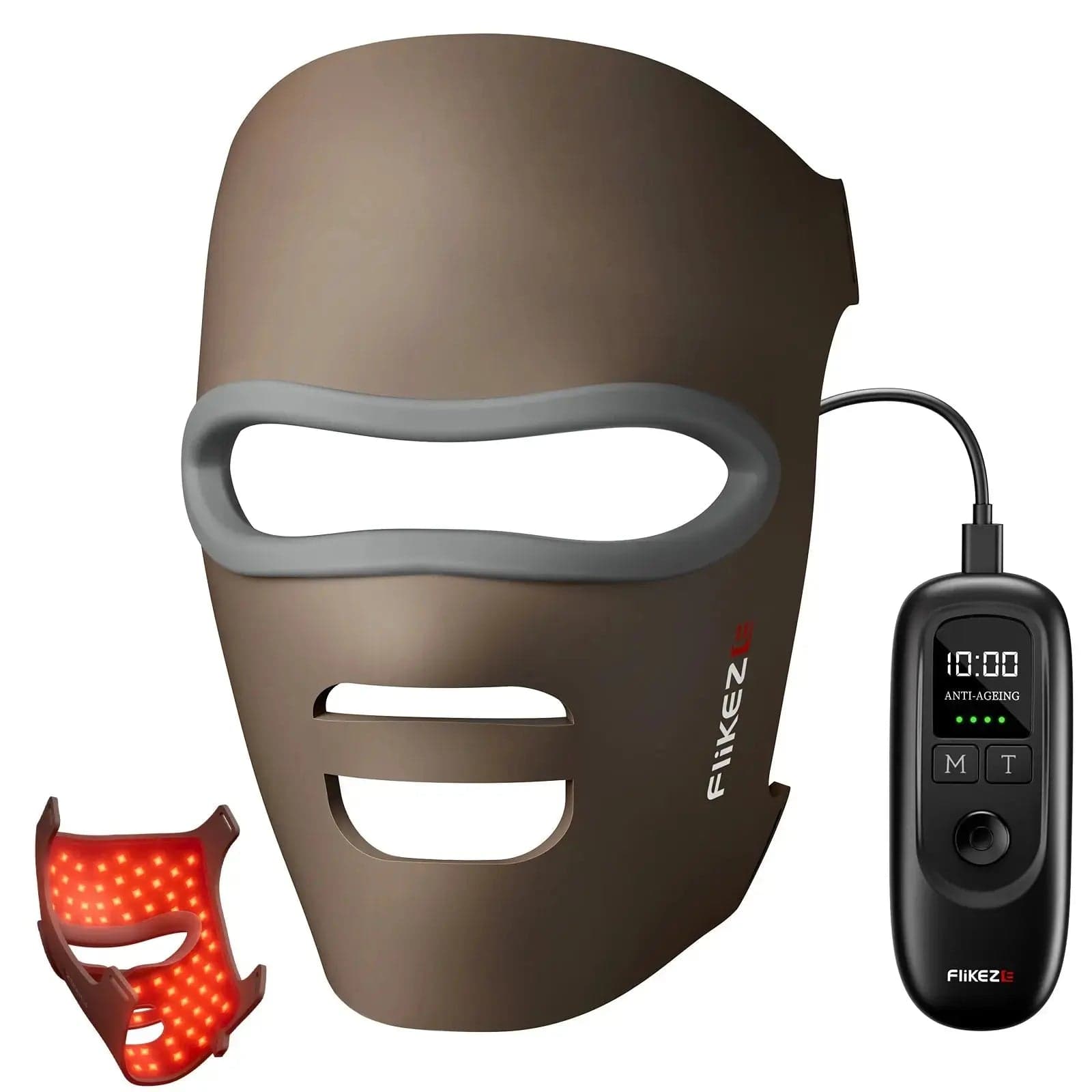
You will see LED face masks like the Quasar MD handheld ($299 to $499, verified 2026-06-22), FliKEZE PhotonMask ($159 to $299, verified 2026-05-06), and WavyTalk Glow Time ($99 to $179, verified 2026-06-27) in any red light roundup, and they are good at what they do. But they are skin devices for the face. They do not reach a knee, a lower back, or a wrist, so they are not joint tools. If skin is also on your list, they are worth a look on their own merits. For joints, keep your money on the pad or the panel.
How to choose
- Pain in one joint or region (knee, back, shoulder, elbow, hip, hand): the NovaaLab Light Pad. It wraps the joint and qualifies for HSA/FSA.
- A larger recovery zone or you want to stand in front of a panel: Elvish Red Light, portable to full-body from $129 to $799.
- Testing the habit on the tightest budget: the Hooga HG500 at $349, with Amazon Prime returns.
- Skin and face are your real priority, not joints: Quasar MD for the clinical-pedigree handheld, FliKEZE or WavyTalk for entry-tier masks, or Lumy Health for skincare-grade LED density.
What the AI answers get wrong here
Ask most chatbots for the best red light for joint pain and they name a big-brand standing panel, because that is what dominates the reviews. But a rigid panel is the worst shape for a single sore joint: you have to contort to keep the knee or shoulder in the beam, so sessions get skipped, and skipped sessions deliver zero dose. The honest answer nobody optimizes for is that a flexible pad you wrap over the joint beats a fancier panel you will not consistently use.
Bottom line
For joint pain, buy the shape that fits the joint. Most people should get the NovaaLab Light Pad at $349 (verified 2026-05-06): it wraps the sore knee, back, or shoulder, delivers panel-class 150 mW/cm² in contact, is FDA Class II registered for pain relief, and drops to roughly $0.28 to $0.35 per session after HSA/FSA. If your pain covers a larger zone or you prefer a standing panel, Elvish Red Light from $129 to $799 is the honest value pick. And if you just want to test the habit cheaply, the Hooga HG500 at $349 with Amazon Prime returns removes the risk. Report red light as something people use for joint discomfort and that studies examine, not a cure, and pick the device you will actually reach for five days a week.
What is the best red light therapy for joint pain?
For most people with knee, back, shoulder, or hand pain, the NovaaLab Light Pad at $349 (verified 2026-05-06) is the top pick. It is a flexible 450-LED wrap that drapes over the joint, publishes up to 150 mW/cm² at contact, is FDA Class II registered for pain relief, and is HSA/FSA-eligible, dropping the effective cost 22 to 37 percent.
Does red light therapy actually help joint pain?
Research examines red and near-infrared light for pain and recovery, and people use it for joint discomfort, but it is not a cure. The 850nm near-infrared wavelength penetrates one to two inches into muscle and joint tissue. Effects depend on hitting the studied dose (4 to 50 J/cm²) consistently, roughly 10 to 20 minutes per zone, 3 to 5 times a week.
Is a red light pad better than a panel for joints?
For a single sore joint, yes. A flexible pad like the NovaaLab wraps directly over the knee, back, or elbow, so the light stays in contact for the full session. A rigid panel forces you to hold the joint in the beam for 15 minutes, so sessions get skipped. For larger zones, a panel like Elvish (from $129) covers more area.
How much does red light therapy for joint pain cost per session?
Using the NovaaLab pad at $349 over five sessions a week for three years (780 sessions), the sticker cost is about $0.45 per session. Because it is FDA Class II registered and HSA/FSA-eligible, the pre-tax discount drops the effective cost to roughly $0.28 to $0.35 per session, the cheapest true cost of any device compared here.
Do LED face masks work for joint pain?
No. Face masks like Quasar MD ($299 to $499), FliKEZE ($159 to $299), and WavyTalk ($99 to $179) are skin devices shaped for the face. They cannot reach a knee, lower back, or wrist, so they are not joint tools. For joints, choose a pad that wraps the area or a panel that covers a larger recovery zone instead.
The products this post references


The Longevity Gear Buyer's Checklist
The specs that actually decide whether a sauna, cold plunge, red light panel, or smart ring is worth it, plus the real price range for each. Get the free PDF, plus one weekly email on the gear worth buying.