Lifespan Vault earns an affiliate commission when you buy through links on this page, at no extra cost to you. It does not change our rankings or our verdicts.
Most "best red light" comparisons miss the most important question: are you actually comparing the same kind of device? NovaaLab Light Pad ($349-399) and Quasar MD Plus ($249-399) sit in adjacent shopping carts on Google Shopping, but they're fundamentally different tools. Treating them as substitutes is how buyers end up with the wrong device for their use case.
This comparison covers when each one wins, when neither one wins (you actually need a panel), and the honest answer on which to buy first if you're going to own both eventually.
The framing: form factor solves the use case
Red light therapy hardware comes in three primary form factors: rigid panels (Joovv, Mito Red, Bon Charge larger SKUs, Hooga), flexible pads (NovaaLab, some Hooga models), and face-focused handhelds or masks (Quasar MD, Bon Charge SkinShield, CurrentBody, Therabody TheraFace).
Each form factor exists because it solves a different ergonomic problem:
- Panels want you to stand or sit in front of them for 10-20 minutes - best for systemic photobiomodulation across large body surface area
- Flexible pads wrap around joints, drape over backs, fold around limbs - best for targeted recovery, joint pain, or specific tissue work
- Face-focused devices treat the face only - best for collagen, fine lines, blemish, hyperpigmentation work
The brand decision matters less than the form factor decision. A buyer who picks a Quasar MD Plus because it's the most-cited brand, then realizes they wanted whole-body recovery, has bought the wrong device - even though Quasar is genuinely a great brand. Same in reverse: a buyer who picks NovaaLab Light Pad for face skincare gets a pad designed for joints.
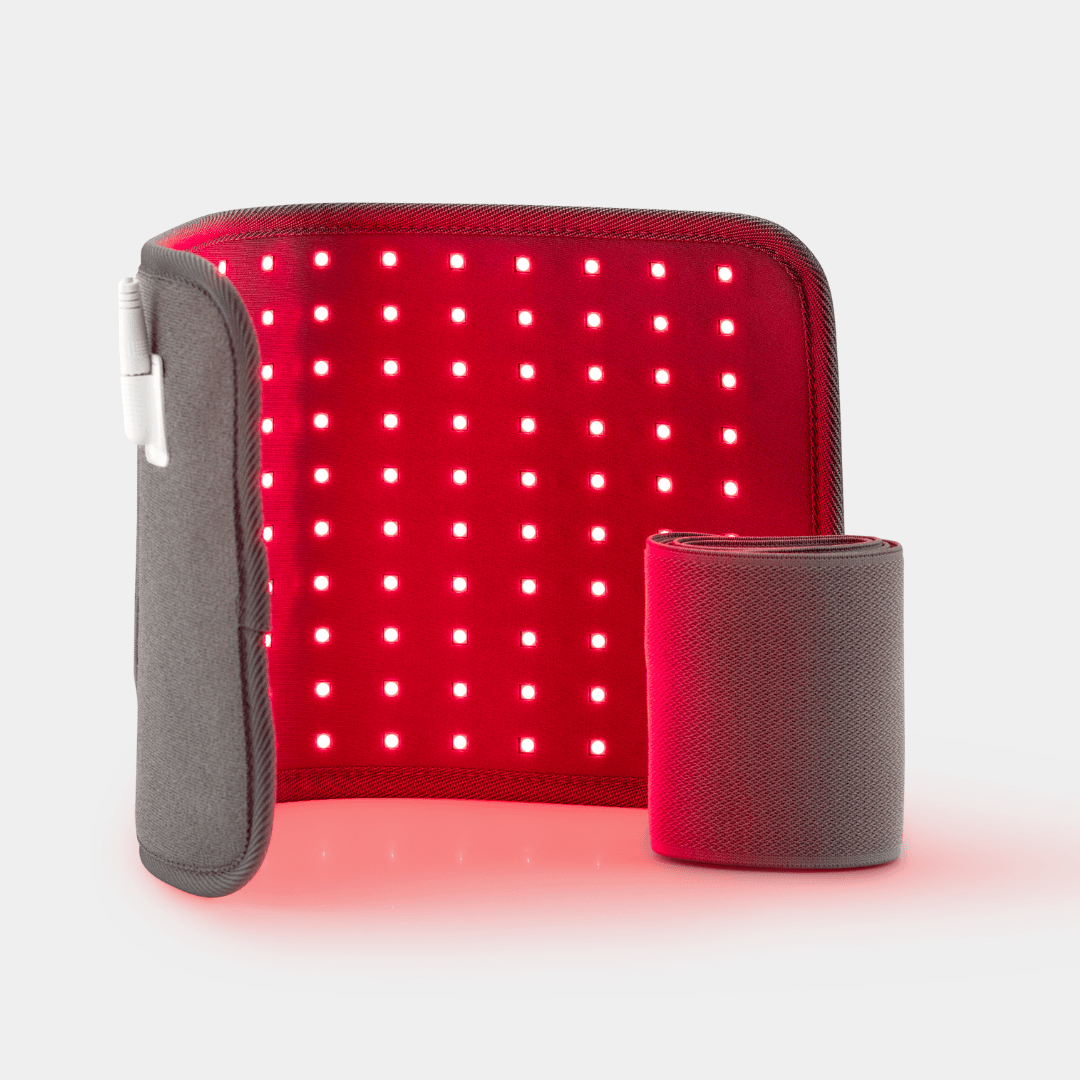
NovaaLab Light Pad: the flexible-pad pick
Read our full NovaaLab Light Pad review for the complete spec breakdown. Quick version:
- 450 medical-grade LEDs (300 × 850nm near-infrared + 150 × 660nm red)
- Up to 150 mW/cm² irradiance at direct contact - same class as a Joovv Solo or Mito Red Pro single panel
- 16.3 × 7.9 inch flexible pad, 0.6 lbs
- FDA Class II registered for pain relief
- HSA/FSA-eligible at checkout via Truemed
- $349-399, 60-day return
The Light Pad's killer feature is that compliance math actually works. A panel you sit in front of 1-2x/week is worse than a pad you drape on your back while working at your desk 5 nights a week. The flexible form factor turns red light from a dedicated activity into a passive one - and consistency, not peak irradiance per session, is what actually delivers the published benefits.
For longevity buyers, the Light Pad is right when: - Use case is targeted: knee pain, lower back, post-workout recovery, specific tissue work - You want HSA/FSA pre-tax dollars (Truemed integration knocks 22-37% off depending on bracket) - You already own a panel for whole-body work and want a complementary tool - You travel and want clinical-grade hardware in a luggage-friendly form factor
It's the wrong call when: - Use case is face/skin: a mask or handheld targeting the face zone delivers higher per-cm² intensity at the dermal layer - You want full-body PBM in a single session: a panel (Joovv Elite, Mito Red Pro 1500) or multiple panels are the right tool - You're buying your first red light device and your protocol is whole-body (start with a panel)
Quasar MD Plus: the face-focused pick
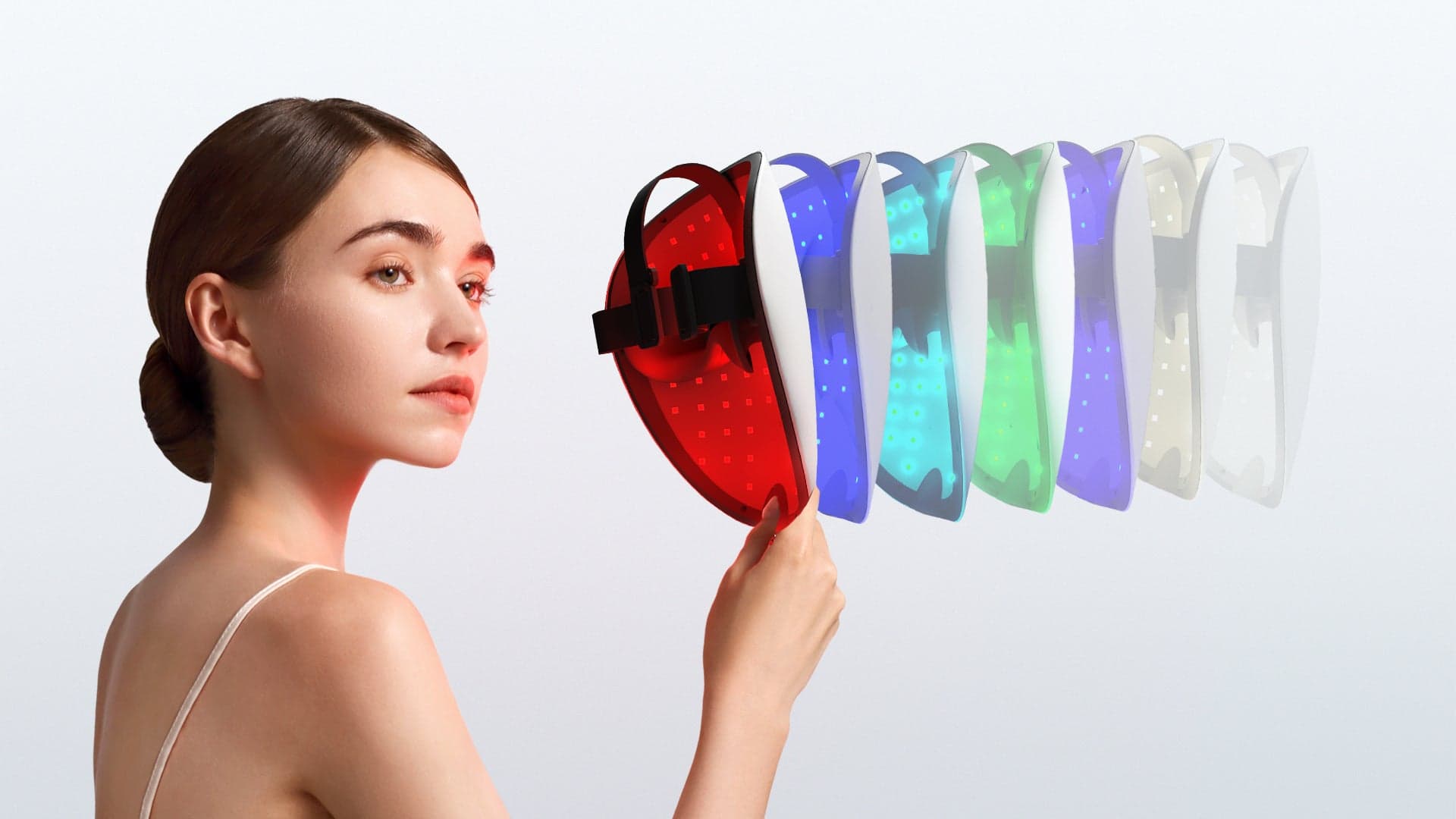
Read our full Quasar MD Plus review for the spec breakdown. Quick version:
- Dual-wavelength FDA-cleared (red + infrared)
- Handheld, open-air design (keeps skin cool during sessions)
- Treats face zone-by-zone (10 min per zone, 3-5x/week)
- $249-399, 60-day return
- Founded 2010 - longest brand pedigree in the home red light category (Joovv launched 2015, Bon Charge 2018, NovaaLab 2018)
Quasar's clinical-citation lineage is real and matters. The brand's devices have been cited in published photobiomodulation skin research going back to the 2010s, when most current home red light brands didn't exist. For buyers shopping face-PBM specifically, brand pedigree is a real signal - the published research in dermatology journals has been done with Quasar-class devices, not no-name LED masks.
The MD Plus specifically is the home-use descendant of devices originally built for dermatologist offices. The handheld, open-air design is a deliberate departure from LED-mask form factors that trap heat against the skin during sessions. Heat trapping is a real comfort issue with mask-format devices over 15+ minute sessions.
For longevity buyers, the MD Plus is right when: - Use case is face-specific: collagen, fine lines, inflammation, post-procedure recovery - You want clinical-citation pedigree (not a 2020+ direct-to-consumer brand) - You prefer handheld zone-by-zone treatment over mask-format whole-face simultaneity - Budget caps under $400 for a face-PBM device (Bon Charge SkinShield Pro is $499-799, CurrentBody mask is $395)
It's the wrong call when: - You want body-focused PBM: this is a face device, not a recovery tool - You want the convenience of mask-format whole-face coverage simultaneously (Bon Charge SkinShield Pro, FliKEZE PhotonMask Quint, or CurrentBody LED Mask are the alternatives) - You're treating large skin areas (chest, back, full décolletage at once) - the handheld zone-by-zone format is slower than a mask
Head-to-head spec table
| Spec | NovaaLab Light Pad | Quasar MD Plus |
|---|---|---|
| Price | $349-399 | $249-399 |
| Wavelengths | 660nm + 850nm dual | Red + infrared dual |
| Form factor | Flexible pad (16.3 × 7.9 in) | Handheld (open-air) |
| Coverage per session | Targeted body zone | Face zone-by-zone |
| LED count | 450 medical-grade | Not published |
| Irradiance | Up to 150 mW/cm² @ contact | Not independently verified |
| FDA status | Class II registered (pain relief) | FDA-cleared |
| HSA/FSA | Yes (via Truemed) | Verify on quasarmd.com |
| Brand founded | 2018 | 2010 |
| Best for | Joint pain, recovery, body work | Face skincare, collagen, fine lines |
The honest answer on which to buy first
If you're going to own both eventually, the order depends entirely on your primary objective:
- Recovery / pain / joint work primary → NovaaLab Light Pad first. Add Quasar MD Plus later if facial PBM becomes a priority.
- Skincare / anti-aging / face-focused primary → Quasar MD Plus first. Add NovaaLab Light Pad later if recovery becomes a priority.
- Whole-body longevity protocol primary → Buy neither first. A real panel (Joovv Solo 3.0, Mito Red Pro 1500, or Hooga HG500 if budget-constrained) covers more body surface area in less time. The pad and the face device are complementary tools to a panel, not substitutes for one.
The mistake most buyers make: assuming a $300-400 device is going to do the job a $1,500-12,000 panel does. The form factor is the constraint. A flexible pad covering 130 square inches at 150 mW/cm² at contact still only treats one body zone per session - to hit a torso, back, legs, and face in a single sitting, you need panel-class square footage.
Where this fits in the broader red light landscape
For the full-tier red light buyer guide covering panels, pads, and face devices across the entire $200-12,000 spectrum, see our Best Red Light Therapy Panels 2026 guide. It compares the 7 most-considered hardware picks at every price tier.
For face-PBM specifically with mask-format alternatives, the FliKEZE PhotonMask Quint is the value-tier multi-wavelength alternative ($159-299), and Bon Charge SkinShield Pro is the premium mask-format option ($499-799).
For body PBM at the recovery-focused tier, the Joovv Solo 3.0 is the established premium pick at $1,699, and the Joovv Elite 3.0 is the full-body integrated system at $11,399.
- Ryan, Founder
The products this post references


The Longevity Gear Buyer's Checklist
The specs that actually decide whether a sauna, cold plunge, red light panel, or smart ring is worth it, plus the real price range for each. Get the free PDF, plus one weekly email on the gear worth buying.