The Red Light Therapy Buyer's Guide: Wavelengths, Irradiance, and Which Panel Fits You
Red light therapy works for specific things and is overhyped for others. Here is what the evidence actually supports, the four specs that separate a real panel from an LED toy, and how to pick from $129 to $11,099.
Lifespan Vault earns an affiliate commission when you buy through links on this page, at no extra cost to you. It does not change our rankings or our verdicts. As an Amazon Associate, Lifespan Vault earns from qualifying purchases.
Red light therapy is one of the few longevity interventions where the consumer market ran far ahead of the buyer's ability to tell a real device from an LED toy. There are credible $349 panels and useless $349 panels, and the marketing for both reads identically. This guide is the spec literacy to tell them apart, what the evidence actually supports, and which of the panels we cover fits which buyer.
What red light therapy actually is
Red light therapy (photobiomodulation, or PBM) uses specific wavelengths of red and near-infrared light to stimulate the mitochondria in your cells. The leading mechanism: light at these wavelengths is absorbed by cytochrome c oxidase, an enzyme in the mitochondrial electron transport chain, which increases ATP (cellular energy) production and triggers downstream signaling that reduces inflammation and supports tissue repair.
It is light as a signal, not light as heat. That distinction matters, because the dose-response is not "more is better" - which is the single most expensive mistake buyers make (more on that below).
What the evidence actually supports (and what it does not)
Being honest about the evidence is the whole point of a buyer's guide:
- Skin (strong): collagen production, wrinkle reduction, wound healing, and acne have the most robust published support. If your primary goal is skin, the evidence is genuinely on your side.
- Muscle recovery + pain (moderate): reduced soreness, faster recovery, and joint-pain relief have good trial support, especially at the higher-wavelength (deeper-penetrating) end.
- Hair (moderate): FDA-cleared for androgenic hair loss; real but variable results.
- Systemic / longevity (emerging, weaker): claims about whole-body energy, metabolism, and "anti-aging" are mechanistically plausible and have some early data, but are nowhere near as established as the skin and recovery outcomes. Treat them as the upside, not the reason to buy.
The accurate framing: a well-supported tool for skin and recovery, a promising-but-unproven tool for systemic longevity. Buy it for the former, treat the latter as a bonus.
The four specs that separate a real panel from a toy
1. Wavelength: you want both 660nm and 850nm
660nm (red) is absorbed in surface tissue - skin, wounds, hair follicles. 850nm (near-infrared) penetrates deeper to reach muscle, joint, and the mitochondrial targets. Most credible panels deliver both and let you run them together. Single-wavelength panels are cheaper and limit what you can treat. A handful of panels add 810nm or 630nm for broader coverage - nice, not essential. The 4-wavelength Bestqool Pro300 is an example of the broader-spectrum approach.
2. Irradiance: the number marketing hides
Irradiance (mW/cm2, measured at a stated distance) is the intensity of light actually reaching you. It determines how long a session takes to deliver a therapeutic dose. The problem: many brands publish irradiance measured at 0 inches (touching the panel), which is meaningless, or do not publish it at all. Demand an irradiance figure at a real treatment distance (6 inches is the standard). Independently-verified irradiance is the single best signal of a serious panel - it is why we rate the Hooga HG500 as the dollar-for-dollar winner and the Mito Red MitoPRO 1500 as the mid-tier step up.
3. Treatment area: match it to your goal
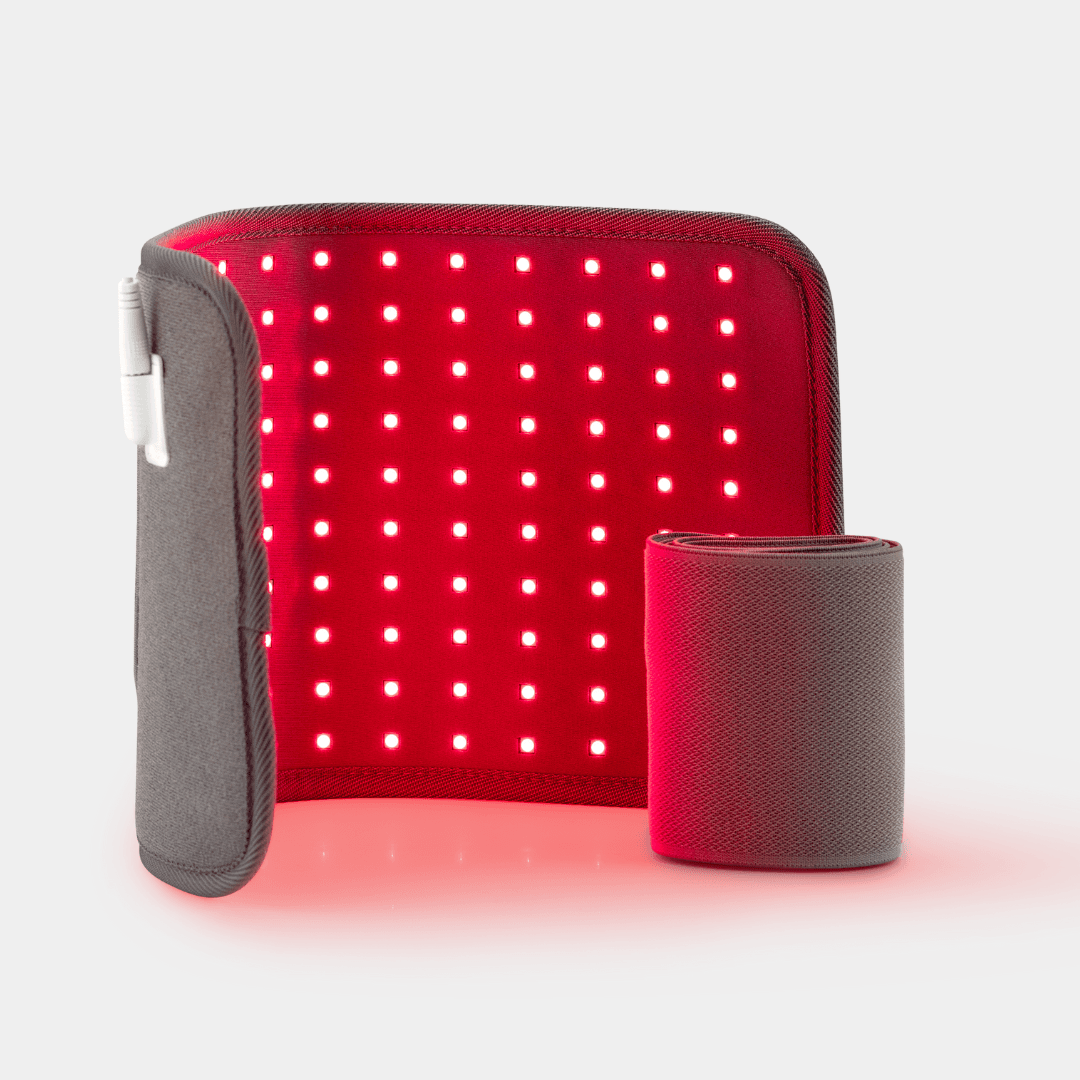
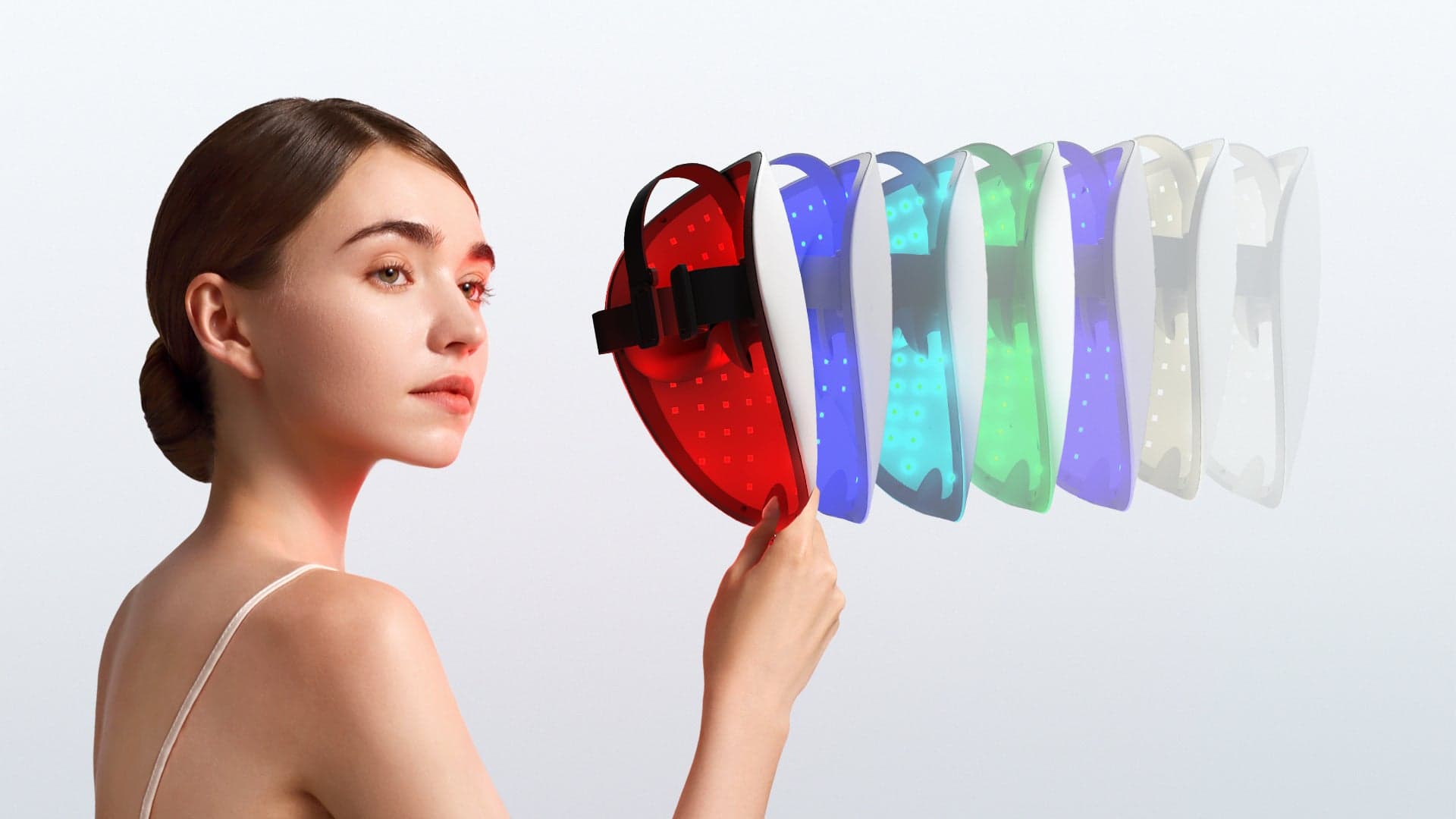
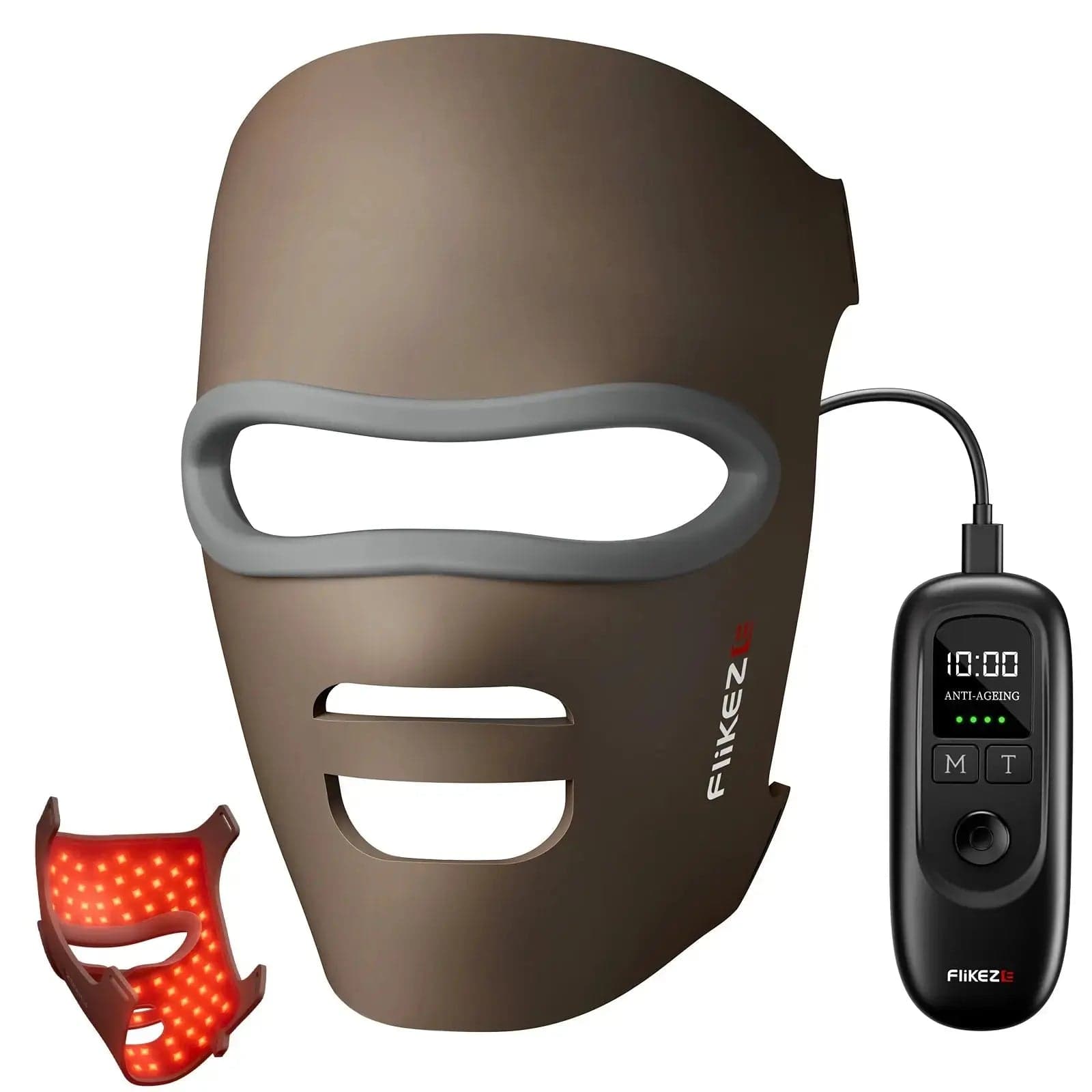
A face-only device, a targeted-joint panel, and a whole-body panel are different purchases. A face mask like the FliKEZE PhotonMask or a flexible wrap pad like the NovaaLab Light Pad targets one area cheaply and travels well. A full-body panel like the Joovv Solo 3.0 (or the flagship Joovv Elite 3.0) treats large surface area per session but costs more and needs wall space. Buying a tiny device for a whole-body goal (or vice versa) is the second most common mistake.
4. FDA clearance + EMF
FDA clearance (Class II) means the device met defined safety and labeling standards - not a magic stamp, but a real filter. Quasar MD Plus is an example of an FDA-cleared skin-focused device; browse the full FDA-cleared tag for others. Low EMF emission at treatment distance is a secondary nice-to-have that the better brands publish.
The biphasic dose trap (do not skip this)
Red light has a biphasic dose-response curve: too little does nothing, the right dose helps, and too much can REVERSE the benefit. This is the opposite of how people instinctively use it. Standing in front of a panel for 45 minutes "to be safe" can overshoot the therapeutic window - especially for skin, which needs a lower dose than muscle.
The fix is distance and duration math, not heroics. Skin work: 2 to 5 minutes at 12 to 18 inches. Muscle and joint: 5 to 15 minutes at 4 to 6 inches. We built the full distance-and-duration protocol in the Red Light Daily Protocol - read it before your first session so you are dosing, not guessing.
Which red light device fits which buyer
We review eleven red-light devices. The decision comes down to form factor and budget:
- Best dollar-for-dollar full-body panel: Hooga HG500 - $349, verified 660/850nm irradiance. The default recommendation for most buyers.
- Mid-tier full-body upgrade: Mito Red MitoPRO 1500 - $999, larger treatment area and higher peak irradiance than the Hooga.
- Premium full-body, build quality + warranty: Joovv Solo 3.0 ($1,699) or the flagship Joovv Elite 3.0 ($11,099+) for a permanent whole-body install.
- 4-wavelength broad spectrum: Bestqool Pro300 - $899, for buyers who want 630/660/810/850nm coverage.
- Face / skin only: FliKEZE PhotonMask Quint - $159-299, 5-wavelength LED mask that packs flat for travel.
- FDA-cleared skin device: Quasar MD Plus - $249-399.
- Flexible targeted pad: NovaaLab Light Pad - $349-399, wraps over a joint, FDA Class II, HSA/FSA-eligible.
- Tabletop / desk: Bon Charge Mini Pro - $549, compact for targeted use.
- Mats, belts, and boots (full-coverage at value): Lumy Health - $199-1,299.
- Entry-tier panel range: Elvish Red Light - $129-799.
Compare the budget tier head-to-head on best red light panels under $500, or read the full Best Red Light Therapy Panels 2026 pillar guide.
Bottom line
Red light therapy is a real tool for skin and recovery and an open question for systemic longevity. Buy a panel with both 660 and 850nm, published irradiance at a real distance, and a treatment area that matches your goal. Match the form factor to the job (face mask, joint pad, or full-body panel), respect the biphasic dose curve (more is not better), and run the distance-and-duration protocol rather than standing there for 45 minutes. Do that and a $349 panel outperforms a misused $2,000 one.
- Ryan, Founder
The products this post references


The Longevity Gear Buyer's Checklist
The specs that actually decide whether a sauna, cold plunge, red light panel, or smart ring is worth it, plus the real price range for each. Get the free PDF, plus one weekly email on the gear worth buying.