Prenuvo Whole-Body MRI vs TruDiagnostic TruAge COMPLETE Epigenetic Test
Specs, prices, editor verdict, and who should buy which - compared side-by-side.
Prenuvo Whole-Body MRI (ultra premium, $1,199–$4,999/test) vs TruDiagnostic TruAge COMPLETE Epigenetic Test (premium, $499–$849/test) - different tools for different jobs (see the per-product details below).
Compared on 0 shared specs · same category (diagnostic).
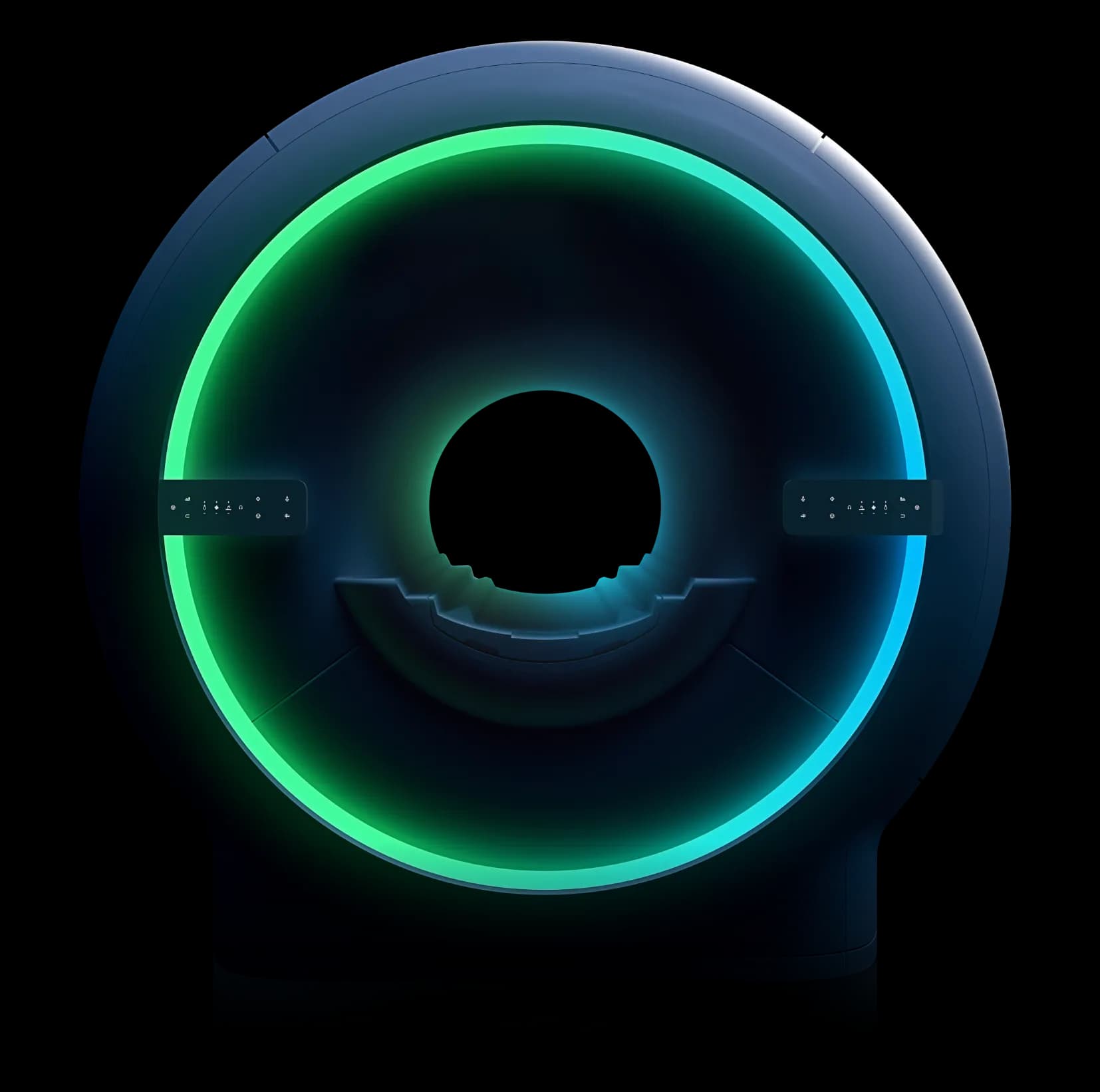
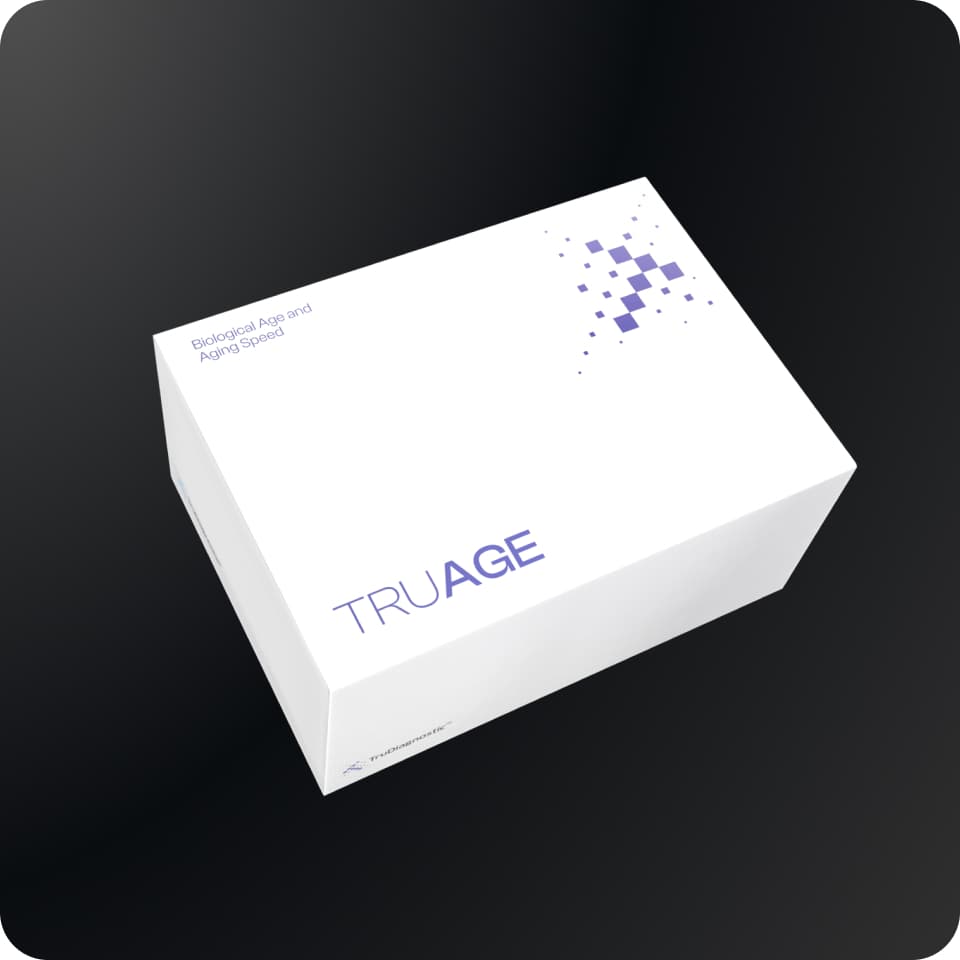
These are close picks. Both score in the same range. The right call depends on buyer profile - read the per-buyer recommendations below.
Who should buy which
Buyers with family history of cancer, anyone over 50, those who want imaging-based screening as part of their longevity baseline.
You're prone to anxiety over uncertain findings, or you don't have $1,199 to $4,999 to spend on a screening test, depending on tier and city.
Longevity-focused buyers running serious anti-aging protocols who want validated pace-of-aging tracking, and biomarker-literate users adding epigenetic data to a broader monitoring stack.
You want actionable health recommendations (Function Health or InsideTracker beat it on that), you won't commit to longitudinal retests (single-point readings are noisy), or you're shopping for vanity rather than research-grade data.
Go deeper
Frequently asked
Which is better, the Prenuvo Whole-Body MRI or the TruDiagnostic TruAge COMPLETE Epigenetic Test?
They are closely matched on our scoring, so the right pick comes down to your priorities. The verdict and spec table above compare them on price, features, and who each one suits.
How much do they cost?
Prenuvo Whole-Body MRI: $1,199 to $4,999. TruDiagnostic TruAge COMPLETE Epigenetic Test: $499 to $849. Prices are verified against the manufacturer; check the live links for current pricing.
Who should buy which one?
Prenuvo Whole-Body MRI: Buyers with family history of cancer, anyone over 50, those who want imaging-based screening as part of their longevity baseline. TruDiagnostic TruAge COMPLETE Epigenetic Test: Longevity-focused buyers running serious anti-aging protocols who want validated pace-of-aging tracking, and biomarker-literate users adding epigenetic data to a broader monitoring stack.