Lifespan Vault earns an affiliate commission when you buy through links on this page, at no extra cost to you. It does not change our rankings or our verdicts.
Longevity coverage clusters at two extremes: sub-$500 accessories and $15,000 cabins. The tier in between is where most serious buyers actually land, and it is the least written-about band in the category.
What changes at $1,000 is that hardware stops being a gadget and starts being infrastructure. A chillered cold plunge holds its temperature without you buying ice, which is the difference between a habit and an abandoned tub. A portable infrared sauna delivers most of a cabin's cardiovascular stimulus without a 220V circuit or a contractor. Whole-home water filtration treats every tap rather than one pitcher.
What you still give up above this tier is capacity and finish, not effect: fewer people at once, a smaller cabin, a shorter warranty, a less premium shell. Those matter for a household of four, and matter very little for one person building a daily practice.
The honest sequencing advice: buy one piece from this tier and run it for ninety days before adding a second. The failure mode at this budget is not choosing wrong, it is buying three things at once and using none of them consistently.






Best Longevity Hardware $1,000 to $3,000 (2026) - buyer FAQ
Is a $1,400 cold plunge worth it over a stock tank and ice?
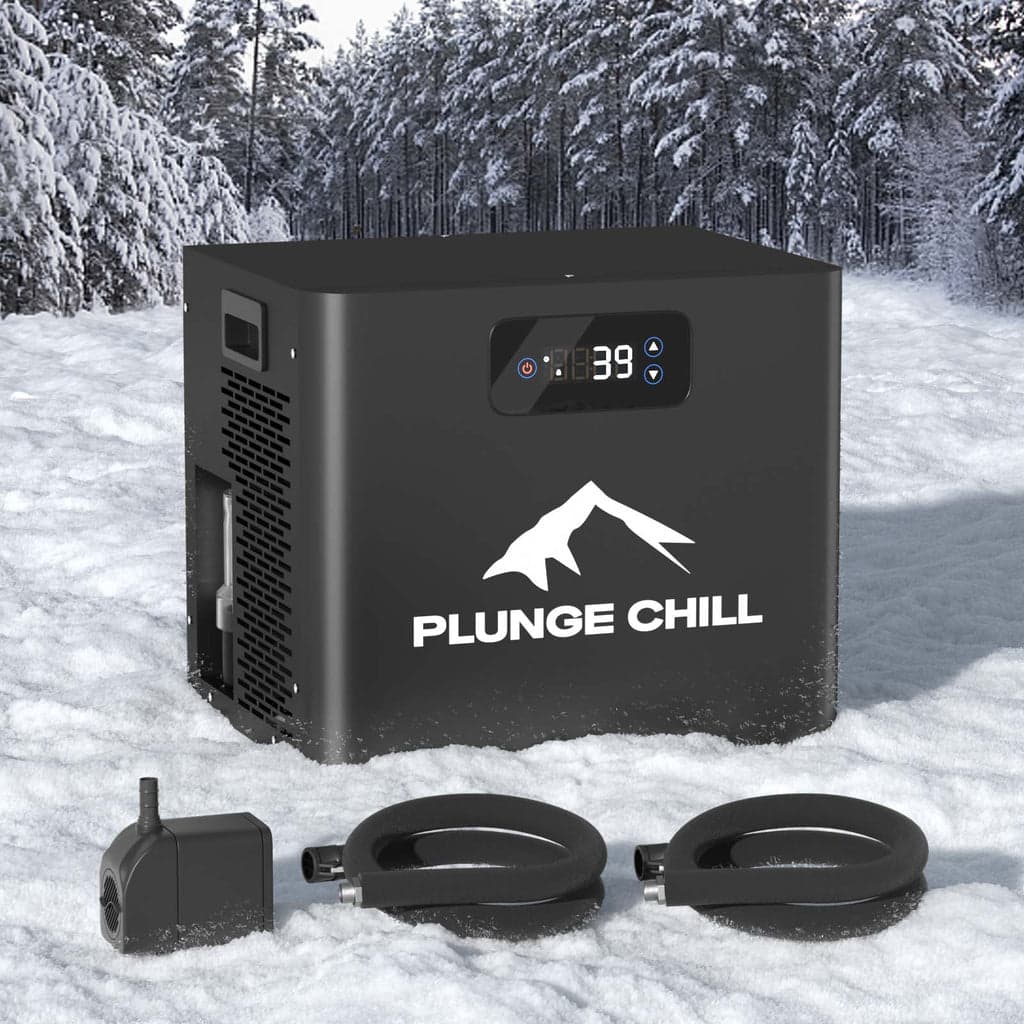
Yes, on compliance rather than cold. A chillered unit like the Plunge Chill 1HP holds temperature continuously, so a session costs nothing but time. An ice-based setup runs roughly $60 to $120 a month in bagged ice and takes fifteen minutes of setup per session, which is why most ice-tub owners stop by week three.
Portable sauna or a real cabin?
A portable full-spectrum unit like the Therasage Thera360 Plus runs about $1,428 and needs only a standard outlet, against roughly $6,000 to $15,000 and often a 220V circuit for a cabin. You get most of the cardiovascular stimulus and lose capacity, ambient heat and finish. For one person in an apartment it is the better buy; for a household of four it is not.
What should I buy first in the $1,000 to $3,000 range?
Whichever piece addresses the thing you already know is broken. If sleep is the problem, the mattress or the sleep environment. If recovery from training is the problem, the plunge. If your water quality is the problem, the whole-home system at $1,675. Buying the most exciting item rather than the most relevant one is the common mistake at this budget.
How many pieces from this tier should I own?
One at a time, ninety days apart. Every product here demands a daily or near-daily habit to return anything, and habit formation does not parallelize. Buyers who purchase three pieces in one month typically use one of them by month three, which turns a $4,000 outlay into a $1,400 result.
The Longevity Gear Buyer's Checklist
The specs that actually decide whether a sauna, cold plunge, red light panel, or smart ring is worth it, plus the real price range for each. Get the free PDF, plus one weekly email on the gear worth buying.