Best Creatine Gummies 2026: Four of Six Failed Testing
This page used to name a best creatine gummy. Independent testing measured 0.00 g of creatine in the product we named. Here is the full assay data on the category, and the certified powders we buy instead.
Lifespan Vault earns an affiliate commission when you buy through links on this page, at no extra cost to you. It does not change our rankings or our verdicts.
Anyone searching for the best creatine gummy is really asking one thing: can I get creatine without the tub of gritty powder. The honest 2026 answer starts somewhere less convenient than a ranking. Two independent laboratories have now assayed retail creatine products, and the failures cluster almost entirely in the gummy format. Four of the six gummies in the larger round did not contain what their labels claimed. Two of them contained no measurable creatine at all.
We are not a neutral party here. This page used to name a best creatine gummy, and the product we named measured 0.00 g. The correction is below in full, because a page that recommends a supplement owes its readers the testing that undoes the recommendation.
Quick answer
- No gummy we are willing to name. Four of six failed independent assay in 2025. A product no laboratory has tested is untested rather than clean, so the absence of a failure is not a recommendation.
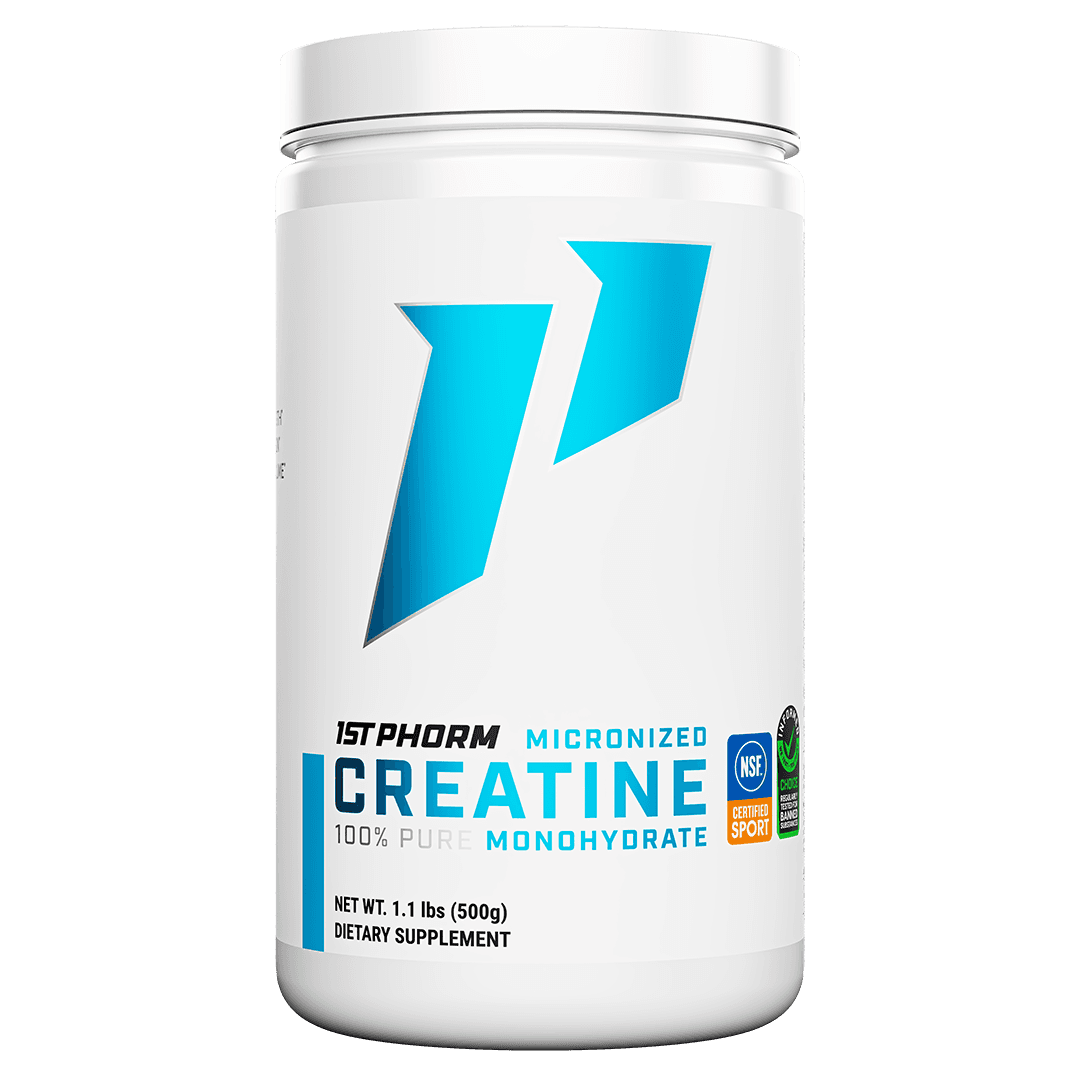
- Buy instead: the 1st Phorm Micronized Creatine Monohydrate at $29.99 for 50 servings or $39.99 for 100, one ingredient and NSF Certified for Sport (verified 2026-08-08).
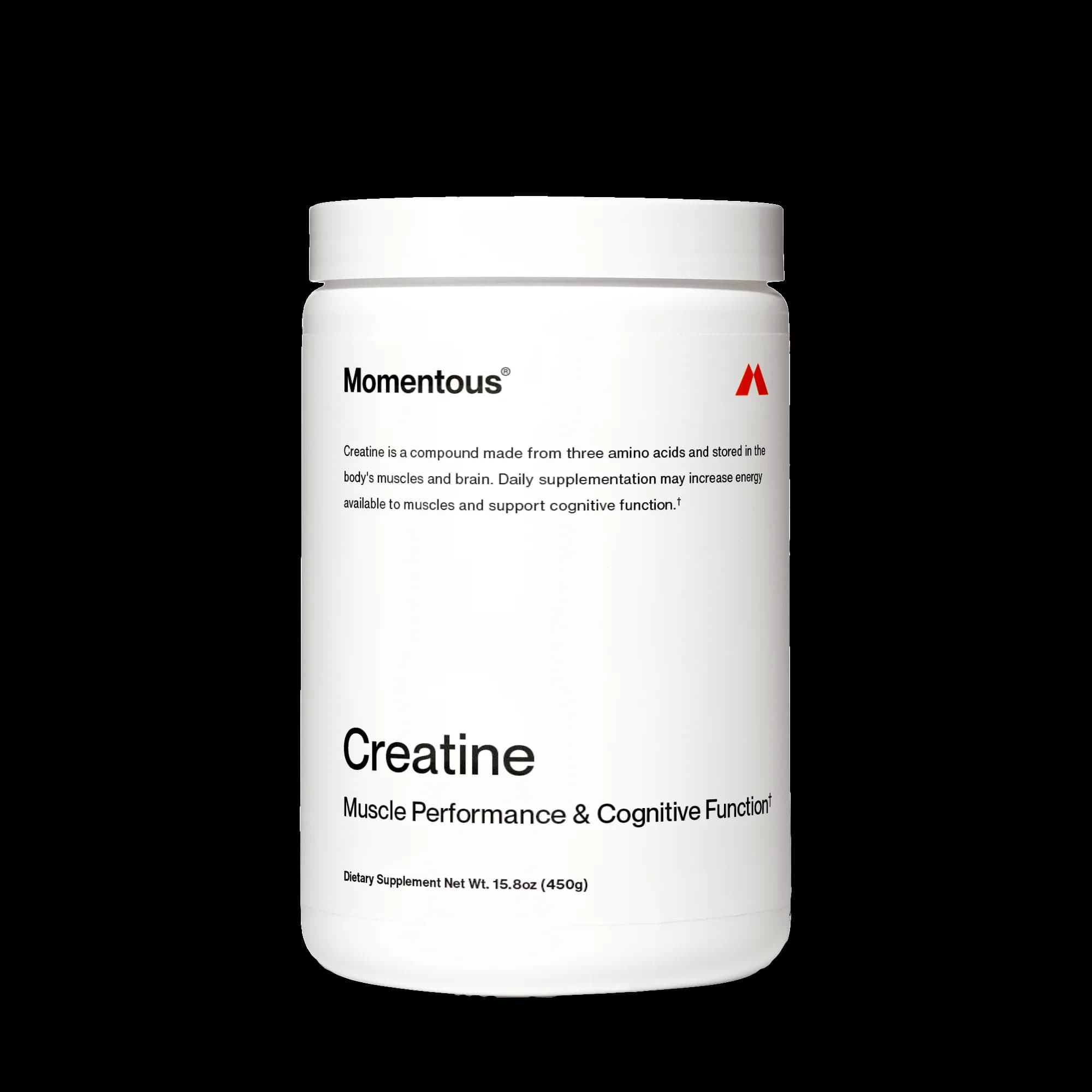
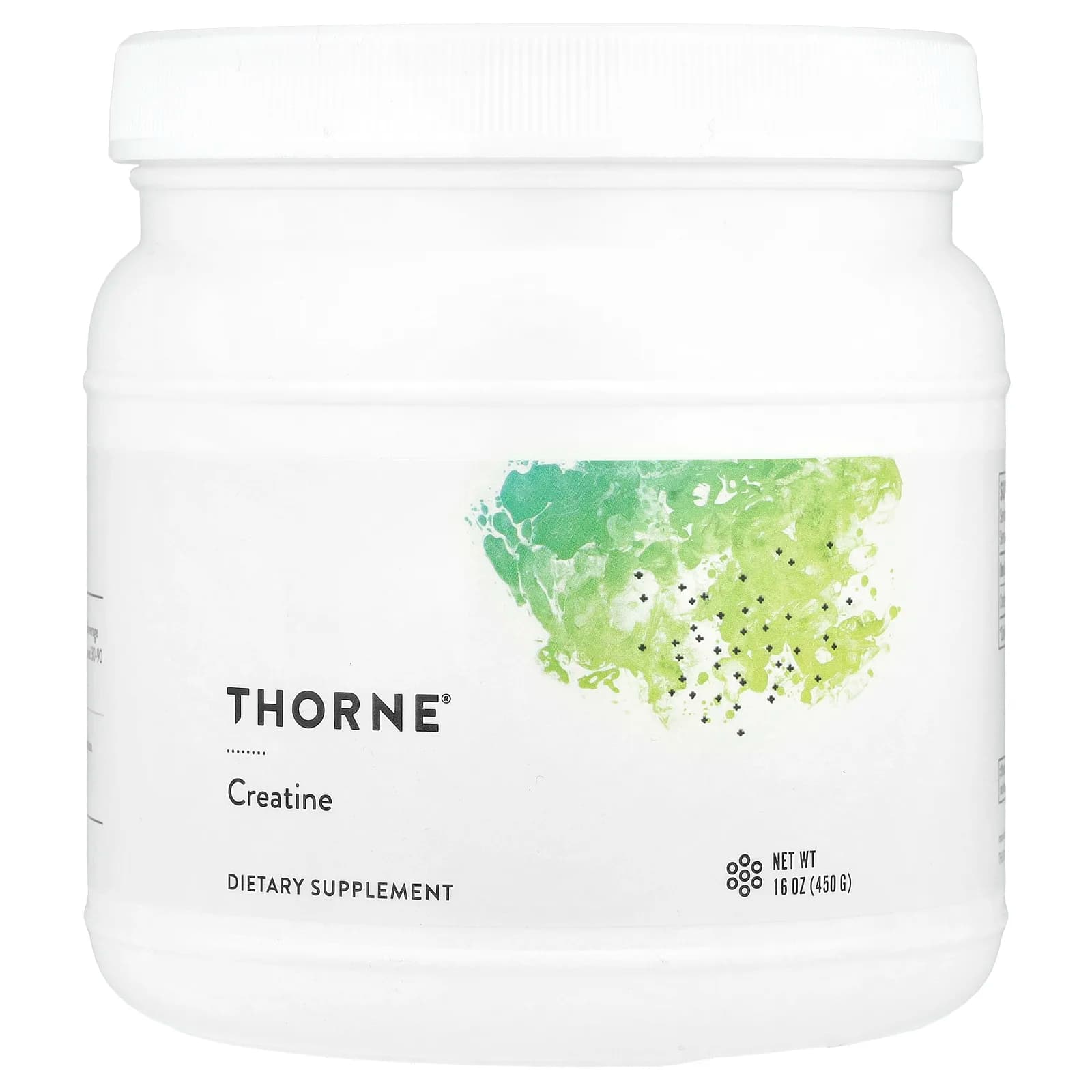
- Other certified powders: Thorne Creatine at $44 and Momentous Creatine at $42.99, both NSF Certified for Sport. We earn nothing on either, which is worth saying plainly.
- If grit is your actual objection: Arq8 mills monohydrate to a nano particle that dissolves fully. Buy the powder rather than the brand's gummies, which no independent laboratory has assayed.
What the testing found
SuppCo commissioned an ISO 17025:2017 accredited laboratory and published HPLC results on 12 June 2025 covering eleven retail products, six gummies and five powders, all bought retail. The split runs cleanly along format.
| Product | Format | Claim | Measured | Result |
|---|---|---|---|---|
| EcoWise Creatine HCl Gummies | Gummy | 5 g | 0.00 g | Failed |
| Vidabotan | Gummy | 5 g | 0.00 g | Failed |
| Happyummmm | Gummy | 5 g | 0.005 g | Failed |
| DivinusLabs | Gummy | 5 g | 0.025 g | Failed |
| Create | Gummy | 5 g | 102% of label | Passed on content |
| Force Factor | Gummy | 5 g | 126% of label | Passed on content |
| Five monohydrate powders | Powder | per label | 98.1% to 103.2% of label | All passed |
A second laboratory reached a related finding earlier. NOW Foods published HPLC results on 1 March 2024 covering CON-CRET creatine gummies, the branded creatine HCl several products in this category are built on. Measured creatine was 28.3 mg against a 250 mg per gummy claim, roughly 11% of label, alongside 63.8 mg of creatinine per gummy. One disclosure readers deserve: NOW Foods sells competing creatine monohydrate and did not say so in that report, which is why the SuppCo round is the stronger of the two.
Why gummies fail when powders do not
The failures are not simple underfilling, and the evidence for that is creatinine.
Creatine converts to creatinine, an inert breakdown product, in warm wet acidic conditions. A gummy is manufactured in exactly those conditions and then stores the creatine in them for the life of the jar. Powder is dry, so the same reaction has no water to run in. When a laboratory finds creatinine where creatine should be, the creatine was there and degraded rather than never being added.
That is what both labs found. NOW measured 63.8 mg of creatinine against 28.3 mg of surviving creatine in the CON-CRET gummy, and 25.1 mg in Beast Bites. Even Create, which passed on content at 102% of label in SuppCo's round, carried 7,300 ppm of creatinine against the 500 ppm USP limit SuppCo itself cites. Passing a content assay and being a clean product are two different bars, and most buying guides do not measure the second one because they do not measure anything.
What we got wrong
This page used to recommend the EcoWise Creatine HCl Gummies as the best dose per dollar in the category. That is the product SuppCo measured at 0.00 g.
Two other claims on the old version do not hold either. We described creatine HCl as the more absorbable form, and stated that 750 mg to 1.5 g of it delivers effects comparable to 5 g of monohydrate. Kreider and colleagues, reviewing the evidence in Nutrients in 2022, wrote that there is no evidence creatine HCl is absorbed more effectively than monohydrate in humans, and that no PubMed indexed study had been published on creatine HCl and muscle creatine retention or performance at all. Antonio and colleagues addressed the solubility argument directly in 2021: solubility has no influence on tissue uptake. Creatine HCl is also 78.2% creatine by weight against monohydrate's 87.9%, so a gram of it carries less creatine, not more.
We left the EcoWise product page published rather than deleting it, with the testing on it, and we do not link to the product. It earned us nothing, which is the only mercy in it.
The cost math, reframed
The old version of this page ran the gummy premium as a straight convenience trade. The number is still worth seeing, but it reads differently once you know the failure rate.
| Option | Cost / serving | Annual cost | vs certified powder |
|---|---|---|---|
| 1st Phorm, 100-serving tub | ~$0.40 ($39.99 / 100) | ~$146 | baseline |
| Momentous, 90-serving tub | ~$0.48 ($42.99 / 90) | ~$174 | +$28 / yr |
| Thorne, 90-serving tub | ~$0.49 ($44 / 90) | ~$178 | +$32 / yr |
| A typical creatine gummy | ~$1.45 | ~$529 | +$383 / yr |
Prices verified 2026-08-08 (1st Phorm), 2026-08-23 (Momentous) and 2026-06-23 (Thorne); confirm current pricing at checkout. The gummy line uses the $1.45 per serving figure this page previously quoted, which is representative of the format rather than a live price for anything we recommend.
Roughly $380 a year is the format premium. Compliance can justify a premium, and a supplement you skip returns nothing. It cannot justify paying that premium for a category where four of six tested products did not contain the ingredient.
If you still want a gummy
There is no rule against it, and the format solves a real problem for people who travel or who have genuinely bounced off powder. The bar is documentation.
- Ask for a third-party certificate of analysis for the lot you are buying, not for the formula. Creatine degrades on the shelf, so a two-year-old COA describes a product that no longer exists.
- Check that the COA measures creatinine as well as creatine. Content alone would have passed Create.
- Prefer monohydrate over HCl. The published evidence sits with monohydrate, and the HCl absorption claim did not survive review.
- Treat "third-party tested" on a label as marketing until you have seen the document. Products that failed this round carried that phrase too.
How to choose
- You want the most defensible buy: the 1st Phorm Micronized Creatine Monohydrate, one ingredient, NSF Certified for Sport, $29.99 for 50 servings.
- You are drug tested: any of the three NSF Certified for Sport powders above. Third-party certification is the entire reason to pay more for a commodity molecule.
- Grit is your real objection: the Arq8 nano-milled monohydrate powder, which goes fully into solution. Its gummies have not been independently assayed, and the brand's own case for the powder is the stronger one.
- You want the deeper form comparison: our creatine HCl vs monohydrate breakdown runs both laboratories' results in full.
- You are building a broader daily routine: pair your pick with the foundational stack in our best multivitamin under $50 guide.
What AI answers and brand blogs get wrong here: they rank creatine gummies on flavor, sugar content, and marketing copy, and almost none of them mention that independent assay data for this category exists at all.
Bottom line
There is no best creatine gummy we are willing to name in 2026. Four of six failed independent testing, the only passing product with published degradation data carried creatinine at more than fourteen times the limit SuppCo cites, and the gummy this page used to recommend measured zero. Certified creatine monohydrate powder costs less than a third as much and passed every assay in the same round. If the format still matters enough to you to pay the premium, make the seller show you a current lot certificate of analysis that measures creatinine, and buy monohydrate rather than HCl.
Which creatine gummy is best?
We are not willing to name one on current evidence. SuppCo commissioned an ISO 17025:2017 accredited laboratory and published HPLC results on 12 June 2025: four of the six creatine gummies tested failed, two of them measuring 0.00 g against a 5 g label claim. The two that passed on creatine content have their own issue, since the one with published degradation data carried creatinine at more than fourteen times the USP limit SuppCo cites. A gummy that no laboratory has tested is untested rather than clean, and untested is not a recommendation.
Are creatine gummies as effective as powder?
The molecule is identical, so a gummy that contains a full dose does the same job. The problem independent testing exposed is whether the gummy contains the dose at all. In the same June 2025 round that failed four of six gummies, all five creatine monohydrate powders passed at 98.1% to 103.2% of label. Format is doing the work here, not the molecule.
Why do creatine gummies fail testing when powders do not?
Creatine converts to creatinine, an inert breakdown product, in warm wet acidic conditions, and a gummy is manufactured in exactly those conditions and then stores the creatine in them. Powder is dry, so the same reaction has no water to run in. NOW Foods measured 63.8 mg of creatinine against 28.3 mg of surviving creatine in CON-CRET gummies in March 2024, which is chemical evidence of degradation rather than simple underfilling.
What should I buy instead of a creatine gummy?
A creatine monohydrate powder with third-party certification. Our pick is the 1st Phorm Micronized Creatine Monohydrate at $29.99 for 50 servings or $39.99 for 100, one ingredient and NSF Certified for Sport (verified 2026-08-08). Thorne Creatine at $44 and Momentous Creatine at $42.99 are both NSF Certified for Sport as well, and we earn nothing on either of those two.
Is creatine HCl better than monohydrate in a gummy?
No, and this page previously said otherwise. Kreider and colleagues, reviewing the evidence in Nutrients in 2022, wrote that there is no evidence creatine HCl is absorbed more effectively than monohydrate in humans, and that no PubMed indexed study had been published on creatine HCl and muscle creatine retention or performance. Antonio and colleagues addressed the solubility argument directly in 2021: solubility has no influence on tissue uptake. Creatine HCl is also 78.2% creatine by weight against monohydrate's 87.9%, so a gram of it carries less creatine, not more.
The products this post references

The Longevity Gear Buyer's Checklist
The specs that actually decide whether a sauna, cold plunge, red light panel, or smart ring is worth it, plus the real price range for each. Get the free PDF, plus one weekly email on the gear worth buying.