Lifespan Vault earns an affiliate commission when you buy through links on this page, at no extra cost to you. It does not change our rankings or our verdicts.
Vagus nerve stimulation is the buzziest corner of consumer recovery tech: wearables that promise to nudge your nervous system toward its rest-and-digest state in a few minutes a day. The general research area is genuinely interesting, but the marketing runs well ahead of the independent evidence, so choosing a device in 2026 is mostly about verified costs, return windows, and which ritual you will actually keep.
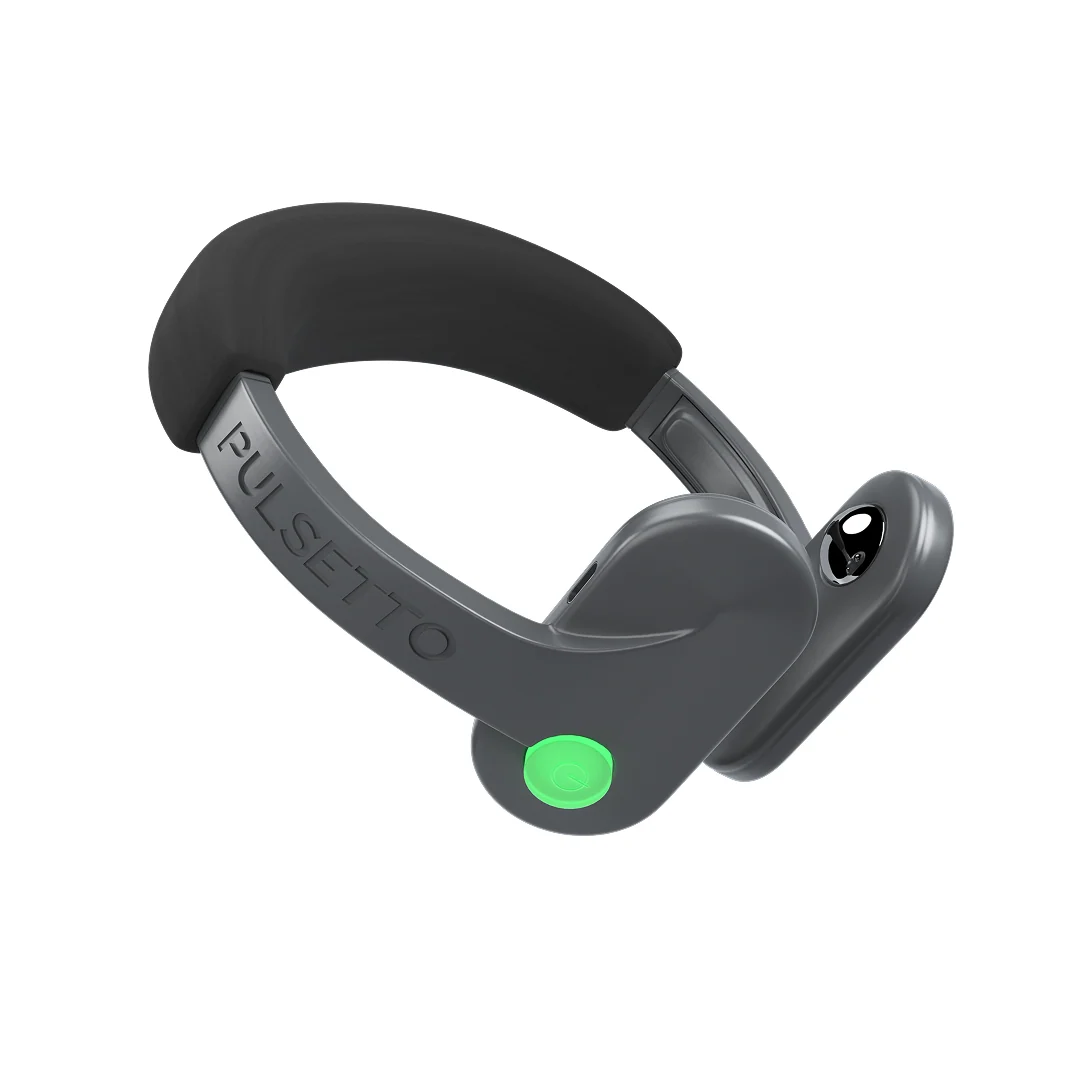
For most buyers the answer is the Pulsetto, the best-known hands-free tVNS neck wearable, at $269 for the Lite or $296 for the Fit (verified July 2026). If you would rather wear something passively through the day than run a short deliberate session, the Apollo Neuro vibration wearable at $448 is the established alternative. Both are general wellness devices, not FDA-cleared treatments, so the smart move is to buy on the return window and judge the device against your own sleep and HRV data.
Quick answer
- Best for most buyers: the Pulsetto Lite at $269 (verified July 2026), hands-free 4 to 10 minute sessions, 2-year warranty, 30-day money-back window.
- Best for passive, all-day use: the Apollo Neuro + SmartVibes at $448, a wrist, ankle, or arm vibration wearable with a 30-day return window.
- Best if you want the newer hardware: the Pulsetto Fit at $296, with about 12 days of battery per charge versus roughly 10 on the Lite.
At a glance: the 2026 vagus nerve device field
| Device | Price (verified July 2026) | Mechanism | How you use it | Battery | Recurring costs | Returns / warranty |
|---|---|---|---|---|---|---|
| Pulsetto Lite | $269 | Electrical tVNS at the neck | 4 to 10 min session, ~4 min daily recommended | Up to 10 days, USB-C | Gel $51/4-tube box (4-6mo supply); optional Premium app $15/mo | 30-day money-back + 2-year warranty |
| Pulsetto Fit | $296 | Electrical tVNS at the neck | Same 4 to 10 min sessions | About 12 days, USB-C | Same gel and optional Premium tier | 30-day money-back + 2-year warranty |
| Apollo Neuro + SmartVibes | $448 | Low-frequency vibration at wrist, ankle, or arm (or clipped to clothing) | Worn through the day; 3+ hrs/day, 5 days/week | ~8 hours continuous use | SmartVibes membership required, ~$99/yr after bundled year 1 | 30-day money-back |
Sensate (a chest-worn infrasonic device around $299) and Truvaga (a handheld tVNS unit you hold to the neck) round out the field; we cover where they fit below.
What these devices claim, and what the evidence actually says
All of these products target the same idea: stimulate the vagus nerve or the parasympathetic nervous system generally, and the body shifts toward its rest-and-digest state. Non-invasive vagus nerve stimulation is an active research area, and that part is real. What is not yet established is that consumer wearables reliably improve stress or sleep outcomes in large independent trials.
The specifics matter. Pulsetto's headline numbers come from a small company-linked study of roughly 40 people over 4 weeks, not independent replication. Apollo's strongest support is a 2022 study in the European Journal of Applied Physiology of 22 University of Pittsburgh athletes, which found the vibrations each rated most calming were associated with higher parasympathetic HRV, particularly in those most taxed by exercise; Apollo itself does not make medical claims, and the device is not FDA-cleared to treat anything. We report those findings with attribution and nothing more. In practice, effects are subjective: some users swear by the ritual, others feel nothing and return the device. That is exactly what the 30-day windows are for.
Pulsetto: the pick for a short daily ritual
The Pulsetto is a soft collar that sits at the base of your neck, paired to a phone app over Bluetooth. You apply a thin layer of conductive gel, pick one of the programs (5 are free for life), and it runs a hands-free 4 to 10 minute session; the brand recommends about 4 minutes daily. Battery life is the quiet standout: up to 10 days on the $269 Lite and about 12 on the $296 Fit, both charging over USB-C. The hardware carries a 2-year warranty on top of the 30-day money-back window, and it is the best-known brand in the category with genuinely solid build quality. Our full breakdown is on the Pulsetto review page.
Where it gives ground: the consumables are real. Conductive gel is a $51 box of four 60g tubes that Pulsetto rates as a four to six month supply, about $102 to $153 a year at daily use, and the best app content sits behind an optional $15 a month Premium tier. And the evidence caveat applies with full force here, since the headline stats trace back to that small company-linked study. One more note: Pulsetto's site shows compare-at figures of $469 on the Lite and $546 on the Fit, standing funnel anchors rather than real market prices. The real prices are $269 and $296.
Verdict by buyer: the Pulsetto Lite at $269 is the pick for anyone who wants a structured wind-down ritual and will actually use the 30-day window to judge it. The Fit at $296 makes sense if you want the newer hardware and the extra battery. Skip both if you expect proven outcomes or hate consumable costs.
Apollo Neuro: the passive benchmark
The Apollo Neuro is the inverse of a tracking wearable: instead of measuring your HRV, it runs low-frequency vibration patterns at your wrist, ankle, or arm, or clipped to your clothing, aimed at engaging the parasympathetic nervous system through touch. It grew out of neuroscience and psychiatry research at the University of Pittsburgh, led by co-founder Dr. David Rabin, and spun out in 2018, which gives it the most credible research pedigree in the vibration-wearable niche; it pairs naturally with a data wearable like an Oura or Whoop from our longevity wearables guide. The hardware bundle is $448 (verified July 2026) with 1 year of the SmartVibes membership included, then about $99 a year after, which Apollo says is required to keep using the device, and the return window is 30 days.
Where it gives ground: it is open-loop, meaning it does not read your physiology and adjust, and it only helps if you actually wear it much of the day (Apollo recommends at least 3 hours a day, 5 days a week), which is where most users fail. Battery is about 8 hours per charge, so it becomes another thing to charge daily. It also costs about 1.7 times what a Pulsetto Lite does at sticker, though the 12-month math below narrows that gap considerably. Worth knowing before you buy: Apollo has listed an Apollo 2.0 + SmartVibes pre-order at $449, so a hardware refresh is imminent; if you are not in a hurry, waiting may get you newer hardware at the same price.
Verdict by buyer: Apollo is the pick for someone who already tracks HRV, wants a passive intervention rather than a daily session, and will genuinely wear it most of the day. It is the wrong buy if you want a quick deliberate ritual or a device with no membership layer.
Sensate and Truvaga: the rest of the field
Two names come up constantly in this category. Sensate is a chest-worn infrasonic resonance device around $299: simpler than Apollo (one basic use pattern, you lie down with it on your chest) and quieter for people who do not want vibration running at their wrist all day. Truvaga is a handheld tVNS unit you press to the side of the neck for short sessions, closer to Pulsetto's mechanism but without the hands-free collar form factor. We have not verified current pricing or specs for Truvaga against our catalog standard, so we mention it as context rather than a recommendation. Both face the same early-evidence caveat as the two picks above.
The real 12-month cost (the math brand blogs will not show you)
Sticker prices mislead in this category because the recurring costs run in opposite directions. Here is the year-one math, priced July 2026, assuming daily use:
| Setup | Hardware | Recurring, months 1 to 12 | Year-one total | Year-two run rate |
|---|---|---|---|---|
| Pulsetto Lite, free programs | $269 | ~$102 to $153 gel | ~$371 to $422 | ~$102 to $153/yr |
| Pulsetto Fit, free programs | $296 | ~$102 to $153 gel | ~$398 to $449 | ~$102 to $153/yr |
| Pulsetto Lite + Premium app | $269 | ~$282 to $333 (gel + $180 app) | ~$551 to $602 | ~$282 to $333/yr |
| Apollo Neuro + SmartVibes | $448 | $0 (year 1 bundled) | $448 | ~$99/yr (required) |
The result most shoppers do not expect: the $269 Pulsetto Lite actually comes in a bit cheaper than the $448 Apollo in year one, even after pricing the gel, and from year two the two run close, since Apollo's required membership is about $99 a year against roughly $102 to $153 in Pulsetto gel. Both recurring costs are non-optional with daily use: Pulsetto needs gel, and Apollo says its wearable needs an active membership to work. The gel estimate uses Pulsetto's own figure of a four-tube box lasting four to six months; lighter use stretches it further.
How to choose
- You want a short, deliberate daily ritual: the Pulsetto Lite at $269. Four minutes a day is easy to keep.
- You want passive, wear-and-forget regulation: the Apollo Neuro at $448, if you will honestly wear it much of the day (3+ hrs, 5 days a week).
- You want the newest hardware and longest battery: the Pulsetto Fit at $296, about 12 days per charge.
- You want the lowest ongoing cost: it is close, Apollo's required ~$99/yr membership against Pulsetto's ~$102 to $153/yr gel.
- You are skeptical of the whole category: reasonable. Put the money toward proven basics from our recovery tech guide or the sleep tech guide first, and browse the full recovery collection for alternatives.
Bottom line
Vagus nerve stimulation wearables are early-evidence tools, and the honest way to buy one is as a 30-day experiment against your own data. The Pulsetto at $269 to $296 is the best pick for most buyers: hands-free, genuinely short sessions, a 2-year warranty, and the strongest brand in the category, as long as you budget roughly $102 to $153 a year for gel. The Apollo Neuro at $448 is the better fit for passive all-day wear, and over three years the two land close on total cost. Whichever way you go, use the return window and let your sleep and HRV numbers make the call.
- Ryan, Founder
Do vagus nerve stimulation devices actually work?
The honest answer is that the science is early. Pulsetto's headline stress and sleep numbers come from a small company-linked study of roughly 40 people over 4 weeks, and Apollo's key support is a 2022 study in the European Journal of Applied Physiology of 22 University of Pittsburgh athletes, which found the vibrations each rated most calming were associated with higher parasympathetic HRV. Neither device is FDA-cleared to treat any condition, so buy on the return window.
How much does the Pulsetto cost, including the extras?
The Pulsetto Lite is $269 and the newer Pulsetto Fit is $296, verified from pulsetto.tech Shopify data in July 2026. Budget for conductive gel, sold as a $51 box of four 60g tubes that Pulsetto rates as a four to six month supply, so about $102 to $153 a year at daily use. Five app programs are free for life; an optional Premium tier at $15 a month adds three more plus meditations.
Pulsetto vs Apollo Neuro: which one should I buy?
Different mechanisms. Pulsetto delivers electrical vagus nerve stimulation at the neck in 4 to 10 minute daily sessions and costs $269 to $296. Apollo Neuro is a $448 vibration wearable worn at the wrist, ankle, or arm; Apollo recommends at least 3 hours a day, 5 days a week. Pick Pulsetto for a short deliberate ritual, Apollo for passive all-day wear. Both are early-evidence wellness devices, and both run a 30-day return window.
Do vagus nerve devices need a subscription?
Plan for recurring costs either way. Pulsetto includes 5 programs free for life; its optional Premium tier is $15 a month, and conductive gel is a $51 box of four 60g tubes (a four to six month supply), so about $102 to $153 a year at daily use. Apollo bundles 1 year of its SmartVibes membership with the $448 hardware, then renews at about $99 a year, and Apollo states the wearable requires an active membership to work, so treat that as an ongoing cost.
How long before I know if a vagus nerve device is doing anything?
Most Apollo users either notice a shift within 2 to 3 weeks of consistent daily wear (Apollo recommends at least 3 hours a day, 5 days a week) or quietly stop using it, and Pulsetto effects are similarly subjective. That is why the return windows matter: both give you 30 days, and Pulsetto adds a 2-year hardware warranty. Track your own sleep and HRV data during the window and let the numbers decide.
The products this post references

The Longevity Gear Buyer's Checklist
The specs that actually decide whether a sauna, cold plunge, red light panel, or smart ring is worth it, plus the real price range for each. Get the free PDF, plus one weekly email on the gear worth buying.