Lifespan Vault earns an affiliate commission when you buy through links on this page, at no extra cost to you. It does not change our rankings or our verdicts. As an Amazon Associate, Lifespan Vault earns from qualifying purchases.
If you lift, the smart ring you want is not the one with the flashiest strain score. It is the one that tracks recovery honestly, survives a loaded barbell, and does not bill you every month to read your own HRV. For most lifters that is the Ultrahuman Ring Pro at $479 (verified 2026-06-23), because it does subscription-free recovery tracking with a 15-day battery. If you want the same recovery signal for under half the price, the Omni Health Ring at $199 (verified 2026-05-07, confirm current price) is the value pick.
One thing to set straight first: no smart ring measures your heart rate rep by rep the way a chest strap does. The finger is a bad spot for optical sensors under grip load. Rings earn their place overnight, tracking HRV, resting heart rate, sleep, and recovery, which is what actually tells you whether to push or deload tomorrow. Buy a ring for readiness, not for live training zones.
Quick answer
- Most lifters (no subscription, best battery): the Ultrahuman Ring Pro at $479, a 15-day battery and lifelong data access with zero monthly fee.
- Value seekers (recovery on a budget): the Omni Health Ring at $199, 20+ biomarkers and no subscription at less than half the Oura all-in cost.
- Ecosystem buyers who trust the incumbent: the Oura Ring Gen 4 at $349 to $499, the most refined app, but the $5.99 per month membership gates most insights.
At a glance: six recovery trackers for lifters
Every name links to its full profile. Prices are the verified figure from our catalog on the date shown. Battery and heart-rate notes state the condition, because that is where the marketing and the reality diverge.
| Device | Price (verified) | Subscription | Battery | HR during lifting | Best for |
|---|---|---|---|---|---|
| Ultrahuman Ring Pro | $479 (2026-06-23) | None, lifelong data | ~15 days | Overnight recovery only, not per-rep | No-subscription recovery |
| Omni Health Ring | $199 (2026-05-07, confirm) | None | 5 to 7 days, 15 to 21 with case | Overnight recovery only | Value recovery tracking |
| Oura Ring Gen 4 | $349 to $499 (2026-05-29) | $5.99/mo required for full app | 5 to 7 days | Overnight recovery only | Most refined app |
| Ambrosia RIZZ Ring | $549 (2026-06-29) | 3 yrs included, then $99/yr | 5 to 7 days | Overnight, plus glucose trends | Lifters watching fueling |
| Apple Watch Ultra 2 | $799 to $849 (2026-05-03) | None required | ~36 hrs | On-wrist, better than a ring | Watch buyers who want apps |
| Garmin Fenix 8 | $999 to $1199 (2026-05-03) | None required | ~2 weeks | On-wrist, plus GPS workouts | Lifters who also run or cycle |
The pattern is clear: the ring decision is really a subscription decision. A ring measures recovery well enough that the differentiator becomes what you pay after checkout.
The 5-year cost of ownership (the number the brand blogs skip)
Ring reviews quote the sticker price and move on. But the real cost of a recovery ring over the years you will actually wear it is sticker plus subscription. Here is the honest math over a 5-year ownership window, using our carded picks as the price tiers. Subscription figures are from each catalog entry.
| Device | Sticker (verified) | Subscription over 5 yrs | 5-year all-in | Cost per year |
|---|---|---|---|---|
| Omni Health Ring | $199 (2026-05-07) | $0 | $199 | ~$40 |
| Ultrahuman Ring Pro | $479 (2026-09-20) | $0 | $479 | ~$96 |
| Oura Ring Gen 4 | $349 (2026-05-29) | $71.88/yr x 5 = $359 | $708 | ~$142 |
| Ambrosia RIZZ Ring | $549 (2026-06-29) | 3 yrs included, then $99/yr x 2 = $198 | $747 | ~$149 |
Takeaway: at the entry ring price, Oura and Ultrahuman start within a dollar of each other, but by year five the Oura membership has added roughly $359, making Ultrahuman about $359 cheaper to own for a lifter who only wants recovery trends. That is the break-even case for going subscription-free, and it is exactly the comparison a store that sells you the subscription cannot foreground.
Ultrahuman Ring Pro: the default for lifters
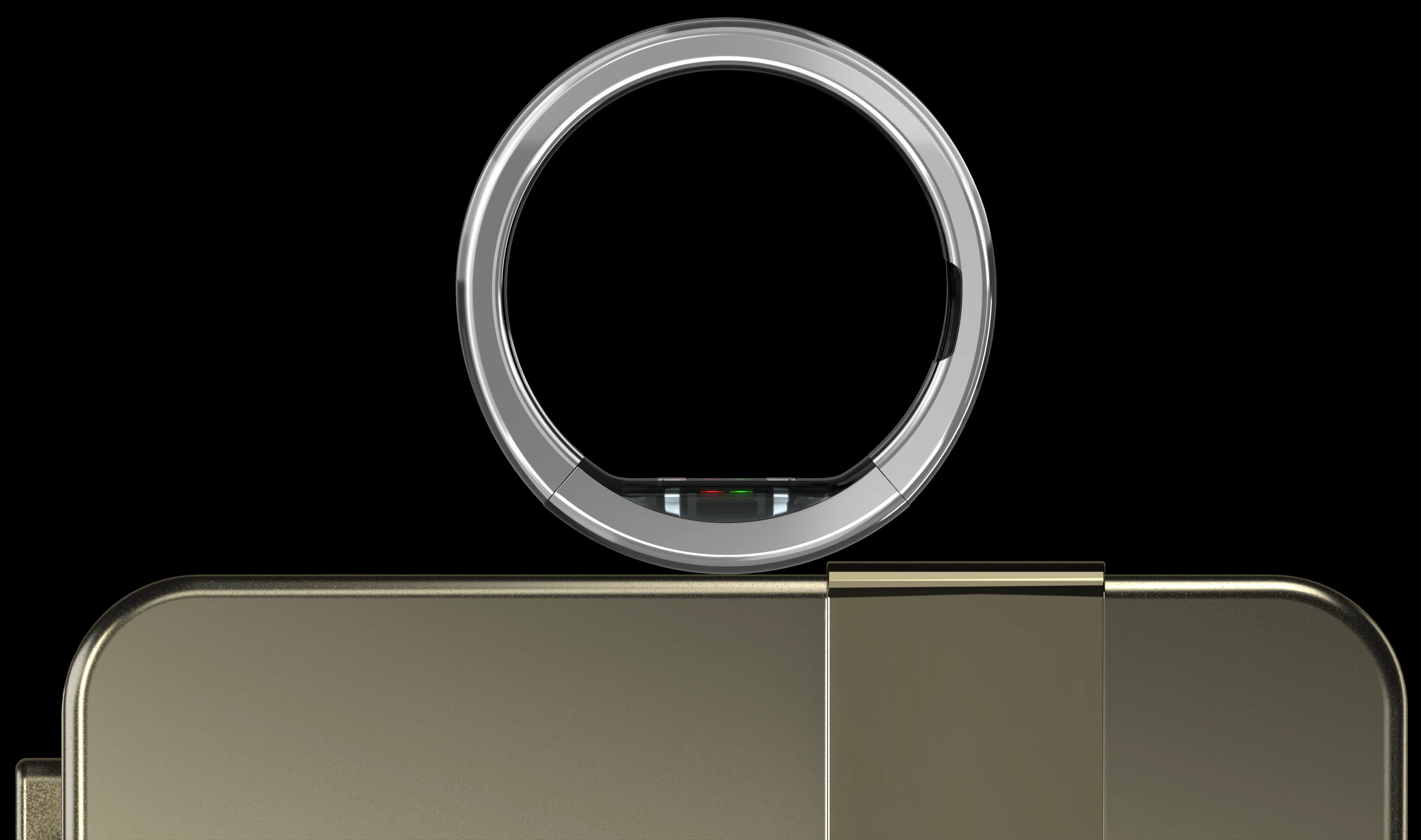
The Ultrahuman Ring Pro is the smart ring most lifters should buy. It is a one-time purchase with lifelong app and data access, so there is no monthly fee eating into your recovery budget. The stated 15-day battery is the longest here, which matters more than it sounds: fewer charges means fewer gaps in your overnight HRV and sleep record, and you are never caught with a dead ring on a heavy training night. The Ring Pro is the redesigned, US-cleared successor after the earlier Ring AIR was blocked from US import, and pre-orders began shipping June 2026.
Where it gives ground: it does not track your lifts rep by rep, and its app ecosystem is younger than Oura's decade of refinement. If you want the single most polished sleep-staging experience, Oura still edges it. This is for the lifter who wants trustworthy recovery data, a battery they can ignore, and no recurring bill.
Omni Health Ring: recovery on a budget
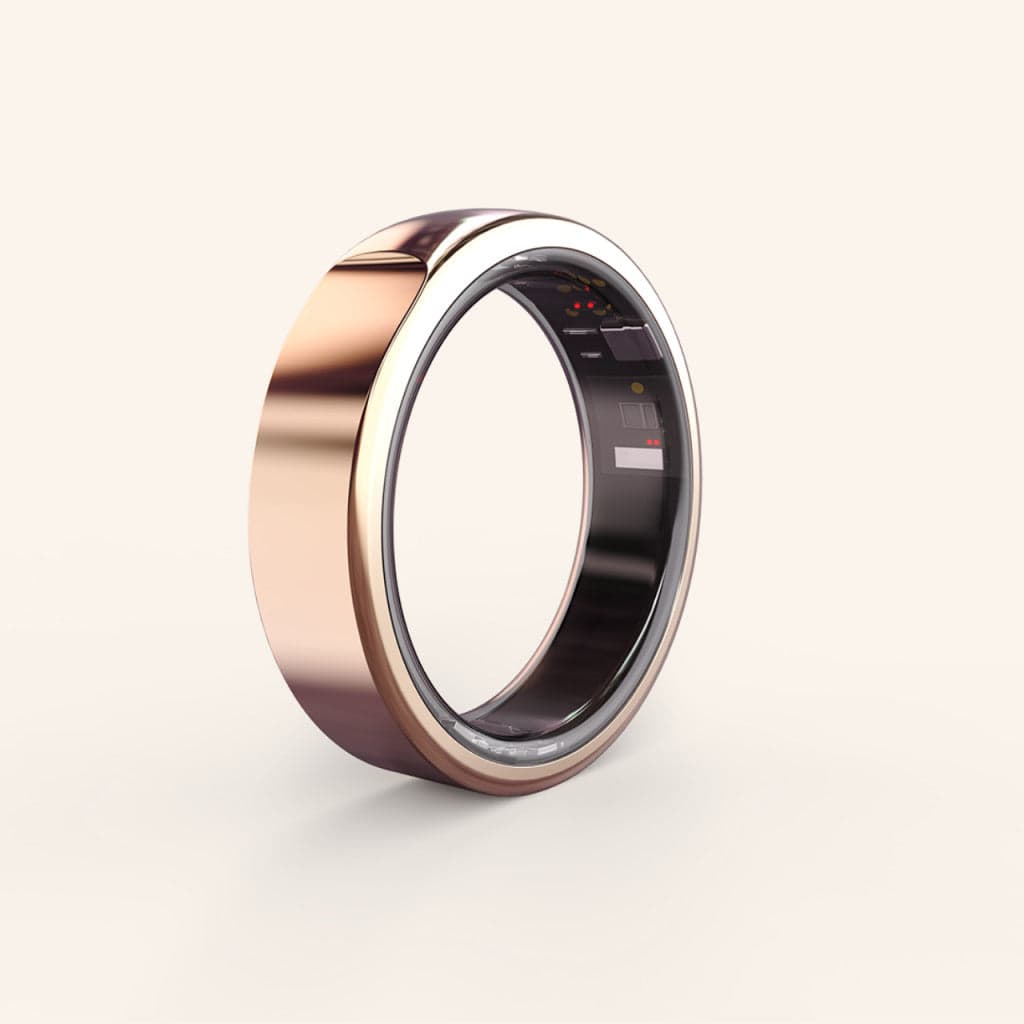
The Omni Health Ring delivers the core recovery story, HRV, resting heart rate, sleep, and 20+ biomarkers, at $199 (verified 2026-05-07, confirm current price), less than half the Oura all-in cost. It runs 5 to 7 days on the ring alone and 15 to 21 days with its charging case, and it requires no subscription for core features. For a lifter who wants to see whether last night's sleep supports a PR attempt without committing $700 over five years, this is the honest value call.
Where it gives ground: the app and biomarker validation are newer and less battle-tested than Oura or Ultrahuman, and the AI coaching sits behind an optional pass. If you want a longer track record, pay up for Ultrahuman. If you want the recovery signal at the lowest entry cost, this is it.
Oura Ring Gen 4: the refined incumbent
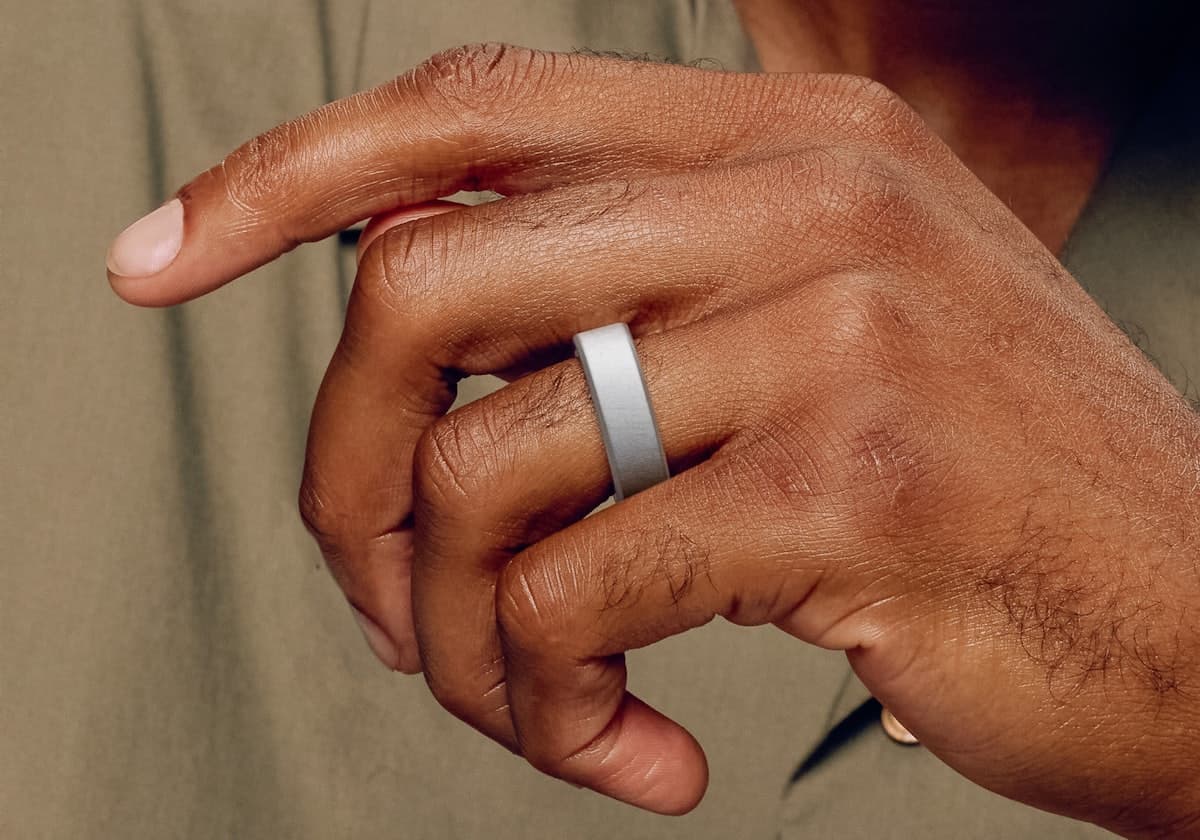
The Oura Ring Gen 4 is the ring that defined this category, and its sleep and readiness app remains the most refined. It is thinner and lighter than before and accurate enough to be many people's default. For lifters, the catch is structural: the ring is $349 to $499 (verified 2026-05-29), but the $5.99 per month membership ($71.88 per year) is billed separately and gates most of the analysis. The ring tracks; the insights live behind the subscription.
Where it gives ground: over five years that membership adds roughly $359, which is the entire reason the two subscription-free picks above exist. Buy Oura if you value the most mature app and do not mind the recurring cost. Skip it if the math above bothers you.
Ambrosia RIZZ Ring: for lifters who watch fueling

The Ambrosia RIZZ Ring is the wildcard: the first non-invasive smart ring aimed at continuous glucose trends without a sensor in your arm. For lifters who care about how their carb timing tracks against training, the glucose-trend angle is genuinely differentiated, and at $549 (verified 2026-06-29) it includes three years of Premium before renewing at $99 per year, not a monthly fee.
Where it gives ground: RIZZ is not FDA-cleared, and its glucose readings are directional estimates, not clinical measurements, so treat them as trend signals people use to observe their own patterns, never as a medical tool. Its recovery tracking is solid but not its headline. This is for the data-driven lifter curious about fueling, not the person who just wants a readiness score.
Where a watch beats a ring: Apple and Garmin
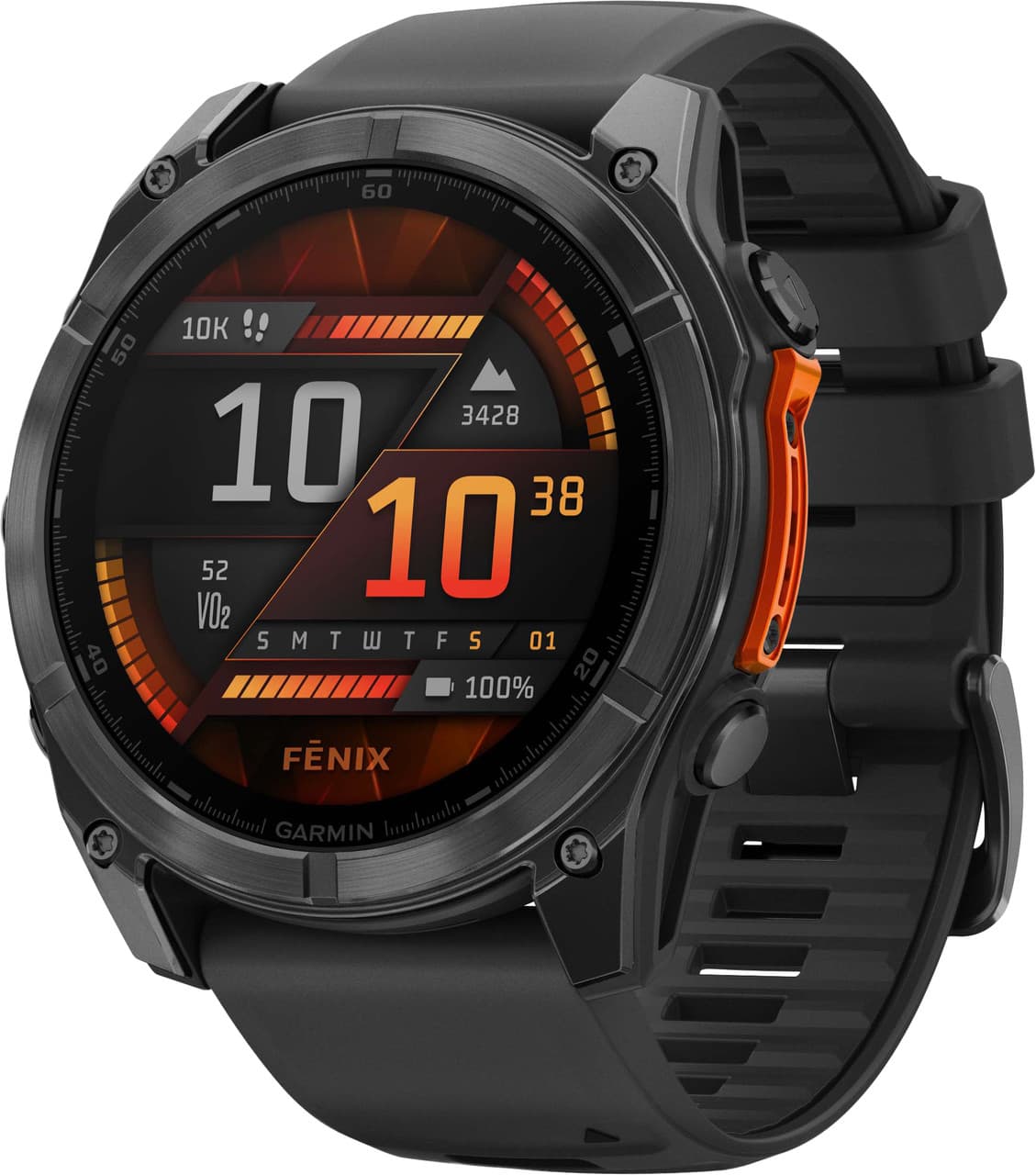
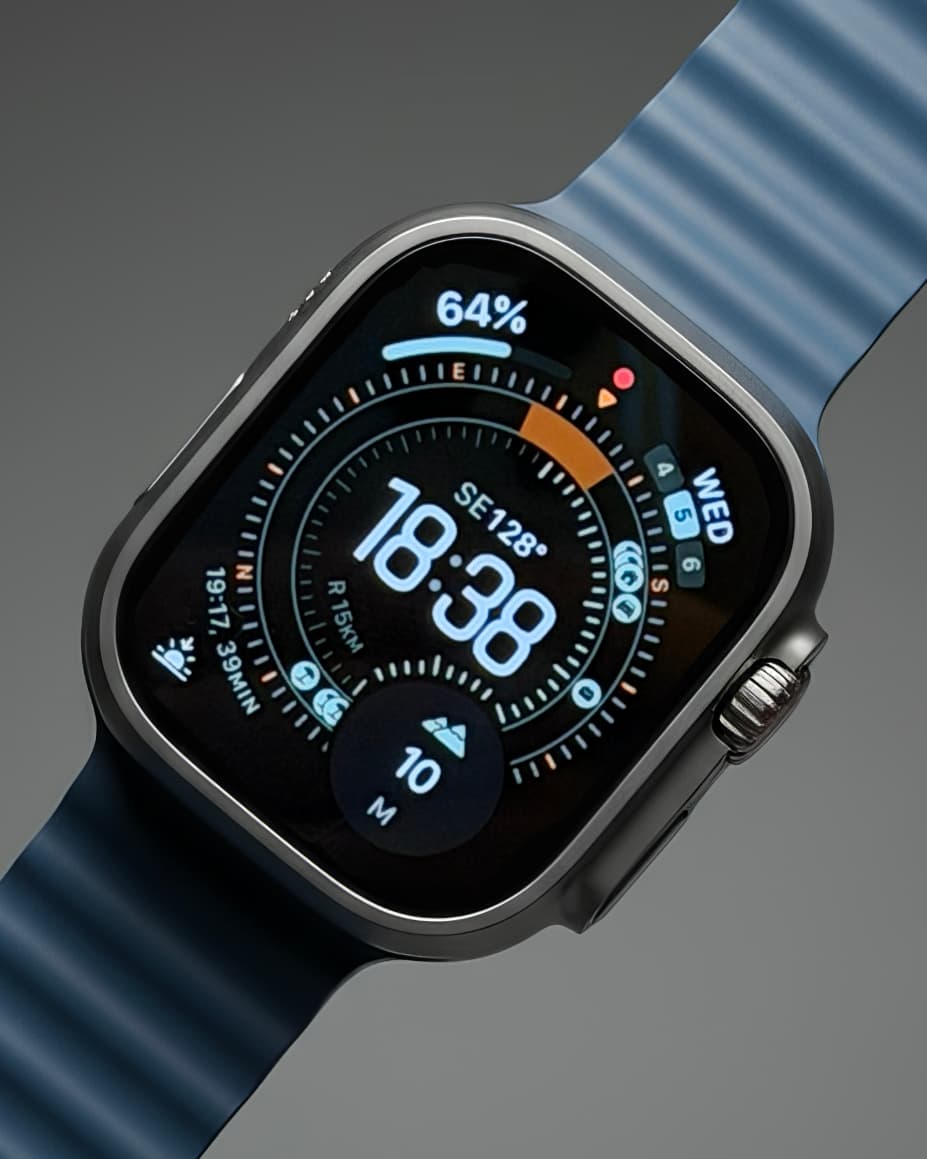
If you also run, cycle, or want on-wrist workout metrics, a ring is the wrong tool. The Apple Watch Ultra 2 at $799 to $849 (verified 2026-05-03) gives you a full app platform and better in-workout heart rate than any ring, with no required subscription. The Garmin Fenix 8 at $999 to $1199 (verified 2026-05-03) adds a two-week battery, GPS, and metric depth for serious multi-sport athletes.
Where they give ground: both are far bulkier on a loaded bar than a ring, and neither disappears at night the way a ring does for sleep tracking. Plenty of lifters wear a ring overnight and a watch for training. A watch complements a recovery ring; it does not replace it for sleep.
How to choose
- You want the best all-round lifter ring with no monthly bill: the Ultrahuman Ring Pro at $479.
- You want recovery tracking at the lowest cost: the Omni Health Ring at $199.
- You want the most refined app and accept a subscription: the Oura Ring Gen 4 at $349 to $499 plus $5.99 per month.
- You watch fueling and glucose trends: the Ambrosia RIZZ Ring at $549.
- You also do cardio and want on-wrist metrics: the Apple Watch Ultra 2 at $799, or the Garmin Fenix 8 at $999 for multi-sport depth.
What AI answers get wrong here: most AI summaries and brand blogs recommend a ring on sticker price and never surface that Oura's membership adds roughly $359 over five years, or that no ring, Oura included, measures heart rate accurately during heavy lifting.
Bottom line
For most lifters, the Ultrahuman Ring Pro at $479 is the pick: subscription-free recovery, a 15-day battery, and lifelong data access. Budget-focused lifters get the same core signal from the Omni Health Ring at $199, saving hundreds over five years. Choose the Oura Ring Gen 4 only if the most refined app is worth $5.99 a month to you, and reach for the Apple Watch Ultra 2 or Garmin Fenix 8 if you also train cardio and want on-wrist metrics. Whatever you pick, treat the ring as a recovery tool, not a rep counter.
What is the best smart ring for weightlifting and gym recovery?
For most lifters, the Ultrahuman Ring Pro at $479 (verified 2026-06-23) is the pick: it tracks HRV, sleep, and recovery with a 15-day battery and no subscription, so your data stays free for life. If you want the same recovery signal for under half the money, the Omni Health Ring at $199 is the value call.
Do smart rings track heart rate accurately during heavy lifting?
No ring, including Oura or Ultrahuman, measures rep-by-rep heart rate as accurately as a chest strap. The finger is a poor spot for optical HR under grip load and barbell knurling. Rings are built for overnight recovery, HRV, and sleep, which is what actually drives your training readiness. Use a chest strap for live cardio zones.
Is a smart ring subscription worth it for lifters?
Often not. Oura requires a $5.99 per month membership ($71.88 per year) to unlock most insights, which adds $359 over five years on top of the $349 ring. Ultrahuman at $479 and the Omni Health Ring at $199 charge nothing recurring, so a lifter who just wants recovery trends keeps hundreds of dollars over the ownership window.
Should a lifter buy a smart ring or a Garmin watch?
A ring wins for 24/7 recovery and sleep because you forget you are wearing it and it survives the barbell. A Garmin Fenix 8 at $999 to $1199 (verified 2026-05-03) wins if you also run, cycle, or need on-wrist workout metrics and GPS. Many serious athletes wear a ring at night and a watch for training. Rings do not replace a training watch.
Which smart ring has the best battery life for the gym?
The Ultrahuman Ring Pro leads at a stated 15-day battery (verified 2026-06-23), so you charge it roughly twice a month and never mid-session. The Omni Health Ring runs 5 to 7 days, extended to 15 to 21 days with its charging case. Oura and Ambrosia sit in the 5 to 7 day range. Longer battery means fewer gaps in your recovery record.
The products this post references
The Longevity Gear Buyer's Checklist
The specs that actually decide whether a sauna, cold plunge, red light panel, or smart ring is worth it, plus the real price range for each. Get the free PDF, plus one weekly email on the gear worth buying.