Lifespan Vault earns an affiliate commission when you buy through links on this page, at no extra cost to you. It does not change our rankings or our verdicts.
Recovery hardware gets the attention, but the environmental layer runs twenty-four hours a day whether you engage with it or not. You drink the water and breathe the air in your home roughly every day of your life, which makes it the only category here with unavoidable compliance.
This collection covers that layer honestly. Water first, because it has the clearest mechanism and the widest quality variance between homes: whole-home filtration and softening treats every tap, reverse osmosis handles drinking water specifically, and gravity systems cover renters who cannot plumb anything. Then air, where a purifier's value depends entirely on your local particulate and your home's ventilation, and a dehumidifier addresses the humidity range where mould and dust mites thrive.
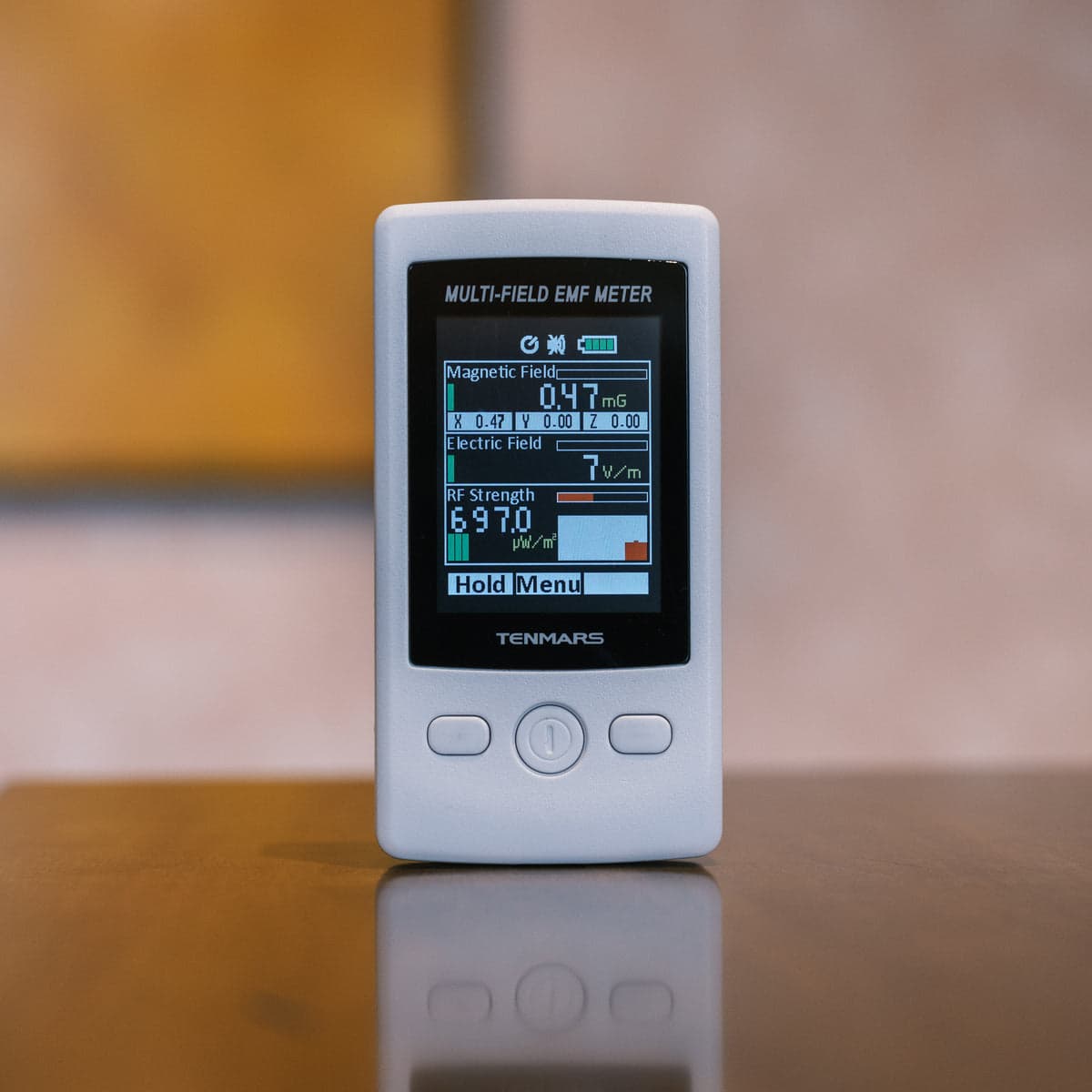
On EMF we are deliberately restrained. The evidence that ordinary household exposure harms health is not established, and a 2024 review commissioned by the World Health Organization did not find that mobile phone use raises brain cancer risk. We include a meter because measuring is how you replace speculation with a number, not because we are telling you the number will alarm you.
Start by testing your water. Everything else in this collection is a response to a measurement you have not taken yet.



Best Whole-Home Longevity Upgrades: Water, Air and EMF (2026) - buyer FAQ
What is the highest-value whole-home longevity upgrade?
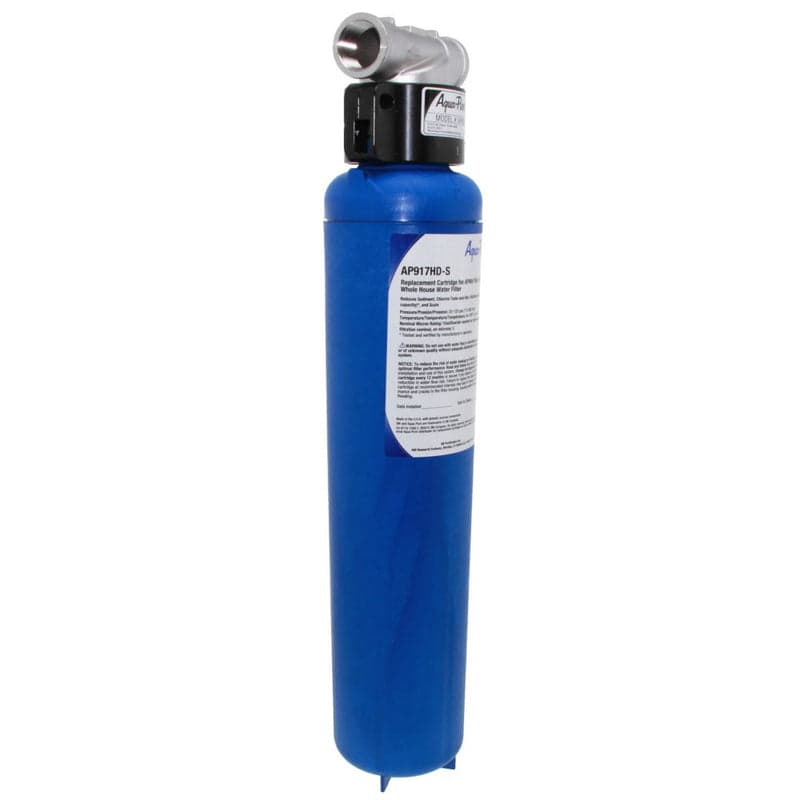
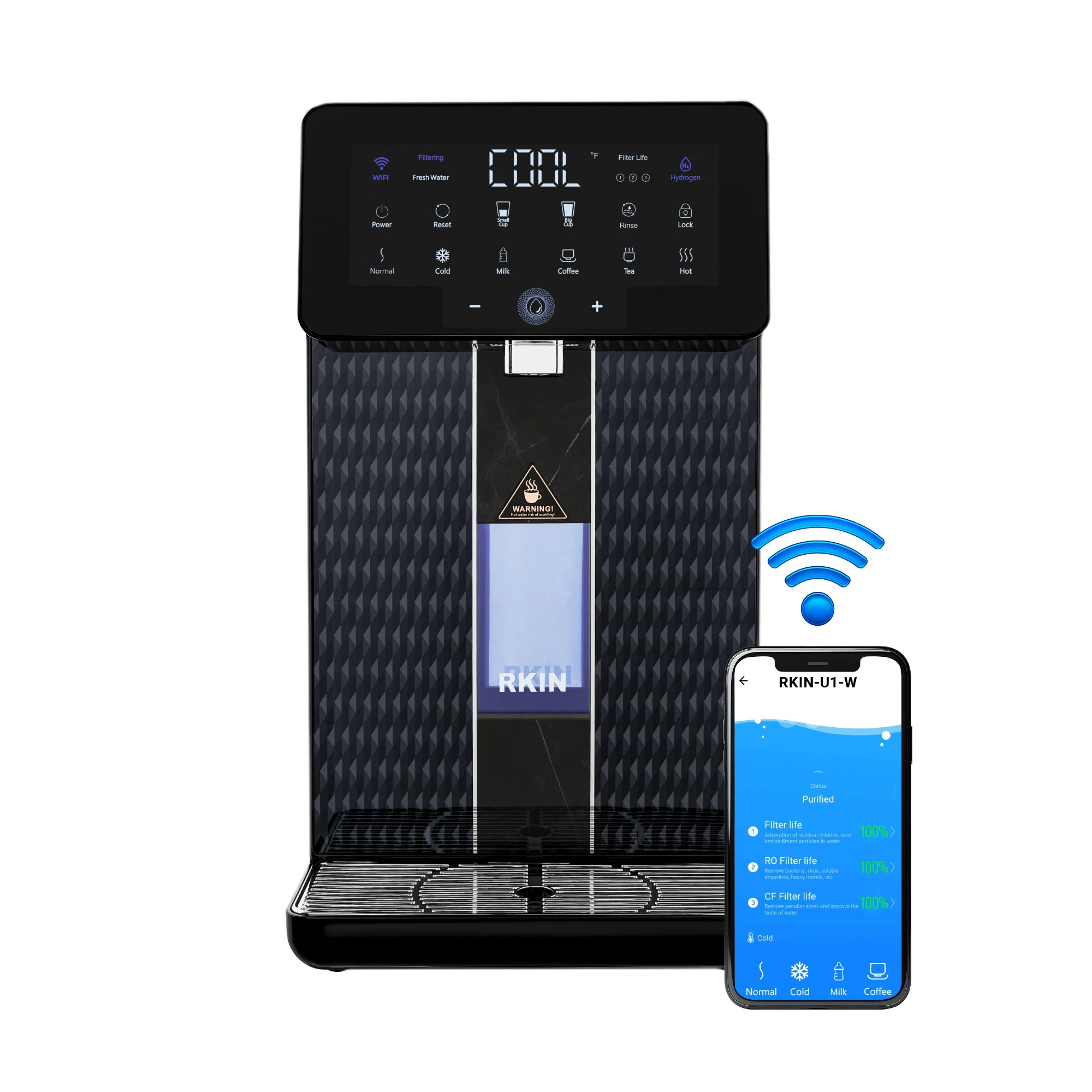
Water, and you should test before you buy. A whole-home filter and softener at $1,675 treats every tap in the house, while a countertop reverse-osmosis unit around $670 handles only drinking water. Which one you need depends on a water report you can get free from your municipality, so read that before spending anything.
Do I need whole-home filtration or is a pitcher enough?
A pitcher treats drinking water only. Whole-home treats showering, which matters because chlorine and hardness affect skin and hair, and because a warm shower volatilises some compounds into air you inhale. If you rent and cannot plumb anything, a gravity system like the Boroux Legacy at $355 covers drinking water without any installation.
Is an air purifier actually worth it?
It depends on measurable inputs: your outdoor air quality, whether anyone smokes, whether you have pets, and how well your home ventilates. A purifier moving genuine HEPA-grade air through a room does reduce particulate, which is measurable with a cheap meter. Buying one without knowing your baseline particulate is buying a solution to an unquantified problem.
Should I worry about EMF in my home?
The evidence does not support alarm. The WHO cancer agency classifies radiofrequency EMF as possibly carcinogenic, a precautionary label rather than proof, and a 2024 WHO-commissioned systematic review found mobile phone use likely does not raise brain cancer risk even in long-term users. A meter is worth owning because it turns speculation into a reading; the shielding products are exposure reduction, not treatment.
The Longevity Gear Buyer's Checklist
The specs that actually decide whether a sauna, cold plunge, red light panel, or smart ring is worth it, plus the real price range for each. Get the free PDF, plus one weekly email on the gear worth buying.