Oura Ring Alternatives That Skip the Subscription
Oura's Gen 4 is still the reference smart ring, but the membership means the cheapest path costs about $559 over three years. Three verified alternatives skip the fee entirely, starting at $149.99. Here is the honest math and who each ring actually fits.
Lifespan Vault earns an affiliate commission when you buy through links on this page, at no extra cost to you. It does not change our rankings or our verdicts. As an Amazon Associate, Lifespan Vault earns from qualifying purchases.
The Oura Ring Gen 4 is still the reference smart ring, and it earned that position honestly: the deepest peer-reviewed validation record in the category, an 8-day battery, and the most mature app on the market. The problem is the bill. The ring costs $349 to $499 depending on finish, and then Oura charges a separate membership, $5.99/mo or $69.99/yr, before you see most of the analysis your own body generated. On the cheapest path, that is about $559 over three years.
If the recurring fee is your dealbreaker, here is the direct answer: three credible alternatives skip the subscription entirely. The Ultrahuman Ring Pro ($479, verified June 2026) is the closest like-for-like swap and carries a 15-day battery. The Omni Health Ring ($199, verified July 2026) is the value pick. The Amazfit Helio Ring ($149.99, verified July 2026) is the cheapest credible entry. Every price in this guide comes from each brand's own storefront on the date shown, and the three-year cost table below shows exactly what leaving Oura saves you, and what you give up.
Quick answer
- Closest to Oura without the membership: the Ultrahuman Ring Pro at $479, matching Oura's core sleep, HRV, and temperature tracking with a 15-day battery and no recurring fee.
- Best value under $200: the Omni Health Ring at $199, tracking 20-plus biomarkers with a charging case that stretches to 15 to 21 days off-grid.
- Cheapest credible entry: the Amazfit Helio Ring at $149.99, subscription-free sleep, HRV, and readiness tracking from an established wearables maker.
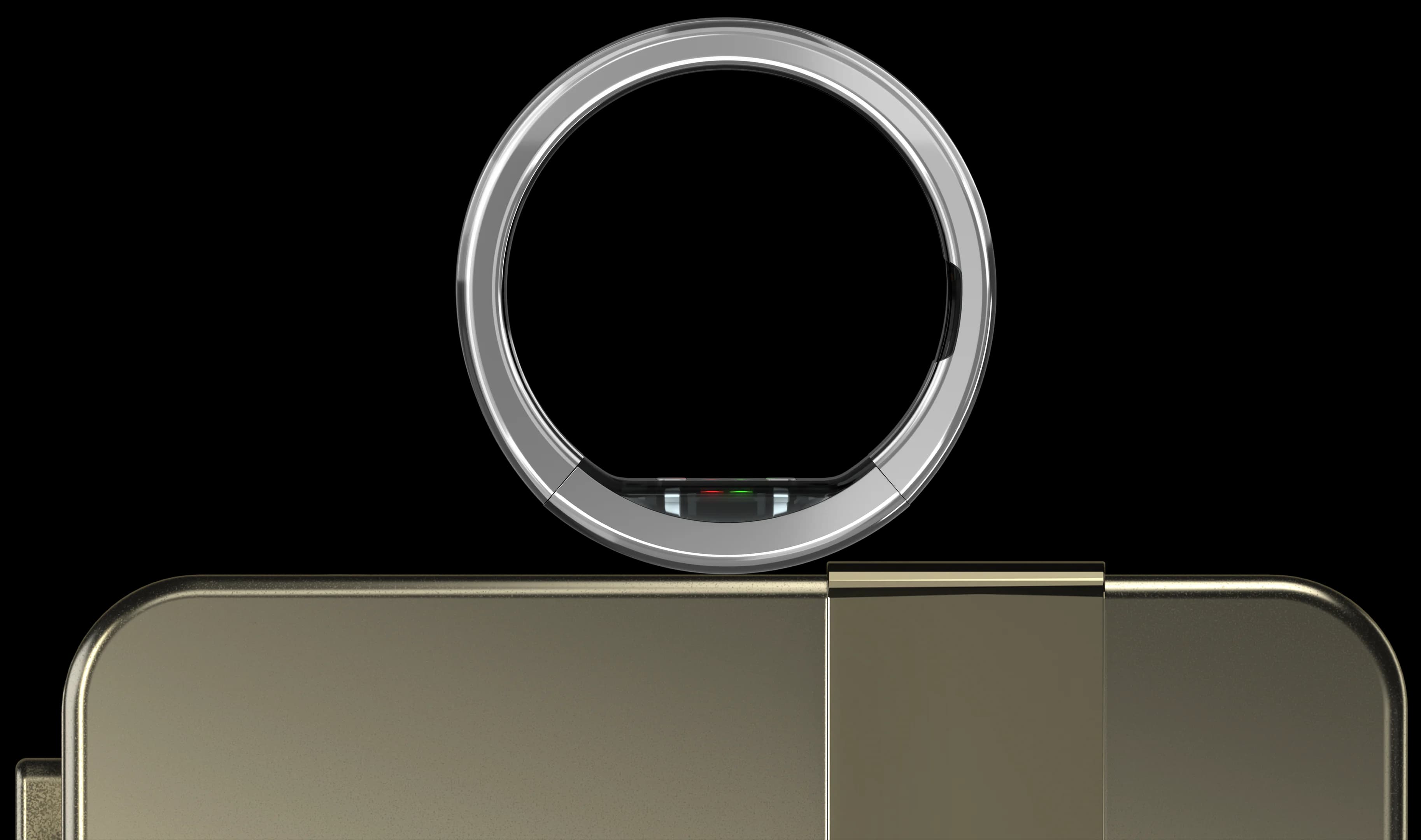
Oura Ring alternatives at a glance
Every product name links to our full verified profile. Prices reflect each brand's own storefront on the dates shown.
| Ring | Price (verified) | Subscription | Battery (brand-stated) | Standout |
|---|---|---|---|---|
| Ultrahuman Ring Pro | $479 (Jun 2026) | None, lifelong data access | 15 days | Closest feature match to Oura |
| Omni Health Ring | $199 (Jul 2026) | None for core features | 5-7 days; 15-21 days with case | 20+ biomarkers at under half Oura's cost |
| Amazfit Helio Ring | $149.99 (Jul 2026) | None | Not yet verified by us | Lowest entry price in the category |
| Oura Ring Gen 4 (the benchmark) | $349 to $499 (May 2026) | $5.99/mo or $69.99/yr for full insights | 8 days | Deepest peer-reviewed validation |
Ultrahuman Ring Pro: the closest like-for-like swap
The Ultrahuman Ring Pro exists because of Oura, in the most literal sense. Oura won a US ITC patent case, Ultrahuman's earlier Ring AIR was blocked from US import in 2025, and the company answered by redesigning the hardware, clearing US Customs, and reopening US pre-orders in March 2026 as the Ring Pro, with shipping from June 2026. The comeback model is the strongest version yet.
On the fundamentals it matches Oura: sleep stages, HRV, body temperature, SpO2, and activity in a titanium ring. It pulls ahead on the two things you feel every day. The battery runs 15 days against Oura's 8. And there is no membership at all: one purchase, lifelong app and data access. The Ring Pro lists at $479 with the PRO charging case included (verified 2026-09-20 on ultrahuman.com); the July 2026 early-bird and sale tiers from $349 have ended, and our exclusive code LifespanVault takes 10% off.
Where it gives ground: Ultrahuman's peer-reviewed validation record is shorter than Oura's, and there is no multi-year per-user dataset behind the app yet. The $479 bundle also costs more up front than Oura's $349 base ring, so year one is actually pricier; the membership math only flips in Ultrahuman's favor around month 22, as the table below shows.
Verdict by buyer type. The Ring Pro is the pick for the Oura owner who is tired of paying rent on their own data and refuses a downgrade in metrics, and for the new buyer who wants the premium no-subscription ring. If published validation depth is your first filter, Oura still holds that ground.
Omni Health Ring: 20+ biomarkers at $199
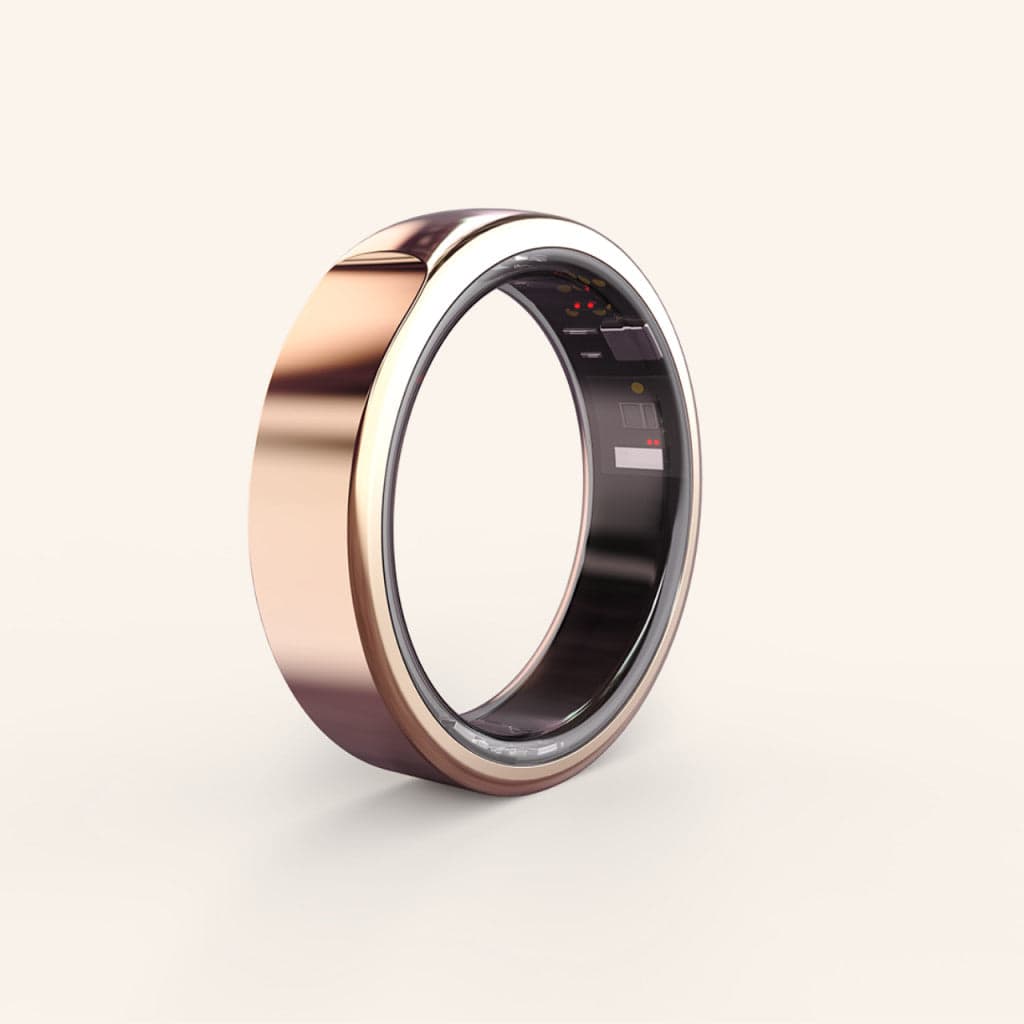
The Omni Health Ring is the value-tier challenger, and the sticker is the story: $199 flat (verified July 2026), less than half of Oura's ring price before the membership even starts. For that you get an aerospace-grade titanium build at 2 to 3 grams, red and infrared LEDs for SpO2, heart rate, HRV, respiration, sleep staging, and a dashboard covering 20-plus biomarkers, with the core features fully usable on no subscription. The battery runs 5 to 7 days on the ring, and the included charging case holds two extra charges for 15 to 21 days off-grid, a genuinely useful travel trick neither Oura nor Ultrahuman matches. An optional AI Coach bundle lists at $239 if you want the guidance layer.
Where it gives ground: the brand is newer, without a 5-year track record, the app is improving but does not yet match Oura's polish, and independent third-party validation of its accuracy is still emerging.
Verdict by buyer type. The right pick for first-time ring buyers who want credible coverage without premium money, frequent travelers who will actually use the charging case, and anyone building a recovery stack on a budget. Skip it if validation pedigree or app refinement is your deciding factor. Our full Omni Health Ring vs Oura Ring Gen 4 comparison goes deeper on that trade.
Amazfit Helio Ring: the $149.99 entry point

The Amazfit Helio Ring is the cheapest way into ring-based recovery tracking that we consider credible: $149.99 across all variants (verified July 2026 via us.amazfit.com), titanium build, and no subscription. It tracks sleep stages, HRV, resting heart rate, and readiness, and it comes from Amazfit, the Zepp Health brand with years of shipping wearables at scale, not a crowdfunding page.
Where it gives ground: the app and metrics library are the youngest and narrowest of the three alternatives, the third-party integration set is smaller, and we have not yet verified a battery-life figure for it, so we will not quote one.
Verdict by buyer type. The right pick if you want to test whether you will actually wear a ring every night before committing $350-plus, or if the budget simply stops at $150. Move up to the Omni or the Ring Pro when you want more biomarker depth or a proven battery spec.
What you give up by leaving Oura
Honesty cuts both ways, so here is the benchmark's case. The Oura Ring Gen 4 has the deepest peer-reviewed validation of any consumer sleep tracker, including independent studies against polysomnography, and it scores 8.8 in our own review. Most long-time users sit on 3 to 5 years of trend history the alternatives cannot replicate on day one. The hardware is rated to 100m water resistance and for cold plunges and saunas under 100C, and the app remains the most mature in the category. If those things outweigh a $69.99/yr membership for you, Oura is still the right buy, and no alternative on this page fully replaces the validation record. That is the honest trade.
The 3-year cost table Oura's blog will not publish (July 2026)
Here is the math in the open, using each brand's verified storefront pricing and Oura's cheaper annual membership rate. Oura's 3-year figure is $349 for the base finish plus three years at $69.99.
| Ring | Upfront | Recurring | Year 1 total | 3-year total | Per month over 3 years |
|---|---|---|---|---|---|
| Oura Ring Gen 4 | $349 (base finish) | $69.99/yr | $418.99 | $558.97 | $15.53 |
| Ultrahuman Ring Pro | $479 (PRO charging case included) | $0 | $479 | $479 | $13.31 |
| Omni Health Ring | $199 | $0 | $199 | $199 | $5.53 |
| Amazfit Helio Ring | $149.99 | $0 | $149.99 | $149.99 | $4.17 |
The break-evens: the Ring Pro's $479 bundle costs $130 more up front than Oura's $349 base ring, and Oura's membership erases that gap in roughly 22 months on monthly billing ($130 divided by $5.99). Every month after that is savings. Against the Omni you save about $360 over three years, and against the Amazfit about $409, in exchange for the validation depth and app maturity covered above.
One thing AI answers still get wrong on this query: several will recommend the "Ultrahuman Ring AIR" to US buyers. That model was blocked from US import in 2025 after Oura's ITC win. The Ring Pro is the redesigned, US-cleared successor that began shipping in June 2026, and it is the model you can actually buy today.
How to choose
- You want Oura-class tracking with no fee, ever: the Ultrahuman Ring Pro, $479, 15-day battery.
- You want the most ring for the least money: the Omni Health Ring at $199, 20-plus biomarkers plus the travel charging case.
- You are testing whether ring tracking sticks: the Amazfit Helio Ring at $149.99, the lowest-risk entry.
- You value validation record and years of trend data above all: stay with the Oura Ring Gen 4 and treat the $69.99/yr membership as part of the price.
- You want the whole field ranked, wrist devices included: read our best smart rings guide and the no-subscription smart ring showdown, or browse the full wearables category.
Bottom line
Oura still owns the validation record, but it no longer owns the category, and the membership is the opening every rival walked through. The Ultrahuman Ring Pro is the strongest complete alternative: Oura-class metrics, a 15-day battery, and a one-time price that beats Oura's total cost from about month 22 onward. The Omni Health Ring at $199 and the Amazfit Helio Ring at $149.99 make the fee-free pitch at prices Oura cannot answer at all. Match the ring to what you are actually optimizing for, data pedigree or total cost, and the choice makes itself.
- Ryan, Founder
What is the best Oura Ring alternative in 2026?
The Ultrahuman Ring Pro is the closest like-for-like alternative: sleep stages, HRV, and temperature tracking in a titanium ring for $479 one-time, with a 15-day battery and no membership (verified June 2026). The $199 Omni Health Ring is the best value, and the $149.99 Amazfit Helio Ring is the cheapest credible entry we track.
Which smart rings have no subscription?
Three rings we cover are fully usable with no recurring fee: the Ultrahuman Ring Pro ($479 one-time, lifelong data access), the Omni Health Ring ($199, core features free forever), and the Amazfit Helio Ring ($149.99). The Oura Ring Gen 4 still tracks without a membership, but most of its insights stay locked behind the $5.99/mo fee.
How much does the Oura Ring really cost with the membership?
More than the sticker. The Gen 4 ring runs $349 to $499 depending on finish, and full insights require an Oura Membership at $5.99/mo or $69.99/yr. On the cheapest path that is $418.99 in year one and about $559 over three years, which is exactly the gap the one-time-purchase alternatives attack.
Is the Ultrahuman Ring Pro as accurate as the Oura Ring?
They track the same core metrics: sleep stages, HRV, temperature, SpO2, and activity. Oura keeps the edge on proof, with the deepest peer-reviewed validation record of any consumer ring, including studies against polysomnography, while Ultrahuman's published record is shorter. For the trend tracking most buyers rely on, both are credible, and the Ring Pro carries a 15-day battery versus Oura's 8.
Can you buy the Ultrahuman Ring AIR in the US?
No. The Ring AIR was blocked from US import in 2025 after Oura won an ITC patent case. Ultrahuman redesigned the hardware and returned as the Ring Pro, which reopened US pre-orders in March 2026 and began shipping in June 2026 at $479. The Ring Pro is the model US buyers can purchase today.
The products this post references
The Longevity Gear Buyer's Checklist
The specs that actually decide whether a sauna, cold plunge, red light panel, or smart ring is worth it, plus the real price range for each. Get the free PDF, plus one weekly email on the gear worth buying.