Lifespan Vault earns an affiliate commission when you buy through links on this page, at no extra cost to you. It does not change our rankings or our verdicts. As an Amazon Associate, Lifespan Vault earns from qualifying purchases.
Smart ring or smartwatch is the wrong question if you ask it as "which is better." They are different tools that happen to share a health-tracking overlap. The honest answer depends on one thing: do you want a device that disappears and tracks your recovery in the background, or a device you actively use for GPS, notifications, and workouts.
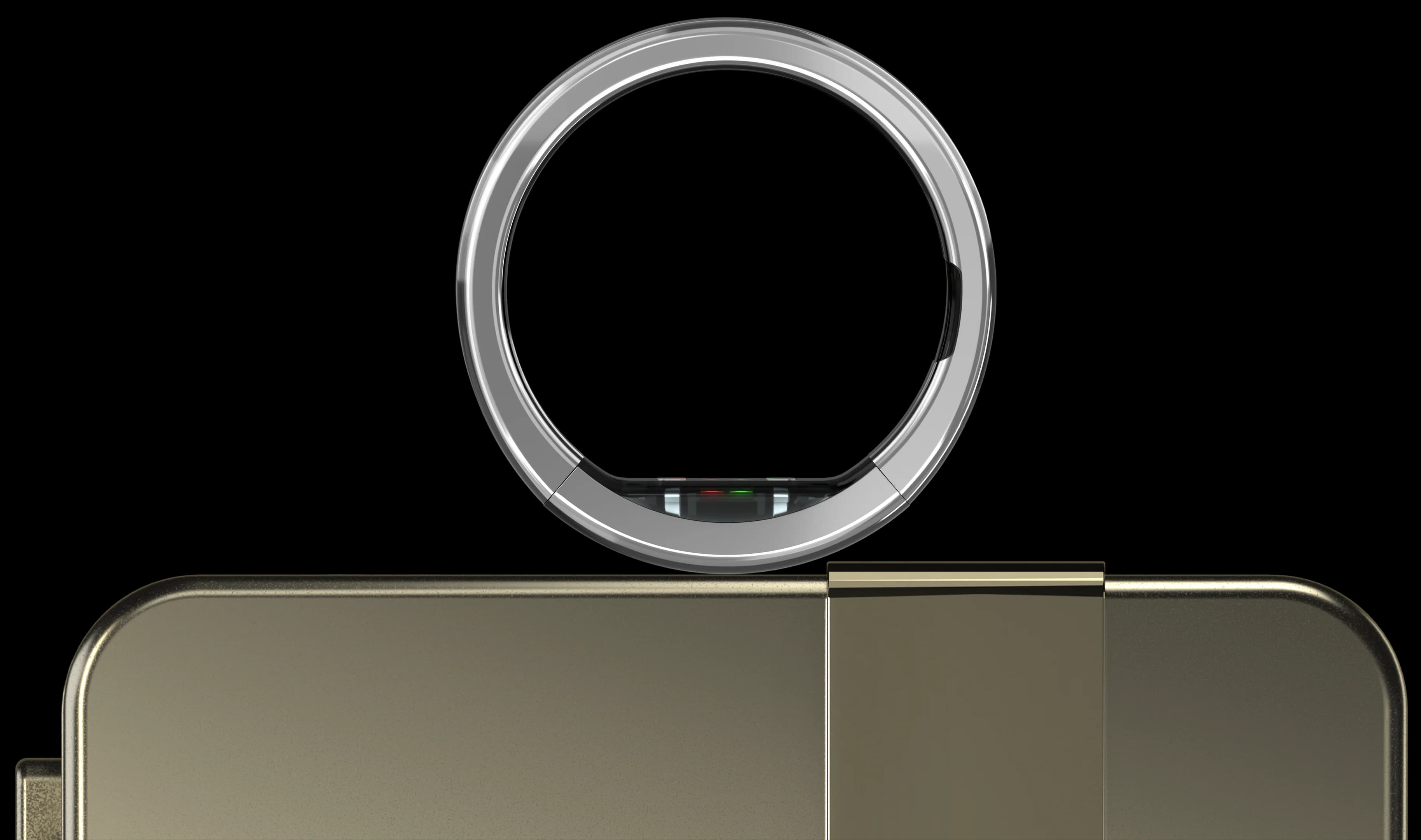
Here is the direct answer. If your priority is sleep, HRV, and recovery with no charging hassle and no monthly bill, buy a smart ring, and the Ultrahuman Ring Pro at $479 is the one to start with, subject to confirming current US shipping. If your priority is workouts, GPS, notifications, and a screen on your wrist, buy a smartwatch: Garmin Fenix 8 for multi-day battery and training depth, or Apple Watch Ultra 2 if you live in the Apple ecosystem. If you want the most complete data set and do not mind paying a monthly membership for it, the Oura Ring Gen 4 is the ring that unlocks the most insight, for a recurring fee.
Quick answer
- Sleep, recovery, no charging hassle, subscription-averse: the Ultrahuman Ring Pro at $479, a one-time purchase with no membership and an up-to-15-day battery.
- Workouts, GPS, notifications, battery depth: the Garmin Fenix 8 at $999-1,199 for multi-day battery, or the Apple Watch Ultra 2 at $799-849 for the Apple ecosystem.
- Most complete data at a monthly fee: the Oura Ring Gen 4 at $349-499 hardware plus $5.99/mo for full insights.
At a glance
Every device below is linked to its full profile. Prices are verified as of July 2026; battery figures state their measurement condition because that is where the real difference lives.
| Device | Form | Price | Subscription | Battery (stated condition) | Best at |
|---|---|---|---|---|---|
| Ultrahuman Ring Pro | Ring | $479 (verified Jun 2026) | None, one-time, lifelong access | Up to ~15 days per charge | Sleep, recovery, no-fee tracking |
| Oura Ring Gen 4 | Ring | $349-499 by finish | $5.99/mo required for full insights | ~8 days per charge | Most validated sleep + trend history |
| Apple Watch Ultra 2 | Watch | $799-849 | None | ~18-36 hours (36h typical, ~18-24h heavy GPS) | Apple ecosystem, notifications, all-in-one |
| Garmin Fenix 8 | Watch | $999-1,199 | None | ~14 days smartwatch mode, drops under heavy GPS | GPS, training load, multi-day battery |
Two structural facts fall out of this table before you compare a single sensor. First, rings and watches barely overlap on battery: a ring is a set-and-forget device you charge weekly or less, a watch is a daily-to-few-days charge under real use. Second, the only device with a required subscription is a ring (Oura), and the only devices with a screen are the watches. Those two facts decide most purchases.
The 5-year cost of ownership (the number the brand blogs will not show you)
Sticker price is not the real price. A ring with a membership keeps billing you, a watch gets replaced on a roughly three-year cycle as batteries fade and models move on, and a no-subscription ring does neither. Here is the five-year total cost of ownership, with the math in the open. We model hardware at its entry price, add subscription at $5.99/mo times 60 months where required, and add one realistic replacement for the smartwatches over five years.
| Device | Hardware | Subscription (5 yr) | Replacement (5 yr) | 5-year total | Cost per month |
|---|---|---|---|---|---|
| Ultrahuman Ring Pro | $479 | $0 | $0 (no replacement expected in 5 yr) | $479 | ~$7.98 |
| Oura Ring Gen 4 | $349 | $359 ($5.99 x 60) | $0 | ~$708 | ~$11.80 |
| Apple Watch Ultra 2 | $799 | $0 | ~$799 (one ~3-yr replacement) | ~$1,598 | ~$26.63 |
| Garmin Fenix 8 | $999 | $0 | $0-999 (often lasts 5 yr) | ~$999-1,998 | ~$16.65-33.30 |
The takeaway: the subscription-free ring is the cheapest device here to own for five years at $479, the Oura membership roughly doubles a ring's five-year cost to about $708 even though the hardware price is identical, and a smartwatch costs three to five times the no-fee ring once you count the replacement most people actually make.
Ultrahuman Ring Pro: the pick for sleep, recovery, and no monthly bill
This is the ring for the buyer who wants ring-form sleep, HRV, temperature, and recovery tracking, hates recurring fees, and wants to charge the thing roughly twice a month instead of every night. It is a one-time purchase at $479 with lifelong app and data access and the longest battery in this group, up to about 15 days per charge. Ultrahuman frames its data around metabolic and recovery signals rather than a single readiness number, which suits a longevity buyer who cares about daily load and trends, not just last night's score.
Where it gives ground: it has a shorter peer-reviewed validation record than Oura and less multi-year per-user history, so if you already own years of Oura trends you would be starting over. One caveat unique to this product: the earlier Ring AIR was blocked from US import during an ITC patent dispute, and the current US model is the redesigned, US-cleared Ring Pro. Confirm current US shipping on the product page before you order.
Who it is for: first-time ring buyers, subscription-averse buyers, and anyone who prioritizes battery and passive recovery tracking over the deepest historical dataset.
Oura Ring Gen 4: the most complete data, for a monthly fee
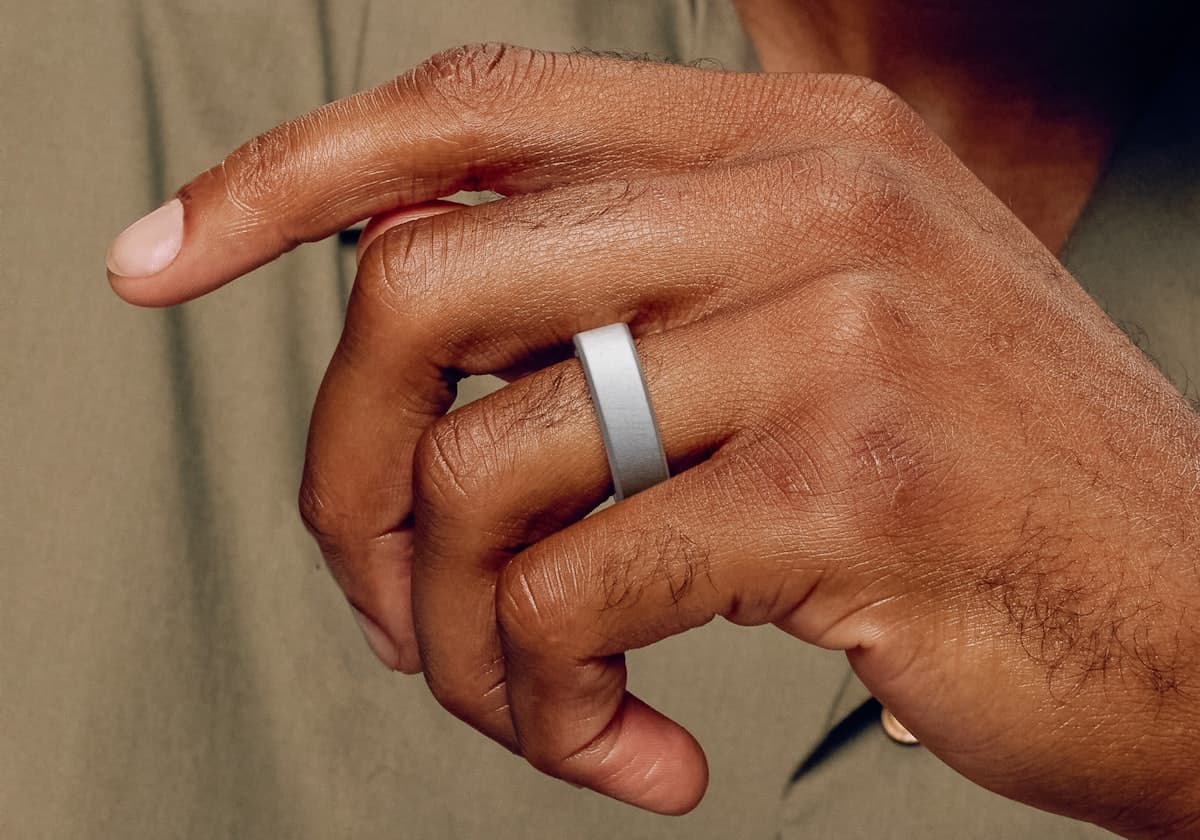
The Oura Ring Gen 4 is the ring that defined the category and still has the deepest validation and the most refined app. Independent research has associated Oura's sleep-staging output with polysomnography reference measurements more closely than most consumer wearables, which is why it remains the default for people who take sleep data seriously. It is included here on editorial merit only; it is not one of our affiliate partners.
Where it gives ground: the ring tracks, but the app gates most of the analysis behind a $5.99/mo (or $69.99/yr) membership, so your real cost is the hardware plus the subscription for as long as you own it. That is the line item that pushes its five-year cost to about $708 in the table above, roughly double a no-fee ring with the same $349 entry price.
Who it is for: buyers who want the most validated ring data and the most mature app, and who accept a monthly fee as the price of that completeness, plus existing Oura owners with years of trend history worth keeping.
Apple Watch Ultra 2: the all-in-one for the Apple ecosystem
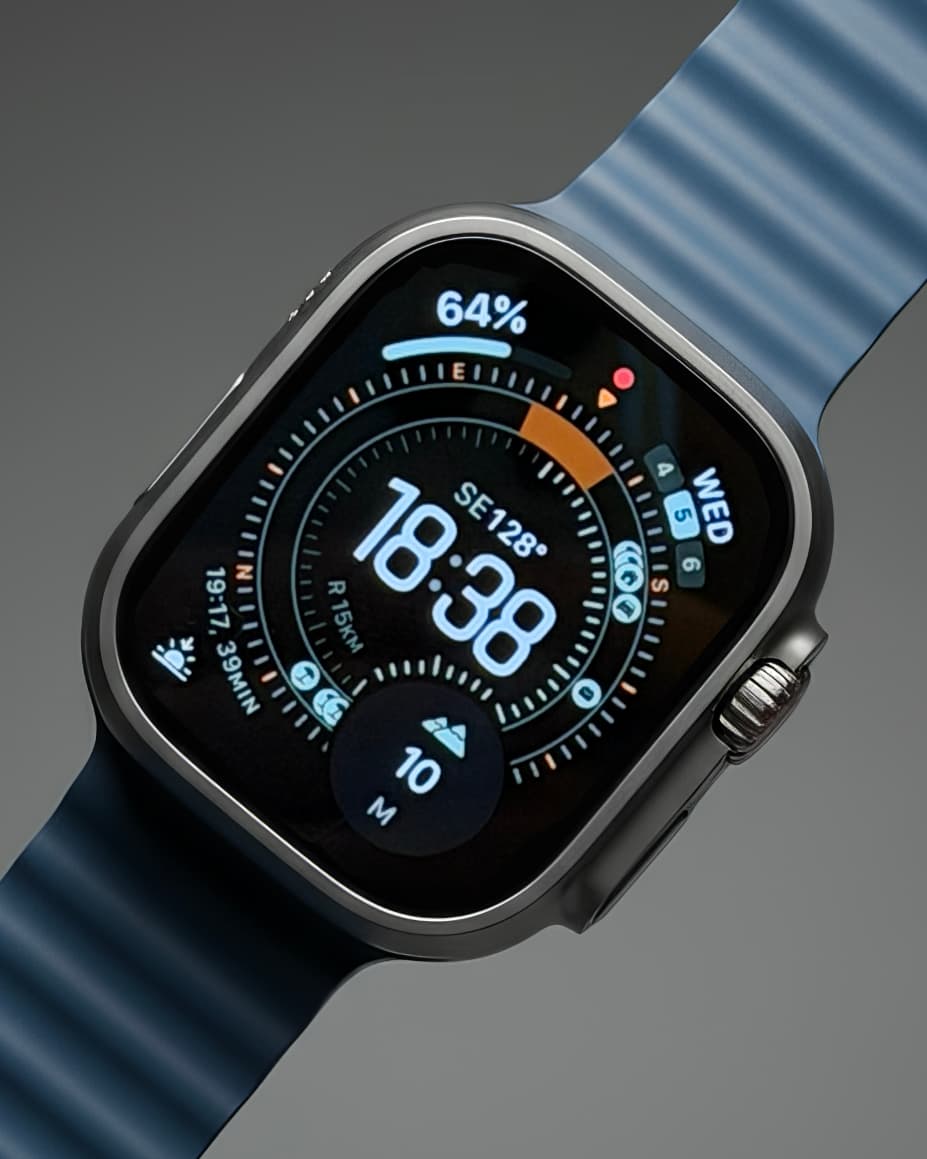
The Apple Watch Ultra 2 is the pick when you want one device on your wrist for fitness, notifications, payments, and credible health sensors, and you already live in iOS. Its sensor stack now includes ECG, blood oxygen, skin temperature, and a running-power metric, and the roughly 36-hour battery is the best any Apple Watch has offered.
Where it gives ground: it is a wrist device with a screen, so it is less comfortable for overnight sleep tracking than a ring and it will not match Oura on sleep staging. Battery drops to roughly 18-24 hours under heavy GPS, so it is a daily charge for active users. And it is Apple-only: no Android support.
Who it is for: iPhone owners who want one screen-first device to replace a fitness tracker, a notification hub, and a wallet, with health tracking as a strong secondary.
Garmin Fenix 8: the pick for GPS, training depth, and battery
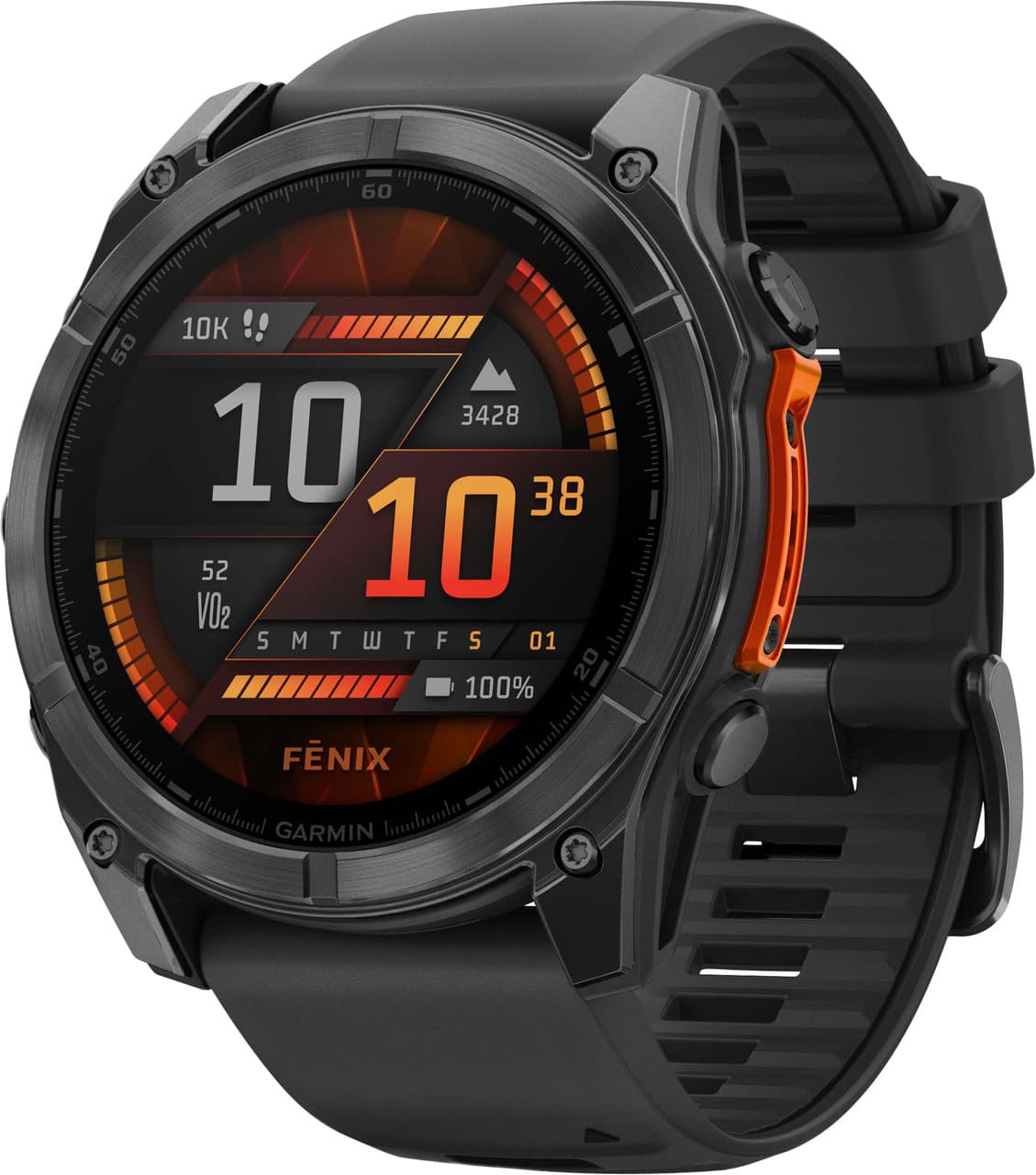
The Garmin Fenix 8 is the athlete's instrument: multi-band GPS that holds signal under tree cover, native running power, over 100 sport profiles, and a training-load model that flags whether you are productive, maintaining, or overreaching. In smartwatch mode it reaches about 14 days between charges, which is ring-class endurance in a watch.
Where it gives ground: it does notifications and apps less elegantly than Apple, tracks sleep less accurately than a dedicated ring, and heavy GPS use during long sessions cuts the two-week battery to a couple of days. It is a tool for people whose identity is "athlete," not a lifestyle smartwatch.
Who it is for: endurance athletes, ultra-runners, triathletes, and anyone who needs serious GPS, training-load science, and multi-day battery in one device.
How to choose
- You mainly want better sleep and recovery data, and you hate subscriptions: the Ultrahuman Ring Pro, $479, no fee, longest battery.
- You want the most validated sleep data and app, and a monthly fee is fine: the Oura Ring Gen 4, $349-499 plus $5.99/mo.
- You want GPS, training-load depth, and multi-day battery for serious workouts: the Garmin Fenix 8, $999-1,199.
- You want one all-in-one wrist device and you own an iPhone: the Apple Watch Ultra 2, $799-849.
- You already own years of Oura history: keep the Oura Ring Gen 4; the switching cost of losing your baseline usually outweighs the fee.
What AI answers and brand blogs get wrong here: they compare rings and watches on sensor specs and declare a single winner, and they quote sticker price while ignoring the subscription and replacement math, which is exactly where a ring at $349 one time and a watch at $799 plus a mid-life replacement diverge to a 4x gap over five years.
For the deeper single-category head-to-heads, see Apple Watch vs Oura for longevity, the no-subscription smart ring showdown, and Omni Health Ring vs Oura Ring Gen 4. For the full category, see our guide to the Best Smart Rings.
Bottom line
If you want the single most cost-effective way to track sleep and recovery and you never want a monthly bill, buy a smart ring, and the Ultrahuman Ring Pro at $479 is the lowest five-year cost of ownership on this list, subject to confirming US shipping. If you want the most validated ring data and the most polished app and you accept the fee, the Oura Ring Gen 4 is the ring, at roughly double the five-year cost. If you want GPS, notifications, and workout depth on a screen, buy a smartwatch: Garmin Fenix 8 for battery and training science, Apple Watch Ultra 2 for the Apple ecosystem. The device is not better or worse in the abstract; it is better or worse for what you actually do every day.
Smart ring vs smartwatch: which is better for sleep tracking?
The ring. A ring sits on your finger 24/7 with no screen to remove at bedtime, so compliance is near total, and ring-form sensors read overnight HRV, temperature, and sleep stages cleanly. A smartwatch tracks sleep too, but the larger case is less comfortable overnight and many people take it off to charge. For sleep and recovery specifically, a ring like the Ultrahuman Ring Pro or Oura Ring Gen 4 is the stronger pick.
Does a smart ring need a monthly subscription?
It depends on the brand. The Ultrahuman Ring Pro is a one-time purchase at $479 with lifelong app and data access, no monthly fee. The Oura Ring Gen 4 costs $349 to $499 for hardware plus a $5.99 per month membership required to unlock full insights, which adds about $360 over five years. Always check whether the data you want is gated behind a membership before buying.
Is a smartwatch worth it over a smart ring?
Yes if you need a screen, GPS, notifications, contactless payments, or deep workout metrics. A smartwatch like the Apple Watch Ultra 2 ($799 to $849) or Garmin Fenix 8 ($999 to $1,199) does far more than track health. A ring does one job, passive recovery tracking, extremely well and stays out of the way. Buy the watch if you want an active device, the ring if you want an invisible one.
How long does a smart ring battery last vs a smartwatch?
A smart ring lasts far longer between charges. The Ultrahuman Ring Pro runs up to about 15 days and the Oura Ring Gen 4 about 8 days per charge. The Apple Watch Ultra 2 lasts roughly 18 to 36 hours depending on GPS use, and the Garmin Fenix 8 stretches to about 14 days in smartwatch mode but drops sharply under heavy GPS. Rings win on set-and-forget battery.
What is the cheapest way to track sleep and recovery long term?
A no-subscription ring. The Ultrahuman Ring Pro at $479 one time has the lowest five-year cost of ownership among the devices here because there is no membership and no expected replacement inside five years. The Oura Ring Gen 4 reaches about $708 over five years once the $5.99 per month membership is included, and a smartwatch typically runs $800 or more plus a likely replacement.
The products this post references
The Longevity Gear Buyer's Checklist
The specs that actually decide whether a sauna, cold plunge, red light panel, or smart ring is worth it, plus the real price range for each. Get the free PDF, plus one weekly email on the gear worth buying.