Lifespan Vault earns an affiliate commission when you buy through links on this page, at no extra cost to you. It does not change our rankings or our verdicts.
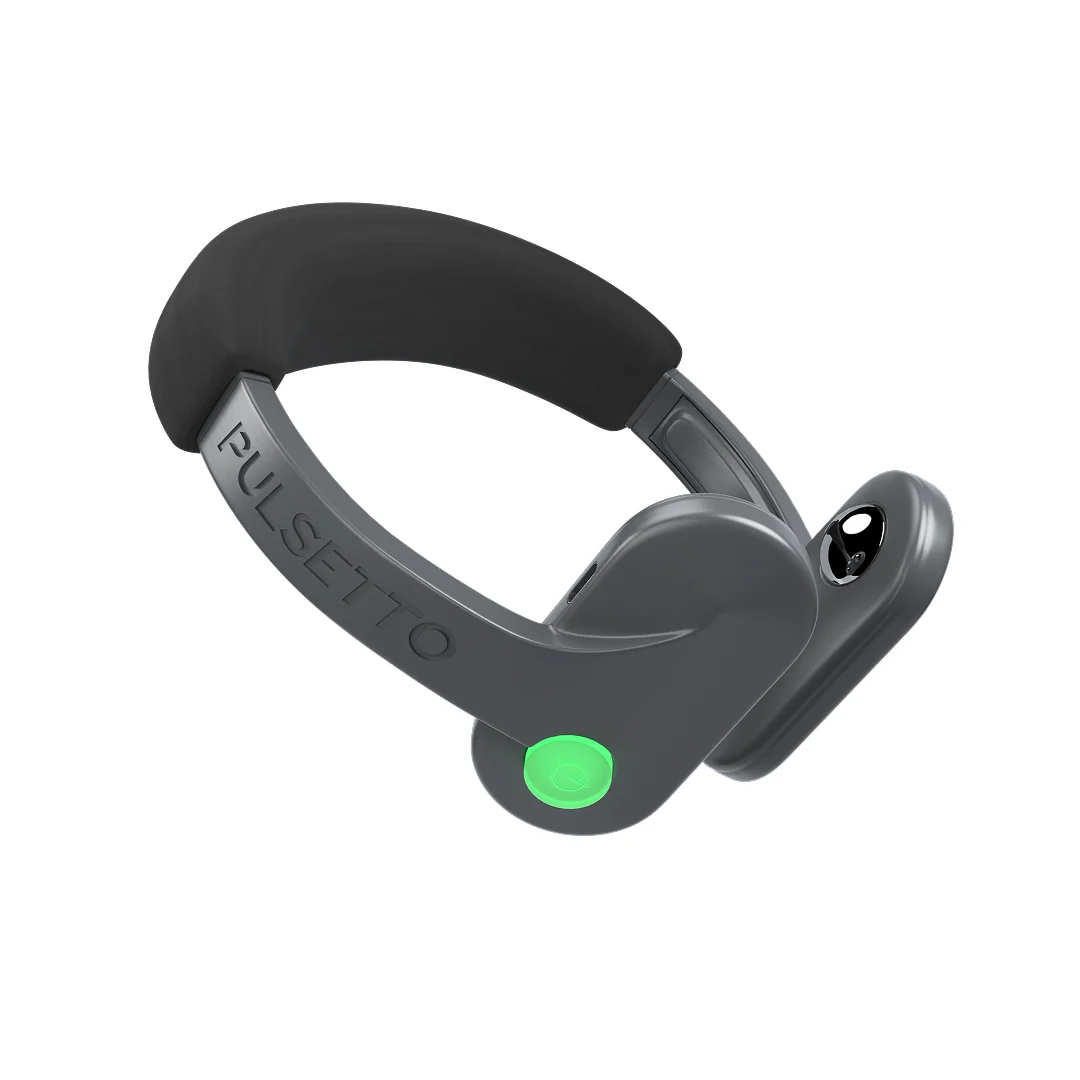
Pulsetto is a Lithuanian recovery-tech brand, founded in 2021, and it makes the best-known consumer vagus nerve stimulation wearable on the market: a soft collar that sits at the base of the neck and runs a hands-free session in 4 to 10 minutes. The flagship Pulsetto Vagus Nerve Stimulator costs $269 for the Lite and $296 for the newer Fit, verified 2026-08-14 against pulsetto.tech Shopify data, and we score it 7.4 out of 10: the most polished hardware in its category, with a 10 to 12 day battery, five app programs that stay free for life, a 2-year warranty, and a 30-day money-back window.
Here is the direct answer before the deep dive. Buy Pulsetto if you want the shortest structured wind-down ritual in consumer recovery tech, roughly 4 minutes a day, and you are willing to treat the first month as a self-test, because the science behind consumer vagus nerve stimulation is early and the strongest numbers supporting it come from a small company-linked study of about 40 people. Skip it if you want proven results per dollar. And if the ritual appeals but the mechanism does not, two catalog alternatives cover the same wind-down job differently: the Apollo Wearable with passive vibration at $448, and the phone-free MindPlace Kasina light-and-sound system at $399.
Quick answer
- Most buyers: the Pulsetto Vagus Nerve Stimulator at $269 for the Lite, the best-executed hardware in the category with the shortest daily time cost.
- Passive, wear-it-all-day types: the Apollo Wearable at $448, a wrist or ankle vibration wearable that runs in the background instead of demanding a seated session.
- Phone-averse meditators: the MindPlace Kasina at $399, a self-contained light-and-sound system with 70-plus preset sessions and no app, no gel, and no subscription.
Pulsetto and its rivals at a glance
| Device | What it does | Verified price | Recurring costs | Price verified |
|---|---|---|---|---|
| Pulsetto Lite / Fit | Electrical vagus nerve stimulation at the neck, 4 to 10 minute sessions | $269 / $296 | Gel, about $102 to $153 a year; optional $15 a month Premium app | 2026-08-14 |
| Apollo Wearable | Passive vibration patterns at the wrist, ankle, or arm | $448 with first-year membership | About $99 a year membership after year one, which Apollo says is required | 2026-07-17 |
| MindPlace Kasina | Light-and-sound meditation sessions via LED glasses | $399 | None required | 2026-08-14 |
| iReliev Wearable TENS + EMS | Wireless TENS pain-relief and EMS muscle stimulation pods | $199.95 to $249.95 | Replacement pad kits at $29.95 | 2026-08-14 |
Who Pulsetto is
Pulsetto the company is young: founded in 2021 in Lithuania, selling direct through its own pulsetto.tech storefront, and built around a single idea rather than a product sprawl. That idea is non-invasive vagus nerve stimulation, the buzziest concept in consumer recovery tech: a gentle electrical signal delivered at the neck, aimed at nudging the nervous system toward its rest-and-digest state. Where competitors approached calm through vibration, sound, or breathwork pacing, Pulsetto committed to electrodes and conductive gel, and that focus is a big part of why it became the category's best-known name in under five years.
The product line reflects the focus. There are two models of the same collar, the Lite and the Fit, one gel accessory, and one optional app subscription. That is essentially the entire catalog. Details beyond this, such as founders, funding, and headcount, are not in our verified data, so we judge the brand the way a buyer should: on shipped hardware, published terms, and the 2-year warranty plus 30-day money-back window that backs every unit. Everything we track from the brand lives on our Pulsetto brand hub.
The flagship, spec by spec
The Pulsetto Vagus Nerve Stimulator is a soft collar that sits at the base of the neck and pairs to a phone app over Bluetooth. A session works like this: apply a thin layer of conductive gel, seat the collar, pick a program in the app, and it runs hands-free for 4 to 10 minutes while you read or lie down. The brand recommends roughly 4 minutes daily, which is the lowest time commitment of anything in our recovery coverage.
The verified spec sheet: battery lasts up to 10 days on the Lite and about 12 on the Fit, charging over USB-C. Five app programs are free for life; a Premium tier at $15 a month adds three more plus guided meditations. The box includes the device, a 60g tube of gel, and a USB-C cable, and hardware protection is a 2-year warranty with a 30-day money-back window. Our full product-level take, including the scoring, lives in the Pulsetto review; this deep dive is about the brand and where it sits in the market.
One pricing note that says something about how the brand sells: the pulsetto.tech site displays compare-at figures of $469 and $546 next to the real $269 and $296 prices. Our tracking shows those higher numbers are standing funnel anchors, not prices the device actually sells for, so never let the apparent discount rush a decision. The genuine buyer protection here is the 30-day window, not the countdown banner.
Lite vs Fit: the 27 dollar question
The two models differ on price and battery, and little else. The Lite is $269 with up to 10 days per charge; the Fit is $296, the newer build, with about 12 days. Sessions, programs, gel consumption, warranty, and the return window are identical. Most buyers should take the Lite and put the 27 dollars toward the first gel box. The Fit makes sense if you want the newest hardware revision or you never want to think about the charger.
What it really costs to own
The sticker is $269 to $296, but the honest math includes consumables, and this is the part of the Pulsetto model buyers most often miss. Conductive gel is needed for every session and sold in $51 boxes of four 60g tubes, which Pulsetto rates as a four to six month supply. At daily use that is roughly $102 to $153 a year, which means two to three years of gel costs more than the collar itself.
The app economics are friendlier. Five programs are free for life, so the core experience never bills you, and the $15 a month Premium tier is genuinely optional. Put together, three years of daily Lite ownership runs roughly $575 to $728 with gel and no Premium, which lands in the same band as three years of the Apollo Wearable once its roughly $99 a year membership renewals are counted. We ran the fuller version of that math in Pulsetto vs Apollo Neuro.
The evidence, stated plainly
Pulsetto markets stress and sleep benefits, and those are the brand's own statements, not established clinical findings. The headline numbers the company cites come from a small company-linked study of roughly 40 people over 4 weeks, not from large independent trials. Independent evidence for consumer vagus nerve stimulation is early and mixed, and the device is a general wellness product, not an FDA-cleared medical treatment. Effects are also subjective: some owners swear by the wind-down ritual, others feel little.
None of that makes Pulsetto a bad company. It makes the purchase a bet on early science with a refund clause, and the brand deserves credit for backing that bet with a 30-day money-back window and a 2-year warranty. The practical move is to run the session daily for the first month, score it against your own sleep and stress data, and use the window if your numbers do not move. Our vagus nerve stimulation device roundup applies the same evidence standard across the whole category.
Where the Pulsetto gives ground
- The evidence gap is the big one: $269 to $296 buys a mechanism still being studied, with the strongest support coming from a small company-linked study.
- The gel is a forever cost, roughly $102 to $153 a year at daily use, and it quietly compounds past the hardware price within three years.
- The best app content is paywalled behind the $15 a month Premium tier, though five programs stay free for life.
- It is app-dependent: every session starts from the Bluetooth app, so your phone is always part of the ritual.
Alternative 1: Apollo Wearable, the passive counterpoint

Apollo Neuroscience, a University of Pittsburgh spinout founded in 2018, approaches the same nervous-system goal from the opposite direction. Instead of a short active session, the Apollo Wearable runs low-frequency vibration patterns at the wrist, ankle, or arm for hours at a time; Apollo recommends at least 3 hours a day, 5 days a week. The $448 price, verified 2026-07-17, includes the first year of the SmartVibes membership, which Apollo says is required for the device to work and renews at about $99 a year after that.
Where it gives ground: the Apollo is open-loop, with no sensors reading your live physiology; its most-cited support is a 2022 study of 22 University of Pittsburgh athletes with an associational finding, not proof; and the required membership makes the long-run cost higher than the sticker suggests. Battery is rated at 8 hours of continuous use, so unlike the 10 to 12 day Pulsetto it is a charge-often device. Choose it over Pulsetto if you want calm delivered passively in the background rather than as a seated daily ritual.
Alternative 2: MindPlace Kasina, the phone-free ritual

The MindPlace Kasina is the veteran of this list, a light-and-sound meditation system at $399, verified 2026-08-14. You wear LED glasses and earphones, pick one of 70-plus preset sessions, and paced light pulses sync with audio for a fixed session length. It is entirely self-contained: built-in MP3 player, 16GB microSD card included, no phone, no app, no gel, and no subscription, which makes it the lowest-recurring-cost pick on this page. MindPlace also sells the entry-level Limina at $299 and a DeepVision bundle at $449 for a fuller visual field.
Where it gives ground: sessions are eyes-closed and stationary, so this is a sit-down ritual rather than a wearable; the evidence for audio-visual entrainment is limited and mixed, the same honest caveat as the rest of the category; and the flashing visuals rule it out entirely for anyone with photosensitive epilepsy or a seizure history. Choose it over Pulsetto if zero consumables and zero app dependence matter more to you than a wearable format.
Alternative 3: iReliev TENS + EMS, a different job entirely

The iReliev Therapeutic Wearable System is not a relaxation device, and that is exactly why it belongs here. If what draws you to electrical stimulation is the electrical part rather than the vagus nerve thesis, iReliev's wireless TENS and EMS pods do the established version of the job: temporary pain relief while the device is in use, which iReliev states is FDA-cleared for its TENS units (clearance, not approval), plus EMS muscle stimulation for recovery work. The 2-pod system is $199.95 and the 4-pod kit is $249.95, verified 2026-08-14, with a 1-year warranty and 30-day returns.
Where it gives ground: it does nothing for stress or wind-down, electrode pads are a real consumable at $29.95 per wireless refill kit, and the 3 to 5 hour battery makes it a charge-between-uses tool rather than an always-ready one. Choose it over Pulsetto if temporary, in-use relief for a specific area is the job you actually need done, at the lowest verified price on this page.
Verdicts by buyer type
- The ritual-driven biohacker: buy the Pulsetto Lite at $269 and run the 4 minute session daily inside the 30-day window. Nothing else in the category matches its polish per minute of effort.
- The passive wearer: the Apollo Wearable at $448 fits people who will not sit for a session but will wear a device for hours. Accept the roughly $99 a year membership going in.
- The subscription-averse: the MindPlace Kasina at $399 is the only option here with no app, no gel, and no recurring cost of any kind.
- The pain-first buyer: the iReliev system at $199.95 does an established, cleared-indication job at the lowest price in this comparison.
- The evidence-first skeptic: buy nothing yet. Follow the category through our best recovery tech guide and revisit when independent trials catch up with the marketing.
Bottom line
Pulsetto is a young, focused Lithuanian brand that built the most polished consumer vagus nerve stimulator on the market: $269 to $296 verified 2026-08-14, a 10 to 12 day battery, five free-for-life app programs, and a 2-year warranty with a 30-day money-back window. The evidence behind the mechanism is still early, and the strongest supporting study is small and company-linked, so treat the first month as an experiment with a refund clause. Budget honestly for gel at roughly $102 to $153 a year, and skip Premium until the free programs have earned their four minutes a day. If the ritual moves your own numbers, keep it; if not, the return window exists for exactly this reason.
Is Pulsetto a legit company, and where is it based?
Pulsetto is a Lithuanian consumer-tech brand founded in 2021 that sells directly through pulsetto.tech. The hardware carries a 2-year warranty and a 30-day money-back window, which is real buyer protection for an early-evidence category. Details like funding and team size are not in our verified data, so judge the company on its shipped hardware and its published return terms.
What does Pulsetto actually cost per year to run?
Budget the hardware plus gel. The Lite is $269 and the Fit is $296, verified 2026-08-14, and conductive gel runs $51 for a box of four 60g tubes that Pulsetto rates as a four to six month supply, roughly $102 to $153 a year at daily use. The optional Premium app tier adds $15 a month; five programs stay free for life.
Should I buy Pulsetto or Apollo Neuro?
They chase the same goal differently. Pulsetto is an active 4 to 10 minute electrical session at the neck for $269 to $296. Apollo Neuro is a passive vibration wearable worn for hours a day at $448, verified 2026-07-17, with a membership Apollo says is required, about $99 a year after the bundled first year. Pick by ritual style, not spec sheet.
Does the Pulsetto work without a subscription?
Yes. The Bluetooth app is required to start sessions, but five programs are free for life, so the core experience never bills you monthly. The optional Premium tier at $15 a month adds three more programs plus meditations. The one unavoidable recurring cost is conductive gel at $51 per four-tube box, rated by Pulsetto as a four to six month supply.
How long does the Pulsetto battery last between charges?
Up to 10 days on the Pulsetto Lite and about 12 days on the Pulsetto Fit, both charging over USB-C. At the recommended session length of roughly 4 minutes a day, the collar is nearly always ready when you reach for it, which matters because recovery devices that demand nightly charging tend to end up unused in a drawer.
The products this post references
The Longevity Gear Buyer's Checklist
The specs that actually decide whether a sauna, cold plunge, red light panel, or smart ring is worth it, plus the real price range for each. Get the free PDF, plus one weekly email on the gear worth buying.