Lifespan Vault earns an affiliate commission when you buy through links on this page, at no extra cost to you. It does not change our rankings or our verdicts.
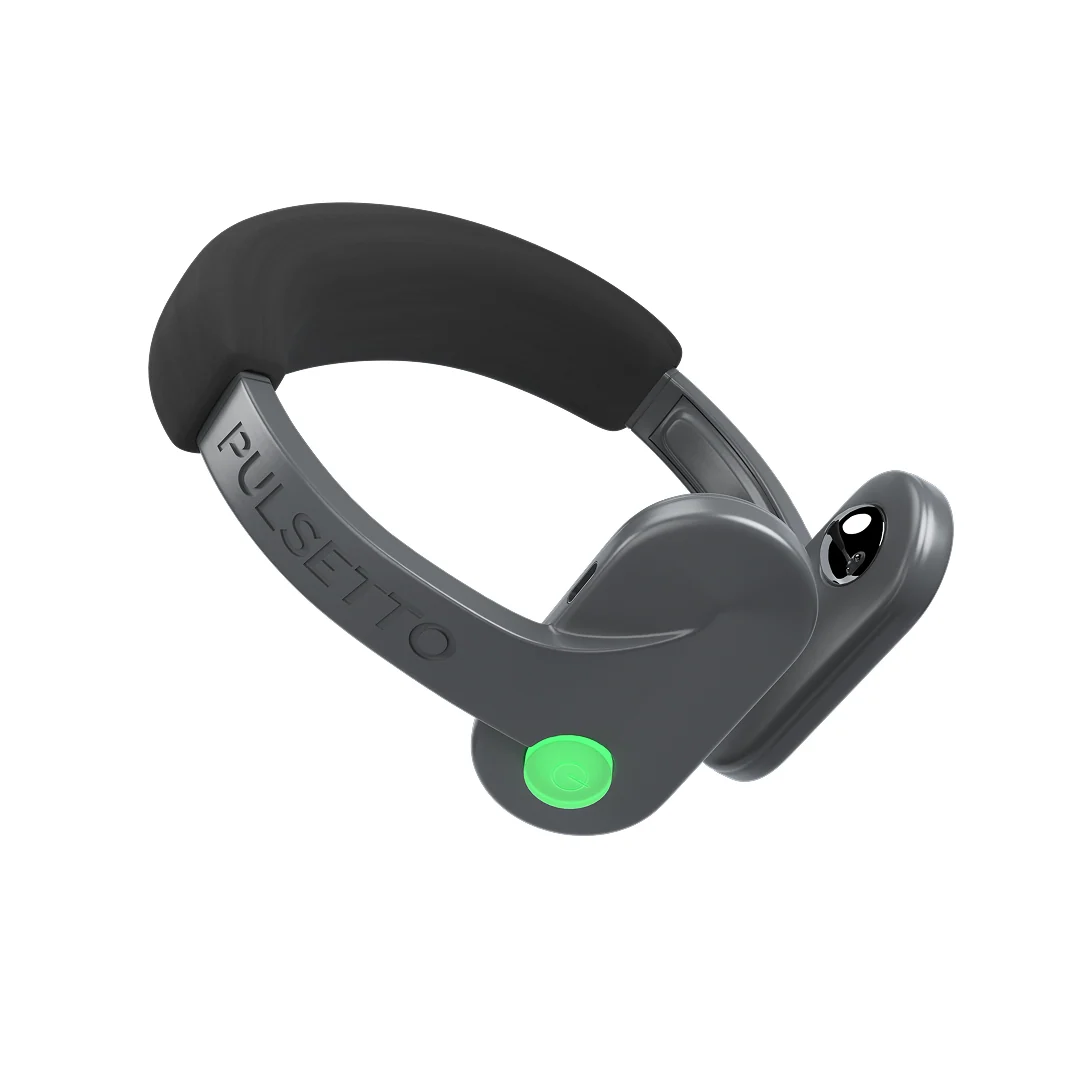
Pulsetto is a soft neck collar from Lithuanian brand Pulsetto (founded 2021) that runs hands-free vagus nerve stimulation sessions of 4 to 10 minutes, and in 2026 it costs $269 for the Lite or $296 for the newer Fit, both verified against pulsetto.tech Shopify data on July 17, 2026. The short version of this review: it is the most polished consumer device in the category, with real hardware quality, a 10 to 12 day battery, and a session short enough to actually keep as a daily habit. We score it 7.4 out of 10.
The catch is the evidence. Non-invasive vagus nerve stimulation is a genuinely interesting research area, but independent evidence for stress and sleep benefits is early and mixed, and Pulsetto's own headline numbers come from a small company-linked study of roughly 40 people over 4 weeks. So the honest buying frame is this: purchase through the 30-day money-back window, run it daily, and judge it on your own numbers. For how it fits in the wider category, start with our best recovery tech guide.
Quick answer
- Most buyers: the Pulsetto Vagus Nerve Stimulator at $269 for the Lite, the cheapest route into the category's best-known hardware with 5 app programs free for life.
- Battery-first buyers: the Pulsetto Vagus Nerve Stimulator at $296 for the Fit, which stretches charge life to about 12 days against the Lite's 10.
- Evidence-first skeptics: the Pulsetto Vagus Nerve Stimulator at $269 only as a structured 30-day self-test, with a full return if your own sleep and stress data does not move.
Pulsetto at a glance
| Model | Verified price | Battery | Session | Coverage |
|---|---|---|---|---|
| Pulsetto Lite | $269 | Up to 10 days, USB-C | 4 to 10 minutes | 2-year warranty, 30-day money-back |
| Pulsetto Fit | $296 | About 12 days, USB-C | 4 to 10 minutes | 2-year warranty, 30-day money-back |
Prices verified July 17, 2026 via pulsetto.tech Shopify data. Ignore the $469 and $546 compare-at figures on the site: those are standing funnel anchors, not real market prices, so never feel rushed by the apparent discount.
What the Pulsetto is and how a session works
The device is a soft collar that sits at the base of the neck and pairs to a phone app over Bluetooth. You apply a thin layer of conductive gel, seat the collar, pick a program, and the session runs on its own while you read, stretch, or lie down. Sessions last 4 to 10 minutes, and the brand recommends roughly 4 minutes daily. The box includes the device, a 60g tube of gel, and a USB-C cable.
The idea behind it is the buzziest one in consumer recovery tech: a gentle electrical signal at the neck aimed at nudging the nervous system toward its rest-and-digest state. Five app programs are free for life, and an optional Premium tier adds three more plus meditations. Battery life is the quiet standout spec, up to 10 days on the Lite and about 12 on the Fit, which means the collar is usually charged when you reach for it. That matters more than it sounds; recovery hardware that needs a charge every night tends to end up in a drawer.
What it costs to own, not just to buy
The sticker price is only part of the math, and this is where Pulsetto deserves a clear-eyed look.
The conductive gel is a real consumable. A box of four 60g tubes costs $51, and Pulsetto rates it as a four to six month supply, which works out to roughly $102 to $153 a year with daily use. Two to three years of daily-use gel costs more than the device itself. The best app content also sits behind the optional Premium tier at $15 a month, though the five free-for-life programs mean you can run the core experience without ever subscribing.
On the protection side, the hardware carries a 2-year warranty, and the 30-day money-back window is the single most useful line in the spec sheet, because it converts an early-evidence purchase into a testable one.
The evidence, stated plainly
This is a general wellness device, not an FDA-cleared medical treatment, and the evidence framing matters more here than in most categories we cover.
Pulsetto's headline stress and sleep numbers come from a small company-linked study of roughly 40 people over 4 weeks, not from large independent trials. Independent evidence for stress and sleep benefits in this device category is early and mixed. Effects are also subjective: some users swear by the wind-down ritual, others feel little.
That does not disqualify the device; it makes it a bet on early science with a refund clause. The practical move is to treat the first month as an experiment. If you already wear a tracker, use its sleep data as your scorecard; our best smart rings guide and best sleep tech guide cover the measurement side.
Where it gives ground
- The evidence gap is the big one. You are paying $269 to $296 for a mechanism that is still being studied, with the strongest available numbers coming from a small company-linked study.
- The gel is a forever cost. At roughly $102 to $153 a year with daily use, the consumable line quietly compounds past the hardware price over a few years.
- The best app content is paywalled. Premium at $15 a month is optional, but it is where the extra programs and meditations live.
- It is app-dependent. Sessions start from the required Bluetooth app, so the phone is always part of the ritual.
None of these are disqualifying. They are the reasons the score is 7.4 rather than higher, on hardware that otherwise executes its job well.
Lite or Fit: which model to buy
The gap is $27 and one spec. The Lite at $269 runs up to 10 days per charge; the Fit at $296 is the newer build and runs about 12 days. Sessions, programs, gel use, warranty, and the return window are the same on both. Most buyers should take the Lite and put the $27 toward the first gel box. Choose the Fit if you want the newest hardware revision or you are the kind of owner who never wants to think about the charger.
Verdict by buyer type
- For the biohacker who wants a structured daily wind-down ritual, it is the best-executed option in its niche: 4 minutes a day, hands-free, and consistent. Buy it, and actually run it daily during the return window.
- For the evidence-per-dollar buyer, the honest verdict is skip, or run the 30-day test with a firm exit rule. Established tools with longer track records deliver more certainty per dollar; our recovery tech guide ranks the alternatives.
- For the sleep-focused buyer, decide what problem you are solving first. If snoring or a weak evening routine is the issue, compare dedicated options in our best anti-snoring devices guide and sleep drinks and powders guide before choosing a stimulation wearable.
- For the recovery-room builder outfitting a full setup, this is a complement, not a centerpiece. Bigger-ticket recovery seating is compared in our massage chair roundup.
How to choose
- You want the shortest possible daily ritual: the roughly 4 minute recommended session is about as low-friction as recovery tech gets.
- You hate consumables and subscriptions: budget $51 per gel box every four to six months, and skip Premium since five programs are free for life.
- You already track sleep with a wearable: buy through the 30-day window and let your own data make the call.
- You want proven value per dollar: put the $269 elsewhere; the best recovery tech guide covers options with longer track records.
- You charge devices reluctantly: the 10 to 12 day battery is a genuine advantage over nightly-charge recovery gear.
Bottom line
The Pulsetto is the most polished consumer vagus nerve stimulator you can buy in 2026: $269 to $296, hands-free sessions of 4 to 10 minutes, a 10 to 12 day battery, and a 2-year warranty with a 30-day money-back window. What it is not, yet, is proven; the strongest supporting numbers come from a small company-linked study of about 40 people, and independent evidence remains early and mixed. Budget for the $51 gel boxes, skip Premium at first, and treat the first 30 days as a real experiment. If the ritual earns its four minutes a day on your own data, keep it; if not, the refund clause exists for exactly this reason.
Does the Pulsetto vagus nerve stimulator actually work?
The honest answer is that the science is early. Non-invasive vagus nerve stimulation is an active research area, but Pulsetto's headline stress and sleep numbers come from a small company-linked study of about 40 people over 4 weeks, not large independent trials. It is a general wellness device, effects vary person to person, and the 30-day money-back window is the practical way to test it on your own data.
How much does Pulsetto cost, including the gel and app?
The Pulsetto Lite is $269 and the Pulsetto Fit is $296, verified from pulsetto.tech Shopify data in July 2026. Conductive gel is the ongoing cost: $51 for a box of four 60g tubes, rated as a four to six month supply, roughly $102 to $153 a year with daily use. Five app programs are free for life; optional Premium is $15 a month.
How long is a Pulsetto session and how often do you use it?
A session runs 4 to 10 minutes, and Pulsetto recommends roughly 4 minutes daily. The device is hands-free: apply a thin layer of conductive gel, seat the collar at the base of your neck, start one of the app programs over Bluetooth, and it runs on its own. Battery lasts up to 10 days on the Lite and about 12 on the Fit.
What is the difference between the Pulsetto Lite and the Pulsetto Fit?
Price and battery are the practical differences. The Lite is $269 with up to 10 days of battery; the newer Fit is $296 with about 12 days. Both charge over USB-C, run the same 4 to 10 minute sessions, include a 60g gel tube in the box, and carry the same 2-year warranty with a 30-day money-back window.
Do you need a subscription to use Pulsetto?
No. The Bluetooth app is required, but five programs are free for life with no recurring fee. The optional Premium tier at $15 a month adds three more programs plus guided meditations. The one unavoidable recurring cost is conductive gel, sold at $51 for four 60g tubes that Pulsetto rates as a four to six month supply.
The products this post references
The Longevity Gear Buyer's Checklist
The specs that actually decide whether a sauna, cold plunge, red light panel, or smart ring is worth it, plus the real price range for each. Get the free PDF, plus one weekly email on the gear worth buying.