Oura vs Whoop vs Ultrahuman: The Longevity Wearable Buyer's Guide
Every longevity wearable tracks sleep, HRV, and recovery. The real decision is form factor, the subscription model, and whether you trust the number. Here is how to choose between Oura, Whoop, Ultrahuman, Apple Watch, Garmin, and the value rings.
Lifespan Vault earns an affiliate commission when you buy through links on this page, at no extra cost to you. It does not change our rankings or our verdicts. As an Amazon Associate, Lifespan Vault earns from qualifying purchases.
Every longevity wearable measures roughly the same core signals: sleep stages, heart-rate variability (HRV), resting heart rate, body temperature, and a recovery or readiness score derived from them. The marketing fights over which does it "best," but for most buyers the accuracy differences are smaller than three decisions that actually determine whether you keep wearing it: form factor, the subscription model, and whether you trust the number enough to act on it.
This guide is those three decisions, plus which of the seven devices we cover fits which buyer.
What these actually measure (and which signals matter)
The longevity-relevant metrics, in rough order of how much they tell you:
- HRV - the single best daily readout of autonomic recovery. Trends matter more than absolute numbers (HRV is highly individual).
- Resting heart rate - a clean, stable trend line; a creeping RHR is an early stress/illness/overtraining signal.
- Sleep stages + duration - directionally useful; no consumer wearable matches a sleep lab, but the trend is actionable.
- Body temperature - underrated; surfaces illness, hormonal shifts, and recovery patterns.
- VO2 max estimate - the weakest number. It is estimated from heart-rate response, drifts 5 to 15% from a real test, and should be treated as a rough trend, not a measurement. If VO2 max is your priority, you want a breath-by-breath analyzer, not a wrist estimate.
The honest framing: wearables are trend instruments, not lab instruments. Their value is consistency over time under the same conditions, not absolute precision on any single night.
Decision 1: form factor (ring vs watch vs band)
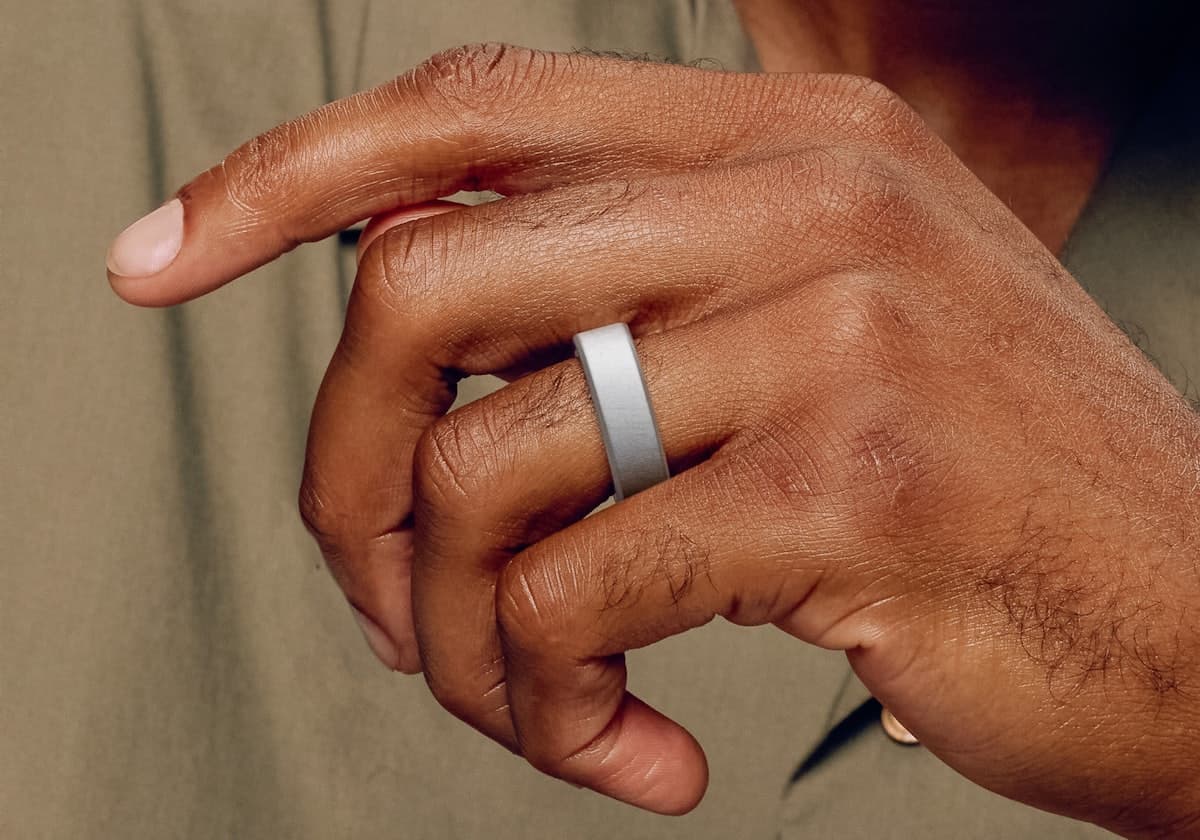
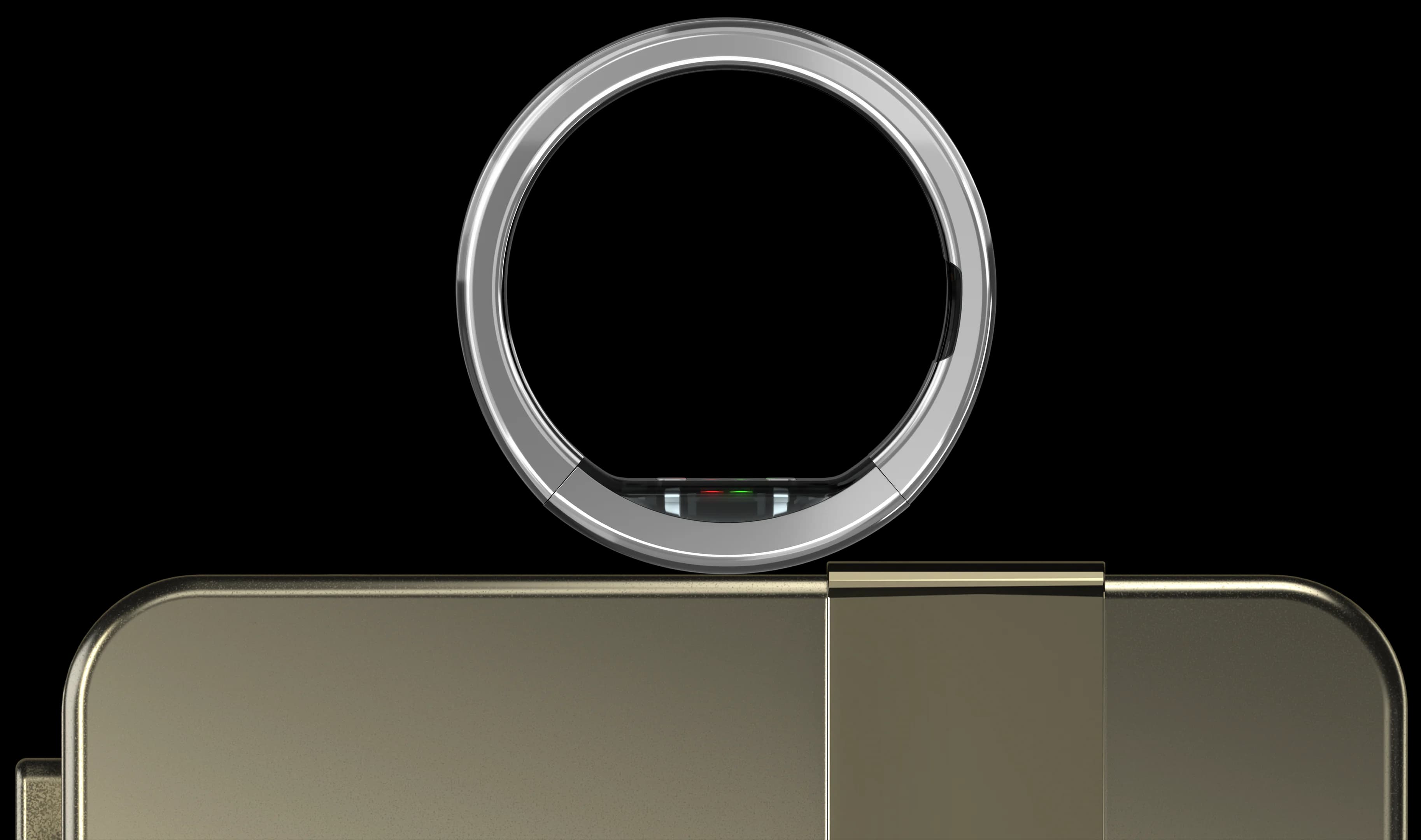
- Ring (Oura, Ultrahuman, Omni, Ambrosia) - best sleep + HRV comfort, wear-it-forever form factor, no screen. The default for pure longevity tracking.
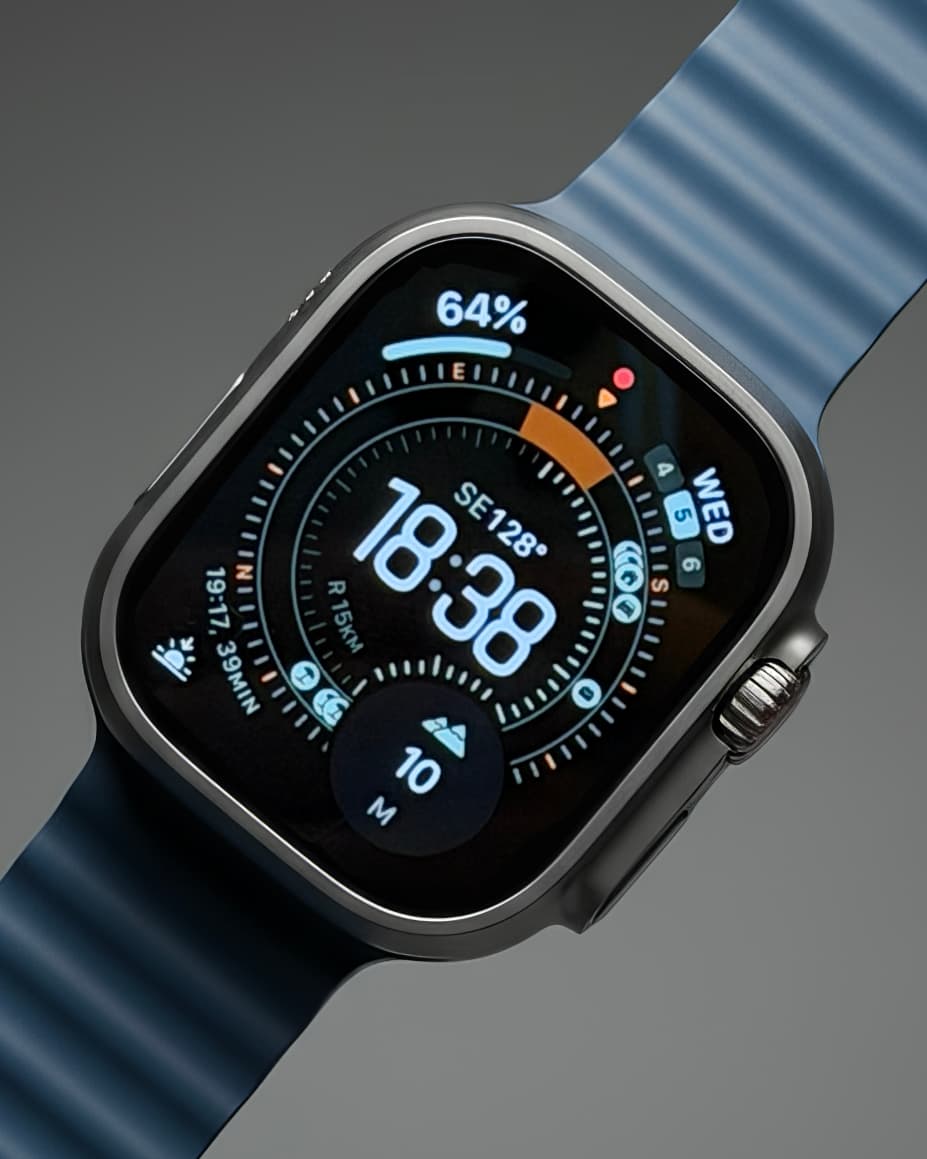
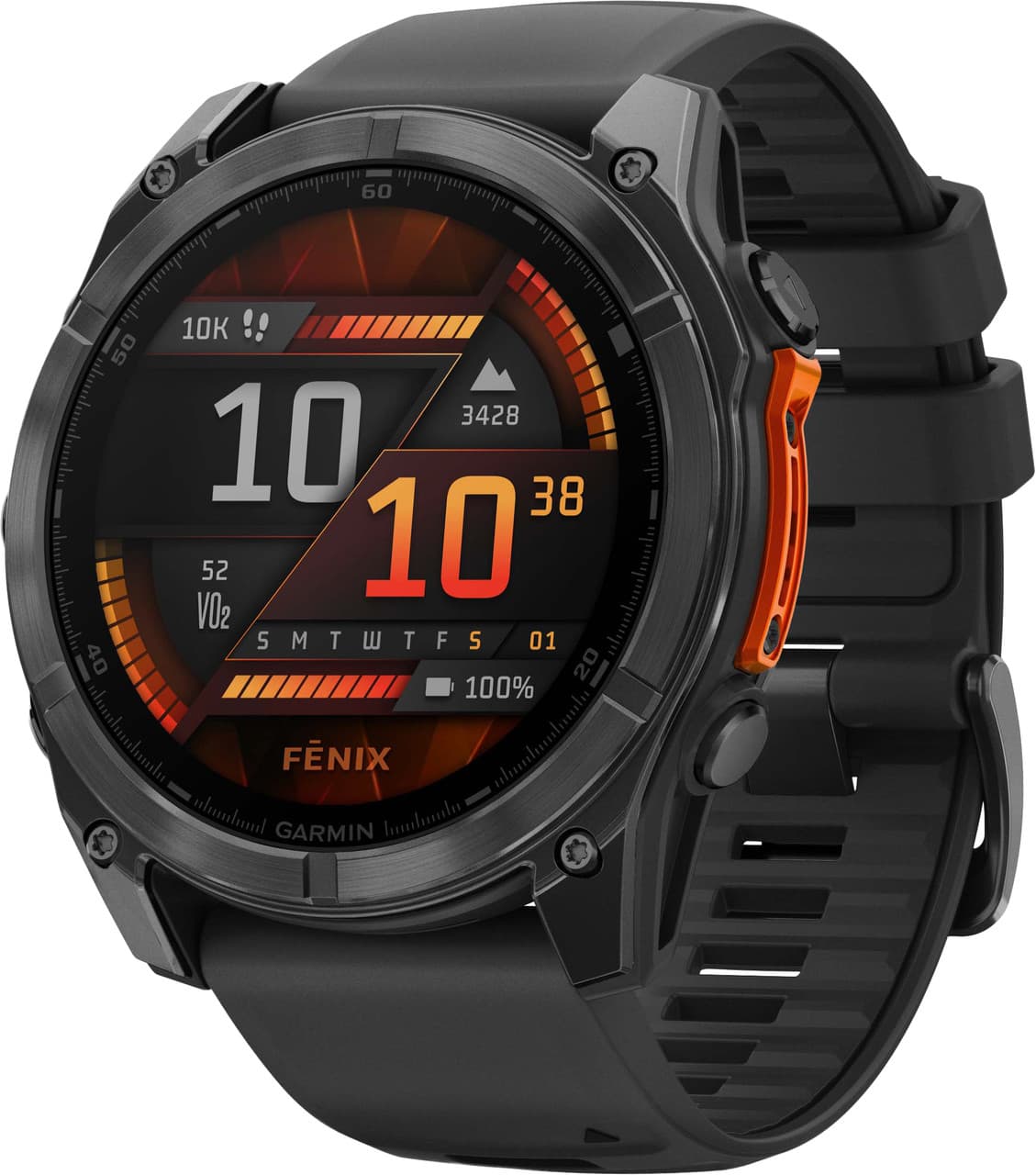
- Watch (Apple Watch Ultra, Garmin) - adds GPS, workouts, ECG, fall detection, and a screen, at the cost of nightly comfort and daily charging. Right if you want training + safety features, not just recovery.
- Band (Whoop) - screenless strap focused entirely on recovery/strain coaching; no clock, no notifications.
Decision 2: the subscription trap (this is the real one)
This is where buyers get surprised, so be clear-eyed:
- Whoop - subscription-FIRST. The band is "free"; you pay an annual membership ($239 to $359/yr) and that IS the product. Stop paying, it stops working.
- Oura - hardware ($349 to $499) PLUS a $5.99/mo membership for full insights. The ring tracks without it but the app gates most analysis.
- Ultrahuman, Omni, Apple Watch, Garmin - NO mandatory subscription. Buy once, own it. Ultrahuman Ring AIR and Omni Health Ring are the no-subscription ring picks; browse all of them on the no-subscription tag.
Over three years, a Whoop membership runs ~$700 to $1,100; a no-subscription ring is a one-time $199 to $449. That gap should weigh heavily unless you specifically want Whoop's coaching layer.
Decision 3: accuracy + ecosystem
All of these are good enough for trend tracking. Differences that matter: Apple Watch wins ecosystem + safety (ECG, fall detection, AFib) if you live in iOS. Garmin wins multi-day battery + endurance-sport depth. Oura has the deepest validation history and the best temperature tracking. The rings beat the watches on sleep comfort and battery (days, not hours).
Which wearable fits which buyer
- Default longevity ring: Oura Ring Gen 4 - deepest validation, best temperature tracking, the safe pick. Accept the $5.99/mo membership.
- Coached recovery, do not mind subscription: Whoop 5.0 - the best strain/recovery coaching, screenless, subscription-first.
- No-subscription ring: Ultrahuman Ring AIR - Oura-class ring features with zero recurring fee.
- Budget no-subscription ring: Omni Health Ring - 20+ biomarkers at sub-$400, no fee. The value pick.
- Ecosystem + safety: Apple Watch Ultra 2 - ECG, fall detection, AFib, full app ecosystem, if you want a watch not a ring.
- Endurance athletes: Garmin Fenix 8 - multi-day battery, the deepest training + GPS metrics.
- Glucose-curious: Ambrosia RIZZ Ring - the CGM-adjacent ring for metabolic tracking; see the CGM tag for the continuous-glucose options.
Cross-shop the value tier on best wearables under $400, or read the full Best Longevity Wearables 2026 pillar guide.
Bottom line
Pick the form factor you will actually wear every night (ring for most longevity buyers, watch if you want training + safety). Decide the subscription question deliberately - Whoop's coaching is real but a no-subscription ring saves $700 to $1,100 over three years. And treat every number as a trend, not a verdict: the wearable that earns its place is the one whose data you actually act on, worn consistently, for months.
- Ryan, Founder
The products this post references


The Longevity Gear Buyer's Checklist
The specs that actually decide whether a sauna, cold plunge, red light panel, or smart ring is worth it, plus the real price range for each. Get the free PDF, plus one weekly email on the gear worth buying.