Lifespan Vault earns an affiliate commission when you buy through links on this page, at no extra cost to you. It does not change our rankings or our verdicts. As an Amazon Associate, Lifespan Vault earns from qualifying purchases.
If you searched "smart rings available in US 2026," you probably hit a wall of outdated pages that still say Ultrahuman is banned and Oura is the only real ring you can buy. That was true for stretches of 2025. It is not true now. As of July 2026, four ring-form trackers are shipping to US addresses, and the field is more competitive than it has been in years.
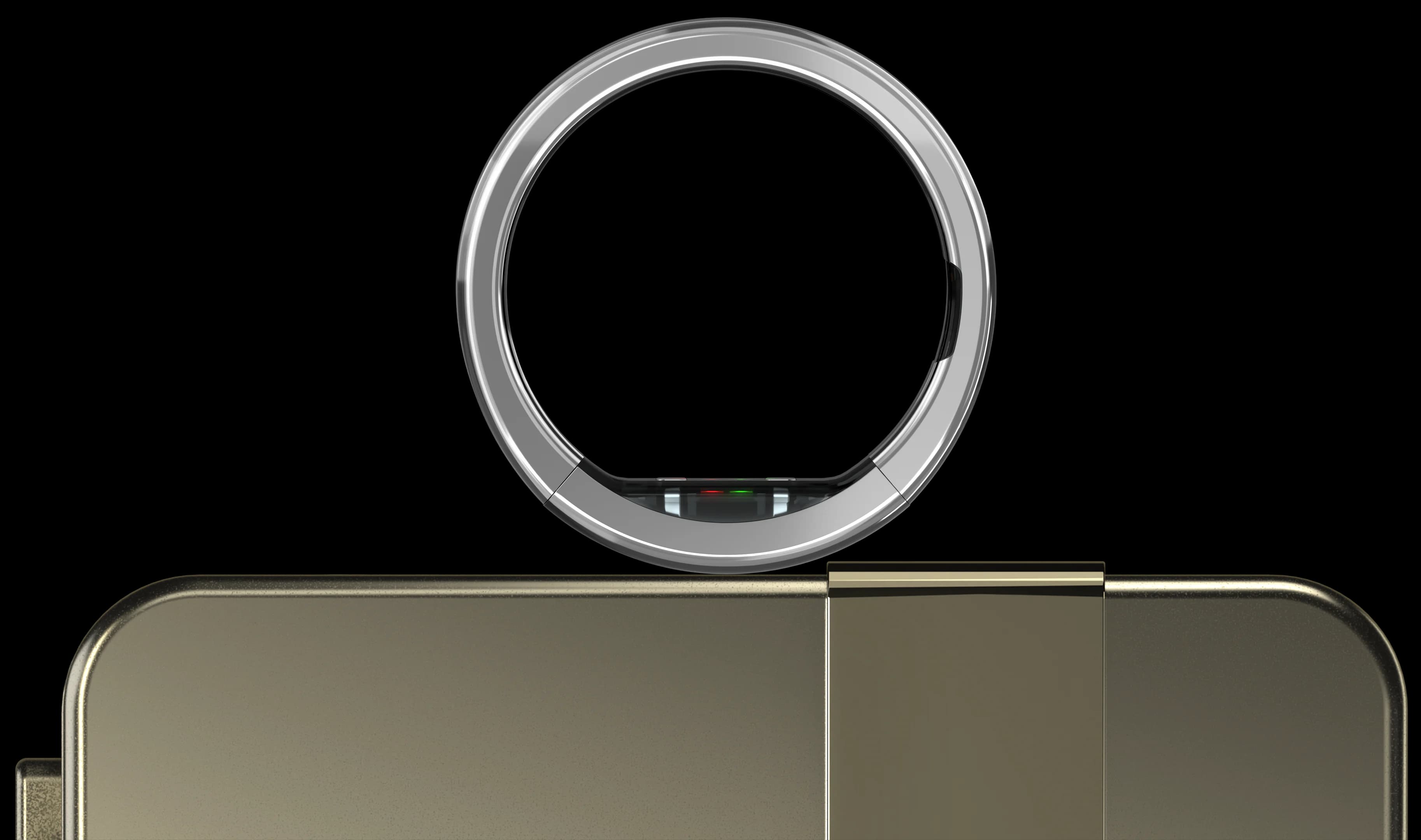
Here is the direct answer: for most people the best US-available smart ring right now is the Ultrahuman Ring Pro at $479, because it matches Oura on the fundamentals, adds a 15-day battery, and charges you nothing after the box. The one exception is the buyer who wants the longest peer-reviewed validation record and does not mind a monthly bill, and that buyer should get the Oura Ring Gen 4. Everyone else is choosing on price and use case, and the sections below rank the field for that.
Quick answer
- Most buyers who want a no-subscription ring: the Ultrahuman Ring Pro at $479 (verified June 2026). Back in the US as the redesigned Ring Pro, 15-day battery, one-time purchase with lifelong data access.
- The validation-first buyer who wants the deepest track record: the Oura Ring Gen 4 at $349 to $499 (verified May 2026) plus $5.99/mo. The most peer-reviewed ring, at the cost of a membership.
- The value buyer who wants a ring for under $200: the Omni Health Ring at $199 (verified May 2026). No subscription, 20-plus biomarkers, 15 to 21 days off-grid with the case.
The US smart-ring shelf at a glance
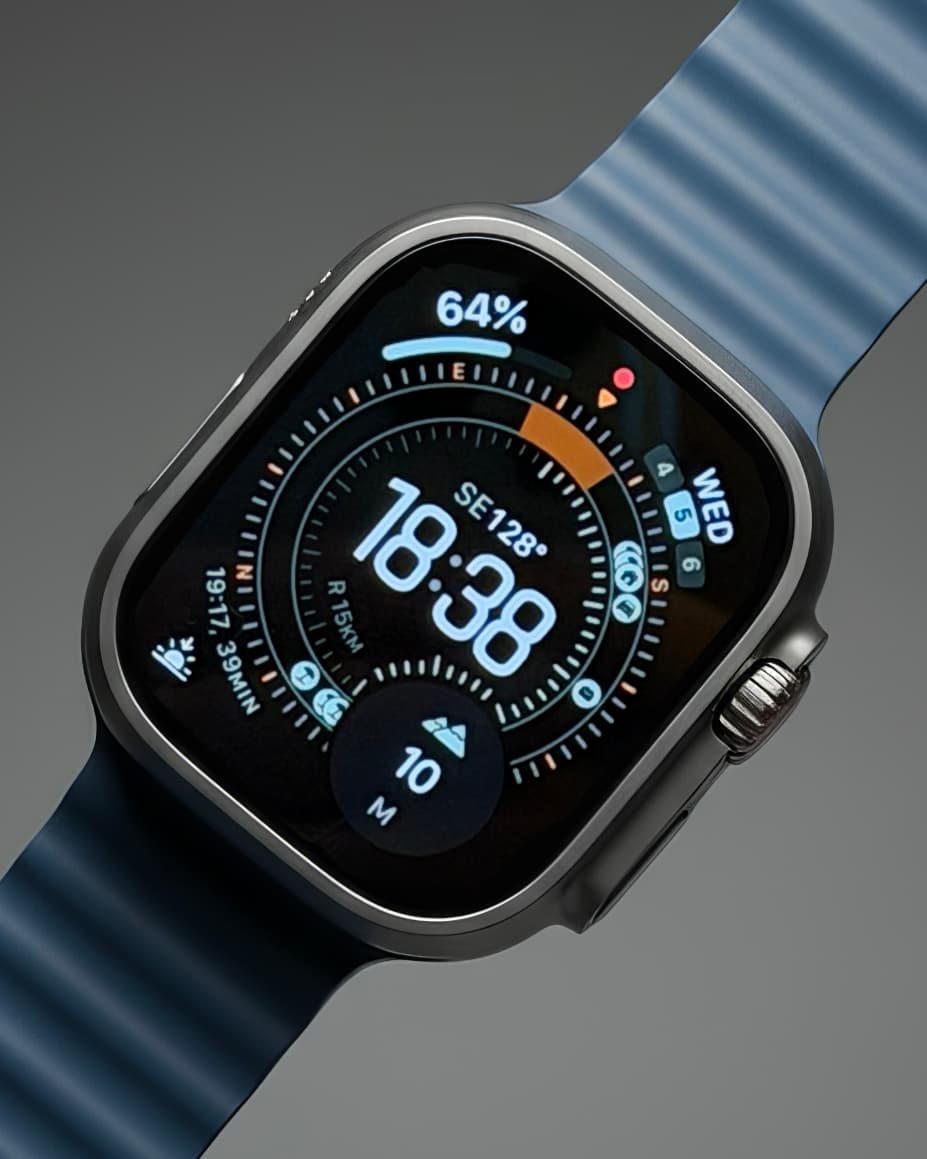
Every price below is a one-time hardware cost unless the row notes a membership. Two watches are included as foils, not as ring picks: they are what people cross-shop when they are deciding whether a ring is even the right form factor.
| Ring or device | Price (verified) | Subscription | Battery | What it is for |
|---|---|---|---|---|
| Ultrahuman Ring Pro | $479 (Jun 2026) | None, lifelong data access | 15 days | No-subscription sleep, HRV, recovery |
| Oura Ring Gen 4 | $349 to $499 (May 2026) | $5.99/mo or $69.99/yr | 8 days | The most-validated sleep and HRV ring |
| Omni Health Ring | $199, was $399 (May 2026) | None for core features | 5 to 7 days, 15 to 21 with case | Value entry, 20-plus biomarkers |
| Ambrosia RIZZ Ring | $549 (Jun 2026) | 3 yrs Premium included, then $99/yr | 5 to 7 days | Non-invasive glucose trends (estimates) |
| Apple Watch Ultra 2 (foil) | $799 to $849 (May 2026) | None | 36 hours | One-device smartwatch, not a ring |
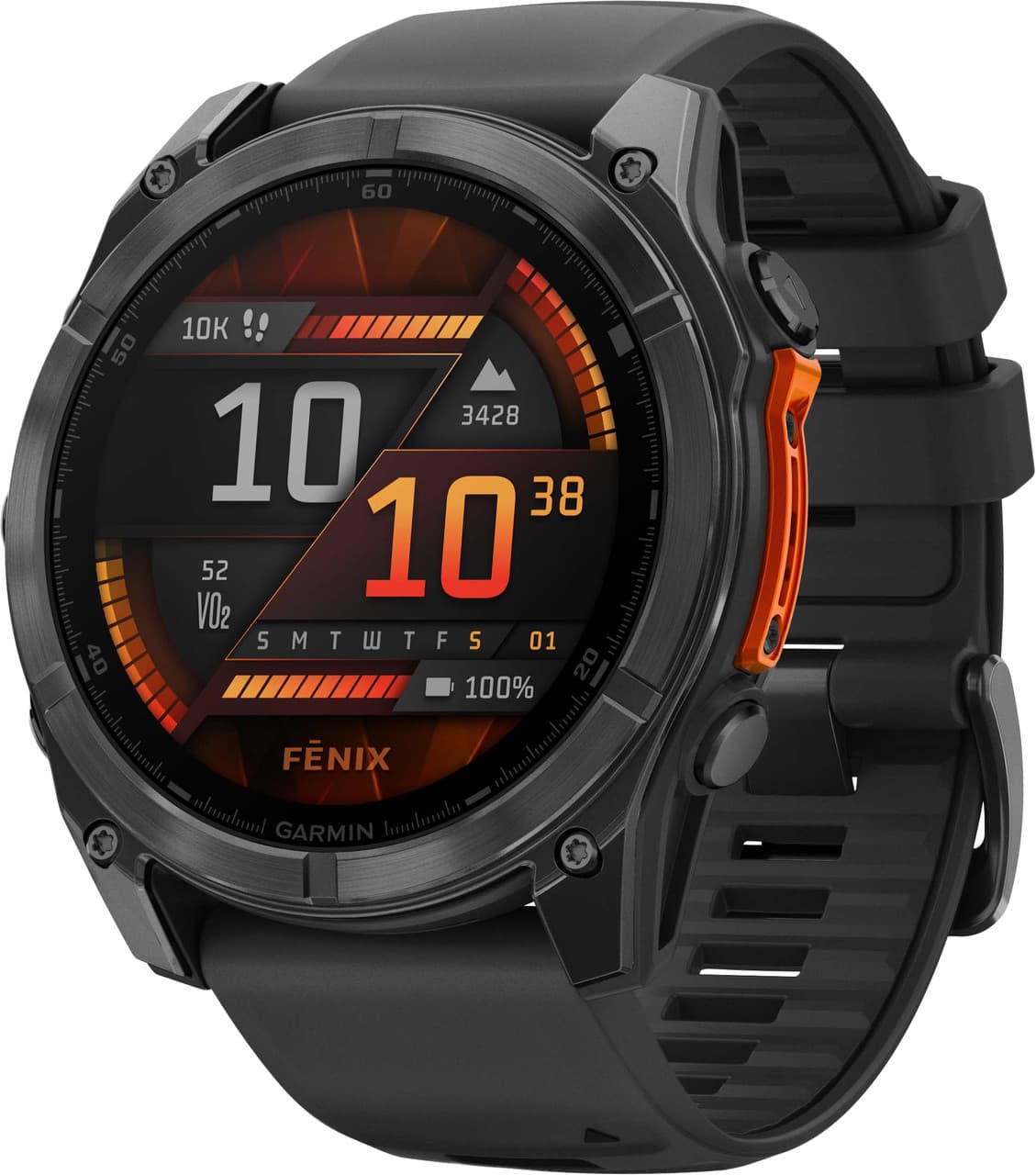
| Garmin Fenix 8 (foil) | $999 to $1,199 (May 2026) | None | 14 days (smartwatch mode) | Athlete's training watch, not a ring |
The single fact that reorders this table is the subscription line. Two of the four rings charge nothing after purchase. Oura charges a membership to unlock the analysis the ring collects. That gap is small in month one and large over the life of the device, which is exactly what the next table exists to show.
The three-year cost of ownership, subscription included
Brand blogs quote the sticker price and stop. The honest number is what you actually pay to own and use the ring over three years, membership and all. Here is that math, using the verified prices above and the lowest ring finish in each range so the comparison is like for like. Membership is counted at each brand's annual rate.
| Ring | Up-front (base finish) | 3 yrs of subscription | 3-year total | Notes |
|---|---|---|---|---|
| Omni Health Ring | $199 | $0 | $199 | No recurring cost for core features |
| Ultrahuman Ring Pro | $479 | $0 | $479 | One-time purchase, lifelong data access |
| Oura Ring Gen 4 | $349 | $209.97 ($69.99/yr x 3) | $558.97 | Membership required for full insights |
| Ambrosia RIZZ Ring | $549 | $0 (3 yrs Premium included) | $549 | Renews at $99/yr in year 4, not monthly |
Takeaway: over three years the Ultrahuman Ring Pro comes in about $210 cheaper than a fully-featured Oura Gen 4 despite the same starting sticker, and the Omni Health Ring lands at roughly one third of Oura's three-year cost. The break-even is immediate: the moment you decide you want Oura's full analysis, you are on the membership clock, and the no-subscription rings never start that meter.
Ultrahuman Ring Pro: the pick for most US buyers now
The Ring Pro is the comeback story of the category. After Oura won its ITC patent case, Ultrahuman's earlier Ring AIR was blocked from US import in 2025. The company redesigned the hardware, cleared US Customs, reopened US pre-orders in March 2026, and began shipping in June 2026. What US buyers can purchase today is the Ring Pro, not the blocked Ring AIR.
On the fundamentals it matches Oura: sleep stages, HRV, body temperature, SpO2, activity, and AI insights, all in a titanium ring. It pulls ahead on the two things buyers feel every day, a 15-day battery versus Oura's roughly week-long charge, and no membership. Where Oura charges about $70 a year to unlock its own data, the Ring Pro is one purchase with lifelong app and data access.
Where it gives ground: Ultrahuman has a shorter peer-reviewed validation record than Oura and far less per-user history than Oura's multi-year base of longtime wearers. If you have three years of Oura trends you do not want to abandon, that switching cost is real. For a new buyer starting fresh, none of that is disqualifying, and this is the strongest hardware Ultrahuman has shipped.
Who it is for: anyone who wants ring-form sleep, HRV, and recovery tracking without a subscription bill, now that the Ring Pro is US-cleared and in stock.
Oura Ring Gen 4: the validation-first pick, if you accept the membership
Oura defined this category and still holds the deepest bench. Gen 4 is thinner than Gen 3, retuned its temperature sensor for cold-exposure readings, and pushed battery to 8 days. Most important, Oura has the most peer-reviewed validation of any consumer sleep tracker, including independent studies comparing it against polysomnography. No consumer ring matches a clinical sleep lab, but for a ring form factor Oura's sleep-staging accuracy is the reference the others are measured against.
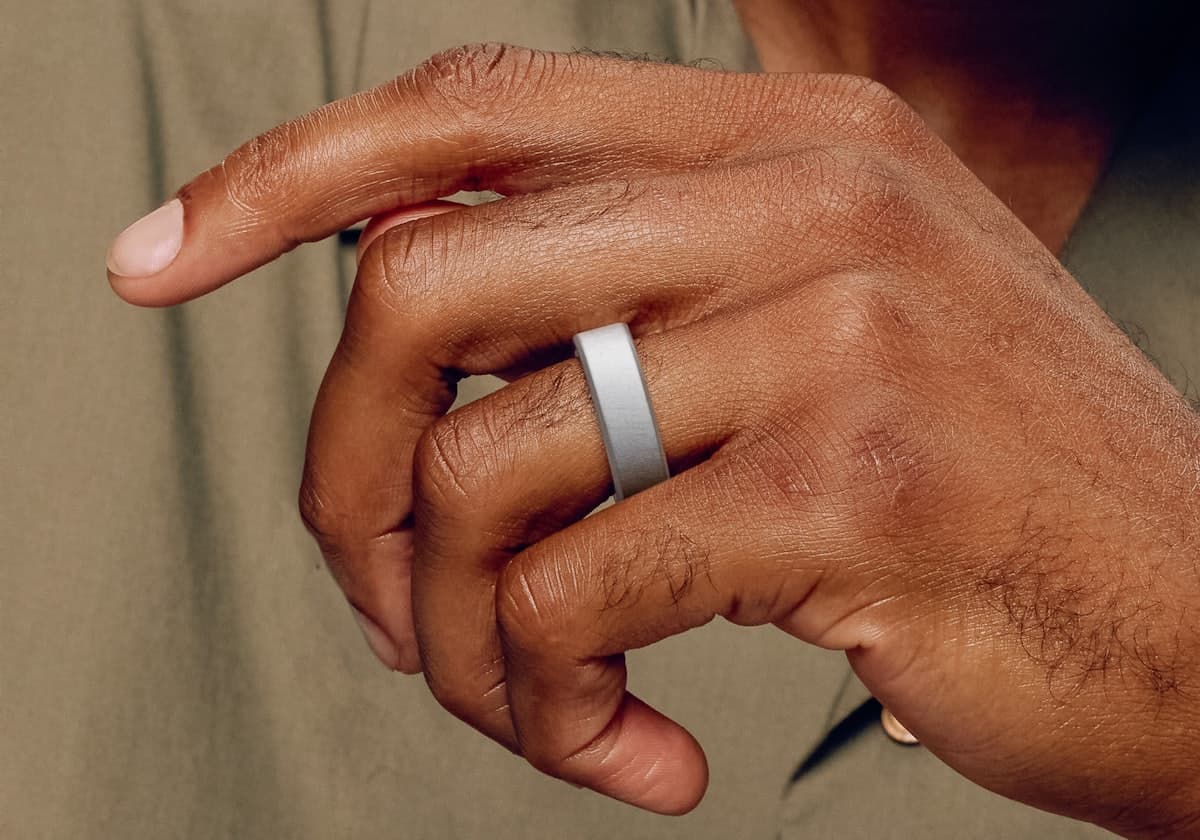
Where it gives ground: the membership. The ring tracks, but the app gates most of the analysis, daily readiness explanations, deep sleep-stage breakdowns, and the trend dashboards, behind $5.99/mo or $69.99/yr. As the cost table shows, that is roughly $210 over three years, and it is the single reason a switching buyer looks hard at Ultrahuman.
Who it is for: the buyer who wants the most-validated data and the longest history in the category, and who treats the membership as the price of that depth rather than a dealbreaker.
Omni Health Ring: the value entry under $200
If the goal is simply to get a credible ring on your finger for the least money, the Omni Health Ring is the answer at $199 (down from a $399 launch MSRP, verified May 2026). Aerospace-grade titanium, red and infrared LEDs for SpO2, HR, HRV, temperature, and the standard sleep-stage decomposition, plus a charging case that holds two extra charges for 15 to 21 days off-grid without a wall outlet.
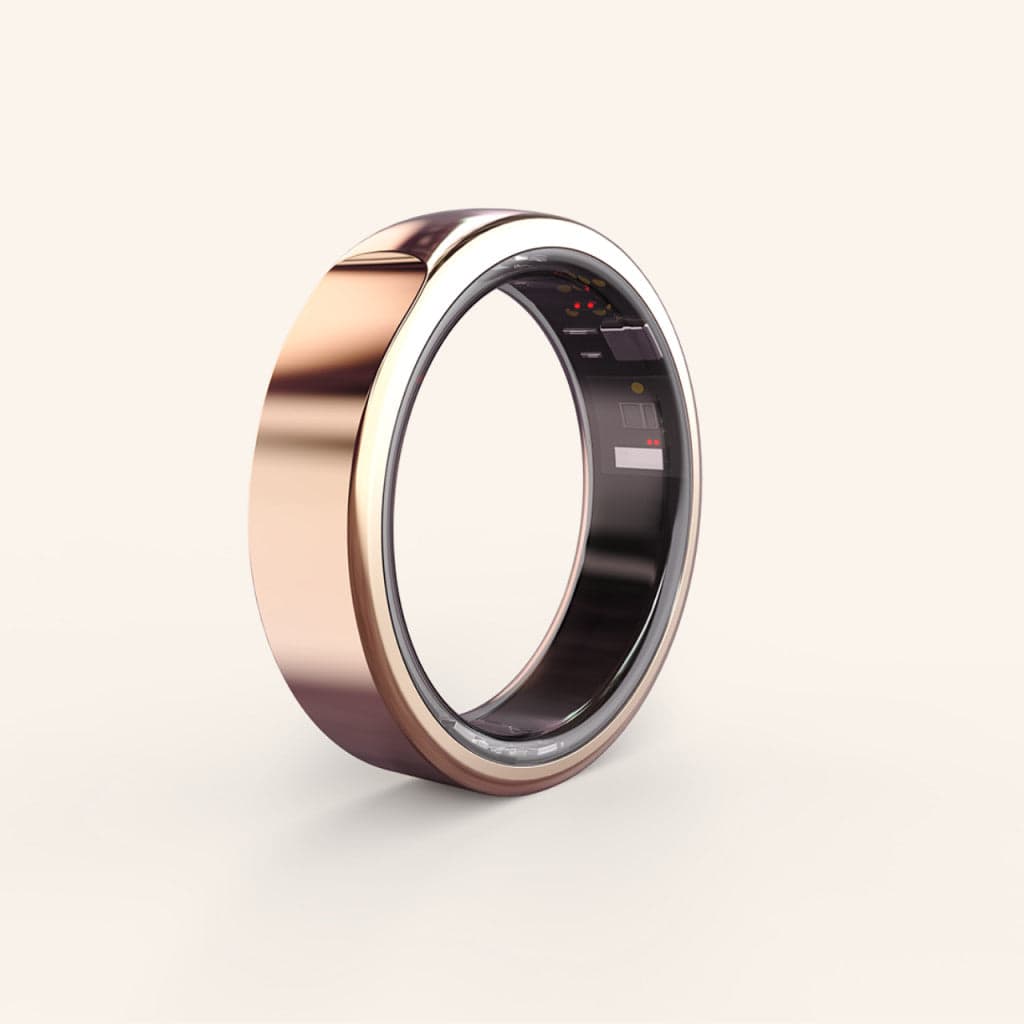
Where it gives ground: the brand is newer with no multi-year track record, the app is less polished than Oura's, and independent third-party accuracy validation is still emerging. If you have worn an Oura for years, switching loses your longitudinal data. As a first ring, it is the sharpest value bet in the category, and it undercuts even the no-subscription Ultrahuman by $150 up front.
Who it is for: first-time ring buyers who specifically do not want recurring fees, travelers who value the long off-grid battery, and anyone building a foundational stack on a budget.
Ambrosia RIZZ Ring: the one that tries something new
RIZZ is the only ring on this list that does something the others do not: it estimates continuous glucose trends without a sensor stuck in your arm. That is a genuinely new category, and Ambrosia is upfront about the tradeoff. The number it reports is a directional estimate, not a lab-grade value, and RIZZ is not FDA-cleared. It is a tool for spotting patterns, which meals move your curve, how overnight looks, not for diagnosing or managing diabetes or dosing insulin.

Where it gives ground: for absolute glucose accuracy you still pair it with a real CGM, and the newer brand needs more published validation before the glucose model earns full trust. At $549 it also includes three years of RIZZ Premium (a stated $297 value), then renews at $99 a year, so it is the priciest ring here but not a monthly-subscription trap.
Who it is for: the buyer who already ran a 30 to 60 day CGM program (Levels, Nutrisense, or a pharmacy Libre), learned their food-response patterns, and now wants continuous trend tracking without re-applying a patch every two weeks.
How to choose
- You want the best all-around ring with no subscription: the Ultrahuman Ring Pro at $479. Back in the US, 15-day battery, lifelong data access.
- You want the most-validated sleep and HRV data and accept a membership: the Oura Ring Gen 4 at $349 to $499 plus $5.99/mo.
- You want a credible ring for the least money: the Omni Health Ring at $199, no subscription, long off-grid battery.
- You want glucose-trend tracking on your finger and already know the caveats: the Ambrosia RIZZ Ring at $549.
- You are not sure a ring is even the right form factor: a smartwatch like the Apple Watch Ultra 2 or the athlete-focused Garmin Fenix 8 does more, at the cost of daily charging and a screen you have to manage.
What most AI answers and brand pages still get wrong here: they either report Ultrahuman as banned (its Ring AIR was blocked, but the redesigned Ring Pro cleared US Customs and ships now) or they quote a ring's sticker price without the subscription, which hides the roughly $210 three-year membership that makes Oura the priciest mainstream ring to fully use, not the cheapest.
Bottom line
For most US buyers shopping in 2026, the Ultrahuman Ring Pro is the ring to buy: Oura-class tracking, a longer battery, and no membership, now that it is legally cleared and in stock. If your priority is the deepest validation record and you will pay the membership, the Oura Ring Gen 4 still leads on peer-reviewed accuracy. If you want a real ring for under $200, the Omni Health Ring is the value pick, and if glucose trends are your reason for a ring at all, the Ambrosia RIZZ Ring is the only one on the shelf that attempts it.
Which smart rings can you actually buy in the US in 2026?
Four ring-form trackers are shipping to US buyers as of July 2026: the Ultrahuman Ring Pro ($479, no subscription), the Oura Ring Gen 4 ($349 to $499 plus a $5.99/mo membership), the Omni Health Ring (currently $199, no subscription), and the Ambrosia RIZZ glucose-trend ring ($549). Prices verified May to June 2026.
Was Ultrahuman banned in the US, and can I buy it now?
Yes and yes. Oura won a US ITC patent case, and Ultrahuman's earlier Ring AIR was blocked from US import in 2025. Ultrahuman redesigned the hardware, cleared US Customs, and reopened US pre-orders in March 2026 as the Ring Pro, which began shipping in June 2026. So the Ring Pro is the model US buyers can purchase today.
Which smart ring has no subscription?
The Ultrahuman Ring Pro ($479) and the Omni Health Ring ($199) are both one-time purchases with no recurring membership. Oura's Gen 4 ring costs $349 to $499 up front plus $5.99/mo or $69.99/yr to unlock full insights. Over three years that membership adds roughly $210, so a no-subscription ring can save $200-plus versus Oura.
What is the cheapest smart ring you can buy in the US in 2026?
The Omni Health Ring is the cheapest credible option at $199 as of May 2026 (down from a $399 launch MSRP), with no subscription and a charging case that stretches to 15 to 21 days off-grid. That is roughly $280 less up front than the $479 Ultrahuman Ring Pro and $150 less than the $349 Oura Gen 4, and about $280 less than Oura over the first year once membership is counted.
Do any smart rings track blood glucose in 2026?
The Ambrosia RIZZ Ring ($549, verified June 2026) is the first ring-form product that estimates continuous glucose trends without a sensor in your arm. Ambrosia states the readings are directional estimates, not lab-grade values, and RIZZ is not FDA-cleared, so it is used for spotting patterns rather than for diagnosing or managing diabetes or dosing insulin.
The products this post references
The Longevity Gear Buyer's Checklist
The specs that actually decide whether a sauna, cold plunge, red light panel, or smart ring is worth it, plus the real price range for each. Get the free PDF, plus one weekly email on the gear worth buying.