Lifespan Vault earns an affiliate commission when you buy through links on this page, at no extra cost to you. It does not change our rankings or our verdicts. As an Amazon Associate, Lifespan Vault earns from qualifying purchases.
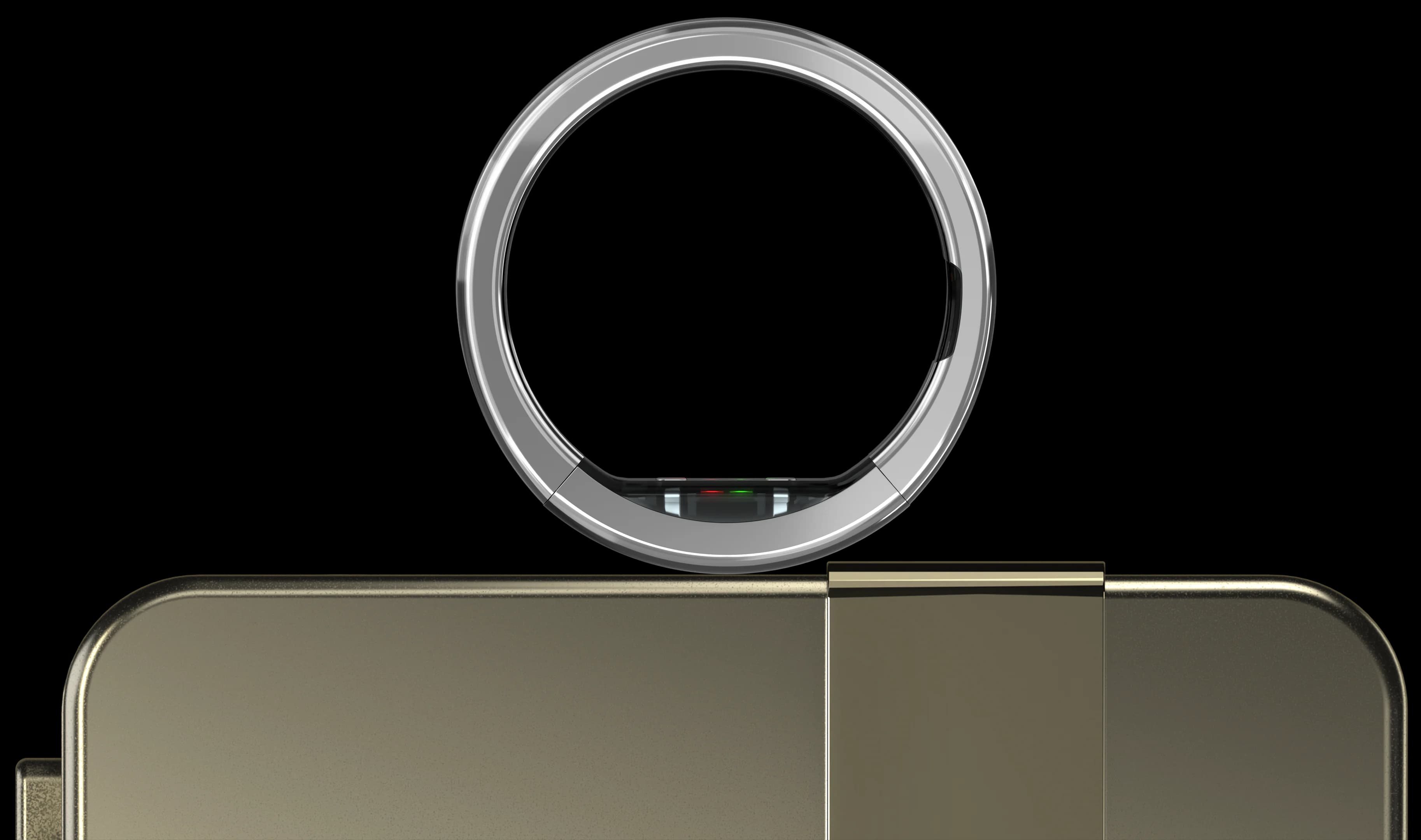
Ultrahuman is the company that turned "no subscription" into the sharpest wedge in the smart-ring market, and the Ring Pro is the strongest version of that argument yet. The direct answer: if you want ring-form sleep, HRV, and recovery tracking without a recurring bill, the Ultrahuman Ring Pro at $479 (verified 2026-09-20) is the premium pick, with a rated battery of up to 15 days and lifelong app and data access included in the one-time price.
The longer answer is a genuine comeback story. Oura won a US ITC patent case and got Ultrahuman's previous ring, the Ring AIR, blocked from US import in 2025. Ultrahuman redesigned the hardware, cleared US Customs, reopened US pre-orders in March 2026 as the Ring Pro, and began shipping in June 2026. This deep dive covers who Ultrahuman is, the Ring Pro's verified specs and honest weaknesses, and how it stacks up against the Oura Ring Gen 4, the Omni Health Ring, and the Amazfit Helio Ring.
Quick answer
- Subscription-averse premium buyer: the Ultrahuman Ring Pro at $479 one time, because it pairs Oura-class tracking with a 15-day battery and zero recurring fees.
- Data-depth maximalist: the Oura Ring Gen 4 at $349-499 plus membership, because its peer-reviewed validation record and multi-year trend history are still the category benchmark.
- Budget-first or first ring: the Omni Health Ring at a flat $199, because it covers 20+ biomarkers with no subscription at about half the Ring Pro's sale price.
Ultrahuman at a glance vs the field
| Ring | Verified price (date) | Subscription | Rated battery | Material |
|---|---|---|---|---|
| Ultrahuman Ring Pro | $479 (2026-09-20) | None, lifelong app access | Up to 15 days | Titanium |
| Oura Ring Gen 4 | $349-499 (2026-05-29) | $5.99/mo or $69.99/yr for full insights | 8 days | Titanium |
| Omni Health Ring | $199 (2026-08-14) | None for core features | 5-7 days, 15-21 with case | Aerospace-grade titanium |
| Amazfit Helio Ring | $149.99 (2026-08-14) | None | Not in our verified data | Titanium |
Who Ultrahuman is
Ultrahuman is an Indian health-tech company founded in 2019, and it came at the smart-ring category from a different angle than Oura. Where Oura built its brand on sleep science and validation studies, Ultrahuman built on metabolism and recovery, then attacked the one thing Oura owners complain about most: paying a membership to read their own data. Every Ultrahuman ring has been a one-time purchase with lifelong app access, and the company has held that line even as Oura and Whoop doubled down on recurring revenue.
That positioning nearly did not survive contact with Oura's legal team. Oura's ITC patent win got the Ring AIR blocked from US import in 2025, cutting Ultrahuman off from its biggest market. Plenty of hardware startups would have folded or settled into non-US markets. Ultrahuman instead redesigned the hardware, cleared Customs, and relaunched in the US as the Ring Pro, with pre-orders reopening in March 2026 and shipping from June 2026. On our site the ring still lives at the Ring AIR address for continuity, and the Ring Pro page redirects there, so do not be confused by the URL: the product sold today is the Ring Pro.
You can see everything we track from the brand on the Ultrahuman brand hub, and how the ring slots into the wider category in our Best Smart Rings 2026 guide.
The flagship: Ultrahuman Ring Pro, verified specs
Here is what our verified data shows on the Ring Pro. Price: the buy page at ultrahuman.com lists $479, re-verified 2026-09-20, with the PRO charging case included and no strike-through. In July 2026 the same page ran a temporary sale that cut $479 to $349; that sale has ended, and the $349 now shown there is the separate Ring AIR. There is no membership of any kind: the one-time purchase includes lifelong app and data access. Code LifespanVault takes 10% off at checkout.
The tracking stack covers HRV, sleep stages, body temperature, SpO2, activity, and AI-driven insights in the app. The build is titanium, in four finishes: Raw Titanium, Aster Black, Bionic Gold, and Space Silver. The headline hardware spec is battery: Ultrahuman rates the Ring Pro at up to 15 days per charge, roughly double the Oura Gen 4's 8-day rating and the longest single-charge figure among the rings we cover. Real-world runtime lands lower with heavy workout tracking, but even then most owners charge two to three times a month, and the Pro Charging Case bundle adds top-ups on the go.
Two spec gaps worth flagging honestly: the Ring Pro's water-resistance rating and warranty terms are not in our verified data, so we will not quote numbers for either. If those are decision-critical for you, confirm them on the buy page before ordering.
Where the Ring Pro gives ground
The honest case against the Ring Pro comes down to track record. Ultrahuman has a shorter peer-reviewed validation history than Oura, whose sleep-staging accuracy has been tested against polysomnography in independent studies. Ultrahuman also has less per-user longitudinal history: many Oura owners have 3-5 years of trend data, and switching rings resets that baseline to zero. The app ecosystem and third-party integrations are still catching up to Oura's maturity as well.
None of that is disqualifying for a new buyer, and the comeback hardware is the strongest version Ultrahuman has shipped. But if you are already years deep into Oura, or you specifically want the most-validated sleep data on the market, the subscription savings may not outweigh what you give up. We walk that trade in more detail in our no-subscription smart ring showdown.
How it compares: Oura Ring Gen 4
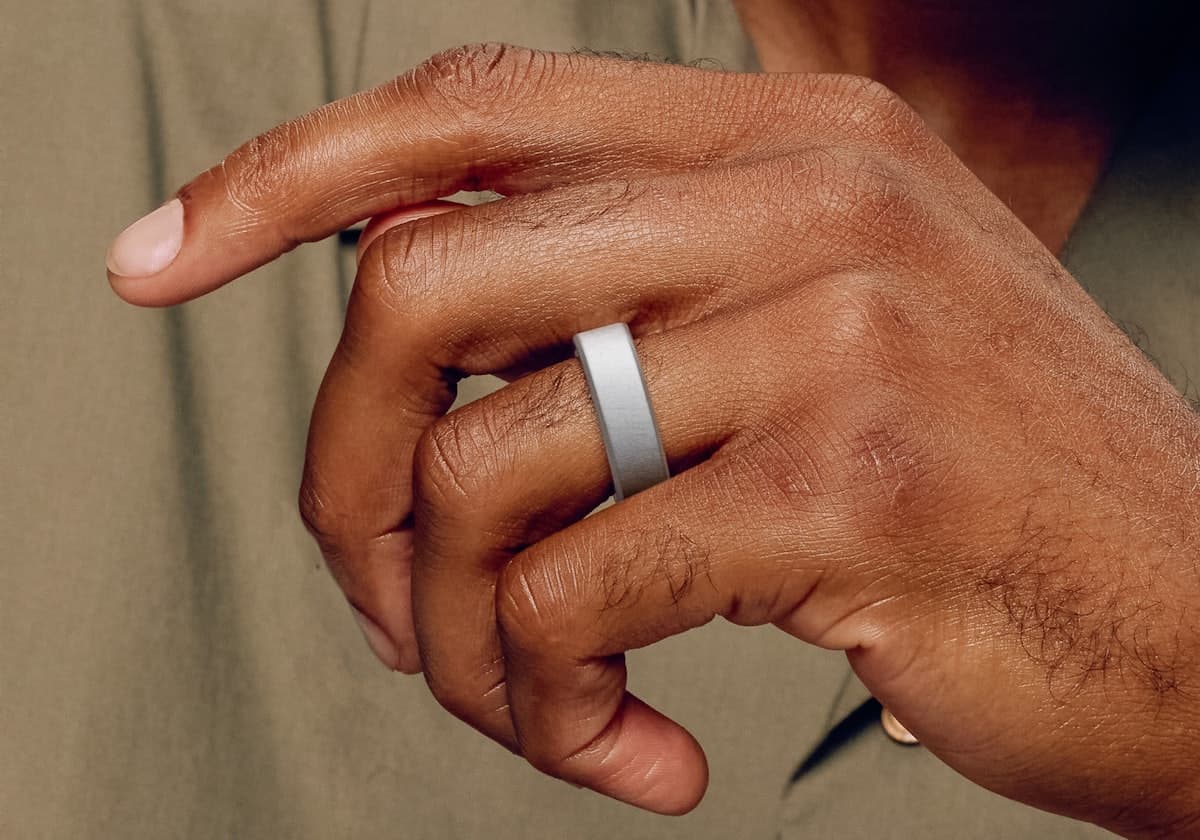
The Oura Ring Gen 4 is the reference point the whole category measures against, including Ultrahuman. It runs $349-499 depending on finish (verified 2026-05-29), with an 8-day battery, a titanium build in sizes 6-13, and the deepest peer-reviewed validation record of any consumer sleep tracker. It is also rated to 100m water resistance and built to survive cold plunges, saunas under 100C, and swimming, which matters if your recovery routine is aggressive.
Where Oura gives ground: the pricing model. Full insights sit behind a separate Oura Membership at $5.99/mo or $69.99/yr, so the true cost is the ring plus a recurring bill, and the raw scores alone are far less useful. Some users also report mild cosmetic discoloration after prolonged sauna use. Over three years, Oura's all-in cost lands meaningfully above the Ring Pro's one-time price, which is exactly the comparison Ultrahuman wants you to run. If you are weighing an exit from the Oura ecosystem, our Oura Ring alternatives roundup maps the full field.
How it compares: Omni Health Ring
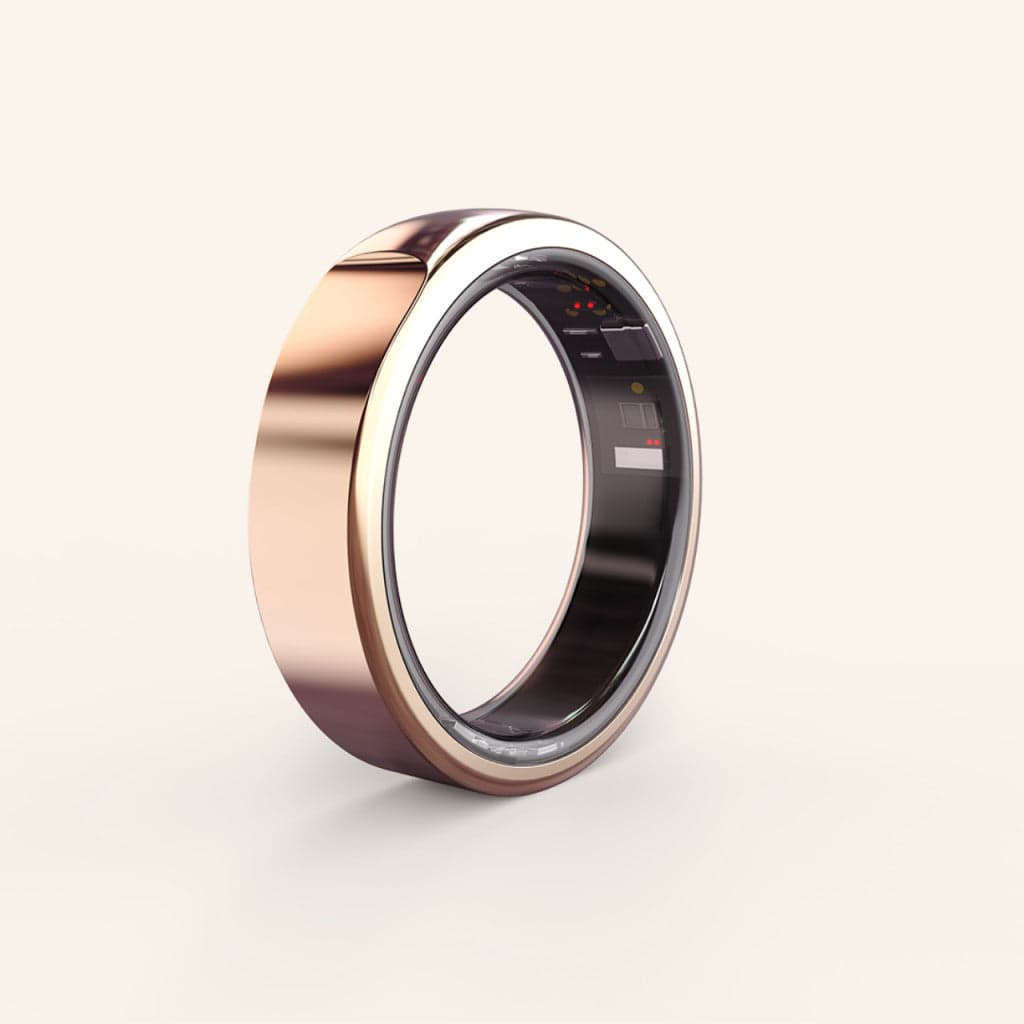
The Omni Health Ring is the value-tier challenger, at a flat $199 (verified 2026-08-14) with no subscription for core features. The spec sheet is stronger than the price suggests: aerospace-grade titanium, 6.5mm wide by 2.4mm thick, 2-3 grams depending on size, 20+ tracked biomarkers including sleep stages, HRV, SpO2, temperature, and respiration, and iOS plus Android support. The ring runs 5-7 days per charge, and the included charging case holds two extra charges for 15-21 days of off-grid use, the best travel story in this group.
Where Omni gives ground: it is the newest brand here, with no multi-year track record, an app that is improving but not yet at Oura or Ultrahuman polish, and independent third-party validation of its accuracy still emerging. For a first ring or a budget-first buyer, that trade is easy at $199. For a buyer who wants the most refined no-subscription experience, the Ring Pro justifies the gap. We ran the head-to-head against Oura in our Omni vs Oura comparison.

How it compares: Amazfit Helio Ring
The Amazfit Helio Ring is the cheapest credible entry into ring tracking that we cover, at $149.99 (verified 2026-08-14, all variants). It is titanium, subscription-free, and tracks sleep stages, HRV, resting heart rate, and readiness. Behind it stands Zepp Health, a large wearables maker, so this is not a no-name gadget.
Where the Helio gives ground: the app and metrics library are younger and narrower than either Oura or Ultrahuman, and the third-party integration set is smaller. Its battery rating is not in our verified data, so we will not guess at it. Think of the Helio as the toe-in-the-water pick: at less than half the Ring Pro's sale price, it answers the question "will I actually wear a ring every day?" before you commit premium money.
One form-factor note that applies to all four: if you want live strain coaching during workouts rather than passive recovery tracking, a ring is the wrong tool, and the wrist-worn Whoop 5.0 is the stronger fit, though it is subscription-only with annual tiers from $199/yr (verified 2026-07-09). Runners weighing a ring against a watch should read our smart ring vs Garmin vs Apple Watch breakdown.
The three-year cost math
Because the Ring Pro has no membership, its sticker price is its total cost: $479 once. An Oura Gen 4 at $349-499 plus a $5.99/mo membership lands in the $565-715 range over three years. The Omni Health Ring stays at $199 total, and the Amazfit Helio at $149.99. In other words, across three years the Ring Pro costs less than Oura while sitting in the same premium tier, and the two value rings undercut both. That math, more than any sensor spec, is why Ultrahuman's no-subscription model keeps pulling consideration from Oura shoppers, and why we track the whole pricing question in our no-subscription smart rings roundup.
Verdicts by buyer type
- You refuse subscriptions and want the premium experience: the Ultrahuman Ring Pro. One-time $479, up-to-15-day battery, lifelong data access. This is the buyer Ultrahuman built the company for.
- You want the most-validated data and do not mind the membership: the Oura Ring Gen 4. The peer-reviewed record and multi-year trend depth are worth the rent for data-serious buyers.
- You already have years of Oura history: stay put. Losing your longitudinal baseline is a real cost that no battery spec repays.
- You want the lowest all-in cost with real coverage: the Omni Health Ring at $199, with the best off-grid battery story thanks to its charging case.
- You are ring-curious and price-capped: the Amazfit Helio Ring at $149.99 is the cheapest honest way to test the habit.
- You train hard and want strain coaching: skip rings and look at the Whoop 5.0, accepting the subscription that comes with it.
Bottom line
Ultrahuman survived being sued out of its biggest market and came back with its best hardware, which tells you something about the company behind the ring. The Ring Pro delivers the core smart-ring job, sleep, HRV, temperature, and recovery tracking, at $479 one time with a class-leading 15-day battery rating and no membership ever. Oura still holds the validation crown and the deeper app, and the $199 Omni and $149.99 Amazfit undercut it for budget buyers, so there is no single absolute winner here. But for the buyer who wants premium ring tracking and a purchase that ends at checkout, the Ring Pro is the one to beat in 2026.
- Ryan, Founder
Is the Ultrahuman Ring Pro worth it in 2026?
For subscription-averse buyers, yes. The buy page lists $479 struck to $349 (verified 2026-07-28), and that one-time number is the whole cost of ownership because there is no membership. Over three years it undercuts an Oura Gen 4 at $349-499 plus roughly $70 per year in fees, while matching the core sleep, HRV, and temperature tracking.
Does the Ultrahuman Ring Pro have a monthly subscription fee?
No. The Ring Pro is a one-time hardware purchase that includes lifelong access to the app and your data. That is the core of Ultrahuman's pitch against Oura, which charges $5.99/mo or $69.99/yr for full insights, and Whoop, which is subscription-only with tiers from $199/yr. You pay once and never see a renewal bill.
Can I buy an Ultrahuman ring in the US after the Oura lawsuit?
Yes. Oura won a US ITC patent case and Ultrahuman's earlier Ring AIR was blocked from US import in 2025. Ultrahuman redesigned the hardware, cleared US Customs, and reopened US pre-orders in March 2026 as the Ring Pro, which began shipping in June 2026. The Ring Pro is the model US buyers can order today.
How long does the Ultrahuman Ring Pro battery actually last?
Ultrahuman rates it at up to 15 days per charge, roughly double the Oura Gen 4's 8-day rating and the longest single-charge figure among the rings we cover. Real-world runtime lands lower with heavy workout tracking, but most owners still charge only two to three times a month, and the Pro Charging Case bundle adds top-ups on the go.
Which is cheaper, the Ultrahuman Ring Pro or the Omni Health Ring?
The Omni Health Ring, at a flat $199 (verified 2026-08-14) versus $479 for the Ring Pro (verified 2026-07-28). Both skip the subscription, so the sticker is the full cost either way. The Ring Pro buys you the longer 15-day battery and a more mature app; Omni counters with a charging case that stretches off-grid use to 15-21 days.
The products this post references
The Longevity Gear Buyer's Checklist
The specs that actually decide whether a sauna, cold plunge, red light panel, or smart ring is worth it, plus the real price range for each. Get the free PDF, plus one weekly email on the gear worth buying.