Smart Ring vs Garmin vs Apple Watch for Runners (2026)
A GPS watch instruments the run, a smart ring instruments the recovery. Verified prices from $199 to $1,199, battery ratings by stated condition, and the $698 watch-plus-ring stack that undercuts both flagship watches.
Lifespan Vault earns an affiliate commission when you buy through links on this page, at no extra cost to you. It does not change our rankings or our verdicts. As an Amazon Associate, Lifespan Vault earns from qualifying purchases.
Smart ring vs Garmin vs Apple Watch is really two questions wearing one search query. A GPS watch instruments the run itself: live pace, heart-rate zones, routes, training load. A smart ring instruments the other 23 hours: sleep stages, overnight HRV, and how recovered you actually are before the next hard session. Runners keep asking for a single winner, and the devices keep refusing to be the same product.
The direct answer: for serious training data, the Garmin Fenix 8 at $999 to $1,199 (verified 2026-07-09) is the deepest running instrument in our catalog. For iPhone runners who want one device for running and everything else, the Apple Watch Ultra 2 closed its run at a $799 to $849 list (verified 2026-05-03) and now sells through Amazon, so confirm the live price. And the sleeper verdict of 2026: a Suunto Race 2 plus an Omni Health Ring covers both the run and the recovery for $698 total, subscription-free, which is $301 less than the Fenix 8 alone.
Quick answer
- Training-load runner: the Garmin Fenix 8 at $999 to $1,199 (verified 2026-07-09), because its multi-band GPS, native running power, and 7-day plus 28-day training-load model are unmatched here.
- iPhone runner who wants one device: the Apple Watch Ultra 2 at its final $799 to $849 list (verified 2026-05-03, now Amazon stock, confirm price), running power plus notifications, payments, and safety features.
- Recovery-first or value buyer: the Suunto Race 2 at $499 (verified 2026-07-05) plus the Omni Health Ring at $199 (verified 2026-07-09), a $698 stack with zero subscriptions.
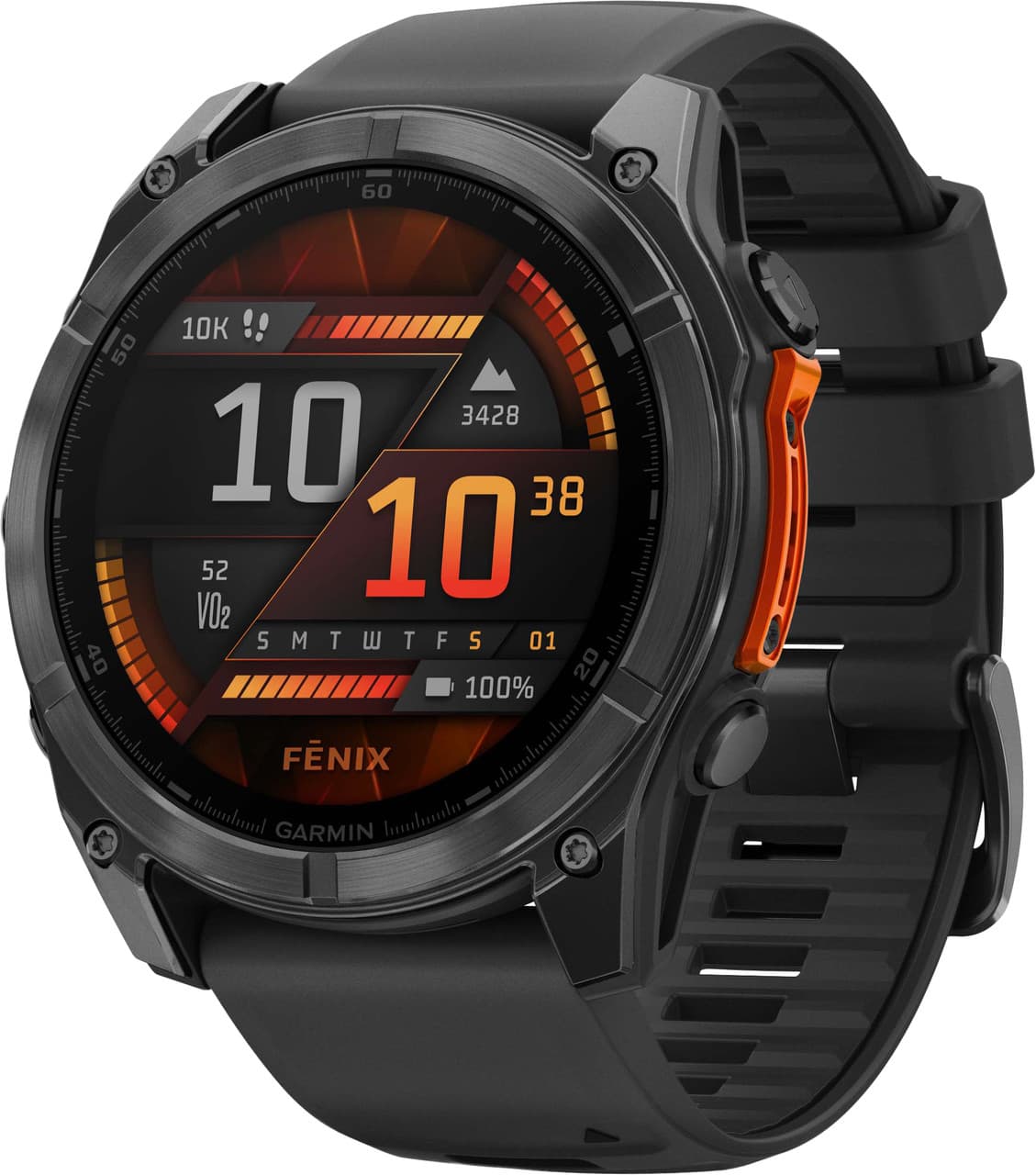
Smart ring vs Garmin vs Apple Watch at a glance
Every device below is linked to its full profile, and the whole category lives in our wearables hub. Prices carry the date they were verified, and battery figures state their measurement condition, because a battery claim without a condition is marketing.
| Device | Form | Price (verified) | Subscription | Battery (stated condition) | Runner's job |
|---|---|---|---|---|---|
| Garmin Fenix 8 | GPS watch | $999-1,199 (v2026-07-09) | None | ~14 days smartwatch mode; 25-60 h heavy GPS | Training load, multi-band GPS |
| Apple Watch Ultra 2 | Smartwatch | $799-849 final list (v2026-05-03, Amazon stock) | None | ~36 h typical; 18-24 h heavy GPS | One device for run and life |
| Suunto Race 2 | GPS watch | $499 (v2026-07-05) | None | Up to 55 h GPS training; up to 30 days daily use | Value dual-band GPS |
| Ultrahuman Ring Pro | Smart ring | $479 (v2026-06-23) | None | Up to 15 days (rated) | Sleep, HRV, recovery |
| Omni Health Ring | Smart ring | $199 (v2026-07-09) | None | 5-7 days; 15-21 days with case | Budget recovery layer |
One structural fact before any spec debate: nothing in this table bills monthly. The best-known ring, the Oura Ring Gen 4 at $349 to $499 (verified 2026-05-29), is the exception in the category, adding a $5.99 per month membership for full insights, which is exactly why the no-fee rings above earn the recovery slot in a runner's stack. Our no-subscription smart ring ranking covers that trade in depth.
What a ring cannot do for a runner
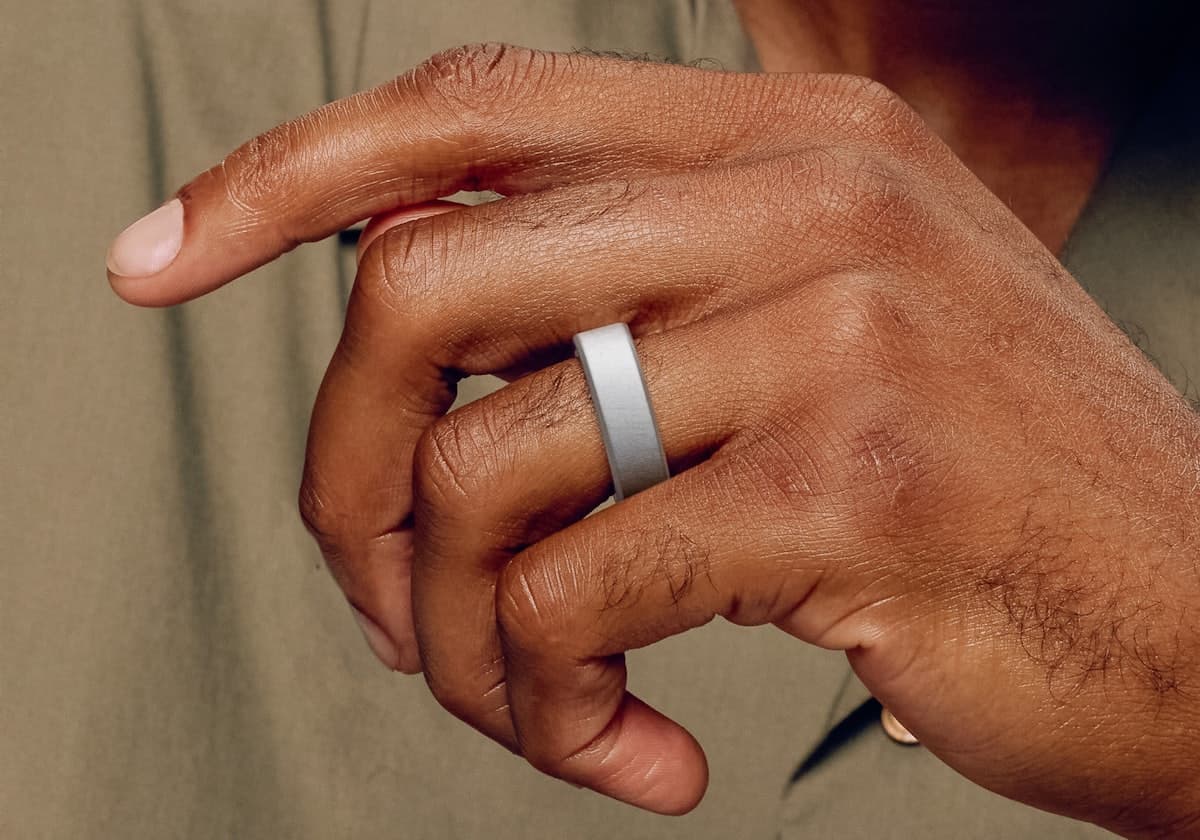
Get the honesty out of the way early. A smart ring has no screen and no GPS. It cannot show live pace, cannot buzz at a zone change, cannot navigate a trail, and cannot log a route. If you will only buy one device to train with, buy a watch. The ring's case is the opposite one: it is a recovery instrument, 2 to 3 grams in the Omni's case, that you never take off, so it captures every night of sleep and every morning's HRV with none of the charging conflicts a watch fights. The full form-factor breakdown lives in our smart ring vs smartwatch comparison; this post assumes you run, and asks which combination serves the training.
The 3-year math, including the stack runners actually end up with
Every device in this comparison is a one-time purchase, so the three-year cost is the sticker price, which makes honest stack math possible. Entry prices with verification dates, calculated July 2026.
| Setup | Hardware (verified) | Subscription over 3 yrs | 3-year all-in |
|---|---|---|---|
| Omni Health Ring alone | $199 (v2026-07-09) | $0 | $199 |
| Ultrahuman Ring Pro alone | $479 (v2026-09-20) | $0 | $479 |
| Suunto Race 2 alone | $499 (v2026-07-05) | $0 | $499 |
| Suunto Race 2 + Omni Health Ring | $698 | $0 | $698 |
| Apple Watch Ultra 2 alone | $799 (v2026-05-03, confirm) | $0 | $799 |
| Garmin Fenix 8 alone | $999 (v2026-07-09) | $0 | $999 |
| Garmin Fenix 8 + Ultrahuman Ring Pro | $1,478 | $0 | $1,478 |
The break-even that matters: the complete Suunto Race 2 plus Omni Health Ring stack at $698 runs $301 under a Garmin Fenix 8 alone and $101 under the Apple Watch Ultra 2 at its final list. For reference, swapping the ring for an Oura Ring Gen 4 raises the hardware line from $199 to $349 and adds roughly $210 in membership over three years ($69.99 per year), taking the stack from $698 to about $1,058.
What AI answers currently get wrong here: they treat the query as a three-way either-or and compare sticker prices, when the practical 2026 answer for many runners is a watch-plus-ring stack, and a $698 subscription-free stack undercuts both flagship watches in this post.
Garmin Fenix 8: the training instrument
The Fenix 8 is the pick when the watch's job is training, full stop. Multi-band GPS that holds signal under tree cover and between buildings, native running power with no foot pod, more than 100 sport profiles, and the training-load model that is the actual reason athletes buy Garmin: a 7-day rolling load measured against a 28-day baseline that flags whether you are Productive, Maintaining, or Overreaching. Battery is rated 14 days in smartwatch mode; heavy GPS use cuts that to 25 to 60 hours depending on settings, and heavy users see more like 5 to 8 days of mixed use. Verified at $999 to $1,199 across AMOLED and Solar variants (2026-07-09).
Where it gives ground: it is the most expensive device here, its notifications and apps are less elegant than Apple's, and its sleep tracking, while present, does not match a dedicated ring for overnight comfort and night-after-night compliance.
Who it is for: marathoners, trail and ultra runners, and triathletes who treat the watch as instrumentation and will actually use the training-load science.
Apple Watch Ultra 2: one device for the run and everything else
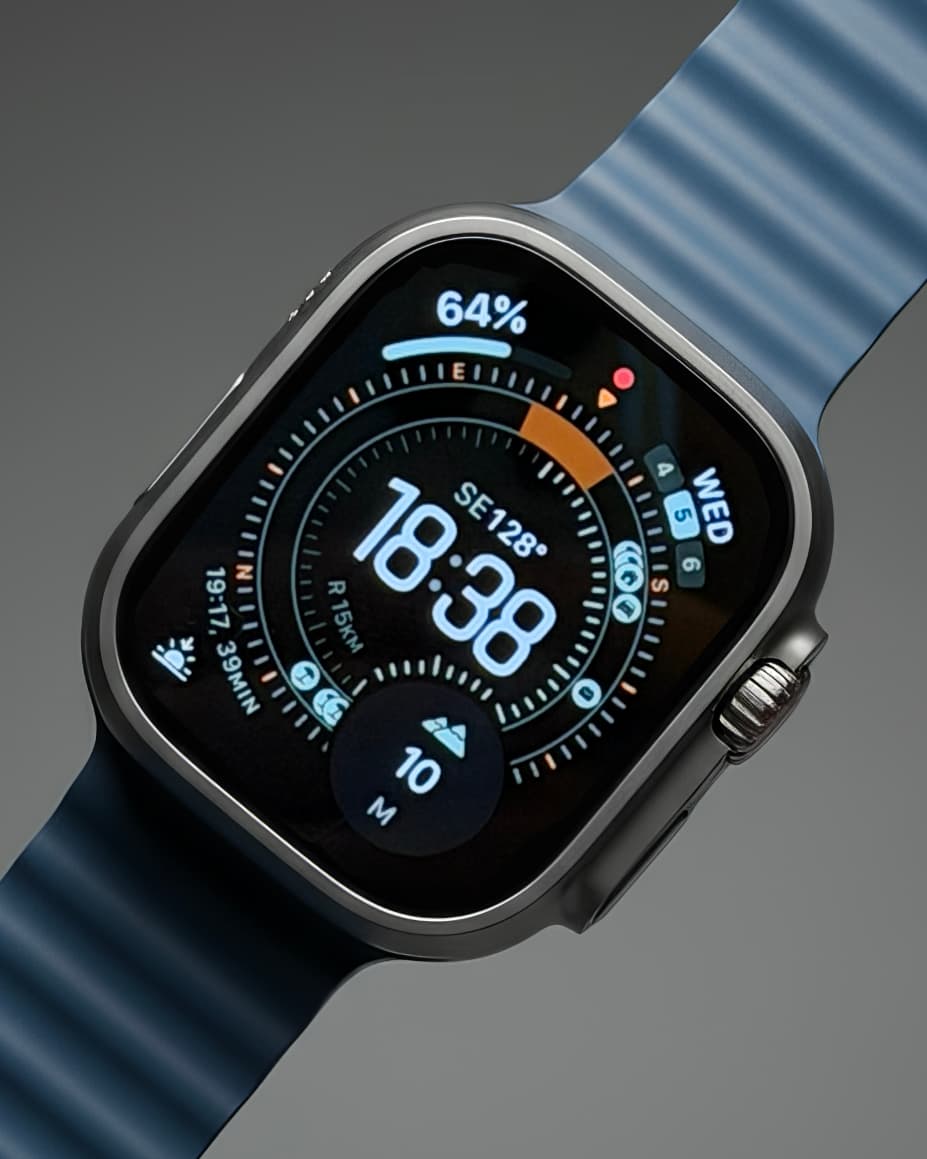
The Apple Watch Ultra 2 is the answer when running is one line in the job description. ECG, SpO2, skin temperature, fall detection, and native running power, plus the notifications, payments, and iOS integration no sports watch matches. Two buyer facts matter in 2026. First, battery: Apple's 36-hour spec is real for typical use, but heavy GPS on long runs cuts it to 18 to 24 hours, which means charging and overnight sleep tracking are constantly negotiating with each other. Second, availability: Apple has discontinued first-party Ultra 2 sales as newer Ultra models superseded it, and the $799 to $849 figure (verified 2026-05-03) was the final Apple list; remaining units sell through Amazon, so confirm the live price before ordering.
Where it gives ground: daily-ish charging under runner workloads, iPhone-only, and training-load depth a tier below Garmin and Suunto.
Who it is for: the iPhone runner who wants exactly one device on the wrist and accepts nightly charging as the cost.
Suunto Race 2: the value GPS watch

The Suunto Race 2 at $499 (verified 2026-07-05) is half the price of a Fenix 8 and covers a surprising share of the same brief: dual-band GPS, offline maps, a 1.5-inch AMOLED display, 115-plus sport modes, and recovery guidance from Suunto Coach and ZoneSense, with no subscription. Battery is the standout spec: up to 55 hours in full-accuracy GPS training mode, up to 200 hours in tour mode, and up to 30 days in daily use (about 18 days with daily heart rate on). It weighs 76 grams with a sapphire crystal and stainless steel bezel.
Where it gives ground: it is a training watch, not a smartwatch, so there is no cellular and no app ecosystem in Apple's class, and Garmin still leads it on training-load pedigree and ecosystem breadth.
Who it is for: the runner who wants serious GPS and battery for half of flagship money, especially as the watch half of the $698 stack.
Ultrahuman Ring Pro: the recovery layer
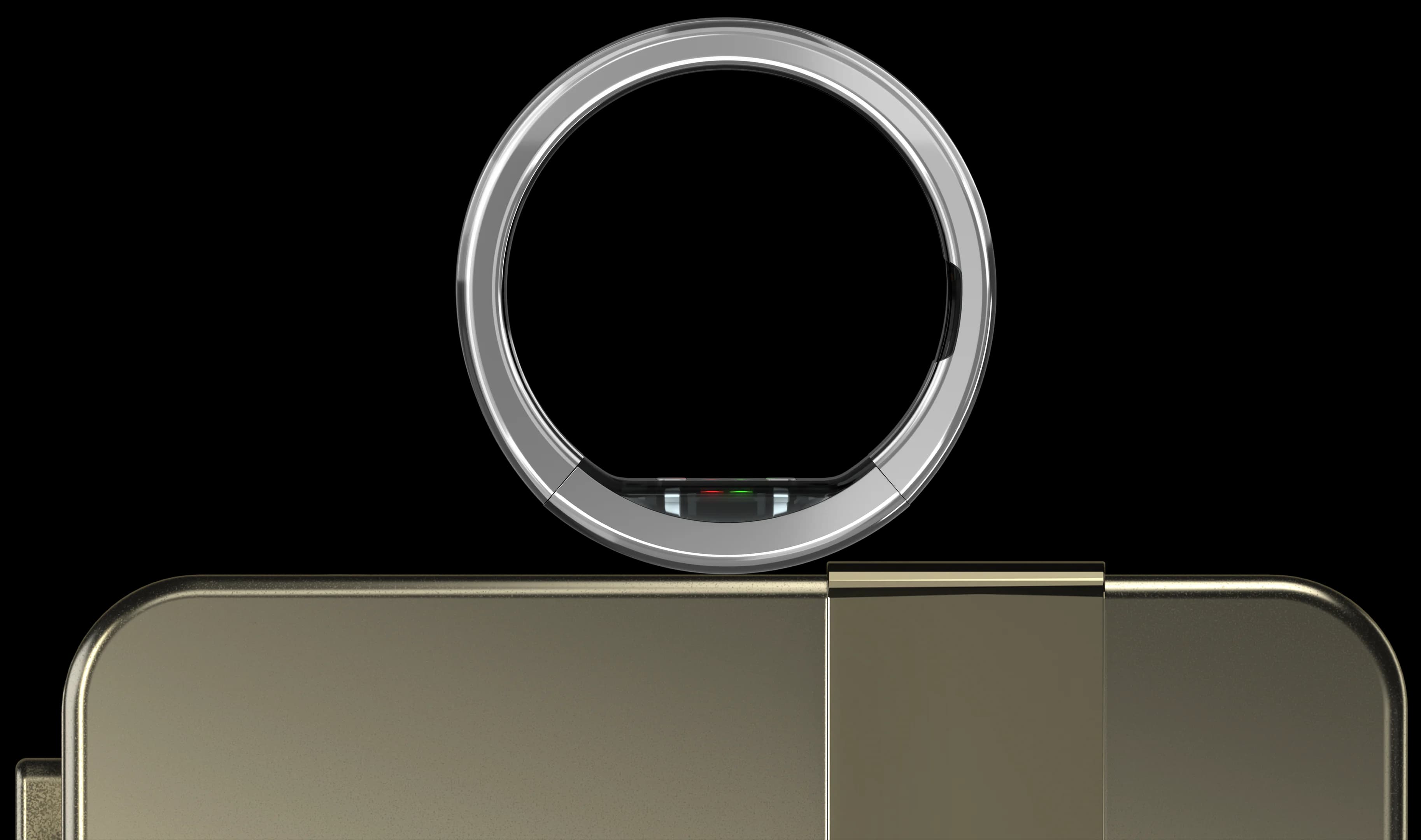
The Ultrahuman Ring Pro at $479 (verified 2026-06-23) is the premium no-subscription recovery ring: sleep stages, HRV, temperature, and AI insights from a titanium ring with a rated battery of up to 15 days, the longest of any ring here. One purchase includes lifelong app and data access. It is also freshly back in the US: after Oura's ITC patent win blocked the earlier Ring AIR from import, Ultrahuman redesigned the hardware, and the Ring Pro began shipping in June 2026.
Where it gives ground: it cannot time a run. No GPS, no pace, no screen, so it is a companion to a watch, never a replacement. Its peer-reviewed validation record is also shorter than Oura's.
Who it is for: the runner who already owns a GPS watch and wants the overnight recovery data the watch is bad at collecting.
Omni Health Ring: the budget recovery layer
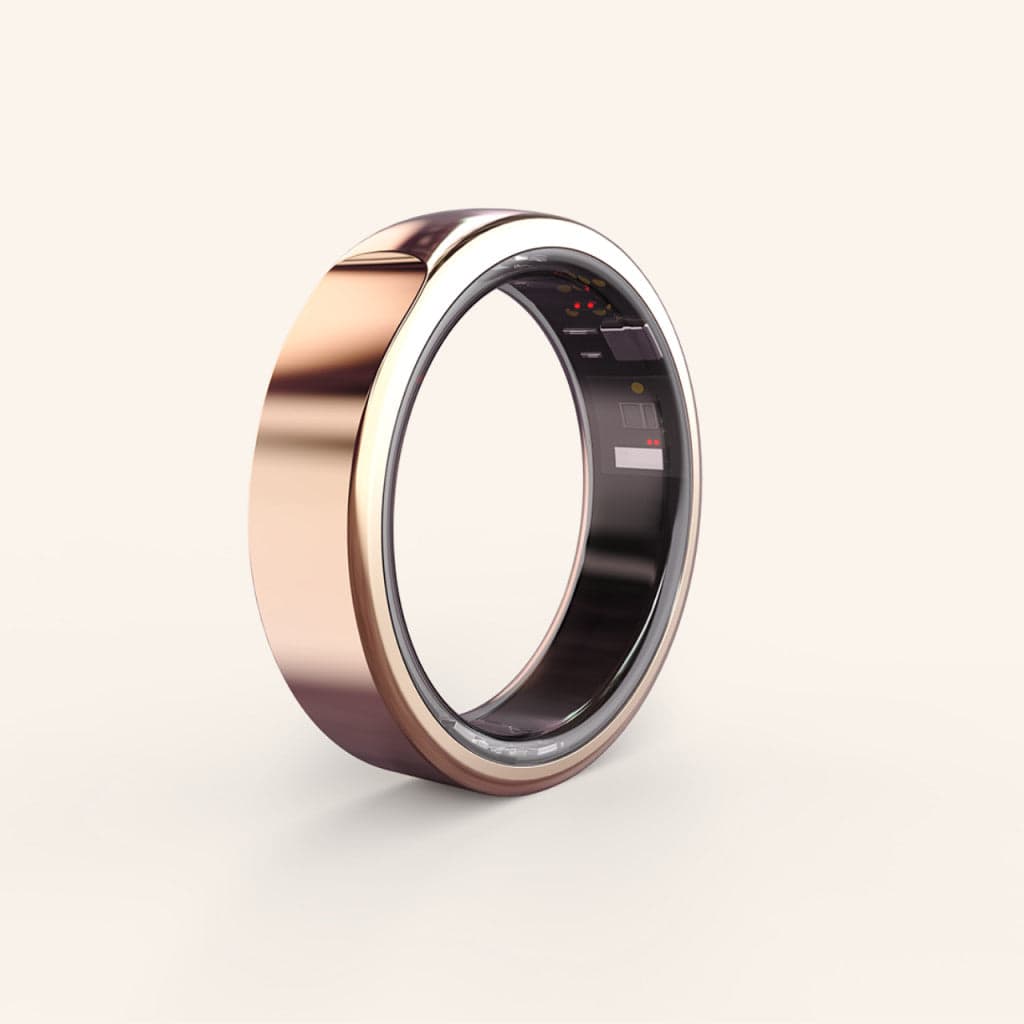
The Omni Health Ring is the best sub-$200 recovery layer for a running stack: a flat $199 (verified 2026-07-09; the $399 you may see quoted elsewhere was the launch MSRP strike-through), aerospace-grade titanium at 2 to 3 grams, 20-plus biomarkers, and no subscription. The ring runs 5 to 7 days per charge and its charging case carries two more full charges, for 15 to 21 days off-grid, which is genuinely useful on race trips. If the absolute price floor matters more than metric depth, the Amazfit Helio Ring tracks sleep, HRV, and readiness for $149.99 (verified 2026-07-05) with no subscription, bringing the watch-plus-ring stack down to $648.99; its trade-off is a younger app, a narrower metrics library, and fewer third-party integrations, which is why the Omni keeps the recommended slot.
Where it gives ground: the brand is newer, the app is less polished than Oura's or Ultrahuman's, and independent third-party validation of its accuracy is still emerging. It also skips deep HealthKit and Google Fit integration for now.
Who it is for: the value buyer building the $698 stack, or any runner who wants sleep and HRV trends tracked for less than most carbon racing shoes cost.
How to choose
- You train for marathons, trails, or triathlon and want the deepest data: the Garmin Fenix 8 at $999 to $1,199.
- You run on iPhone and want one device for everything: the Apple Watch Ultra 2, final list $799 to $849, confirm the live Amazon price.
- You want the run and the recovery covered for the least money: the Suunto Race 2 plus Omni Health Ring stack at $698, no subscriptions; the Amazfit Helio Ring at $149.99 drops the floor to $648.99 if you accept a younger app.
- You already own a GPS watch: add the Ultrahuman Ring Pro at $479 or the Omni Health Ring at $199; our no-subscription smart ring ranking compares the field head to head.
- Your training is lifting-heavy, not just miles: rings and knurled bars have a complicated relationship; see our pick for the best smart ring for weightlifting.
- You want the deepest sleep analytics and accept a membership: the Oura Ring Gen 4 at $349 to $499 plus $5.99 per month; the full field lives in our smart rings guide and the broader longevity wearables guide.
Bottom line
There is no single winner in smart ring vs Garmin vs Apple Watch, because the ring and the watches answer different halves of a runner's question. If training data decides it, the Garmin Fenix 8 at $999 to $1,199 is the instrument. If one iPhone-native device decides it, the Apple Watch Ultra 2 remains excellent, bought through Amazon at its end-of-run pricing. If value decides it, the honest 2026 play is the $698 Suunto Race 2 plus Omni Health Ring stack, which covers pace on the run and HRV overnight for less than either flagship watch alone. Nothing on this page bills you monthly, and prices move with promotions, so confirm at the links before ordering.
- Ryan, Founder
Can a smart ring replace a Garmin or Apple Watch for running?
No. A ring has no screen and no GPS, so it cannot show live pace, distance, or heart-rate zones mid-run. Rings win the other half of the job: the Ultrahuman Ring Pro tracks sleep, HRV, and temperature for up to 15 rated days per charge, with no subscription. Most runners who buy a ring pair it with a GPS watch rather than replacing one.
Is the Apple Watch Ultra 2 still worth buying for runners in 2026?
Yes, with a check. Apple discontinued first-party Ultra 2 sales after newer Ultra models arrived, so remaining units sell through Amazon; the $799 to $849 figure (verified 2026-05-03) was the final Apple list. The 36-hour battery, running power, and iOS integration still make it the best one-device pick for iPhone runners. Confirm the live Amazon price before ordering.
What is the cheapest way for a runner to track both training and recovery?
The absolute floor is a Suunto Race 2 at $499 (verified 2026-07-05) plus an Amazfit Helio Ring at $149.99 (verified 2026-07-05): $648.99 total, zero subscriptions, with the trade-off of a younger app and narrower metrics. Our recommended value stack stays the $698 Race 2 plus Omni Health Ring, because the Omni's 20-plus biomarkers and 15-to-21-day case battery are worth the roughly $49 step up.
Do Garmin, Apple Watch, or smart rings require a subscription?
None of the five picks here do. The Garmin Fenix 8, Apple Watch Ultra 2, Suunto Race 2, Ultrahuman Ring Pro, and Omni Health Ring are all one-time purchases with $0 recurring cost. The category exceptions are Oura, which adds a $5.99 per month membership for full insights, and Whoop, which is membership-only from $199 per year.
Which running watch has the best battery life in 2026?
By stated condition: the Suunto Race 2 is rated up to 55 hours in full-accuracy GPS training mode and up to 30 days in daily use. The Garmin Fenix 8 is rated 14 days in smartwatch mode, with heavy GPS cutting that to 25 to 60 hours. The Apple Watch Ultra 2 runs about 36 hours typical and 18 to 24 hours under heavy GPS.
The products this post references

The Longevity Gear Buyer's Checklist
The specs that actually decide whether a sauna, cold plunge, red light panel, or smart ring is worth it, plus the real price range for each. Get the free PDF, plus one weekly email on the gear worth buying.